Friday, October 31, 2025

Sacroiliac Joint Pain - The Current State of Art


Sacroiliac Joint Pain - The Current State of Art

Introduction

Sacroiliac Joint (SIJ) is a paradox of nature. It contains hyaline cartilage ensuring no friction of the articular surfaces, but the interdigitating symmetrical grooves and ridges of its articular surfaces and powerful ligaments prevent it from achieving even a minimal range of motion. It is located at the confluence of opposing forces, undergoing considerable shear and distraction forces, and instead of becoming relaxed and unstable with age, like peripheral joints, it stiffens up to complete ankylosis. Being at the crossing of the muscle and fascial bands, no one muscle can regulate its function in a keyway. Being subjected to such great strains, instead of being modestly endowed with pain-conducting innervation in favor of proprioceptive innervation, it is endowed with an incomprehensible excess. All these facts cause SIJ pain (SIJP) is a phenomenon of quite complicated pathogenesis, difficult to treat when accompanies Low Back Pain (LBP).

Epidemiology

While the prevalence of LBP is estimated as high as 85%, the prevalence of SIJP is estimated at 15-30% of patients with a chronic non-radicular pattern of LBP [1]. The SIJP affects predominantly the adult patient population, it is very uncommon to find it in children, and if so, there is always a risk of neoplastic or infection. In adults, two age peaks distribution can be observed. Younger adults’ SIJP is a consequence of sports injuries or training overuse, autoimmune diseases like Ankylosing Spondylitis (AS), and pregnancy. Older adults suffer SIPJ much often due to degenerative processes or as a consequence of spine surgery. There are no prevalence discrepancies between races but women are more prone to the incidences of SIPJ and pelvic pain due to high mobility [2,3].

Anatomy, Biomechanics and Pathogenetic Consequences

The SIJ is a unique structure both in terms of the complicated three-dimensional structure built into the pelvic tensegrity system and its unique innervation. It is a complex of two segments with a different histological structures. The dorsally and cranially located fibrous part is a complex of very strong interosseous ligaments filling the space between sacral concavity and iliac tuberosity covered with fibrous cartilage and woven into a system of superficial ligaments (dorsal sacroiliac ligaments, iliolumbar and sacrotuberous ligaments). This part does not transfer the compressive forces from the spine to the lower limbs, but only counteracts the distraction, shear, and rotational forces acting in three mutually perpendicular axes. Ventrally and caudally is located a proper diarthrodial joint with a typical synovial lining (and therefore prone to inflammation and hyperplasia) with not flat but rather the propeller-like shape and inter-individual variation of the auricular part of the sacrum matching almost perfectly to the joint surface of the ilium. Both C-shaped or L-shaped articular surfaces with an area of about 17 cm 2 are covered with hyaline cartilage and it is this part of the joint that participates in the distribution of powerful forces acting at the junction of the spine and lower limbs, transferring the tension from the ground to the axial skeleton and vice versa [4].

Due to the tiny and very individually variable depressions on the side of the sacrum, matching the ridges on the side of the iliac bone, the lower part of the SIJ joint does not provide shape stabilization and only thanks to very strong ligaments and the force closure system similar to the central brick at the top of the arch arcade, it can maintain integrity. The forces that SIJ must counteract are evidenced by the load on the limb when jumping onto one leg, measured at the hip joint reaching a mean peak loading of 5.5-8.4 × body weight [5]. Each pelvic asymmetry, or a change in the gait pattern as a result of peripheral joints diseases or injuries, or even a 1 cm leg length discrepancy, increases the forces acting on the SIJ up to five times [6]. The SIJ has a very limited range of motion and it is not the same in all six degrees of freedom (rotation and translation on transversal, sagittal and vertical axis). The largest component of the movement is related to the rotation of the sacrum on the transverse axis (nutation and counter-nutation) - it is still debatable where exactly this axis is situated (S2, S1, and S2 boundary?) and according to old textbooks and posters hanging in physiotherapists’ offices, it amounts allegedly to ca. 2 degrees. However, a recent radiostereometric analysis of movement study performed in vivo by KibsgÃ¥rd et al. showed that in both the standing- and hanging-leg SIJ, a total of 0.5-degree rotation was measured [7].

Even less mobility was shown by in-vitro tests because under the loading of 100% bodyweight the rotation of SIJ consisted of 0.16 degrees and an inferior translation of the sacrum relative to the ilium - 0.32 mm, which may question the ability of palpation diagnosis for SIJ mobility disorders [8]. Excessive nutation of the sacrum is inhibited by the sacrotuberous and sacrospinous ligament system and the muscular tension of hamstrings, counternutation of the sacral bone is limited by the shape of the L5S1 joint and the stability of the pelvic ring, which always requires the threeplane movement of the iliac bones accompanying the rotation of the sacrum (inflare - posterior rotation - sacral nutation and outflare - anterior rotation - sacral contrnutation). In a broader aspect - the muscle ring surrounding the abdominal cavity (especially m. transversus abdominis), diaphragm, and mm. of the pelvic floor generate adequate intra-abdominal pressure and activate m. multifidus, which is an additional stabilization mechanism of the SIJ, according to the core stabilization theory where “core,” is referred to as the lumbopelvic-hip complex with muscular boundaries that produces a corset-like stabilization effect on the trunk and spine [9,10].

The SIJ has a segmental innervation from L2-S4 nerves, predominantly by the S1 and S2 nerves, with the posterior part more supplied by the lateral branches of the L4-S3 dorsal rami, and the anterior joint innervated by L2-S2. This rich innervation explains why the spectrum of pain referral patterns is so abundant (buttock, trochanteric region, groin, popliteal area, and even heel) and why the SIJ is a wide-open window for spinal cord sensitization [11]. The main question that matters and was not fully elucidated is: how strong is a link between the mobility disorder and SIJP? On the one hand, the common SIJP in pregnancy is a well-documented cause of the hormone-related relaxation of the ligaments, on the other hand, inborne generalized ligamentous laxity does not have to be the cause of SIJP. Another paradox is that manual therapy practitioners often claim that the pain comes from hypomobility, surgeons oppositely tend to stiffen the joint claiming that the joint’s micromovements irritate nociceptors by ongoing congestion and inflammation of the joint, however, even ankylotic SIJs are also a source of pain. The extensive and at the time very fashionable theory of core stabilization also blamed the inefficient muscle cylinder for initiating pain in LBP and SIJP.

Given the above considerations, the pathogenesis of SIJ pain can be considered in three aspects:

• Mechano-Dependent: Hypomobility (dysfunctions, degenerative changes), hypermobility (constitutional and periodic ligamentous laxity dependent on the hormonal balance), high and low energy injuries (stress fracture), asymmetric overloads and gait disturbances (pathologies of the peripheral joints of the lower joint and disturbances in the axis )

• Immune-Dependent: Autoimmune (systemic inflammatory and reactive arthritis), infectious (extremely rare), and metabolic (gout and pseudo-hypersensitivity)

• Functional: Pain projected from internal organs (reproductive organ, urinary tract), spinal sensitization, or upper pain centers of an unexplained cause (psychosomatic, visceralvisceral reflex).

Clinical Picture

The complicated and very extensive innervation of the SI joint and the multidirectional forces acting on the joint make the symptomatology of pain generated from the SI joint very rich. It includes both well-located pain in the projection of the SI joint itself (finger test) as well as referred pain to the buttock, groin, trochanteric area, popliteal fossa, and thigh but rarely exceeding the knee line, which distinguishes it from true radicular pain. It should be differentiated from lumbar facet syndrome, tendinopathies, or hip Osteoarthritis (OA).

Diagnosis

Clinical examination is an indispensable part of making a diagnosis, unfortunately, in the case of SIJP, numerous proposed provocation tests using a mechanical stimulus centered on the joint through shear, distraction, or compression forces have limited reliability and do not show any correlation with imaging tests [12]. These, in turn, do not always effectively show an ongoing inflammatory process even in Ankylosing Spondylitis (AS), which resulted in the formation of the term non-radiographic axial spondyloarthritis (nrAxSpA) was coined for patients who have a clinical picture of Ankylosing Spondylitis (AS) but do not exhibit radiographic sacroiliitis. More than that, even negative MRI or HLA B27 does not exclude the diagnosis in patients with a high clinical suspicion for nrAxSpA although imaging enabling precise visualization of the SIJ in cross-sections and 3D processing with the support of contrast are very useful in the event of structural changes such as injuries, infections, stress fractures, neoplastic or infectious process. Unfortunately, in the case of functional chronic pain syndromes imaging techniques are not relevant [13].

Treatment

Non-interventional treatment - includes manual therapy aimed at improving the mobility of the joint and exercise programs aimed at regaining muscle balance following the theory of pelvic tensegrity, pharmacotherapy - starting from anti-inflammatory and analgesic drugs to adjuvants from the group of antidepressants and anticonvulsants, orthoses (stabilizing belts, especially during pregnancy), insoles to compensate for the limb length discrepancy, and instruction in prophylaxis and work ergonomics. In the case of chronic pain syndromes on a functional or psychogenic basis, behavioral therapy plays a huge role. Interventional treatment - includes injection procedures, mini-invasive treatments, and surgery. Temporary elimination of SIJP by switching-off pain generators through a targeted diagnostic block of the dorsal branches of the L5-S3 spinal nerves is usually the introduction to cryoanalgesia or thermoablation, which are widely used in chronic pain syndromes unresponsive to conservative treatment. In the case of over 50% pain reduction after the diagnostic block (single or double block), this procedure is fully justified and allows for at least 6-month improvement in approximately 60% of patients. Currently, in addition to conventional unipolar RF, several modified techniques targeting the lateral branches of the primary dorsal rami have been proposed by different manufacturers, including cooled RF ablation, Simplicity III RF ablation, and bipolar RF ablation [14,15].

For true synovial inflammation of the SIJ, steroid injections or blood-derived regenerative injections (autologous conditioned serum, PRP) are justified, and when the ligamentous instability is considered, prolotherapy is suggested, which in this case promises a longer period of improvement [16,17]. Borowsky et al. confirmed evidence supporting the existence of extra-articular sources for SIJP by comparing two groups of patients where pure intraarticular or combined with periarticular injections were given. They found a much greater success rate in the second group using a local anesthetic and steroid, intra-articular injection alone, the rate of positive response at 3 months was 12.50% versus 31.25% for the combined injection which seems to underpin the prolotherapy premises [18]. For recalcitrant, non-responding cases with strong suspicions of joint instability a surgical treatment option emerges. It is possible to perform percutaneous SIJ arthrodesis, using a minimally invasive technique of distraction by interference screw which turned out to be a less disruptive way compared to the conventional open technique. Nevertheless, there is no convincing evidence of its superiority over injection and mini-invasive techniques with relatively high complication rates [19,20].

For more Articles on: https://biomedres01.blogspot.com/

Thursday, October 30, 2025

SARS-CoV-2 Infection and Gastrointestinal Involvement: The Tip of the Iceberg


SARS-CoV-2 Infection and Gastrointestinal Involvement: The Tip of the Iceberg

Introduction

The outbreak of the coronavirus disease of 2019 (COVID-19), which evolved into a pandemic, is a life-threatening condition that has now officially recorded one million confirmed deaths in the United States as of May 2022 [1]. In the last two years, a lot of attention has been placed worldwide on the finding of effective treatments. COVID-19 is the cause of an enveloped, non-segmented, single-strand RNA virus known as severe acute respiratory syndrome coronavirus 2 (SARS-CoV-2) that attacks the body cells to cause infection in the respiratory system [2]. The SARS-CoV-2 spike protein binds to the cell’s angiotensin converting enzyme 2 (ACE2) receptors. ACE2 receptors are widespread in human tissues, explaining the multiorgan dysfunction reported in patients [2]. ACE2 receptors are highly abundant in the gastrointestinal (GI) tract and evidence of SARS-CoV-2 replication and inflammatory response to the GI infection have been reported in COVID-19 patients [2]. Additionally, COVID-19 vaccinated people develop multisystemic symptoms that could be associated with the diversity of the immune response to the viral protein [3]. The pathogenesis of SARS-CoV-2 infection is not totally understood. It is not clear the role of the viral replication in the GI tract and the effects of the immune response against the cells infected with SARS-CoV-2. This article explores the current knowledge about the GI system involvement in the COVID-19, the post-acute COVID-19 syndrome (PACS) and the COVID 19 vaccine side effects that lead to diverse gastrointestinal manifestation and disease severity outcomes.

The acute period or COVID-19, that lasts approximately four weeks [4], is driven initially by replication of SARS-CoV-2 in the cells, that seems to last longer in GI tract cells [5], and then by an exaggerated immune/inflammatory response to the virus that damages tissues [2,6], COVID-19 is a primary respiratory transmitted illness that presents with fever, fatigue, cough, shortness of breath, muscle or body aches, headache, sore throat, congestion or runny nose, loss of taste or smell, nausea, vomiting and diarrhea [7]. GI manifestations are reported in 11.4-61.1% of individuals with COVID-19(6), and are different across the literature reviewed in frequency, presentation [8,9], onset time [10] and clinical outcome [9]. The majority of COVID-19-associated GI symptoms are mild and self-limiting. Also, acute pancreatitis, acute appendicitis, intestinal obstruction, bowel ischemia, abdominal compartment syndrome are described with less frequency [8]. The presence of viral nucleocapsid protein has been verified in almost the entirety of the GI lumen, such as gastric, duodenal and rectal glandular epithelial cells, apart from the esophagus [2,5,6] and the high prevalence of viral shedding in stool, particularly after viral RNA negativity in respiratory specimens, have led to the idea of a possible viral fecaloral transmission [5]. Only interaction between SARS-CoV-2 and ACE2 receptors might be enough to disrupt the normal function of ACE2 pathway and result in diarrhea and inflammation [11] but the pathophysiology of the infection in the GI tract seems to be more complex. One study reported that fecal calprotectin (FC) and serum calprotectin (SC) might have the potency to assess the prognosis in COVID-19 patients, but increased FC and SC did not feature GI symptoms or even diarrhea in COVID-19(9). Also, elevated FC suggested an inflammatory response in the gut, which was significantly correlated with IL-6 [12]. Furthermore, in the GI tract the microbiota that colonizes it plays a variety of important physiological roles in the body, through multiple recognized axes (brain, lung, estrogen) [4,13], and is altered during SARS-CoV-2 infection. COVID-19 patients had significantly reduced bacterial diversity, a significantly higher relative abundance of opportunistic pathogens (Streptococcus, Rothia, Veillonella and Actinomyces), and a lower relative abundance of anti-inflammatory symbionts compared to non-infected [10,14]. The persistent dysbiosis produces barrier dysfunction, translocation of bacterial products, hyperinflammation and immune dysregulation [14]. Ultimately, prolonged and disorganized inflammation is also an important cause of autoimmune response and has been described in other viral infections and autoimmune disorders [13,15,16]. After the acute period and during at least one year post infection, some individuals develop long-term sequelae or post-acute COVID-19 syndrome (PACS) [17]. PACS also known as long-COVID is part of the postacute infection syndromes group, characterized by an unexplained failure to recover from an infectious disease [15]. The majority of manifestations in PACS are systemic, neurological, cardiorespiratory, and gastrointestinal [4]. The gastrointestinal-related symptoms in these patients include loss of appetite, nausea, weight loss, abdominal pain, heartburn, dysphagia, altered bowel motility and irritable bowel syndrome [4]. The syndrome may develop not only in COVID-19 hospitalized patients and evidence indicates that it can develop regardless of the severity of the original symptoms. Common features are viral persistence, a continuous dysbiosis, and aberrant immunological response with a persistent inflammation that can lead to autoimmunity [4,15,16].

Despite the benefits of the SARS-CoV-2 vaccination in the control of the pandemic, the immune response to the virus antigen and autoimmunity have been linked to some rare serious adverse events [3]. Sides effects are usually less serious than developing COVID-19 or complications associated with coronavirus infections, mostly being mild to moderate and have lasted no longer than a few days [18]. Typically, pain at the injection site, fever, fatigue, headache, muscle pain, chills, nauseous and diarrhea are the most frequently reported [18,19]. It is not clear if the side effects observed after vaccination are due to the produced antibodies against the viral spike protein (more studied antibodies) or antiidiotype antibodies that resemble the spike protein structure [3]. This same mechanism that could be involved in the off-target vaccine effects could also explain the autoimmune response during the acute period of the infection [3].

Currently the main therapeutic effort for COVID 19, such as antiviral and vaccines, have their main effect early in the viral infection, while immunosuppressive and anti-inflammatory therapies focus on targeting later stages of COVID-19 have been centered in the pulmonary manifestations [8]. The GI tract plays a significant role throughout the course of the disease; therefore, this has recently prompted the exploration of several therapies directed to the control in the GI tract of SARS CoV-2 infection, the immune response and the microbial dysbiosis. [10]. A recent trial explored the possibility of oral-fecal transmission and oropharyngeal tissues as reservoirs for SARS-CoV-2, by testing the effects of Niclosamide treatment on fecal shedding of the virus, but the results were not significant between the study groups [5]. The effect of berberine, that acts inhibiting key factors in cell signal transduction on intestinal function in patients with severe SARS-CoV-2 infection, was also explored in a clinical trial to target the inflammatory response by balancing the intestinal microenvironment during severe Covid-19 [20]. Lastly, other studies, exploring the correlation between intestinal microbiota and COVID-19, recommend including probiotics and prebiotics in the patient’s therapy regimen, which could reduce inflammation and improve disease conditions by modulating the immune system, infected patients [10].

COVID-19 is the first disease event since the beginning of the XX century to demand an urgent global healthcare response, that disrupted everyday life on earth in 2019. Since this moment, a lot of effort has been put into getting the knowledge to develop the required tools to control the coronavirus pandemic worldwide, but our knowledge of the disease is still limited because it is an evolving situation that continues to challenge healthcare professionals and societies. There is still controversy in most of the aspects related to this viral infection in the GI tract that therefore requires further research.


For more Articles on: https://biomedres01.blogspot.com/

Wednesday, October 29, 2025

Clinical Outcomes of Allograft Bone Dowels in the Treatment of ACL Re-Ruptures


Clinical Outcomes of Allograft Bone Dowels in the Treatment of ACL Re-Ruptures

Introduction

Rupture of the anterior cruciate ligament (ACL) is the most common knee injury requiring surgical repair [1]. Although longterm functional stability and symptom relief can be achieved in most patients following ACL reconstruction, approximately 2% to 10% of patients will eventually require a secondary ACL surgery [2]. The annual number of patients undergoing ACL reconstruction appears to be increasing; therefore, the need for revision surgery is also likely to increase. It is estimated that between 2,900 and 13,000 patients will require a revision ACL reconstruction each year [3]. To date, no standard revision procedure exists for the treatment of revision ACL reconstruction, but it is acknowledged that this procedure is substantially more challenging than primary surgery. Management of previously malpositioned or widened tunnels often requires advanced approaches for managing bony defects [4,5]. Multiple techniques for bone grafting the tunnels in a staged ACL revision procedure have been used, including allograft chips, struts, or autografts from the iliac crest [6,7]. A recently applied technique uses bone dowels, which are individually adjustable allografts provided in different lengths and sizes [8]. The primary advantage of bone dowels is, that they avoid donor site morbidity. Furthermore, they afford sufficient stability for the graft fixation at the second-stage revision [8]. Although increasingly used in surgical interventions, the effectiveness of these bone dowels on patient outcome as well as long-term complications have rarely been investigated. The main objective of this study was to examine the effectiveness of the Supercritical CO2 processed allograft bone dowels on knee stability and potentially arising long-term complications. In this context, patient data before surgery were compared to the 3-, 6-, and 9-months post- surgery data.

Materials and Methods

Patient

After Ethics Committee approval, a retrospective chart review was performed to extract from a clinic database, patients who underwent revision ACL reconstruction between 2015 and 2021 using the allograft bone dowels “Allobone”. Patients were eligible if they met the following inclusion criteria: age greater than 18 years, with a primary and secondary ACL injury, persistent or recurrent instability since reconstruction that limited daily and/or athletic activities, physical examination demonstrating instability with both positive Lachman and positive pivot shift testing, MRI imaging available. Patients were excluded in case of multiple concomitant injuries such as meniscal repair or medial and/or lateral ligament ruptures. Additionally, patients were not included if there was a documented disapproval for data usage. All patient information including demographics, medical history, imaging data, physical examination results, and functional data (mobility, stability) were collected.

Graft Material

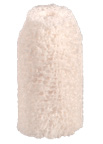
The graft material used was the allograft bone dowels Allobone (Figure 1), processed by the Supercritical CO2 technology (BIOBank, 3, rue Georges Charpak – 77127 LIEUSAINT – France). The allografts were prepared from living donor femoral heads treated by the supercritical CO2 process (Supercrit®) through degreasing steps and a gentle chemical oxidation of the residual proteins with preserved bone architecture. The bone dowels were provided in different lengths.

biomedres-openaccess-journal-bjstr

Figure 1: Supercrit® processed allograft bone dowels “Allobone”.

Surgical Technique

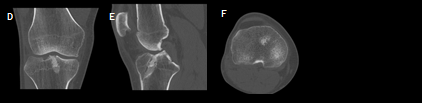
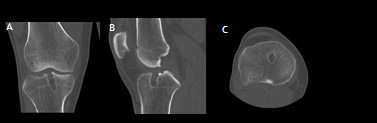
All the surgical procedures were performed bysenior surgeons. For surgery preparation, patients were placed in supine position. A thigh tourniquet was applied to minimize blood flow. To detect possible concomitant lesions, a routine arthroscopy was performed at the beginning. The femoral tunnel or tibial tunnel could be addressed first. Fluid loss was less if the femoral tunnel was prepared first. According to the position of the pre-operative computed tomography scan (CT scan) the femoral tunnel was re-drilled with a wire. After placing the wire, it was sequentially reamed with a cannulated drill. Initially, a 6mm drill was used and continued with a 2mm enlargement until the pre-operative diameter measured at the CT scan was reached. The tunnel was arthroscopically inspected if all sides were composed of spongiotic bone and without sclerosis. Otherwise, the drilling was continued with an increase in 2 mm drill size. Subsequently, the length of the drilled tunnel was measured arthroscopically. If the length of the tunnel outreaches the length of allograft dowel, two dowels were inserted in series. Over the drill wire the allograft was inserted from the antero-medial portal. The top of the dowel was slightly bulleted for better insertion through the portal and into the drilled tunnel. A potential intraarticular overlap of the cortex was resected with a small chisel to avoid impingement. The same technique was used for tibial tunnel filling. (Figures 2 & 3) Preoperative antibiotic prophylaxis was given 30 minutes before surgery.

biomedres-openaccess-journal-bjstr

Figure 2: (A, B and C) Anteroposteral/lateral/Transversal CT, right knee showing defect within the tibial tunnel.

biomedres-openaccess-journal-bjstr

Figure 3: (D, E and F) Anteroposteral/lateral/Transversal CT, right knee showing allograft bone dowel integration to host bone on 9-month postoperative CT scan.

Clinical and Radiographic Evaluation

The main outcome included complications resulting from the bone dowels at five time-points (pre- operative, operative, 3 months post-surgery, 6 months post-surgery and 9 months postsurgery). The secondary functional outcomes (mobility, stability) were evaluated preoperatively, 3 months, 6 months, and 9 months. Assessment included Knee flexion and extension, Lachman test and Pivot Shift test.

Statistical Analysis

Statistical analyses of data extracted were carried out in IBM SPSS Statistics 26 (SPSS Inc. Chicago, USA). Summary statistics were analyzed as means (standard deviations) for continuous variables and percentages for categorial variables. Wilcoxon test was used to compare the preoperative and follow-up status. Differences with a p-value of <0.05 were considered statistically significant.

Result

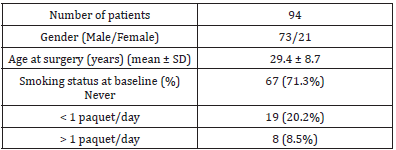
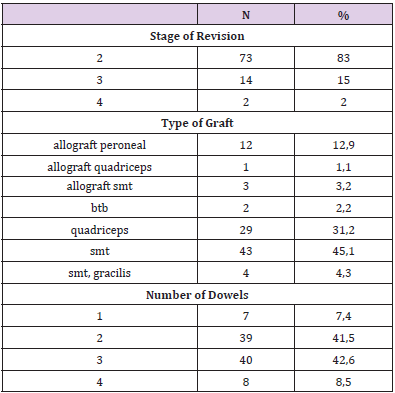
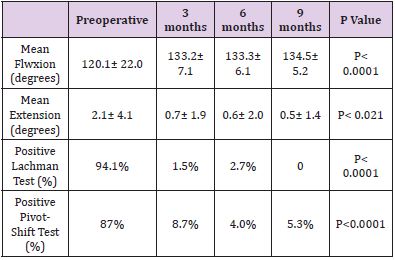
Ninety-four patients, 21 females and 73 males, with a mean age of 29.4 ± 8.7 years met the criteria and were analyzed. Demographic details are provided in (Table 1). Causes for primary ACL failure were mainly sport injuries (50% of the cases). Seventyeight patients (83%) underwent two-stage revision and the type of graft used during the reconstruction was mainly semitendinosus tendon (smt) in 45% of the cases. Majority of the patients (92.6%) received greater than 2 dowels during their surgery. Baseline surgical characteristics are presented in (Table 2). No major complications were reported. No signs of dowels degradation were observed at the host bone/graft junction on the CT images. Average postoperative knee flexion and extension significantly improved compared to preoperative (P< 0.0001 and P< 0.021 respectively). Lachman test and pivot-shift test were significantly improved when compared with preoperative status (p < 0.0001), (Table 3).

biomedres-openaccess-journal-bjstr

Table 1: Demographic characteristics of study patients.

biomedres-openaccess-journal-bjstr

Table 2: Baseline surgical characteristics.

biomedres-openaccess-journal-bjstr

Table 3: Analysis of the results of the active flexion and extension, Lachman test, and pivot-shift before surgery and at 3, 6 and 9 months after surgery.

Discussion

Revision ACL reconstruction is a challenging procedure due to bone defects caused by material removal, malpositioned primary reconstruction tunnels, or tunnel widening. Bone tunnel widening estimated to occur in greater than 30% of the ACL reconstruction, can result in insufficient stability and fixation during revision surgery [5,9].Several techniques for grafting the bone tunnels in a staged ACL revision procedure have been used, including synthetic bone graft substitute plug, allograft chips, struts, or iliac crest autograft bone dowels [6,7].Because of their osteoinductive, osteoconductive, and osteogenic properties, autogenous grafts are considered the gold standard for tunnel-grafting [10]. Harvesting iliac crest autograft, on the other hand, is an invasive procedure which may result in donor site morbidity [11]. Allografts have been shown to be a reliable alternative to the autogenous graft with good clinical and radiographic results [8,12]. However, the use of bone allograft may be associated with some risks such as: viral transmission of hepatitis or human immunodeficiency virus, slower integration rate than autograft, alteration of structural and mechanical properties due to sterilization methods.

The bone allograft dowels used in this study were derived entirely from living donors’ femoral heads, which were collected after hip replacement surgery and processed using supercritical CO2 extraction technology. Supercritical fluid extraction is widely used in the pharmaceutical and food industries for the splitting, extraction, and decontamination of organic materials. The Supercrit® process combines a degreasing step with supercritical CO2 and a gentle chemical oxidation of the bone network’s residual proteins. Preclinical studies have shown that this process applied to bone has neutral effects on the bone tissue composition, preserves its architecture and mechanical properties, particularly its high wettability, and thus improves performance [13-16]. This study showed favorable healing of the allograft bone dowels on CT imaging, with good final outcomes in terms of stability of ACL graft, comparable with published literature [8,12]. No dowel degradation nor major complications were noted, despite allograft related risks.

Conclusion

Although further research is necessary, this retrospective data analysis showed that reconstruction of ACL lesions using the supercritical CO2 processed bone allograft dowels resulted in satisfactory graft integration and a good stability of the knee joint with no major complications.


For more Articles on: https://biomedres01.blogspot.com/

Tuesday, October 28, 2025

Effects of Malnutrition on the Psychomotor Development of Children


Effects of Malnutrition on the Psychomotor Development of Children

Introduction

According to the WHO, nutrition is food intake in relation to the dietary needs of the body; good nutrition is essential for good health. This allows an integral development of the infant, adequate physical condition and good development of skills and abilities. The clinical spectrum of malnutrition will then imply the delay in the development of all these skills and of importance will limit the psychomotor process versus one in patients with adequate nutrition. In this small review we will address the importance of adequate nutrition for development during the first years of life and even the scope that this has in adult life, we will comment on the possible damages caused by it during neurological development and we will emphasize its importance on, specifically, psychomotor development.

Methodology

A systematic literature search of the updated medical literature on the importance of malnutrition in the psychomotor development of children was carried out, using data such as: Pubmed, Sciencedirect and Google Scholar. Descriptors such as malnutrition, neurological development, psychomotor development were used. Both review and original articles were used, taking into account that their year of publication was less than 5 years.

Results

During the early stages of life, physical growth is affected by the nutritional and therefore nutritious procedure that is had, with positive or negative implications on the abilities and abilities that the child develops even in his adult life, both in areas of emotional, cognitive, psychomotor and linguistic interest [1]. Malnutrition is considered a public health problem, mainly in low- and middleincome countries, which generates economic, social and health complications for the families involved, at the community level and at the national level. It has the potential to impair children’s neurological development in the short, medium and long term [2,3]. Approximately 1 in five children in the world suffers from malnutrition and the complications associated with it, such as the presence of widespread inflammation and multiple infectious diseases. Although there are early and currently improved interventions, neurodevelopmental deficiencies continue to be observed, with decreased IQ, school performance and inappropriate behaviors for the rest of life [4]. To define it systematically, malnutrition is stunting below -2 standard deviations of the Z score of height for age and low weight, below -2 standard deviations of the Z score of weight for age.

Among the most important, severe malnutrition (stunting < three standard deviations below the Z score of height for age) and severe underweight (< three standard deviations below the weightfor- age Z-score) are considered to be most related to negative effects on neurological development [2]. From the gestational period, and without taking into account the sociocultural and economic sphere, all nutritional measures should be in place to guarantee the development of the individual in training. A low level of micronutrient intake can lead to disease, disability and increase the risk of morbidity and mortality [3]. It is for this reason that the phenomenon of malnutrition must be seen as a complex that involves not only food but also encompasses factors such as the mother’s education, residence, number of children, basic sanitation, wealth and other determining factors in the possibility of feeding and feeding her own. In the field of neurodevelopment, malnutrition is able to affect psychomotor development taking into account from body movements and mental or symbolic representations, affective development affecting emotions, sensations and feelings, and cognitive development in which intelligence, attention, memory, thinking and perception are involved [3]. It has been shown that, among the most important micronutrients that are related to adequate neurological development is iron.

Its deficit in the period of pregnancy until the first 2 years leads to alterations in sensory, motor, cognitive and language functioning [5]. Physiologically, from the third week of gestation the central nervous system is developed and depending on the moment in which nutrition is limited, the growth of neurological structures important for psychomotor development will be affected by altering their morphology and metabolism. The hippocampus, cortex and cerebellum can be affected, the production of neurotransmitters is decreased, the myelination process is affected and with it nerve conduction, axonal degeneration occurs, intracranial volume is reduced [1]. In the first years of life, the growth of the brain can reach almost its entirety which allows psychomotor development, including postural behaviors, coordination, locomotion, reflexes, control of the muscles and with it the development of fine and gross motor skills. For all the above, one of the most important pillars is the nutritional status, therefore, a deficit or excess of micronutrients will affect the overall functioning of motor or cognitive functions [2].

Discussion

According to reports from the World Health Organization (WHO) in 2019, malnutrition and overweight/obesity are public health problems that coexist in much of the low- and middle-income countries and have the potential to affect neurological development, especially in children under 60 months [2]. Suryawan, et al. [2], conducted a systematic review of approximately 26 articles to study the impact of malnutrition and overweight/obesity on cognitive aspects of neurological development for children aged 0 to 60 months incomparison with normonourides. In it, they showed that the Z-points of height for age and length for age are associated with elements of cognitive functioning such as attention, time to walk correctly, mathematical and linguistic skills, even choice of partner in adulthood, which implies the importance of adequate nutrition early in life [2]. In 2019, Calceto-Garavito, et. they conducted a systematic review of databases to study the relationship between nutritional status and the cognitive and psychomotor development of children in early childhood. The authors concluded that both intellectual capacity and motor development depend on the nutritional status of infants and therefore there is a close relationship between the two [3].

Zamudio and Herrera-Guzmán, 2014, evaluated psychomotor alterations regarding malnutrition before and after their treatment in children aged 3 to 6 years compared to healthy children and found that despite observing improvement in their psychomotor functioning when treating malnourished children, it was of no significant value compared to that of healthy children. Therefore, despite an adequate treatment, this does not imply per se improvement and preventive programs are the ones in which we must apply more strength [3]. There are also studies examining the association between maternal nutrition during the gestation period and subsequent neurological development in the child. Cortés, et al. [1], analyzed 84 studies with which they can conclude that inadequate intake of nutrients during pregnancy is associated with brain defects, increased risk of abnormal behavior, neuropsychiatric disorder, impaired cognition, visual impairment and motor deficits. [6-10]. Another study evaluated the impact of nutritional supplements on the cognitive development of children in developing countries. The meta-analysis evaluated 48 studies with approximately 29,800 patients where they show that child nutritional supplementation improves the cognitive development of children, especially with more than 5 nutrients, prenatal supplementation does not improve cognitive development except when implemented during the first trimester. The authors conclude that infant nutritional supplementation is beneficial for cognitive development but could be optimized by providing multiple nutrients; prenatal supplementation should target pregnant women in the first trimester for better cognitive benefits [10-17].

Conclusion

Malnutrition is a world-class public health problem. It is capable of affecting the neurological development of children and lasting their effects into adulthood. One of the main factors that influence the above and that goes hand in hand with it is the socio-family context, since it is inherently able to contribute to the persistence of bad nutritional habits which makes the cycle persist. That is why health policies should be aimed at improving both the food aspect and offering social and educational support that helps to face this problem. It is clear and demonstrated through studies that micronutrient deficiency, especially iron, causes damage to neurological structures that will ultimately lead to negative effects on psychomotor, affective and cognitive development.


For more Articles on: https://biomedres01.blogspot.com/

Friday, October 24, 2025

Supercritical CO2 Processed Bone Allografts in Implantology Treatment


Supercritical CO2 Processed Bone Allografts in Implantology Treatment

Introduction

Allogeneic bone grafts, whether fresh, frozen, or freezedried, have several advantages, including reduced surgical morbidity, shorter operating times, and greater availability and quantity compared to autogenic bone [1,2]. Histological and histomorphometric results show that allogeneic bone has osteoconductive properties like autogenic bone [3]. The supercritical CO2 processed bone allografts (Supercrit®, BIOBank, 3, rue Georges Charpak - 77127 Lieusaint – France) are derived exclusively from human femoral heads collected from living donors who have undergone hip replacement surgery in accordance with European regulations. The femoral heads are cleaned and viralinactivated using supercritical CO2 extraction process. A terminal gamma irradiation step at 25 kGy renders the packaged bone grafts completely sterile. The process has no effect on the mineral and collagen composition of the bone matrix, preserving trabecular bone tissue integrity and mechanical strength comparable to fresh bone. As a result, the treated bone allograft has osteoconductive properties [4-8]. The aim of this case series is to demonstrate that bone augmentation with the supercritical CO2 processed bone allograft is a valuable treatment option.

Materials and Methods

Patient

Between September 2018 and February 2019, thirty-seven (37) patients received the Supercrit® processed bone allografts for:

Maxillary sinus augmentation in 12 cases.

Alveolar ridge augmentation in 25 cases.

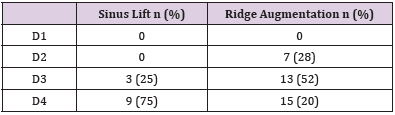
Patients’ demographic information is detailed in Table 1 below:

biomedres-openaccess-journal-bjstr

Table 1: Type of bone defect (D1= mostly dense to D4 = least dense).

Table 1 Demographic characteristics of study patients. The bone density was mainly D4 in sinus lift group (75%) and D3 in Ridge augmentation cases (52%) according to Misch classification. (Table 1 below).

Graft Material

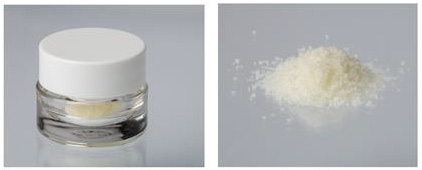
The graft material used was the BIO Bank cancellous bone allograft powder. The allografts were prepared from living donor femoral heads treated by the supercritical CO2 process through degreasing steps and a gentle chemical oxidation of the residual proteins with preserved bone architecture. Before sinus or alveolar ridge filling, the bone allograft powder packed in syringe or vial (Figure 1) was hydrated using Metronidazole 0.5% solution (B-Braun).

biomedres-openaccess-journal-bjstr

Figure 1: Super critical co2 processed cortico-cancellous bone allograft power used.

Surgical Technique

All the surgical procedures were performed by the same surgeon. All sinus lift procédures were performed using the open technique, with access to the anterior sinus wall. After creating a bone window, preparing the Schneider membrane, and drilling holes for implants, the bone allograft mixed with PRF was placed under the Schneider membrane, before placing the implants. The hole was then covered with a collagen membrane and sutured. The healing and regeneration time was 5-6 months (depending on the height of the alveolar process at the implantation sites). The ridge augmentation technique was done through the following steps: incision and detachment of a full-thickness flap, preparation of the graft bed by perforation (bleeding), in the case of a thin cortical layer - decortication then application of the allograft mixed with PRF. The graft was then covered with a collagen membrane, stabilized with titanium pins, the flap mobilized before suturing.

Patients Received the Following Prophylactic Médication

Amoxicillin 625 mg twice a day, started 2 days before the procedure, and continued the day of surgery and 4 days after. In cases where the level of Vit D3 in the blood test was too low (below 30 micrograms) - supplementation was carried out with doses ranging from 4,000 to 8,000 daily, until the correct level was obtained. All patients were assessed preoperatively to determine both their dental and general health status, and the following assessments were performed at the post grafting visits:

Outcome Measures : Implant survival defined as:

The implant is present, functional, and stable.

No radiolucencies areas around the implant

No persistent and/or irreversible subjective and objective clinical signs (suppuration or pain).

Any complications such as chronic pain, infection

Radiographic Analysis : Radiographic analysis was performed using cone-beam computed tomography (CBCT) and/or panoramic radiographs taken before and after grafting and at mid-term follow up. Software programs were used to calculate bone height in millimeters.

Statistical Analysis : Statistical analyses were carried out in IBM SPSS Statistics 26 (SPSS Inc. Chicago, USA). All included cases were reviewed, and the summary statistics were analyzed as means (standard deviations) for continuous variables and percentages for categorial variables.

Results

Overall Results

Thirty-seven (37) patients received the bone allografts for:

Maxillary sinus augmentation in 12 cases.

Alveolar ridge augmentation in 25 cases.

In total, 63 implants were inserted, 15 after sinus lift and 48 during ridge augmentation surgery. No complications were recorded during surgery. All the implants displayed primary stability. Radiologic results showed mean marginal bone height of 15.8 mm (range: 10 to 25 mm) postoperatively for the ridge augmentation group and mean 11.6 mm (range: 8 to 16 mm) postoperatively for maxillary sinus lift group. A total of 3 implants failed due to non-osteointegration and were removed: 1 implant failed at position 16, probably caused by too short healing time; 2 implants failed at positions 47 - 45 following huge inflammation around both implants due to undefined reasons.

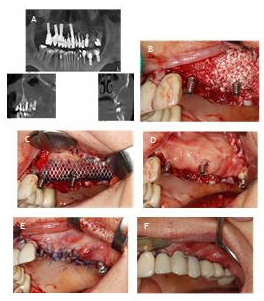
Clinical Cases

biomedres-openaccess-journal-bjstr

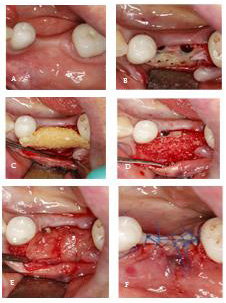
Figure 2:

A) Clinical situation before surgery.

B) Implantation 35,36, bone formation.

C) Cortico-cancellous bone BIO Bank mixed with PRF.

D) Graft in a proper position.

E) Covering the graft by PRF membrane.

F) Suturing.

Case 1: A 57-year-old female patient presented at the Implantology and Dental Centre for the replacement of her teeth 35,36, lost a few years earlier due to caries. The CBCT (Galileos, Sirona) examination showed a defect in the mandibular process at the level of 35, 36 on the buccal side. The procedure was performed under local anesthesia with Ubistesin (3M) 4% forte. After preparation, the full-thickness flap, 2 implants 11.5 mm long and 4 mm in diameter were placed. Due to the slight exposure of the implant at position 36 and the thin bone plate from the atrium side, it was decided to improve the anatomical conditions by widening the process in this area using cortico-cancellous bone allograft. After perforation of the compact layer (cortical bone), the bone allograft mixed with PRF preparation was placed. Thanks to this, among others, a more stable form of transplant. The graft was then covered with 3 layers of PRF membrane (PRF fraction A) and sutured tightly with mattress and single sutures (Figure 2). Healing was uneventful. A follow-up CBCT examination was performed after 5 months. Full reconstruction of the graft was found, and the expected expansion of the alveolar bone was achieved. During the procedure of exposing the implants, an overgrowth of the newly formed bone tissue over the implants was evidenced (Figure 3).

biomedres-openaccess-journal-bjstr

Figure 3:

A. A, B, C) X-rays post op.

B. D, E) New formed bone 5 months post op.

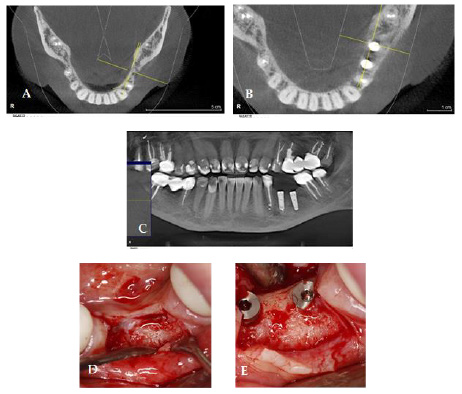
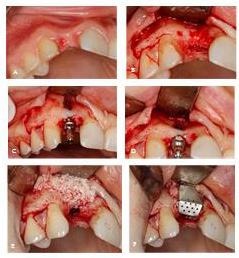
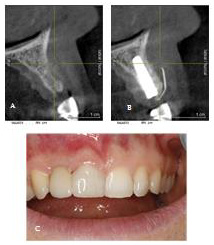
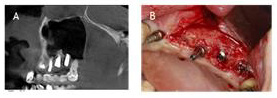
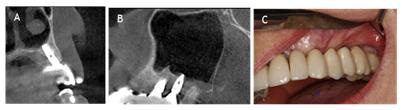
Case 2: A 47-year-old Woman presented at the Implantology and Dental Centre with the loss of tooth 12, due to an injury a few months earlier. Clinical examination revealed a defect in the maxillary bone at the level of tooth 12, especially on the labial side. The CBCT (Galileos, Sirona) examination was performed for a detailed analysis, which confirmed a significant bone loss. The CBCT examination in the sagittal plane shows the exposure of the implant, which does not threaten its good stabilization.The procedure was performed under local anesthesia with Ubistesin 4% forte (3M)/Articaini hydrochloridum 40 mg + Epinephrini hydrochloridum 0,012 mg/ml). After preparation of the full thickness flap, a Conelog (Camlog) implant 13 mm long and 3.3 mm in diameter was inserted in position 12 and tightened with a force of 35 Ncm. As predicted earlier, its exposure was found in the upper part. When making the implant hole, it was possible to partially preserve the bone plate in the paraventricular area. The bone defect with the exposed implant was covered with pellets of cortico-cancellous bone allograph, mixed with centrifuged blood in the form of PRF. The labial graft was secured with the iGen (Megagen) titanium membrane, which was stabilized by screwing to the inserted implant. The flap was then sewn with single and mattress sutures (Figure 4). After 2 weeks, the sutures were removed, and the wound was completely healed. After 5 months, the titanium membrane was removed and a control CBCT was performed, which showed complete remodeling of the graft. After another 6 weeks, the target prosthetic reconstruction was made of an all-ceramic crown (Figure 5). During the follow-up visits at 1 month, 3 months and every 6 months, the PD measurement was 0 - 0.5 mm. Three years after the procedure, a control CBCT of approx. 12/5.5 x 5cm/(Axeos, Sirona) confirmed the reconstruction of the graft. High resolution image obtained thanks to the limitation of the imaging field allowed to accurately visualize the structure of the newly formed bone. The patient has control visits every 6 months and regular hygienisation procedures.

biomedres-openaccess-journal-bjstr

Figure 4:

A. A, B, C, D) Before and during surgery-implants exposure.

B. E, F) Cortico-cancellous particles BIO Bank regeneration with titanium mesh.

biomedres-openaccess-journal-bjstr

Figure 5:

A) Initial Situation.

B) 5 months post op.

C) Full ceramic crown12.

Case 3: A 50-year-old man presented

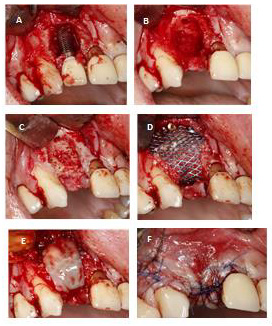
Case 3: A 50-year-old man presented to the Implantology and Dental Centre with inflammation around his implant in position 12 implanted 2 years earlier in another clinic. The patient confirmed that the inflammation occurred about 1 year after his surgery and was treated unsuccessfully by pocket cleaning and antibiotics. Our clinical examination followed by CBCT confirmed the diagnosis of large bone loss around implant 12 with pocket depth of 9-11 mm and instable implant (Figure 6A).

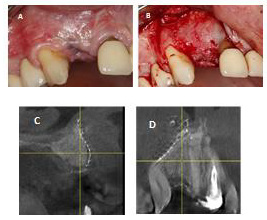
The Following Treatment Plan was Executed: Explantation of implant 12 followed by cleaning the bone from granulation tissue and regeneration with the cortico-cancellous bone allograft mixed with PRF and covered with titanium mesh (Figures 6B-6F). The Antibiotherapy was Amoxicillin 625mg 2 x 1 tab per day, 7 days. After 7 months, the titanium mesh was removed and the clinical and radiological examination showedvery good bone regeneration, adequate bone volume and quality (Figure 7A-7D).

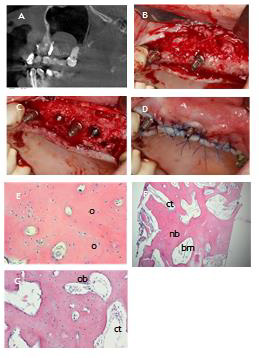
Case 4: A 56-year-old female presented to the Implantology and Dental Centre with mobility and periodic pain in the jaw on the left side.The clinical examination confirmed the mobility of teeth 22,23,24,25,26, second and third degree, periodontal pockets, 4 - 9 mm deep, when probing the effusion of purulent blood. The CBCT confirmed extensive changes around the roots of the teeth 22,23,24,25,26 and 90% shading of the left maxillary sinus (Figure 8A).

biomedres-openaccess-journal-bjstr

Figure 6:

A) Bone loss around implant.

B) Situation after explanation.

C) Bone perforation.

D) Cortico-cancellous bone mixed with PRF and covered with titanium mesh.

E) Mesh covered with PRF membrane.

F) Suturing.

biomedres-openaccess-journal-bjstr

Figure 7:

A) Situation after 7 months. Small exposition of titanium mesh,

B) New bone 7 months after regeneration.

C) C and D) CBCT scans after 7 months.

biomedres-openaccess-journal-bjstr

Figure 8:

A) Chronic inflammation on left sinus lift,

B) Cortico-cancellous particles of BIO Bank graft generation.

C) 2 temporary implants 23,25 for temporary restoration, with the graft coveredy by titanium mesh.

D) PRF membrane in place for better wound healing.

E) Wound suturing.

F) Composite temporary restoration.

3-Stage Treatment Plan was Implemented: During the first stage, the bone defects were removed, the bone bed cleaned and filled with cortico-cancellous bone allograft mixed with PRF, and 2 temporary implants were placed to create a temporary bridge; the graft was secured with a titanium mesh stabilized with titanium pins, the mesh covered with a PRF membrane, and the wound sutured. After wound healing, a temporary bridge (Telio) was placed, attached to 2 temporary implants to support the lack of teeth 22-26 (Figures 8B-8F). Approximately 4 weeks after the surgery, the titanium mesh was slightly exposed, with visible proper epithelial tissue formation under the mesh. Therefore, only careful hygiene was recommended, rinsing with chlorhexidine / 0.2% Chlorhexidine.

A control CBCT was performed 5.5 months after the procedure to confirm correct graft healing and the reduction of shading of the maxillary sinus by approx. 50% compared to the previous state. The second stage of treatment was then performed by removing the titanium mesh and inserting 3 implants at position 23,25,26 (Figures 9A-9D). Before placing the implants, bone fragments were collected for histological examination with a punch with a diameter of 2.5 mm, which contained both the primary alveolar bone and the newly formed bone resulting from the allograft regeneration procedure (Figures 9E-9G). Then the InKone Primo / Global D / implants were placed. Primary stabilization was achieved between 35 and 50 Ncm. Healing was uneventful. Temporary implants and the Telio bridge were allowed to fully heal. 5 months later, a control CBCT was performed to confirm complete resolution of the maxillary sinus inflammation. The radiologically correct healing of the implants and the preserved level of the regenerated bone tissue were also confirmed (Figures 10A & 10B). Implants exposure procedure performed. The Osstell measurement was 67 - 78 ISQ. Two weeks after the exposure, a prosthetic reconstruction was made of an all-ceramic zirconium bridge (Figure 11).

biomedres-openaccess-journal-bjstr

Figure 9:

A) A)Maxillary sinus 5 months after ridge regenarationwithout any penetration into the sinus.

B) Alveolar ridge 5 months after regeneration.

C) C,D) Implantation 23,25,26 and suturing.

D) E,F,G) Histology showing almost completely rebuilt allograft with only small particles of allograft visible. spaces filled by bone marrow and connective tissue. O:osteocusts; Ob:osteoblasts; nb:new born; ct:connective tissue; bm:bonemarrow.

biomedres-openaccess-journal-bjstr

Figure 10: A, B) Alveolar ridge 10 months after regeneration.

biomedres-openaccess-journal-bjstr

Figure 11:

A) A, B) Maxillary sinus completely healed.

B) Final prosthetic reconstruction.

Discussion

Bone allografts have been shown to be suitable alternative to autografts for bone regeneration during dental surgeries such as ridge preservation or maxillary sinus elevation. Most of the available bone allografts (Freeze dried bone allograft, demineralized freezedried bone allograft) are derived from cadaver bone treated using different methods such as physical debridement to remove soft tissue, ultrasonic washing to remove remnant cells and blood and the use of strong organic solvents for delipidation and viralinactivation [9].In this case series, the bone allografts used is exclusively derived from living donors’ femoral heads collected after hip replacement surgery and processed by supercritical CO2 extraction technology. This technology is often used in the pharmaceutical and food industries for the splitting, extraction, and decontamination of organic materials. The Supercrit® process is the combination of a degreasing step by supercritical CO2 and a gentle chemical oxidation of the residual proteins of the bone network. Preclinical studies, has demonstrated that this process applied to bone has neutral effects on the bone tissue composition, resulting in its architecture and mechanical properties preservation, particularly its high wettability, thus increases the performance [7,8,10].

The results of our histological examinations performed mainly after sinus lift procedures before planned implantations are particularly relevant. In these cases, the bone fragments collected with a punch (Trephine Ejection Kit by Prof. Dr Fouad Khoury) showed both the patient’s own bone (from the alveolar level) and the newly formed bone (sinus level). The results were particularly valuable because the sinus lift graft had a very limited contact with the patient’s own bone, and yet, histological examinations revealed up to 85% of new bone tissue produced within the graft. These results are consistent with the recently published data on this type of allograft [11,12].

Conclusion

The clinical, radiological, and histological results in our cases support the very high regenerative potential of the Supercritical CO2 processes allografts preparations. Although the bone allograft showed good histological result in terms of newly formed bone and residual graft material in the maxillary sinus elevation in our case series, longer term histological studies will be needed to understand better resorption modalities and times.


For more Articles on: https://biomedres01.blogspot.com/

Soil Weed Seed Bank Dynamics After Two-Year of On-Farm Trials Under Conservation Agriculture in Bangladesh

  Soil Weed Seed Bank Dynamics After Two-Year of On-Farm Trials Under Conservation Agriculture in Bangladesh Introduction While Conservation...