Showing posts with label Journals on Infectious Diseases Addiction Science and clinical pathology Bio-psychological Medicine Journals on Vaccination Journals on Regenerative Diseases Journals on Neuro Imaging. Show all posts

Friday, October 7, 2022

Successful Treatment of a Chronically Infected and Occluded Aorto-Bifemoral Dacron® Bypass with Bacteriophages

Successful Treatment of a Chronically Infected and Occluded Aorto-Bifemoral Dacron® Bypass with Bacteriophages

Background

In vascular surgery, infections of the vascular grafts are considered to be severe complications [1]. Especially infections of aortic grafts are associated with a high morbidity and mortality of up to 75 % [2]. Since these procedures are often performed in patients with multiple comorbidities, the required explantation of the infected graft and the extensive struggle with the related abdominal infection is related with an early postoperative morbidity and mortality of even over 20 % [3]. Despite the initial achievement of a successful treatment, the general rate of reinfection can be up to 20 % of cases [4]. This is mainly due to bacterial colonies embedded in the peri-prosthetic tissue, which then form a surface-adherent biofilm and hence have an up to 1000-fold greater resistance to antibiotic administration [5]. Even a targeted antibiosis appropriate to antimicrobial susceptibility testing can only suppress a graft infection but does not constitute a curative treatment option [6]. The most common pathogenic bacteria associated with graft inflammation are Staphylococcus aureus, Staphylococcus epidermidis and other coagulase-negative staphylococci, Enterobacterales, Pseudomonas aeruginosa and corynebacteria [7]. These bacteria regularly enhance their specific virulence by attaching to the prosthetic material, and hence averting the local immune response by forming biofilms, that hinder phagocytosis. Furthermore, systemic antibiotic therapy is often inadequate due to the lack of effective saturation concentrations within the inflammatory periprosthetic tissue. In order to reduce the morbidity and mortality associated with the often inevitable surgical treatment, less invasive approaches to adequately treat the infection of the surrounding tissue are urgently needed. In this context, bacteriophages and their bacteriolytic activity are a promising therapeutic option.

Case

In November 2020, a 66 year-old male patient was referred to the emergency ward by his general practitioner with the clinical symptom of an acute abdomen. The examination revealed ubiquitous tenderness on all quadrants with peritonism in the lower abdomen. An infection with SARS-CoV-2 was ruled out. Further examination showed an elevated body temperature of 39.2 °C, and blood testing revealed a leukocyte count of 9.4 x 10⁹/l, as well as an elevated serum C-reactive protein of 90.2 mg/l. The chest X-ray depicted no evidence of pneumonia. An endocarditis was ruled out. Calculated antibiotic therapy with ampicillin/sulbactam was started in the usual dosage intravenously. Blood cultures were positive for Methicillin-susceptible Staphylococcus aureus. Secondary findings included the status of ubiquitous arterial occlusive disease. Due to the necessity of numerous vascular operations on both legs, the patient had eventually undergone a thigh amputation on the right side 12 months earlier; the left side revealed a chronically occluded polytetrafluorethylen (PTFE) Stockmann bypass still in situ.

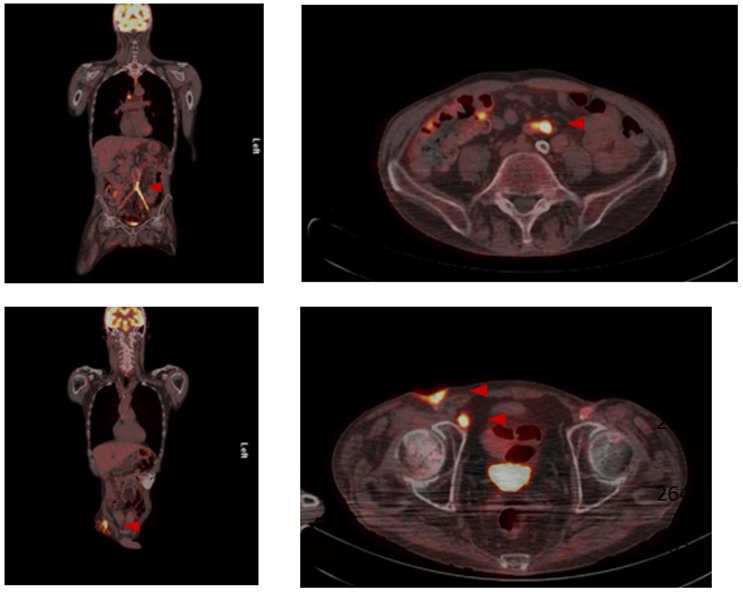
After various transfemoral surgical recanalization attempts in the anamnesis, there were hostile tissue conditions bifemoral with a chronic wound infection leading to exposed graft material. Wound swabs exposed the presence of Staphylococcus aureus and Escherichia coli, indicating a polymicrobial infection. The peripheral blood flow of the lower limbs was compensated. Initially, a CT scan of the abdomen was performed, whereupon an occluded and infected aorto-bifemoral graft was assumed. The subsequently performed PET- CT scan displayed a visibly increased metabolic activity in the area of the graft, so that we diagnosed a chronically occluded and infected aorto-bifemoral prosthetic bypass with subsequential bifemoral infections, leading to the cutaneous wound healing disorder (Figure 1). Due to the patient’s comorbidities, we generally intended an operation and anesthesia time as short as possible with an efficacious treatment by explanting the prosthetic bypass. Further we planned to forego a lavage program for the septic abdomen and intended a primary closure of the abdomen.

In order to treat the local inflammation in the abdominal and femoral areas in the long term intra- and postoperatively, the use of bacteriophages was considered to be plausible alternative therapy option in this case. The patient himself favored an alternative solution compared to an indefinite lasting systemical antibacterial treatment. Therefore, an experimental approach using local bacteriophage application was intended as a last resort treatment in line with Article 37 of the Declaration of Helsinki and in unity with the local ethics committee (A 2021-0208).
biomedres-openaccess-journal-bjstr

Figure 1: Preoperative PET-CT.
Preoperative PET-CT imaging with increased metabolic activity in the area of the aortobifemoral Dacron® bypass as well as the enhancement surrounding the femoral chronic wound infection.

Bacteriophage Treatment

As a curative therapeutic strategy an intra and extra abdominal application of SniPha 360 (Phage24.com, Austria) was executed. SniPha 360 is a commercially available bacteriophage cocktail of lytic bacteriophages against Escherichia coli, Staphylococcus aureus, Pseudomonas aeruginosa, Streptococcus pyogenes, Proteus vulgaris and Proteus mirabilis. After outlining the potential risks but also benefits of the experimental procedure, the patient consented to the therapy. When performing the relaparotomy, cloudy fluid appeared within the abdomen. After an initial lavage, the retroperitoneum was opened, and the proximal aorta was prepared for clamping. The aorto- bifemoral Dacron® prosthesis presented a shell of a biofilm and was embedded in putrid fluid. The infected aortic prosthesis was extirpated, and the aorta was then sutured over. The prosthesis was retrieved femorally after mobilization of the legs of the prosthesis. The bacteriophage suspension was instilled on Tabotamb-Snow®, which was placed retroperitoneally around the infection.

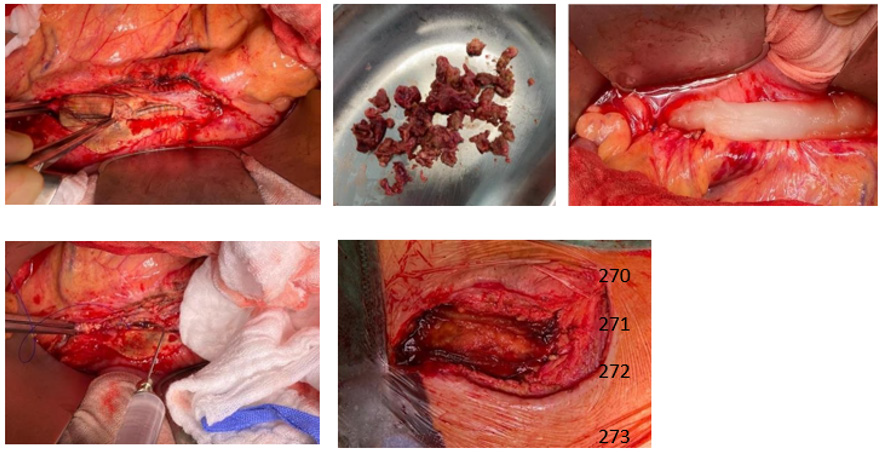
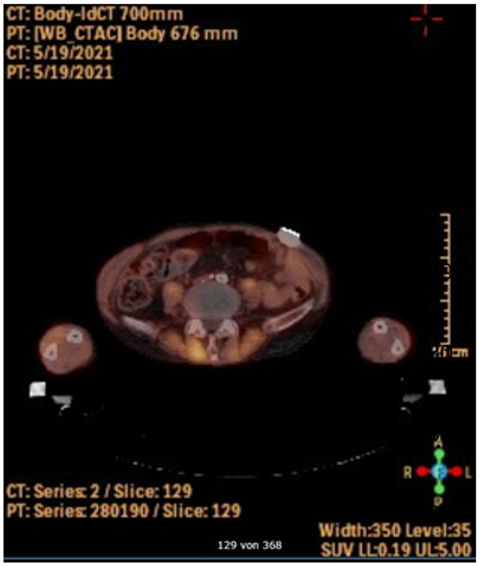
The retroperitoneum and abdomen were primarily closed without further drainage. After removing the femoral anastomoses, the wound conditions were debrided, mobilized and lavaged with a sharp spoon. A bacteriophage-soaked fleece was then placed bilaterally on the femoral side by the same principle, and the wounds were closed again without further drainage (Figure 2). The operation time was 52 minutes, without significant blood loss. Subsequently the patient could be taken to the intensive care unit and extubated without the need for catecholamines. After 10 days of hospitalization, the patient could be discharged with subjective well-being, irritation-free wound conditions and normal findings for inflammatory values in the blood. PET-CT imaging at three months post intervention did not show signs of infection enclosing the aorta or both femoral regions (Figure 3).
biomedres-openaccess-journal-bjstr

Figure 2: Intraoperative images
Intraoperative pictures showing infected aorto-bifemoral Dacron® bypass. Bacteriophage suspension application on a Tabotamb-Snow®, which was placed retroperitoneally.
biomedres-openaccess-journal-bjstr

Figure 3: Postoperative PET-CT
Postoperative PET-CT imaging showing no increased metabolic activity surrounding the bypass.

Discussion

This case demonstrates a successful treatment of a chronically infected occluded aorto-bifemoral Dacron® bypass by a local bacteriophage application. It is assumed that around 50-65% of prosthesis infections are a result of bacterial contamination during surgery [7-10]. A general distinction is made between early (up to 30 days postoperatively) and late infections, although the classification is arbitrary [7,10,11]. Early prosthesis infections are often assumed to be a consequence of intraoperative contamination and late infections to be a result of hematogenous bacterial spread, but profound evidence for this is limited. Late infections are usually caused by insufficient tissue integration of the prosthesis into the graft bed. Common pathogenic agents are staphylococci, enterobacteria and corynebacteria [7,10]. Bacteriophages (or simply ‘phages’; Greek: “bacteria eater”) are viruses that selectively infect bacterial cells and were first described in 1917 by the Canadian Félix Hubert d’Hérelle [12].

Currently Bacteriophages are known as a potent anti-bacterial treatment due to their lytic activity [13]. They are considerably stable when exposed to the inflammatory environment and contribute significantly to the regulation of global bacterial mass. A bacteriophage can only multiply where its host is. They are highly specific and therefore predominantly affect strains within one bacterial species, rarely crossing species boundaries [14]. In the first (lytic) cycle of viral reproduction, phages kill their corresponding bacteria through lysis: once infected, the bacterium host cell then starts the process of reproduction, the destruction of the bacterium, and the release of new phage particles; this process is controlled by enzymes and an interaction of bacterial and phage genes. In the second (lysogenic) cycle, the bacteriophage nucleic acid is integrated into the host bacterium’s genome or forms a circular replicon in the bacterial cytoplasm. Compared to other antibacterial therapeutic strategies like local Rifampine treatment [6], no cytotoxic effects on vascular cells could be found for bacteriophages [15].

In addition, they are effective on multi-drug resistant bacteria as well as biofilm-organized bacteria. Recently, in a case series of eight patients with infections of vascular grafts, surgical wounds or implanted medical devices further demonstrated the feasibility of using different bacteriophages with lytic activity for successful treatment of bacterial infections [16]. Although bacteriophages were used for successful treatment of infections of vascular implants, bacteriophage treatment is still not common and not an officially recommended option for infections in the westernized hemisphere [17]. The retro- and intraabdominal application of phages directly to the infection site ensured a maximum concentration, contact time and invasion of the bacteriophages into the infected peri graft tissue. We were able to perform a short operation time, a definite treatment in respect to complete skin/wound closure and the forego of any drainages. No bacteriophage related clinical adverse events had been detected in our case. A three-month follow-up PETCT scan revealed no signs of infections. It could be assumed that the bacteriophage treatment was successful.

In order to treat the local inflammation in the abdominal and femoral areas in the long term intra- and postoperatively, we perceived the use of bacteriophages as an alternative therapy option in antibacterial local therapy. However, there is an ongoing follow-up for the patient to assure a lasting treatment success. In summary, this case report demonstrates that bacteriophage treatment could be a curative treatment option for patients with bacterial graft- and peri graft infections that are not suitable for extensive surgical approaches.

For more Articles on: https://biomedres01.blogspot.com/

Friday, August 5, 2022

Nutrition Knowledge, Dietary Diversity and Nutritional Status of Adolescents in Three Selected Local Government Areas of Ibadan Municipality, Nigeria


Nutrition Knowledge, Dietary Diversity and Nutritional Status of Adolescents in Three Selected Local Government Areas of Ibadan Municipality, Nigeria


Introduction

Adolescence is a transitional period from childhood to adulthood which normally begins with the onset of signs of puberty, physical and mental development, involving biological, social and psychological changes occurring between 10-19 years of age [1]. Of the 7.2 billion people in the world, about 1.2 billion are adolescents aged 10-19 years, making up 16 per cent of the world population [2]. They constitute about 25 per cent of Nigeria’s population [3] and are critical target population with regard to influencing global public health outcomes. Nutritional needs during adolescence are increased because of increased growth rate and changes in body composition associated with puberty [4,5]. The dramatic increase in energy and nutrient requirements coincides with other factors such as the quest for independence and acceptance by peers, increased mobility, greater time spent at school and/or work activities, and preoccupation with self-image, that may affect adolescents’ food choices and nutrient intake [4]. Due to urbanization, globalization and technological advancement, most adolescents in the urban regions are gradually moving from the traditional diets that are primarily derived from plant-based food sources which are low in fat and high in fibre, to more western diets that are energy dense, high in fats and sugars, and low in fibre; coupled with little or no physical activity. Population-based surveys have found that adolescents often fail to meet dietary recommendations for overall nutritional status and for specific nutrient intakes [6,7].

According to the report of Abdulkarim, et al. [8], 28.8% of adolescents are malnourished in Nigeria (13.2% overweight, 11.3% stunted, 2.6% obese, and 1.7% wasted) [8]. Adequate nutrition can play significant role in prevention of several chronic diseases, including obesity, coronary heart disease, and certain types of cancer, stroke, and type-2 diabetes [9]. To help prevent diet-related chronic diseases, researchers have proposed that healthy eating behaviours should be established in childhood and maintained during adolescence [10-13]. However, the relationship between nutrition knowledge, food habit, dietary diversity and nutritional status of in-school and out-of-school adolescents has not been adequately researched in Nigeria. This study therefore, seeks to provide information on in- and out-of-school adolescents’ nutrition knowledge, food habit, and dietary diversity in relation to their nutritional status.

Methodology

The descriptive cross-sectional study was carried out in three randomly selected urban Local Government Areas (LGAs) namely Ibadan North, Ibadan Northeast and Ibadan Northwest among the five LGAs in Ibadan municipality. A total of 450 (225 In-school and 225 Out-of-school) adolescents were recruited for the study. A Five-section pre–tested interviewer-administered, semi-structured questionnaire was used to collect data on socioeconomic, demographic and household characteristics, nutrition knowledge, dietary diversity and anthropometric indices of the respondents. Nutrition knowledge was measured on a twelve-point knowledge scale which was rated as ≤8 – poor knowledge, and ≥8 – good knowledge. Dietary diversity questionnaire was used to gather information on individual dietary diversity score (IDDS) of the adolescents using the FAO recommendations [14], by scoring the number of foods consumed from each of the 14 food groups. Anthropometric measurements were done using a stadiometer to measure height and weighing scale to measure weight.

Data were analysed using descriptive statistics, Chi-square test, t-test, ANOVA and correlation at p<0.05. Anthropometric data was analysed using WHO Anthroplus to obtain BMI-for-age according to the World Health Organisation (WHO) cut-off points [1]. Ethical approval for the study was obtained from the University of Ibadan/ UCH Ethical Review Committee. Permission to collect data was obtained from the Chairmen of the LGAs, LGA Education Inspector, School Principals, Heads of Motor Parks and Market Leaders. Additionally, informed consent was obtained from the respondents before the data collection.

Results

Socio-Demographic Characteristics of the Respondents

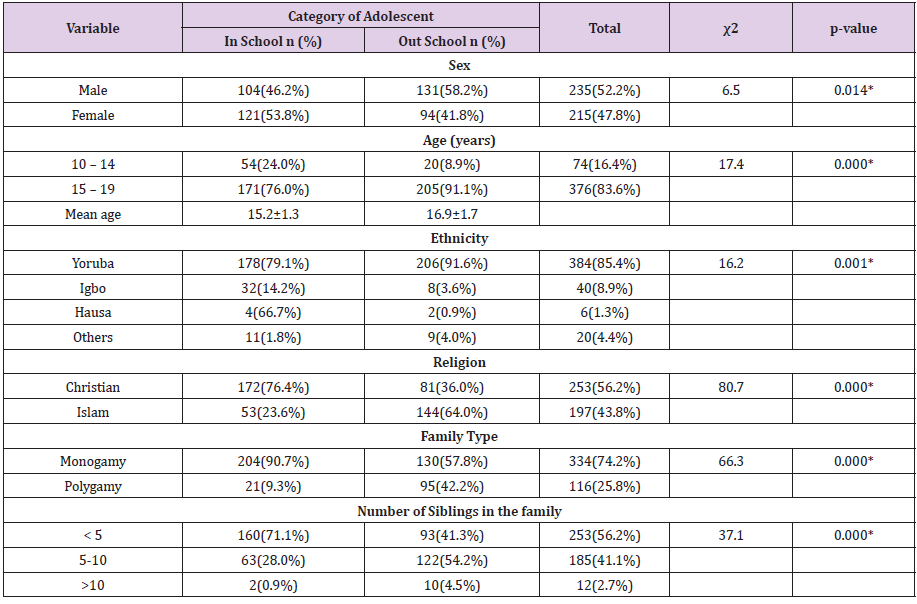
Table 1 shows the socio-demographic characteristics of the respondents. More than half (52.2%) of thee were male (46.2% in-school, 58.2% out-of-school) while female respondents were 47.8% (53.8% in-school, 41.8% out-of-school). Mean age of inschool respondents was 15.2±1.3 years, while that of out-of- school was 16.9±1.7 years. Majority (83.8%) of the respondents fell within 15-19 years age category (76.4% in-school, 91.1% out-of-school) while only 16.2% were within the ages of 10-14 years. Majority (85.4%) also were Yoruba, 8.9% Igbo, 1.3% Hausa and 4.4% other ethnic groups; with 56.2% being Christians, 43.8% Muslims, and 74.2% were from monogamous family with 56.2% having less than five siblings in the family. Socio-demographic characteristics were significantly associated with adolescent’s sex, age category, ethnicity, religion, family type and number of siblings for both inand out-of-school adolescents (p<0.05).

Table 1: Socio-demographic Characteristics of Respondents.

Note: * - Values are significantly different at p < 0.05;
n = number of respondents

Socio-Economic Characteristics of the Respondents

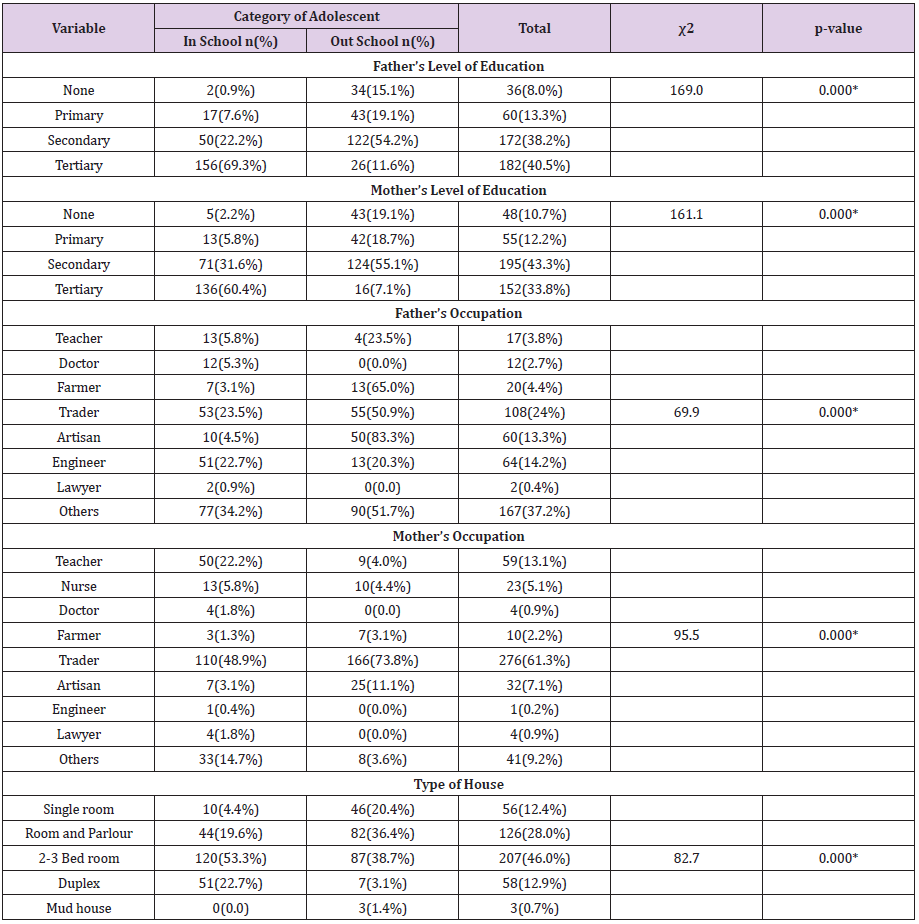
For the socio-economic characteristics of the respondents, 40.5% (69.3% and 11.6% in-school and out-of-school) of respondents’ fathers had tertiary education, 38.2% (22.2% and 54.2% in-school and out-of-school) had secondary education, 13.3% (7.6%, and 19.1% in-school and out-of-school) had primary education, while 8.0% (0.9% and 15.1% in-school and out-of-school) had no formal education, respectively (Table 2). The proportion of in-school respondents’ fathers and mothers who had tertiary education were significantly higher than that of out-of-school respondents’ parents (p<0.05). Majority of the outof- school respondents’ fathers were artisans (83.3%), or farmers (65%) or traders (50.9%), compared with 4.5%, 3.1%, and 23.5% for in-school respondents, respectively (p<0.05). Majority (61.3%) of the respondents’ mothers were traders (48.9% in-school, 73.8% out-of-school), 13.1% teachers (22.2% in-school, 4.0% out-ofschool), 7.1% artisans (3.1% in-school, 11.1% out-of-school), while 9.2% (14.7% in-school, and 3.6% out-of-school) were classified as others (p<0.05). Many (46.0%) of the respondents resided in 2 or 3-bedroom flats, 28.0% resided in room and parlour, while 12.9% and 12.4% resided in duplex building and single rooms, respectively. More of the in-school respondents resided in 2 or 3-bedroom flats and duplex (p<0.05), while more of out-of-school respondents resided in single rooms and room and parlour compared with inschool adolescents (p<0.05).

Table 2: Socio-economic Characteristics of Respondents.

Note: * - Values are significantly different at p < 0.05;
n = number of respondents

Household Characteristics of Respondents

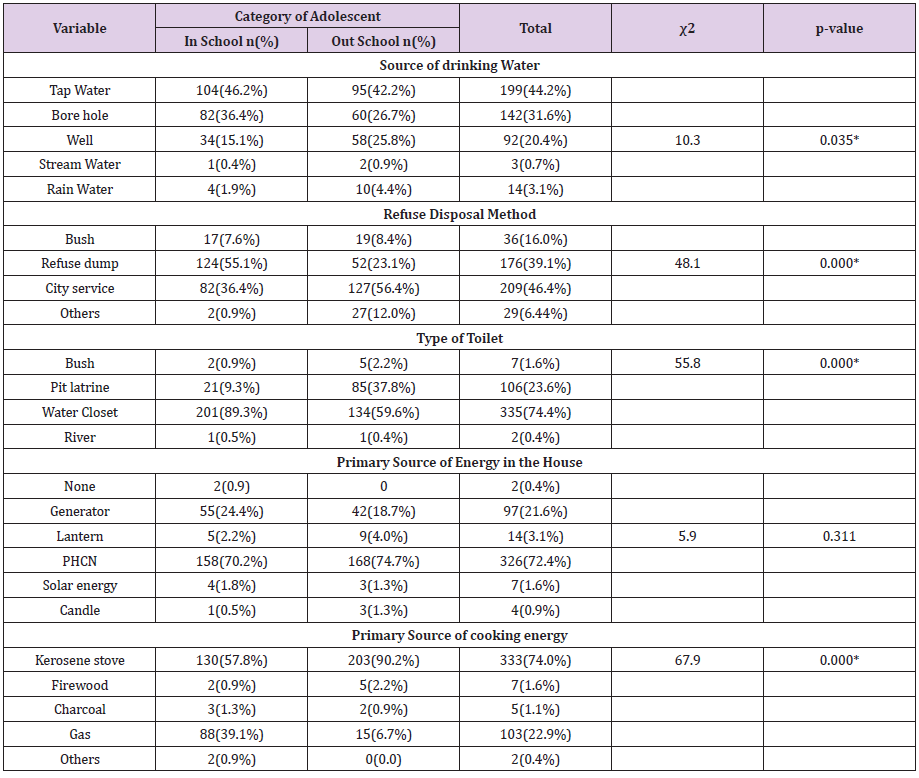
Table 3 describes the household characteristics of the respondents. Primary source of water of the respondents was mainly tap water (44.2%), followed by borehole ((31.6%), well water (20.4%) and rain water; with a higher percentage of families of in-school respondents using tap water and borehole (p<0.05), and higher percentage of out-of-school respondents using well and rain water (p<0.05). Almost half (46.4%) of the respondents made use of the city service as means of refuse disposal, while a higher percentage of the respondents (56.4%) from out-of-school compared to the in-school respondents (36.4%) (p<0.05); 39.1% (55.1% in-school, 23.1% out-of-school) made use of refuse dumps (p<0.05). Majority (74.4%) of the respondents made use of water closet, with a higher percentage from in-school respondents (p<0.05) while 23.6% made use of pit toilet, the out-of-school having higher percentage (p<0.05). Majority (72.4%) of the respondents depended on government source of electricity supply (PHCN) as the main source of energy, with no significant difference (p>0.05) between the in-school and out-of-school adolescents. Also, kerosene stove was the primary source of cooking energy for 74.0% of respondents with 90.2% coming from out-of-school while 57.8% was from the in-school respondents; while 22.9% used gas cooker, with higher percentage from in-school respondents (p<0.05).

Table 3: Respondents’ Household Characteristics.

Note: * - Values are significantly different at p < 0.05; n = number of respondents

Nutrition Knowledge and Status of Respondents

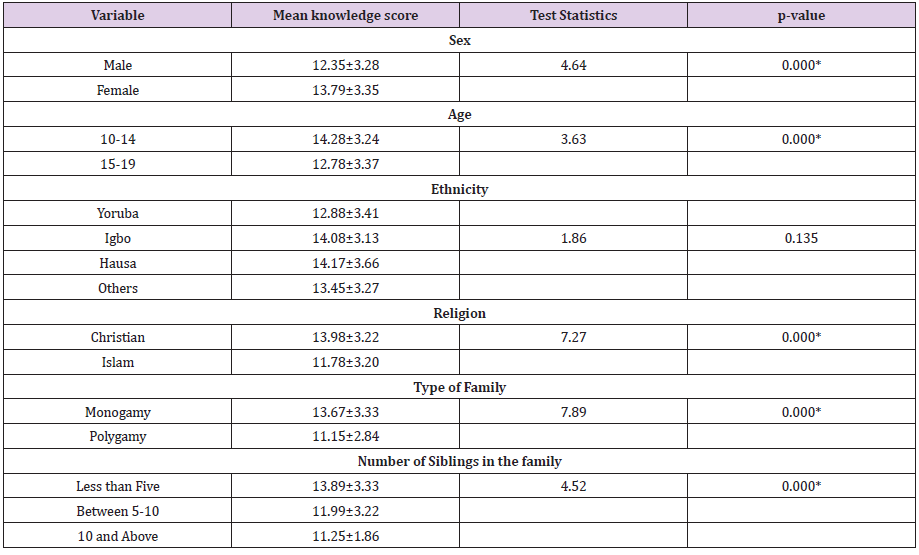
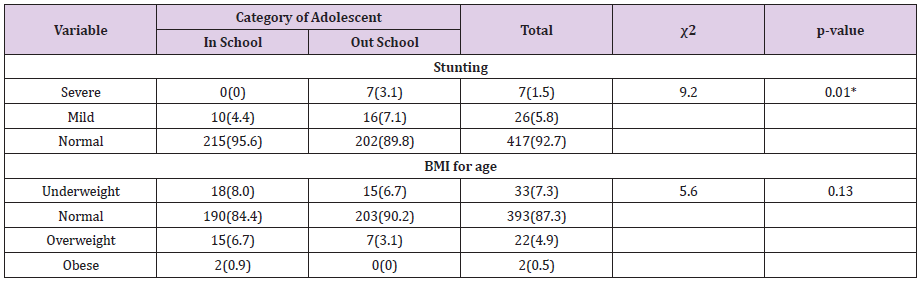
In Table 4, 58.7% of respondents had poor nutrition knowledge with majority coming from the out-of-school respondents (p<0.05), while 41.3% had good nutrition knowledge, with higher proportion from in-school respondents (p<0.05). Significant association existed between nutrition knowledge and the sex, age, religion, type of family and number of siblings of the respondents. However, no significant difference was observed between nutrition knowledge and ethnicity of the respondents (p>0.05) (Table 5). Almost all (92.8%) of the respondents had normal height-for-age, 5.7% were mildly stunted and 1.5% were severely stunted (Table 6). More of in-school respondents had normal height-for-age, while more of out-of-school respondents were mildly and severely stunted (p<0.05). Most (87.3%) of the respondents had a normal BMI for age, 7.3% were underweight and 4.9% were overweight. The prevalence of underweight and overweight was higher among the in-school adolescents (8.0%, 6.7% respectively) compared with out-of-school respondents, with no significant difference in the prevalence level (p>0.05).

Table 4: Nutrition Knowledge of Respondents.

Note: * - Values are significantly different at p < 0.05

Table 5: Association between Nutrition Knowledge and Socio-demographic factors.

Note: * - Values are significantly different at p < 0.05

Table 6: Nutritional Status of Respondents.

Note: * - Values are significant at p < 0.05dx

Dietary Diversity of Respondents

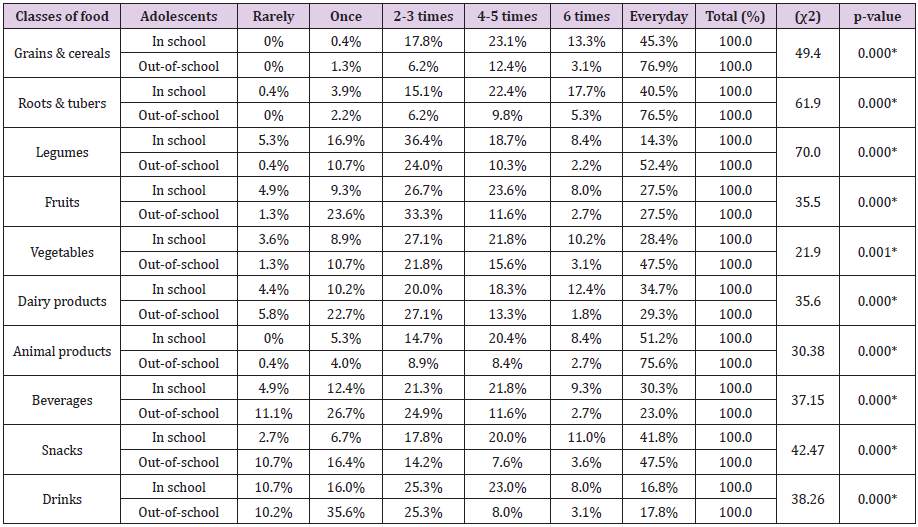
In Table 7, majority of the respondents had high dietary diversity, with no significant difference between the in- and outof school respondents. None of the out-of-school respondents had low dietary diversity while 2.7% of in-school respondents had low dietary diversity. Higher percentage of out-of-school adolescents had average dietary diversity (p<0.05) compared with the in-school respondents. The dietary diversity score of the inschool respondents was slightly higher than that of out-of-school respondents (p<0.05). Table 8 shows the association between frequency of food consumption and the category of adolescent. A higher percentage of out-of-school respondents consumed more cereals and grains, roots and tubers, legumes, animal products, and snacks daily compared to the in-school respondents, while greater percentage of the in-school respondents consumed more dairy products and beverages on daily basis (p<0.05. There were significant differences in frequency of food consumption in all the classes of food groups among the respondents (p<0.05) with no regular pattern of differences.

Table 7: Dietary Diversity of Respondents.

Note: * - Values are significant at p < 0.05

Table 8: Frequency of food consumption weekly and category of adolescents.

Note: * - Values are significant at p < 0.05.

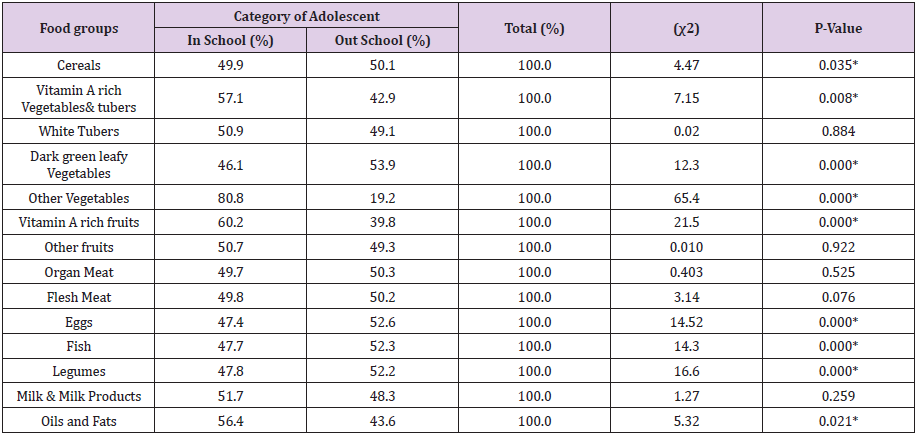
In Table 9, higher percentage of in-school respondents consumed vegetables, tubers, fruits, milk and milk products, and oils and fats compared with out-of-school respondents (p<0.05); while higher percentage of out-of-school respondents consumed cereals, dark green leafy vegetables, organ meat, flesh meat, egg, fish and legumes compared with the in-school respondents (p<0.05). Table 10 shows the correlation between BMI-for-age and dietary diversity scores of in- and out-of-school respondents. The BMI-for-age of the in-school respondents had a significant negative correlation with dietary diversity scores (p<0.05), while the outof- school respondents also had negative correlation with dietary diversity scores which was not significant. In Table 11, there was positive correlation between BMI-for-age and nutrition knowledge of in- and out-of-school respondents with no significant difference between both groups.

Table 9: Relationship between dietary diversity of respondents.

Note: * - Values are significant at p < 0.05.

Table 10: Correlation between BMI for Age and individual dietary diversity score.

Note: * - Value is significant at p < 0.05. IDDS = Individual dietary diversity score

Table 11: Correlation between BMI for Age and Nutrition Knowledge.

Discussion

Socio-Demographic Characteristics of Respondents

The mean age of in-school respondents recruited for this study is similar to the mean age of the in-school respondents (15.5±2.5 years) reported by Sidiga, et al. [15]. Most of the respondents were within the age range of 15-19 years (especially the out-of-school respondents), and were Yoruba. This is similar to the findings of Omobuwa, et al. [16]; and is believed to be due to the geographic location of the study where Yoruba ethnic group is dominant in the South-western Nigeria. Most of the in-school respondents were from the monogamous family. This is also similar to the report of Omobuwa, et al. [16]. About half of the out-of-school respondents were from polygamous family and more than half of them reportedly had five or more siblings. The large family size among these out-ofschool respondents could have led to inability to achieve optimum care due to possible sharing of available resources among larger number of people compared with monogamous families with lesser siblings. This could have resulted in some of the respondents not being enrolled in secondary school, or dropping half way.

The parents’ level of education was observed to be associated with the adolescent type. Majority of the out-of-school respondents’ parents either had no formal education or had maximum of secondary school education compared with their in-school adolescents’ counterpart parents where either secondary or tertiary level of education were the educational level of majority of them. Educated parents can make more informed choices and have better socio-economic status to ensure their children get sound education in schools. Overall, the in-school respondents had significantly better socio-economic and socio-demographic characteristics than the out-of-school respondents.

Nutrition Knowledge and Status of Respondents

Most of the out-of-school respondents had poor nutrition knowledge while majority of the in-school respondents had good nutrition knowledge. This finding is similar to that of Nurul, et al. [17]. Knowledge directly impacts health and nutrition, and this study revealed that the respondents were not aware of the importance of good nutrition to supporting growth and development at adolescent stage. Nutrition knowledge score for in-school respondents was significantly higher compared with that of out-of-school respondents. This finding is different from the result of the study by Manijeh, et al. [18]. The observed difference between the two classes of respondents in this study may be due to the fact that the in-school respondents were exposed to/or enlightened with basic nutrition knowledge in school, as compared to their out-of-school counterparts who may not have access to such information. The prevalence of underweight, overweight and obesity were higher among in-school respondents compared to their out-school counterpart. This finding is in line with that of Ejike, et al. [19].

The prevalence of underweight in this study is higher compared with the study of Adesina, et al. [20], but lower than that of the studies of Alabi [21] and Adegoke, et al. [22]. The Prevalence of overweight in this study is higher than the ones reported by Olumakaiye, et al. [20,23,24]; while it is lower compared with findings of Omuemu and Omuemu [25], Ejike and Ijeh [26]; and much lower than the value reported by Abdulkarim, et al. [8]. The result obtained in this study is an indication of the rise in the level of overweight and obesity among adolescents, which can be linked to the level of their physical inactivity [2] and exposure to snacking, as confirmed from Table 8. The result of the respondents where most of them had normal BMI-for-age is similar to the one reported by Adamu, et al. [27]. There was no significant correlation between BMI-for-age and nutrition knowledge in both groups; and this observation is similar to that of Esfarjani, et al. [28]. The BMI-for-age of the in-school respondents was negatively correlated with their dietary diversity scores. This finding is similar to that of Olumakaiye [29].

Dietary Diversity of Respondents

Majority of the respondents had high dietary diversity scores, the in-school respondents having slightly higher mean score than out-of-school respondents. This is however different from the work of Mahdis, et al. [30] who reported a lower dietary diversity score for out-of-school adolescents compared with in-school adolescents. Dietary diversification is one of the four main strategies advocated internationally for improvement of micronutrients intake and nutritional status, especially in undernourished individuals [31]. Many studies among several age groups have shown that an increase in individual dietary diversity score is related to increased nutrient adequacy of the diet. Dietary diversity scores have been positively correlated with increased mean micronutrient adequacy of complementary foods [32], and micronutrient adequacy of the diet in adolescents [33] and adults [34,35]. The dietary diversity score improved when consumption of healthy food groups increased. Higher dietary diversity score is not always associated with increased weight gain, because it may be due to increase in consumption of low-calorie foods such as vegetables, whole grains and fruits [33].

Conclusion

Majority of the in-school adolescents in this study had better nutrition knowledge compared with the out-of-school adolescents, and the socio-demographic characteristics of adolescents had significant influence on their nutrition knowledge. In-school adolescents had higher dietary diversity score as well as higher prevalence of both underweight and overweight compared with the out-of-school adolescents. There is therefore, the need for nutrition education targeted at the in-school and out-of-school adolescents to increase their nutrition knowledge and dietary diversity; especially the right choice of meals and adequate, healthy diet. There is also the need for increased awareness of the benefits of healthy eating habits and importance of good nutrition to growth and development to prevent the upward trend in prevalence of malnutrition among the adolescents, who are would-be future adults.

For more Articles on : https://biomedres01.blogspot.com/


Thursday, June 9, 2022

Immunology of Tuberculosis: An Old and Persistent Challenge


Immunology of Tuberculosis: An Old and Persistent Challenge


Introduction

Tuberculosis is a leading cause of morbidity and mortality in the world. About a quarter of the world’s population is estimated to be infected with Mycobacterium tuberculosis. Globally, an estimated 10.0 million (range, 8.9-11.0 million) people fell ill with TB and 3 million deaths a year [1]. This disease is caused by Mycobacterium tuberculosis, an acid-fast bacillus that is transmitted primarily via the respiratory route and is spread when people who are sick with tuberculosis expel into the air mainly during coughing. Infection occurs in the lungs, but the organism can seed any organ via hematogenous spread. However, only a small minority of individuals with latent infection with M. tuberculosis develop active disease [2]. The clinical manifestations of tuberculosis represent a complex interaction between the causative organism, Mycobacterium tuberculosis, and the human host immune response.

Host Response

The lung is typically the port of entry and site of active disease although all other organs can be afflicted. An individual with active pulmonary tuberculosis expels small droplets containing tubercle bacilli, which can be inhaled by another individual. If these small droplets enter the alveolar space, they are engulf by pulmonary dendritic cells and macrophages. Some infected macrophages will remain in the lung tissue while some infected dendritic cells will migrate to the draining lymph nodes. T cells in the draining lymph nodes will be activated and on migration recognize the mycobacterial foci in the lung [2,3]. Entry of mycobacteria into phagocytic cells can occur through binding to multiple receptors, all leading to the delivery of the bacilli into macrophage phagosomes. Alveolar macrophages have been shown to play an essential role in the elimination of bacillus; and is considered the first cell population to interact with the tubercle bacillus. Following phagocytosis and replication of pathogenic mycobacteria within macrophages, the infected cells migrate into tissues where additional immune cells are recruited to form a granuloma; this consists predominantly of T cells and M. tuberculosis-infected macrophages [2,4]. Granulomatous lesions form and contain the bacteria, preventing development of active disease. The granuloma subsequently develops central areas of necrosis, resulting in the death of the majority of the bacteria and destruction of the surrounding host tissue.

The surviving bacilli exist in a latent state and can become reactivated to develop active disease. The success of pathogenic mycobacteria is largely attributed to their capacity to avoid destruction within host immune cells, in particular macrophages [4]. Protective anti-mycobacterial immune response involves mainly T lymphocytes activating the macrophages and their microbicidal functions through the release of cytokines. This leads to the formation of granulomas, crucial to the containment of mycobacteria. Macrophages/dendritic cells are found in the centre of these granulomas, along with mycobacteria surrounded by T lymphocytes which provide the proper activation [3,5]. The interaction between the host and the pathogen occurs on different scales. These range from molecular interactions, including, for example, the recognition of specific molecular patterns on innate immune cells by Toll-like receptors, to interactions between individual cells, which, in turn, can range from the phagocytosis of bacteria by macrophages to the spread of disease through a host population and the emergence of different strains of pathogens in response to different host conditions [6].

Conclusion

Tuberculosis is an ancient disease that afflicts the world, understanding the immunopathogenesis of this disease is important for the development of more effective control measures, and novel treatment strategies.

For more Articles on : https://biomedres01.blogspot.com/


Thursday, April 21, 2022

Embracing the Term Physical Health Literacy: Mini Review


Embracing the Term Physical Health Literacy: Mini Review


Introduction

Historically, the term literacy was associated with learning, reading and writing. In the past, an individual who could read and write at an adequate level for their age was considered literate [1]. More recently, literacy is depicted as a learning process throughout life that occurs within and outside formal education, consisting of many contexts [2]. Some examples of these contexts are digital, scientific, financial, mental health and physical. Whilst the term physical literacy appears to be a modern term, it was used over 80 years ago. In 1938 an article in the Journal of Health and Physical Education used the terms physical literacy and mental literacy [3]. The concept of physical literacy has attracted increasing attention in research [4], focusing on promoting high-quality Health Physical Education and youth development. Even though physical literacy is regarded as a crucial component for the healthy development of children in both research literature and Government policies, the concept remains elusive primarily due to the term being a misnomer, and it being used in different theoretical perspectives [4,5]. This lack of clarity can undermine the meaningful development of physical literacy objectives within HPE and undermine the interpretation of research findings which may provide new knowledge [6]. This mini review offers a brief justification for creating the term physical health literacy.

Problem Statement

The term physical literacy has many interpretations (in both scientific and professional literature) that reflect either a philosophical viewpoint or separate points of view of specialists [7]. Specialist viewpoints emerge from various branches of scientific knowledge such as physical education, medicine, exercise science, and health sciences. This diversity of interpretation of the term physical literacy creates many dilemmas. In examining this problem, one must explore the nature of physical literacy and the appropriateness of using the term. This exploration encompasses its foundation, the medical and biological bases, the intended purpose, and its context. This mini review endeavors to remedy this by proposing and justifying the use of the term physical health literacy.

Focus Questions

This mini review aims to ignite a conversation over the suitability of the term physical literacy by briefly discussing the core attributes of the physical literacy construct, as reflected in the contemporary literature. This paper also explores and briefly discusses four focus questions: What are the (a) guiding principles; (b) educational, health and biological bases; (c) purposes and contexts for using the term of physical literacy; and (d) justification for using the term physical health literacy?

Research Methods

Scientific and professional literature was retrieved from the following:

1. Education Research Complete;

2. MEDLINE (via PubMed);

3. ScienceDirect;

4. Scopus; and

5. Sport Discus.

No particular start date was adopted, and the last search was conducted on 20 December 2020. These education, sport and health databases were found to be relevant to the topic and increased the probability that all relevant papers have been located [8]. The search strategy included the following terms: physical literacy, motor performance skills, health physical education, movement literacy, and fundamental movement skills. The criteria for inclusion in this review were publications in the English language until the date last searched, i.e., 20 December 2020. The following exclusion criteria were adopted:

a) Papers not including the definition.

b) Papers that made no reference to physical literacy in the full body of text.

Findings

In considering the numerous definitions of physical literacy, it becomes clear that this concept is usually presented syncretic ally by academic scholars. While the interpretation of physical literacy varies in literature, it tends to have some alignment with the definition offered by Whitehead [9] notes, ‘‘the motivation, confidence, physical competence, knowledge and understanding to value and take responsibility for engagement in physical activities for life’’. This definition has evolved through the lens of physical education with the underlying core purpose to improve healthrelated quality of life and wellbeing [9,10]. In addition, healthrelated quality of life and wellbeing are multi-dimensional terms that are holistic and include physical, cognitive, emotional, and social functioning [11].

Over the last ten years the definitions of physical literacy have been frequently debated in published papers to develop some clarity [4,6,8,12], however the term itself also poses challenges [4,5]. The word ‘physical’ within the term provides little insight into the specific context since the word ‘physical’ has many meanings across branches of scientific knowledge. The term or name of a concept should disclose or provide insight into what the concept determines or reflect its underlying core basis. By extension, we coin the term “physical health literacy”. The addition of the word ‘health’ provides the area of scientific knowledge and domain in which the word physical relates. Additionally, the word ‘healthy’ also reflects the underlying purpose, to improve health-related quality of life and wellbeing. The extension of the term using the word ‘health’ also implies that physical health literacy is a relative concept [13]. The relative nature of health provides flexibility which allows the expression of the term in relation to the uniqueness of the potentialities within the environment in which the population live. Using this relevant and agile term, physical health literacy, also future proofs the term as individual needs and their environment may change into the future.

Whilst defining physical health literacy is not technically within the scope of this review, we briefly propose a new definition that encapsulates Whitehead’s (2001) [9] definition and allows adaptability to a range of current and future contexts. We offer the following definition: physical health literacy is the multifaceted foundation of lifelong engagement in physical activity (see Figure 1). It’s about knowing the importance of physical activity for health and wellbeing; possessing the being competent and confident in a range of movement skills; possessing the motor performance skills and cognitive skills to be creative movers to adapt to changing conditions of the external environment and life challenges; attitudes and communication skills that promote engagement and appropriate help-seeking.

The articulated definition and the proposed term physical health literacy may lead to greater clarity of the concept, whilst gaining greater acceptance by scholars of developing local, regional, or national visions of what is means to be physical health literate. If adopted, also it is hoped that it will support educational authorities developing relevant standards for physical health development and physical fitness across various stages and groups of the population. Moreover, it is also hoped that there will be an equitable appraisal of physical health characteristics parameters that are determined within context, which will ensure the development of a studentbased approach in health and physical education across K-12 [14].

Figure 1:Physical health literacy - the multifaceted foundation of lifelong engagement in physical activity./p>

Conclusion

Based on the exploration of the literature, the term physical health literacy is a more appropriate global term which is flexible and can be adapted to different contexts and population groups. Furthermore, our review reinforces the importance of the need for the concept physical health literacy to be viewed through the needs of the individual or population, the context of the setting, whilst acknowledging these change throughout life.

For more Articles on : https://biomedres01.blogspot.com/


Tuesday, April 19, 2022

An Epidemiological Hypothesis of Policy-Shaped Drug Use Onset Curves


An Epidemiological Hypothesis of Policy-Shaped Drug Use Onset Curves


Introduction

United States (US) estimates show that ages 14 to 18 years old is the interval of peak risk for starting extra-medical use of tobacco and most internationally regulated drugs (EMIRD), with extramedical use defined to encompass using the drug to get high and otherwise outside boundaries intended by a prescribing clinician (EMIRD as defined in supplemental material appendix S1; e.g., [1- 4]). US estimates generally show that consuming the ‘first full drink’ of an alcoholic beverage is an exception to this pattern of a single mid-adolescent peak. Age-specific incidence of drinking alcohol follows a distinctive bimodal pattern with the mid-adolescent peak followed by a sharp decline, a second peak at the US legal minimum drinking age of 21 years, and then a continuous decline as age increases [5-7]. In this paper, we use the acronym PDPD to denote this specific peak-decline-peak-decline bi-modal pattern. Cheng, et al. [7] focused on the legal minimum drinking age (LMA) in their explanation of the PDPD pattern in the age-specific estimates.
They posited existence of two heterogeneous subgroups within each birth cohort. A more law-abiding subgroup of adolescents might tend to delay onset of drinking a ‘first full drink’ until LMA is reached at age 21 years. Another subgroup of cohort members give less attention to the LMA policy, with drinking onset soon after the first chance to try [i.e., first alcohol exposure opportunity, as discussed by Chen, et al. [8]]. If this hypothesis is correct, readers in countries with no LMA policy might find no bimodal pattern (cf. [9]). With respect to cannabis, a natural LMA experiment is underway in the United States, with some jurisdictions setting cannabis LMA at age 21 years [10]. If Cheng and colleagues are correct, the age-specific incidence patterns in these jurisdictions might shift, eventually, toward the bimodal pattern seen for alcohol. In this short communication, we present starting estimates on this policy topic as a forecast of what might become a congruent PDPD pattern for age-specific cannabis incidence rates. Our results depict recent age-specific cannabis use incidence patterns in Colorado and in Washington State by year, each with age 21 LMA for cannabis, and we compare incidence rates in states with no cannabis LMA [11,12].

Material and Methods

For this epidemiological study, the population was specified to include non-institutionalized US civilian residents, sampled and assessed for successive National Surveys on Drug Use and Health (NSDUH), 2010 through 2017. These NSDUH cross‐sectional surveys were conducted with multistage area probability sampling to draw state-level representative samples and to over-sample 12-to17‐year‐olds, with overall interview participation levels of 67%-75%, slightly lower than corresponding levels for the 12-to- 22-year-olds in this study’s sub-samples. Standardized audio computer-assisted self-interview modules assessed month and year of first cannabis use, from which age-specific incidence rates can be estimated from the NSDUH Restricted Data Access portal (R-DAS). The R-DAS portal provides analysis weights and variance estimate capabilities for state-specific and national estimates and 95% confidence intervals (CI).
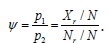
For this research, the primary estimate is age-specific firsttime cannabis use (incidence), calculated as ψ = Xr / Nr , where Xr is the number of individuals starting to use cannabis within the 1-12 month interval before assessment, age-by-age, and Nr is all persons who had not started using cannabis before that interval, stratified by cannabis LMA policy. Estimates described in this report are not readily available in R-DAS. The estimated prevalence rates ( 1 / r p = X N , where N is the total projected population size) and the estimated proportion of the population at risk ( 2 / r p = N N ), with the corresponding standard errors can be obtained. We note that the incidence can be calculated in term of p1 and p2 as:

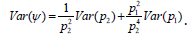
The corresponding variance can be calculated using the standard statistical procedures as:

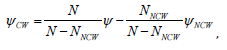
Furthermore, we discovered that R-DAS estimates can often be produced for the entire population of interest (e.g., age-specific cannabis incidence over all 50 states), and for a sub-population that includes a relatively large, unweighted numerator and denominator (e.g., first-time cannabis use in every state except Colorado and Washington). Nevertheless, estimates for the other subpopulation (e.g., age-specific cannabis incidence in Colorado or Washington) may often be suppressed due to privacy concerns. In the instance when two sub-populations can be considered mutually exclusive, we have developed a method for estimating the suppressed output “by hand” (Vsevolozhskaya, et al. 2014). Specifically, if we let ψ be the incidence of cannabis use in all 50 states, and CW ψ be the incidence of cannabis use in every state except Colorado and Washington, we can estimate the suppressed output as:

Where N is the projected population size in all 50 states and NCW N is the projected population size in every state except Colorado and Washington. Then, the corresponding variance of can be calculated as:

Given Colorado State and Washington State (CSWS) LMA policies implemented in 2014, we looked for PDPD patterns during 2010 through 2017 using two approaches. The first approach involved a panel study method with sample restriction to participants in the birth cohort born in either 1995 or 1996, successively re-sampled to secure a new sample each year. The panel approach has constrained statistical power, given its focus on that one birth cohort. The second approach is more tightly focused on what happens at age 21 years. The expectation is that cannabis incidence at age 21 years in CSWS will show an increase, versus relatively stable cannabis incidence at age 21 years in the other 48 states.

Results

Panel Study Approach

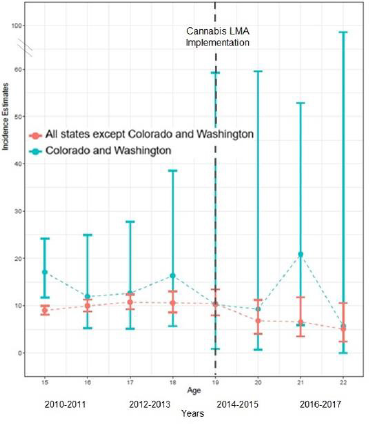
Figure 1 shows cannabis incidence estimates based on the panel study approach restricted to the 1995-96 birth cohorts, with state contrasts based on cannabis LMA policies. No PDPD bimodal pattern is seen for the non-LMA policy states (red lines). A hint of bimodality is seen in the CSWS data (blue lines), sufficient to motivate our proposed plan to analyze the more complete NSDUH sample data that is being withheld until after the COVID pandemic has ended, but not yet with statistical precision to warrant firm conclusions (Figure 1).

Figure 1: Trends in past year cannabis incidence by age in CSWS and all other states in the US, 2010-2017.

LMA-Stratification at Age 21

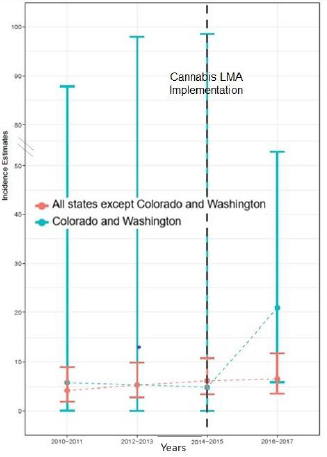
Figure 2 shows LMA-stratified year-pair-specific estimated cannabis incidence with focus on the NSDUH participants assessed at age 21. The mean cannabis incidence rate expectation for non- LMA states is relatively stable at about 5% becoming new users. For CSWS, the corresponding estimate is close to the estimate for the other states until after 2014-2015; the rate estimate for 2016-17 is just above 20%. Here, again, the statistical precision of estimates based on the R-DAS datasets is constrained. We must express hope for earlier rather than later access to the larger NSDUH samples and more recent data now sequestered in the restricted data enclaves until the COVID pandemic has ended.

Figure 2: Trends in cannabis incidence at age 21 in CSWS and all other states in the US, 2010-2017.

Discussion

In this short communication, we build from the recent alcohol LMA hypothesis offered by Cheng, et al. [7] and we present evidence that a corresponding cannabis LMA hypothesis might deserve attention in future research. Acknowledging constraints on the statistical precision of the cannabis incidence estimates presented in Figures 1 & 2, we look forward to pursuit of this research line once we are allowed to tap the more complete NSDUH data in the now-restricted federal enclaves. In the meantime, readers might be interested to know how an LMA policy might exert an influence on epidemiology’s patterns of age-specific incidence rates. In turn, the epidemiologically disclosed age-specific patterns can be used to guide organization and deployment of public health tactics of early outreach and intervention, as well as prevention initiatives intended to reduce hazards of drug use onsets during adolescence and the transition to early adulthood.
Limitations of the research include reliance upon self-reports about age and timing of cannabis onsets as well as uncontrolled confounding between states. In time, the public use dataset sample sizes also will be addressed when the enclave datasets become available, and re-opening of the data enclaves will make it possible to investigate sub-state variations, given that some within-CSWS jurisdictions do not permit retail cannabis sales.
Notwithstanding these limitations, these analyses demonstrate the potential for a large shift in long-standing patterns in age of first use for cannabis in the US. Additionally, the study findings are of interest because the hypothesis that LMA may be shaping agespecific drug use incidence has never been tested. However, the lag time for seeing such policy effects might take 5-10 years if cannabis follows the experience with alcohol legal minimum age in the US [13].
If this pattern continues to develop, there are new public health considerations for this age group as well as the design and implementation of cannabis prevention campaigns. Targeted prevention campaigns for alcohol and tobacco use have been one of the larger successes of public health and prevention, partly due to age-specific and appropriately timed targeting [14,15]. In a deviation from the traditional perspective that early adolescence is the optimal window for prevention, if the hypothesized development of the PDPD pattern continues, public health campaigns that seek to reduce cannabis use may be optimized in separate approaches for the law-ignoring teens who first use cannabis illegally vs. the 21-year-olds who wait until cannabis use is legal for them. Although more research is needed to investigate the theorized policy-induced curve, if a sufficient number of states follow in the footsteps of Colorado and Washington, we may see the age-specific incidences for first time cannabis use begin to resemble the PDPD pattern in the country overall [16,17].

Discussion

Supplementary Appendix 1.

For more Articles on : https://biomedres01.blogspot.com/


Monday, April 18, 2022

The Effects of Helium-activated Radiofrequency Subdermal Coagulation on Skin Laxity following Ultrasound Assisted Liposuction


The Effects of Helium-activated Radiofrequency Subdermal Coagulation on Skin Laxity following Ultrasound Assisted Liposuction


Introduction

Precision in body sculpting and contouring has recently become popular in the aesthetic arena. While liposuction itself does not tighten any skin, the use of Ultrasonic Assisted Liposuction (UAL) technology has provided skilled surgeons the necessary tools to remove excess fat aggressively and uniformly [1]. This is because ultrasound assisted liposuction allows surgeons to not be limited to the deep fat layer only as observed in traditional liposuction or the superficial layer as observed in cryo or heat induced lipolysis [2]. With a surgeon’s ability to comprehensively remove fat, the concern of skin redundancy has become even more evident. While ultrasound-assisted technology may provide for small degrees of skin tightening, i.e. skin retraction, the need for more aggressive skin tightening measures have been established [3]. To date, effective skin tightening has only been feasible with a simultaneous wedge excision of the skin, such as brachioplasty, mini-tuck, reverse tuck, medial thigh tuck, upper body lift, or lateral thigh lift requiring an incision line and subsequent seam line. The alternative of leaving skin laxity untreated has resulted in unacceptable outcomes involving skin roll deformities and/or contour irregularities that appear operated looking and unnatural.

The advent of helium activated radiofrequency has resulted in a minimally invasive alternative to improving skin firmness while avoiding more invasive excisional surgeries [4]. This advanced energy modality combines the unique properties of cold helium plasma with the efficiency of Radiofrequency (RF) energy. This synergy allows for acute heating of and shrinking of collagen molecules in the dermis and fibroseptal network with high precision while avoiding thermal damage to any surrounding tissue. This has been termed subdermal coagulation [5]. In summary, the simultaneous application of helium activated radiofrequency above has demonstrated clinical tightening of the skin. When applied synchronously following ultrasound assisted liposuction, it has resulted in increased firmness of the skin thereby excelling efficacy of high definition liposuction contouring results with avoidance of skin laxity deformities. At our center, we have been measuring skin firmness changes following UAL and synchronous helium-activated radiofrequency used during high-definition body contouring procedures. Surgical data from prior UAL and subdermal coagulation procedures was examined retroactively to assess extent of skin tightening. We hypothesized that clinically observed skin tightness would correlate with increased skin firmness as measured by distraction forces required to displace the skin away from the body.

Materials and Methods

Ultrasonic Assisted Liposuction (Vaser®) was performed on six different patients. Six passes of helium activated radiofrequency (Renuvion®) were then delivered over 9 anatomical locations: left/ right arm, left/right lower back, left/right upper back, left/right medial thigh, and neck (n=19). Helium activated radiofrequency was delivered at 80% power and a Helium flow rate of 3.0 L/min. The above energy was administered using previously created liposuction port sites using a long delivery probe and with application of six separate passes. The energy was delivered to the underlying dermis and fibroseptal network, termed subdermal coagulation, of above areas when skin laxity was observed. Change in skin firmness was documented intraoperatively using a trigger force meter at the center of the anatomical location of maximum skin laxity. Displacement force (grams) was measured at skin displacements of 0.5 inches, 1.0 inch, and 1.5 inches away from the body for the pre-lipo, post-lipo, and immediately following each pass of activated helium radiofrequency. Patients were evaluated for the change in skin firmness from pre- and post- Vaser liposuction through 6 passes of Renuvion Helium Plasma at nine (9) anatomical locations, including 1) left/right arm, 2) left/right lower back, 3) left/right upper back, 4) left/right medial thigh, and 5) neck. Given the limited sample size (n=19), all gross anatomical locations were consolidated with regards to the change in skin firmness, via displacement force (grams). Consolidation requires evaluating the magnitude of change (i.e. the ratio) and the % change from preliposuction to post treatments. Above values were statistically compared utilizing a repeated measuring model. The threshold of determining statistical significance was set at a p-value < 0.05.

Results

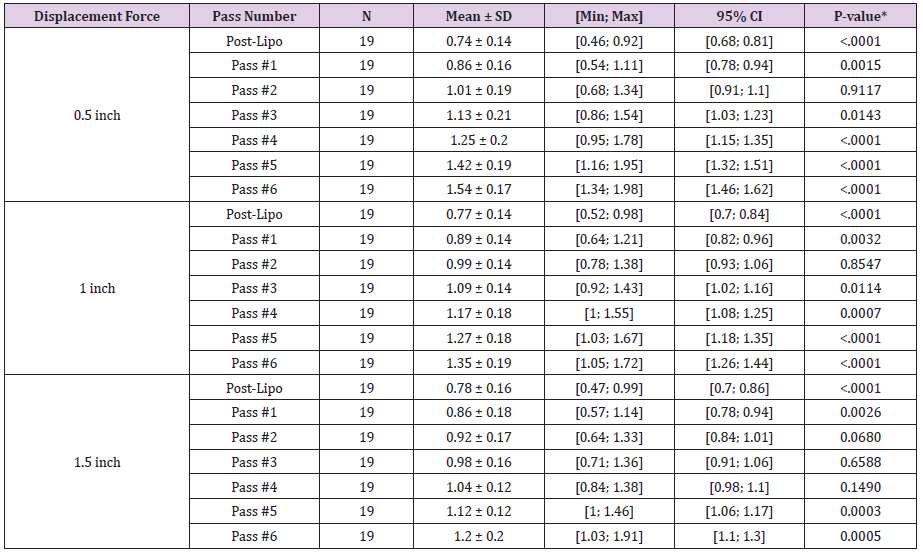
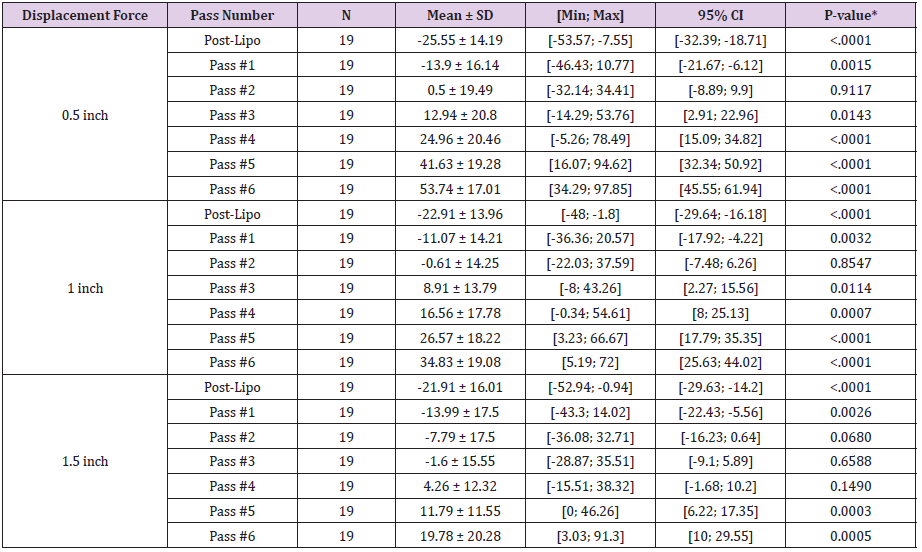
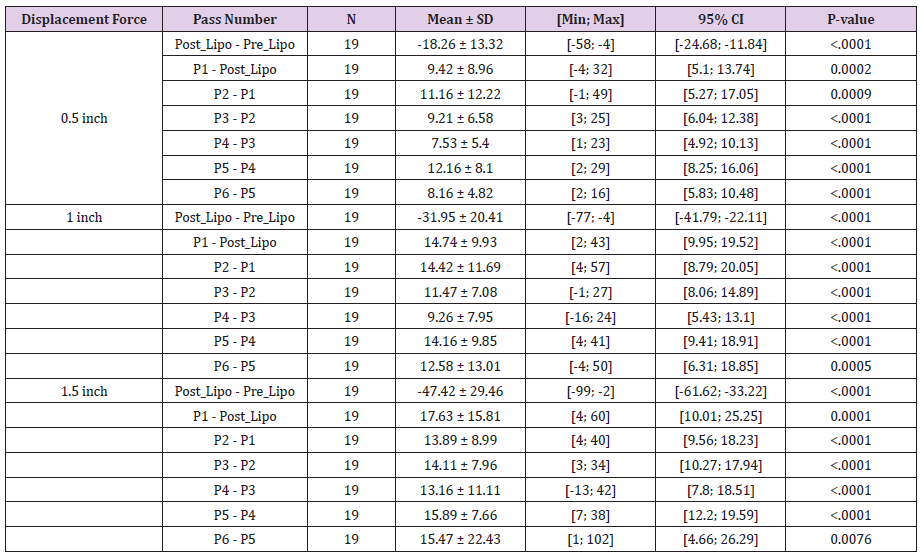
Evaluation of distraction forces demonstrates significant changes in distraction forces when pre-liposuction forces were compared to post-liposuction and six subsequent subdermal coagulation passes. For the 0.5 inches distraction distances significant changes included: a decrease in skin firmness following liposuction and after a single pass, followed by increase in skin firmness after the 3rd, 4th, 5th and 6th passes (Tables 1 and 2). Skin firmness reached pre-liposuction levels after the 3rd pass. In addition, statistically significant increase in skin firmness was observed for each subsequent pass comparing the 3rd to the 4th pass, the 4th to the 5th pass, and the 5th to the 6th pass (Table 3). The maximum % increase in distraction force, i.e. skin firmness, was observed following the 6th pass at 54% firmer than pre-liposuction state. For the 1.0-inch distraction distances, significant changes included: a decrease in skin firmness following liposuction and following a single pass, followed by increase in skin firmness after the 3rd, 4th, 5th and 6th passes. Skin firmness reached pre-liposuction levels after the 3rd pass. In addition, statistically significant increase in skin firmness was observed for each subsequent pass comparing the 3rd to the 4th pass, the 4th to the 5th pass, and the 5th to the 6th pass. The maximum % increase in distraction force, i.e. skin firmness, was observed following the 6th pass at 35% firmer than preliposuction state. For the 1.5 inches distraction distances significant changes included: a decrease in skin firmness following liposuction and after a single pass, followed by increase in skin firmness after the 5th and 6th passes. Skin firmness did not reach pre-liposuction levels until the 4th pass. In addition, statistically significant increase in skin firmness was observed for each subsequent pass comparing the 4th to 5th and 5th to the 6th pass. The maximum % increase in distraction force, i.e. skin firmness, was observed following the 6th pass at 20% stronger than preliposuction state (Table 2). Finally, no adverse effects were identified in any of the treated areas.

Table 1: Summary statistics of ratio (magnitude of change) of renuvion pass number versus pre-liposuction.

P-value from one sample t-test (two-sided) comparing to Ratio = 1.

Table 2: Summary of % Change of Renuvion Pass Number versus Pre-Liposuction.

P-value from one sample t-test (two-sided) comparing to % Change = 0.

NOTE: % Change from Baseline (either pre- or post-liposuction) = 100*(pass (i) – baseline)/baseline

Table 3: Summary of change in distraction force after each subsequent renuvion pass.

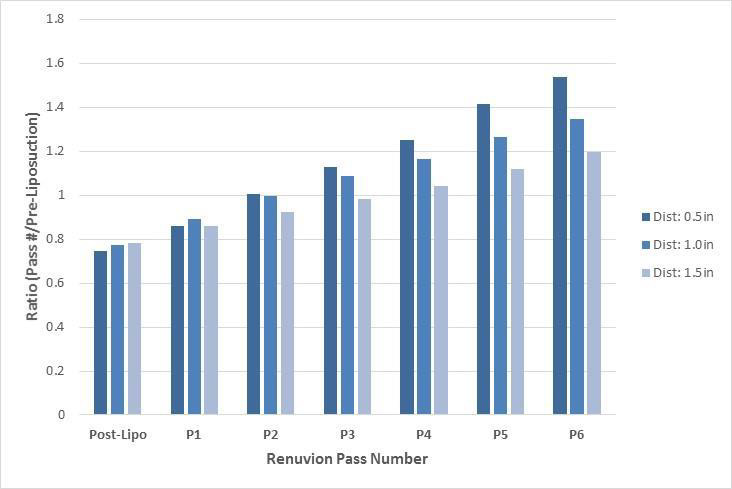
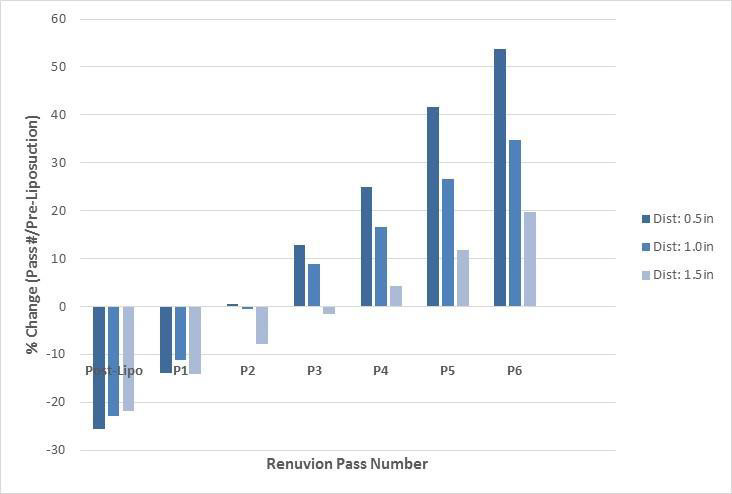
Figure 1 demonstrates the mean ratio (magnitude of change) of forces for post-liposuction and six subsequent subdermal coagulation passes when compared to pre-liposuction forces. An increasing linear trend in change in displacement force ratio from pre-liposuction is evident following a drop in force following liposuction for all three 0.5, 1.0, and 1.5 inch displacement distances. Figure 2 demonstrates the % change of displacement forces from pre-liposuction to post-liposuction and six subsequent subdermal coagulation passes. An increase in linear trend in % change of displacement forces is observed across 0.5, 1.0, and 1.5 inch displacement distances, following initial drop in force following liposuction.

Figure 1: Ratio (magnitude of change) of displacement forces compared to pre-liposuction forces at various displacement distances.

Figure 2: Percent change of displacement forces compared to pre-liposuction forces at various displacement distances.

Discussion

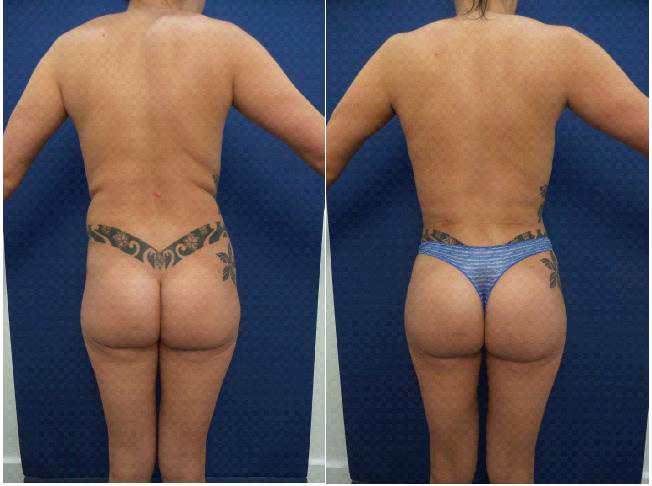
Body contouring has undergone several significant advances over the last few years. Traditionally, body contouring has required evaluation of excess fat as well as skin redundancy. When considering removal of excess fat, multiple liposuction modalities have been introduced following traditional liposuction techniques and they include power assisted, tickle liposuction, laser liposuction, ultrasound assisted liposuction as well as non-surgical modalities including cryo, heat, and injection lipolysis [6-8]. The advent of ultrasound assisted liposuction has been revolutionary since it has provided the ability to perform high definition liposuction by removing fat comprehensively and uniformly while maintaining viability of the fat cells for purposes of fat transfer [2]. When considering elimination of skin redundancy, until recently, plastic surgeons were limited to more invasive excisional procedures. While various advanced liposuction modalities such as laser-assisted liposuction claim to also correct skin firmness, these results are minimal and insignificant, evident by the 1 month postoperative skin firmness measurements previously published9. For patients with minimal to moderate skin redundancy (Figure 3), options for skin tightening included wedge excisions such as a brachioplasty, medial thigh tuck, upper body lift, lateral thigh tuck, mini tummy tuck, and reverse tummy tuck. Unfortunately, these options are more invasive and requiring excisional surgeries with subsequent surgical incision lines and prolonged healing times.

Figure 3: A 29-year old female 3 months before and after Ultrasound assisted liposuction and Helium-activated radiofrequency subdermal coagulation.

Most recently, helium activated radiofrequency subdermal coagulation has proven clinically to possess the capacity to effectively reduce skin laxity intraoperatively. Subdermal coagulation is believed to increase skin firmness by acting on collagen molecules present in the skin dermis and underlying fibroseptal network. Skin tightening through the shortening of collagen molecules via heat has previously shown to be a viable non-invasive modality [9,10]. When a region of skin laxity is treated by subdermal coagulation, the skin is observed to shrivel up much like a shrink wrap. We hypothesized whether this observation of increased skin firmness would be confirmed by data collected intraoperatively using a non-invasive trigger meter maneuver to document increased skin tightness. When we evaluated cases of UAL combined with heliumactivated radiofrequency subdermal coagulation retrospectively, we found statistically significant displacement forces, i.e. increased skin firmness, for all distraction distances occurring at 3rd pass (0.5 and 1.0 inch distraction) and 5th pass (1.5 inch distraction). Furthermore, this study has demonstrated continued significant increase in distraction force, i.e. skin firmness, at 6th pass over the 5th pass. The conclusion from this finding is that we may not have reached maximal skin firmness capacity. Since no adverse effects of skin compromise were observed following six passes, it is conceivable that even firmer skin may be achieved with more passes. This conclusion will require future studies to determine a maximal tightening effect while ensuring that skin compromise does not occur.

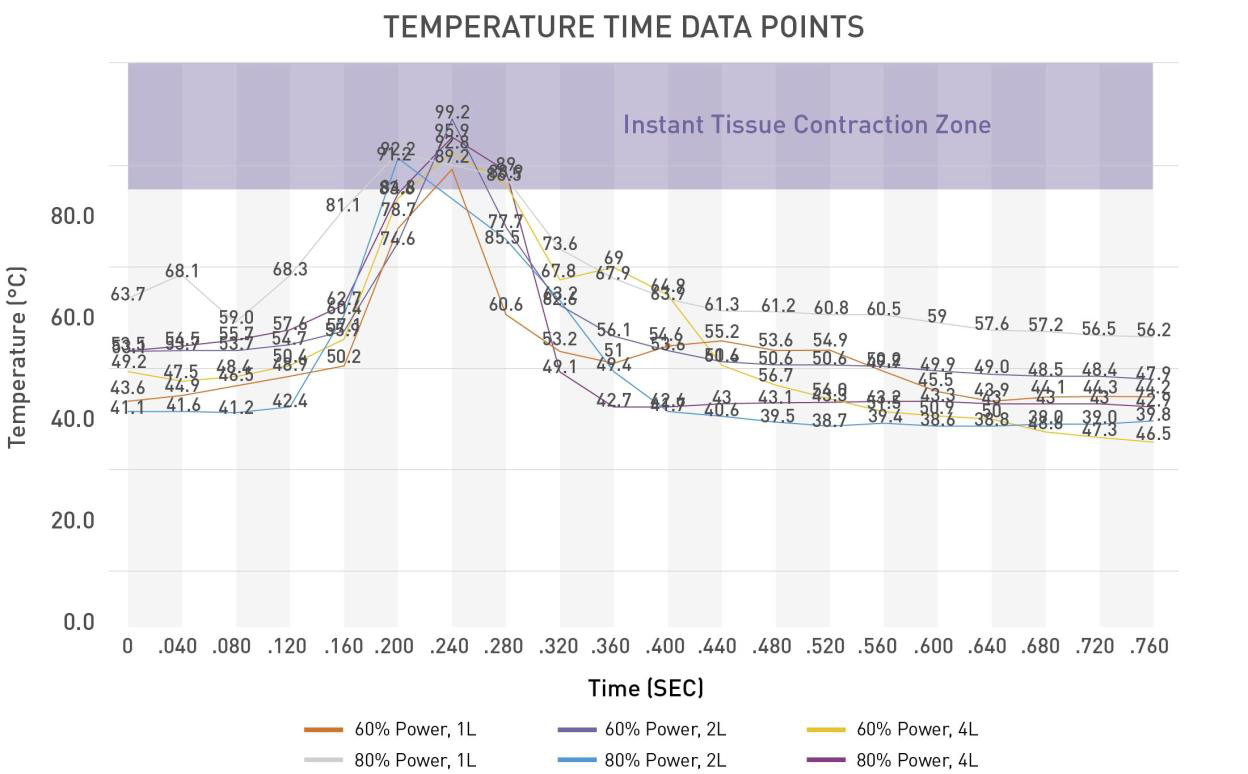
More recently, minimally invasive skin tightening procedures called Bodytite have been exhausted. However, unlike the present study, no objective measurements in terms of skin firmness have been presented introperatively [11-13]. There is no doubt Bodytite may provide an effective ancillary service in the office setting. This is because the length of procedure time required for this modality forbids its use in the operating room; treatment times have ranged from 40 to 45 minutes per area in comparison to helium activated radiofrequency procedure times of 5-10 minutes per area [12]. Longer procedure times are due to the low power wattage of Bodytite that takes longer to heat up the tissues. In contrast, Renuvion® heats the dermis and fibroseptal network to 85 °C within 0.04 to 0.08 seconds which speeds up the shrinking of collagen (occurs at 62-65 °C) while also keeping the epidermis well below 45 °C [14]. As such, injury to the epidermis is prevented. Another limitation of Bodytite involves the fact that this technology must be administered prior to liposuction. This is because the tumescent solution is required to ensure that overheating of the skin layer does not occur. However, as demonstrated in the findings above, skin firmness is significantly reduced following liposuction. As such, it is difficult to gauge degree of skin firmness required prior to having completed the liposuction stage. This would result in a theoretical under treatment of skin tightening. The final limitation of Bodytite is that the fat from the treated areas cannot be used for fat transfer as the fat gets injured. Since most 360° body contouring cases require fat transfer (i.e. Brazilian Buttock Lift), this modality is not considered a viable alternative. High-definition liposuction has changed the way surgeons contour the human body (Figure 4). With the ability to remove both superficial and deep fat comprehensively, surgeons are now going beyond traditional outcomes and sculpting patients’ muscular anatomy [8]. With this degree of fat removal and contouring ability, skin laxity and redundancy has become an even greater concern. Ability to increase skin firmness now plays a key role in a surgeon’s armamentarium. The present study demonstrates the effectiveness of coupling ultrasound assisted liposuction with a novel helium-activated radiofrequency modality to provide superior outcomes when performing high-definition liposuction body contouring.

Figure 4: For 60% and 80% power, the internal tissue is heated above 85 °C for between 0.040 seconds and 0.080 seconds – adequate time period for maximum collagen contraction to occur [14].

Conclusion

This study has demonstrated the effectiveness of increasing skin firmness intraoperatively with a minimally invasive subdermal coagulation modality using helium activated radiofrequency. Across all distraction distances, the trend of increasing displacement forces has been documented with no adverse effects. Based on the observations that maximal skin firmness had not peaked following six passes, future studies will be required to determine the limits of increasing skin firmness against potential side effects and safety risks.

For more Articles on : https://biomedres01.blogspot.com/


The Effect of Interface Design and Perceived Risk of Customers’ Satisfaction and Loyalty on Online Booking Application

  The Effect of Interface Design and Perceived Risk of Customers’ Satisfaction and Loyalty on Online Booking Application Introduction The ra...