Showing posts with label Open Access Medical Journal Biomedical Open Access Journals Biomedical Journal Articles Biomedical Journal Impact Factor Scientific Research Articles on Biomedical. Show all posts

Friday, October 14, 2022

Physical-Recreational Games to Increase the Participation of Children in the Recreational Activities of the Bengochea District

Physical-Recreational Games to Increase the Participation of Children in the Recreational Activities of the Bengochea District

Introduction

Recreation must serve to sow knowledge, to promote spiritual values such as solidarity and a sense of unity among people. Several researchers at national and international level have addressed the subject making contributions to recreation in which they stand out: (Sosa, 2000; Perez, 2003; Waichman, 2009; Domínguez, 2018) [1-4], among others. In a general sense, everyone considers that Recreation works to teach, educate and raise the quality of life of the community in an organized and harmonious way, thus promoting the achievement of greater cultural, political and social development.
According to the studies carried out by Sosa from the 90s to the present about Physical Recreation, and of which these authors fully agree on the validity it has when it states in the (2000) that: 1. Physical Recreation is the set of physical activities defined by the physical recreational reasons that constitute a subsystem of Recreation and is part of the physical culture of the population with emphasis on active rest, health, the creation of motor habits, fun and creative individual development. This type of Recreation is characterized by a certain level of motor skills, which generates a high level of recreational physical prominence (p. 87).
The present work has as background the research of the authors Vilaú, et al. [5-8]. The aforementioned research allows to reinforce the idea of the work that can be developed in terms of Recreation in the communities, aimed at children, due to the little motivation and the lack of participation on the part of these in the physical-recreational activities in the communities, since in the vast majority of the planned activities the same games are executed, without looking for other alternatives or variants that stimulate the participation of infants, based on their tastes, interests and needs. In the observations made in the community, the interviews with the children, relatives and neighbors of the community, the following probability situation could be appreciated: limited participation in the physical-recreational activities of the children of 9 – 12 years of the circumscription # 9 of the Bengochea Distribution, of the municipality of Santa Clara. The above allows us to formulate the following scientific problem: How to increase the participation in physical-recreational activities of children aged 9 -12 years of the district # 9 of the Bengochea Distribution, of the municipality of Santa Clara?.
For the development of the research, the following system of objectives is proposed:
1. Diagnose the initial state of participation, tastes and preferences to physical-recreational activities of children from 9 – 12 years of age in district # 9 of the Bengochea Distribution, in the municipality of Santa Clara.
2. Select physical-recreational games to increase the participation in the physical-recreational activities of children from 9 – 12 years of age in constituency #9 of the Bengochea Distribution, in the municipality of Santa Clara.
3. To assess the participation in the physical-recreational activities of the children of 9 – 12 years of the circumscription # 9, from the application of the physical-recreational games.
The importance of this research is to promote that the game is an essential means within recreation, provided that it is known at what stage it is most important to play and what are the purposes of the game, such as: teaching, culturizing, transcending, distracting, investigating, developing, generating, creating; everything depends on the form, the type of game and the attitude that is adopted before the essential activity of the playful. According to the diagnosis made and the practical experience of the authors, it is evident that most of the children aged 9 – 12 years of the constituency # 9 of the Bengochea Distribution, are limited to participating in physicalrecreational activities, since those that are carried out are not of their interest or preference, since passive entertainment has become widespread due to the marked fondness for video games, the use of new information and communication technologies, such as computers, Xbox, tablets, smartphones, and other electronic equipment, increasingly inducing new generations to addiction to cyber games, which is counterproductive with the needs of the physical and psychological development of this age group.

Methodology Used

For the development of the research, the authors relied on the concepts issued by Hernández et al. [9], using methods and techniques, which allowed to obtain an accurate information of the problem raised, of the theoretical level, the analytical-synthetic; inductive-deductive that were applied for the theoreticalmethodological foundations of recreation, physical recreation and games, as well as to carry out an objective study of the participation of children in physical and recreational activities, in addition to the preparation of the professional of Physical Culture and other managers. The research involves a first population composed of 12 girls and 17 boys aged 9 – 12 years, a second population composed of 3 professionals of the Physical Culture of the Sports Combined “Martyrs of Barbados” and 15 subjects of the community, 11 relatives and 4 neighbors, all belonging to the constituency # 9 of the Bengochea Distribution, Santa Clara municipality.

Analysis of the Results and Discussion
biomedres-openaccess-journal-bjstr

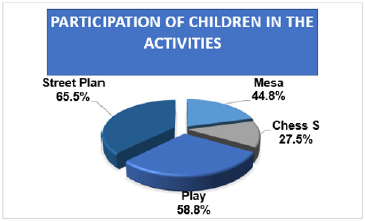
Figure 1.

Physical-recreational activities such as board games, simultaneous chess, to play and street plan were observed, carried out in the district # 9, of the Bengochea Distribution for 8 months from which the following results were obtained: The relatives and neighbors of the community felt concerned about how the children used their free time in activities not proper to their age, which was interfering in their bio-psycho-pedagogical and social development, since a systematization was not achieved in the physical-recreational activities that were carried out by the physical recreation teachers. It should be noted that disclosure does not disclose in advance all activities, which can influence the poor participation of children in the activities being carried out. As for the preparation of recreation teachers, although they have mastery of their work, it was found that not everyone prepares for the realization of the activities, nor do they carry out actions to increase the participation of children in recreational activities, since sometimes they showed demotivation, lack of creativity and interest in the search for alternatives or new games for the execution of the activities. In the aspect related to the participation of children in recreational activities in a general sense, Mal was evaluated; in the board games, only 5 girls and 8 boys attended for 44.8%. Regarding the simultaneous chess, 3 girls and 5 boys participated, for 27.5%. The highest participation was observed in the “A jugar”, with 7 girls and 10 boys, which represents 58.6% and in the Street Plan 9 girls and 10 boys were present, which represented 65.5% (Figure 1).
The evaluation of this aspect with respect to participation was influenced by the poor attendance of children aged 9-12 years to recreational physical activities, as well as the organization of the area for the development of activities, since the necessary conditions were not created in terms of the use and creativity of means and implements, the area for the execution of the activities was not correctly delimited, in addition there were no varied offers, since generally the planned activities were carried out and the space was not used to insert other small, recreational, traditional and / or pre-sports games. When applying the interview, it was possible to know that there are 6 children (20.6%) whose reasons are related to going to the cinema or the park with their friends, 5 (17.2%) watch tv, 8 (27.5%) use new technologies to play on the computer or Xbox, as well as connect on social networks with their smartphones, only 10 (34.4%) prefer to participate in physicalrecreational activities. The 4 neighbors of the community that represents 26.6%, raised that currently children from 9 – 12 have a marked interest in new technologies and the use of social networks, since in the area where they live there is a wifi antenna, in terms of support and realization of them to the recreational activities that are planned, participation may be better, in order to avoid other activities, which are not appropriate for their age, nor are they beneficial for the development of children, since sometimes it causes in some children, manifestations of inappropriate behaviors.
The relatives who represent 72.7% stated that they like their children to perform recreational activities, as well as games and sports, but that currently they do not participate for reasons of time, although they prefer to have their children quiet at home watching television or making use of new technologies, since they are motivated by electronic games or being connected in social networks, since in the area there is wifi and on the other hand 3 of the relatives who represent 27.2% do not like to pressure their children, and try to support them in what they like to do, referring to the activities of the age. In the results of the interviews conducted with the children, relatives, neighbors and recreation teachers, it was found that they had poor participation in the physicalrecreational activities that were offered, so that the children participated in other activities, many of which are not appropriate for their age, demonstrating the addiction to electronic games and social networks, this motivated the search and selection of several physical-recreational games that contributed to the increase in participation in the activities of children from 9 – 12 years old, from the constituency # 9 of the Bengochea Distribution of the municipality of Santa Clara.
For the selection of traditional games, the general characteristics according to Watson (2008) [10] were taken into account, which are:
a) They are played by children for the sheer pleasure of playing, who decide when, where and how to play.
b) Respond to children’s basic needs.
c) The rules are easy to understand, memorize and comply with, but they are also negotiable since they can be varied.
d) They do not require many materials and the necessary ones are not very expensive.
e) They are simple and easy to share with other players.
f) They can be practiced at any time and place.
g) They arise for a season, disappear and then reappear.
Some games are practiced more in winter times, since they involve greater physical and body movement, while others arise in times of greater heat (summer).

Below are 9 of the 15 Physical-Recreational Games that Were Put into Practice

The Three Towers

A. Development: At the signal of the teacher the participants formed in teams, but in trios, run to the cone, which is at a distance of 6 meters, then they enter a ring that take it to the waist and move to the little flag that is placed another 6 meters to which they turn, until they reach the cone where they leave the hoop and run in a trio to the finish line to give the exit to the next trio of the team, which will perform the same action.
B. Rules: The race is held in trios; no child can get ahead.

Balloon Up and Down

A. Materials: Balloons, water Organization: rows in teams Development: the participants with their legs apart, will be placed one after the other and at a small distance, at the signal of the teacher the first of each row will hold a balloon full of water and pass it over the head and the second will pass it underneath, until reaching the last child who will come running until the beginning of the row and will perform the same action until everyone has executed it.
B. Rules: Always the first of each row passes the balloon overhead and prevent it from breaking.

Wall, Hunter and Deer

A. Materials:

i. None Organization: Rows in teams Development: they begin by telling them that the wall is when the flexed arms are placed in front and the palms of the hands are open, the hunter is when one of the arms extends to the front reseling a rifle and the deer is when the hands are placed on the head making horns, the wall for the bullet fired by the hunter, the deer jumps the wall and the bullet kills the deer, then the teams are formed, these internally will agree and choose what action they will perform, then they are placed in rows facing each other, but on their backs, and to the sound of the teacher’s whistle the participants turn straight representing the wall, the hunter or deer who will accumulate points.
B. Rules: Only one action can be represented by the participants. If a team participant makes a mistake and does not do the action of the rest of his teammates, the team loses. The team that manages to accumulate the most points win.
C. Variants: It can be done with other animals or objects such as stone, paper and pencil.

Three-Foot Race

A. Materials: Rope. Organization: duos in teams Development: the participants in pairs, will be placed next to each other and will tie their ankles with a rope, and at the signal of the teacher they will run to the indicated distance, they will turn the cone and when they reach the finish line they will release the rope of the ankles and give it to the other couple.
B. Rules: They must run harmoniously without letting go. Teammates can help tie the rope. The team that finishes first and does it best wins.
C. Variant: You can divide the teams in two and place themselves in front of each other and do it in relay.

Transport of Objects in Duos

A. Materials: Cones, bowling, swiss, balls, flags. Organization: teams, duos Development: at the signal of the teacher the first pairs of children will move through the area carrying three different objects with their chests, but without using their hands, when they reach the finish line, they must pass the objects to another couple, and so on until they have all finished.
B. Rules: Couples cannot use their hands but can be helped by another participant. If an object falls it must be picked up and then continue the game. The team that first finishes having transported the objects without touching it wins.
C. Variant: You can transport the objects head-to-head, back to back, hip to hip, etc.

The Basket

A. Materials: Box (basket), cards Organization: rows in teams Development: the participants will be seated behind a starting line, at the signal of the teacher the first of each team will run to the basket and inside this there will be several cards with different syllables where the players upon arrival will have to form a word and say which one was the one that formed, because another player can not recreate it.
B. Rules: They must go out to the teacher’s signal. Players cannot form the same word twice. The team that has formed the most words win.
C. Variants: The teacher can say the word for the participants to form and the one who first creates it wins, it can also be done with mathematical operations.

To Fill the Knob

A. Materials: Buckets, knobs, disposable cups, water, flags Organization: rows in teams Development: the teams formed behind the starting line will have a plastic knob and at a distance a bucket with water is placed with a disposable glass inside, at the signal of the teacher the first participants run out with the knob, when they reach the place where the bucket is, they pour a glass of water and run back to give exit to the next child, so on until they all culminate.
B. Rules: The team with the most water on the knob wins. Participants must exit behind the starting line. Only one glass of water per player can be poured into the knob.
C. Variants: It can be executed by measuring time and players can repeat as many times as possible until the time given by the teacher is consumed.

Rock, Paper and Scissors in Motion

A. Material: Rings, chalk Organization: rows Development: they are placed in teams by rows facing each other, and at a distance of 20 meters hoops are placed or drawn with chalk, one after the other, changing direction every four implements. At the teacher’s signal the first students jump out on each hoop, as quickly as possible and when confronted by the participants say: “Rock, paper or scissors. One, two, three” each take out what they want. The participant who loses goes to the opposing team and the other continues, because from the other team another child must leave very quickly to prevent him from reaching the goal and challenge him with rock, paper or scissors, and so on everyone must perform the game until it ends.
B. Rules: The stone beats the scissors, the scissors the paper and the paper the stone. To leave a participant must wait for their child to lose or reach the finish line. You should jump on the hoops with both legs together.

The Chain with Rings

A. Materials: Rings Organization: rows or circles Development: two teams are formed and the participants hold hands forming a row or circle, between two children a ring is placed and at the signal of the teacher they must pass the hoop between the children to get from one end to the other in case of being in rows, and if it is in a circle that reaches the beginning where it began.
B. Rules: They must pass the hoop through the body without letting go of their hands. The team that first manages to pass the hoop among all the participants wins.
It is necessary to emphasize that in the organization and execution of the physical-recreational games it was not necessary that all the participants were in the teams, since the children repeated the actions of the game, in case their team was incomplete, since the proposed objective was to participate and complete all the proposed games. After applying the physical-recreational games, the evaluations issued by the participants were collected where they expressed the Positive, Negative and Interesting (PNI) of the games performed, in addition to observing the increase in participation, since the attendance ranged between 27 – 28 children for 96.5%, being evaluated very well where they raised how good they felt, the desire to continue playing, since many of the proposed games did not know them and others had done them in physical education classes, but in previous degrees, they also recognized the benefits of performing active games, observing the acceptance and impact of physical-recreational games, before the activities they carried out in their free time, as being most of their time dependent on new technologies, all this influenced the good organization of the areas, the creative use of media, the selection of new physicalrecreational games, according to the tastes and preferences of the children. During the practice of physical-recreational games, the children showed interest in the creation of variants, strengthening the educational work through the opportunities they had to express freely, creatively and voluntarily their criteria to express how they would like to perform the games, in addition there was a great enthusiasm on the part of the relatives, community managers, as well as teachers, in the dissemination and execution of physicalrecreational activities.
1. The motivated, active and conscious participation of the children was achieved under the principle of voluntariness, where they were managers, actors and protagonists of the physical-recreational games they executed.
2. The girls suggested holding traditional costume parties, modeling and games which were supported by the parents.
Most of the children did not have absences, indicating the satisfactory participation in the planned physical-recreational games, which managed to motivate its participants.
3. It is necessary to emphasize that in the execution of some physical-recreational games the children played with their relatives, where they demonstrated their experiences by stating that they “revived their childhood”.
4. The motivation for the realization of the physical-recreational games selected from the interest shown by the children, were supported by the relatives and neighbors of the community.
5. The execution of the physical-recreational games allowed to be more united, both with the children of the same sex, as well as the interaction with those of the opposite sex, which helped to develop traits such as tolerance, consideration and mutual respect attending to the individual possibilities of each one and in a general sense group work was favored.
6. The participation of the children in the different physicalrecreational games contributed to the formation of knowledge, habits, sports skills and the development of values.

Conclusion

In the diagnosis carried out, it was found that the participation of children aged 9 – 12 years of the constituency # 9, of the Bengochea Distribution, in the physical-recreational activities, was limited since they preferred to participate in other activities. The physical-recreational games were selected from a collective construction, taking into account the interests, tastes and preferences of the children of 9 -12 years of the circumscription # 9, of the Bengochea Distribution, which increased the participation to the physical-recreational activities. The participation in the activities, from the application of the physical-recreational games caused an atmosphere of socialization among the children, relatives, and other members of the community, where all the participants intervened, opined and supported, being the main managers, actors and protagonists.

For more Articles on: https://biomedres01.blogspot.com/

Thursday, October 13, 2022

Can Probiotics Play an Important Role Against COVID-19?

Can Probiotics Play an Important Role Against COVID-19?

Introduction

Probiotics are live microorganisms, which if administered at adequate amounts, confer beneficial physiological effects [1]. Previous study underscored the positive impact (whether directly or indirectly) of probiotics on the ACE enzymes [2]. During the process of food fermentation, probiotics make bioactive peptides which interfere with the ACE enzymes through blocking the active sites [3,4]. The debris of the dead probiotic cells can also work as inhibitors to ACE [1], suggesting that probiotics are possibly potential blockers to the ACE receptors, which act as gateway for SARS-CoV-2 to attack gastrointestinal cells. Imai and colleagues reported that ACE blockers could be used to decrease respiratory distress syndrome [5]. The prebiotics are defined as ‘substrates that are selectively utilized by host microorganisms conferring a health benefit’ [6]. Similar to probiotics, prebiotics can be orally administered into microbially colonized body sites to reach the intestine, or by a direct way to the skin or vaginal tract [6]. Prebiotics include lactosucrose, oligosaccharides, isomaltooligosaccharides, fructans, xylooligosaccharides, resistant starch, lactobionic acid, galactomannan, arabinooligosaccharides, psyllium, polyphenols and polyunsaturated fatty acids [6-8]. The health benefits of prebiotics to the gastrointestinal tract such as stimulation of immune system and inhibition of pathogens are because of their ability to modulate the activity and composition of human microbiota [1]. Prebiotics, which enhance probiotics survivability and growth, may have an excellent potential effect against COVID-19 [1]. Prebiotics could block the ACE enzymes, which may have a direct effect on gastrointestinal symptoms caused by COVID-19 [1]. There are many ongoing registered trials aiming to investigate the efficiency of probiotics in treating COVID-19 patients [9].
Some COVID-19 patients showed intestinal microbial dysbiosis characterized by decreased probiotics such as Lactobacillus and Bifidobacterium. Prebiotic or probiotic supplementation, and nutritional support has been recommended to re-normalize the balance of intestinal microbiota and decrease the risk of secondary infection due to bacterial translocation [10]. Probiotic supplementation could be a promising strategy given previous studies of the potential application of probiotics in treatment and prevention of various viral infections [1,11,12]. The elderly and disordered microbiota patients are the most susceptible groups to COVID-19. Thus, it is suggested that probiotics supplementation in those groups could increase the ability of the gastrointestinal microbiota in modulation of immunity and help in prevention of viral infections including COVID-19 [1]. Competition with pathogens for nutrients, production of anti-microbial substances, enhancement of the intestinal epithelial barrier, and adhesion to the intestinal epithelium, and modulation of the host immune system might explain clinical success of probiotics [13,14]. Saavedra and colleagues conducted randomized control trial of 55 infants and found that enteral supplementation with a combination of Streptococcus thermophiles and Bifidobacterium bifidum decreased the incidence of diarrhea and rotavirus shedding [15], which may indicate interference with entry of the virus into cells and/or inhibition of viral replication in the intestine. Although probiotics were not administered to the respiratory tract, this mechanism may play a role in lowering dissemination of SARS-CoV-2 through the gut. Therefore, direct inhibition may be impossible at the respiratory tract. Having said that, lungs have their own microbiota and a gut-lung connection has been previously reported whereby microbe-microbe host-microbe, and immune interactions could affect the course of respiratory diseases [14,16].
Growing evidence showed that the gut-lung axis plays a pivotal role in the pathogenicity of viral and bacterial and infections, as the intestinal microbiota could enhance the activity of alveolar macrophage, thus having a prophylactic role in host defense against pneumonia [17]. Respiratory tract infections such as influenza are linked with a dysbiosis in the microbial communities of the both gastrointestinal and respiratory tracts [18,19], which could alter immune function and facilitate secondary bacterial infection [14]. Previous studies reported that COVID-19 could be associated with intestinal dysbiosis leading to inflammatory reactions and poorer response to pathogens [20,21], the case exists for probiotics that could restore gut homeostasis [22]. Arroyo and colleagues evaluated the efficacy of oral administration of Lactobacillus fermentum CECT5716 or Lactobacillus salivarius CECT5713, two lactobacilli strains isolated from breast milk, compared with the efficacy of antibiotic therapy in treatment of lactational mastitis [23]. They found that females took the probiotics improved more and had reduced recurrence of mastitis than those who took the antibiotic therapy.
The gut microbiome plays a pivotal role in systemic immune responses, including those at distant mucosal sites such as the lungs [24,25]. Administration of certain lactobacilli or bifidobacteria helps in clearance of influenza virus from the respiratory tract [24,26]. Probiotic strains increase type I interferon levels, the activity and number of T cells, NK cells, antigen presenting cells, as well as the levels of systemic and mucosal specific antibodies in the lungs [24,27,28]. Growing evidence showed that probiotic strains could regulate the dynamic balance between proinflammatory and immunoregulatory cytokines that facilitate viral clearance with minimum immune response-mediated lung damage [14]. This seems be particularly important as a way to inhibit acute respiratory distress syndrome, which is the most feared complication of COVID-19.
Chong and colleagues reported that Lactobacillus plantarum DR7 suppressed plasma pro-inflammatory cytokines (TNF-α, IFN-γ,) in middle-aged adults, and enhanced anti-inflammatory cytokines (IL-10, IL-4,) in young adults, along with decreased levels of oxidative stress and plasma peroxidation [29]. This type of modulation is considered to be very important, especially for many COVID-19 patients, who have from cytokine storm. Orally administered probiotic strains appear to involve the immune response originating from the intestine, a main site of the body’s defenses. Thus, probiotic strains, which could improve the integrity of tight junctions, for example through butyrate augmentation, a fuel for colonocytes, may in theory decrease SARS-CoV-2 invasion [14]. Zuo and colleagues found that faecal samples with signature of low-to-none SARS-CoV-2 infectivity had higher abundances of short-chain fatty acid producing bacteria, Bacteroides stercoris, Parabacteroides merdae, Lachnospiraceae bacterium 1_1_57FAA, and Alistipes onderdonkii [30]. A recent study tested the impact of short-chain fatty acids (acetate, propionate and butyrate) in the infection by SARS-CoV-2 [31]. They found that short-chain fatty acids did not change SARS-CoV-2 entry or replication in intestinal cells. These metabolites had no effect on permeability of intestinal cells and had only little effect on the synthesis of anti-viral and inflammatory mediators. Although this may seem discouraging, we propose that testing real short-chain fatty acid-producing bacteria (not short-chain fatty acids only) may give good results. Testing bacteria is different from testing metabolite, especially that there are many current pieces of research that speak about virus-bacteria interactions [32,33].
Ren and colleagues reported that faecal and oral microbial diversity was remarkably decreased in confirmed COVID-19 patients versus healthy controls [34]. They found that there was a reduction in butyric acid-producing bacteria and an increase in lipopolysaccharide- producing bacteria in COVID-19 patients in oral cavity. Researchers reported that confirmed recovery COVID-19 patients showed depletion in 47 lipid molecules, including sphingomyelin (SM)(d40:4), SM(d38:5) and monoglyceride(33:5), and enrichment of phosphatidylcholine(36:4p), phosphatidylethanolamine (PE)(16:0p/20:5) and diglyceride(20:1/18:2) versus confirmed COVID-19 patients. This is the first study that explores the alterations in the human oral and gut microbiomes and lipidomics in COVID-19 patients, which may be involved in the development and progression of COVID-19 and could be also useful as an auxiliary diagnostic tool. Previous clinical and experimental studies reported that some probiotic strains have antiviral effects against common respiratory viruses, including respiratory syncytial virus, rhinovirus, influenza [12,28,35,36]. Although these mechanisms or effects have yet to be tested on the SARS-CoV-2, this should not refute considering this new line of investigation, especially when effects of probiotics against other coronavirus strains such as transmissible gastroenteritis virus have been reported [37-40]. Research is urgently needed to assess the effect of probiotics and prebiotics against SARS-CoV-2, which may lead to a better understanding of the bacterial dynamics in the gastrointestinal tract.

For more Articles on: https://biomedres01.blogspot.com/

Wednesday, October 12, 2022

Investigating Reliable Recovery Biomarkers of Ischemic Stroke: An Evidence-Based Study

Investigating Reliable Recovery Biomarkers of Ischemic Stroke: An Evidence-Based Study

Introduction

According to the World Health Organization, 15 million people worldwide suffer a stroke each year. Of these, nearly five million die and another five million are left permanently disabled [1]. Millions of stroke survivors are left with very limited motor functions or complete paralysis and depend on assistance [2]. Poststroke survivors majorly suffer from motor, sensory, cognition and language impairments. These impairments occur due to the loss of functions of brain regions surrounding the area of injury due to lesions which further lead to death of neurons of those regions [3]. Majority of cases of stroke are ischemic stroke [4]. Stroke recovery is the complex process due to its heterogeneous nature, where the making choices of treatment and prediction of outcomes and treatment responses are difficult [5].Prediction of outcomes in stroke can be useful to determine which intervention (such as behavioural and therapeutic interventions) will be more effective in stroke patients during the rehabilitation.
However, the methods for accurate prediction of longterm outcomes would allow clinical trials of restorative and rehabilitation interventions to be stratified based on the potential for neurobiological recovery in a way that is not possible if trials are performed in the absence of valid biomarkers [5,6]. A Stroke Recovery Biomarker (SRB) can be defined as an indicator of disease state that can be used as a measure of underlying molecular or cellular processes that may be difficult to measure directly in humans, and could be used to understand the outcome, or predict the recovery or treatment response [5]. Thus, when dealing with a condition as heterogeneous as stroke, validated biomarkers of recovery could help plan treatments and support efficient allocation of resource while maximizing outcome for the patients [7]. Identification of recovery biomarkers shall assist to advance the practice, rehabilitation and recovery after stroke. This systematic review has assessed the role of biomarkers and predictors of recovery in ischemic stroke.

Material and Methods

This systematic review was designed as per the guidelines of Preferred Reporting Items for Systematic reviews and Meta- Analysis (PRISMA) [8-10] and registered with PROSPERO (CRD42020209833) on 18th October 2020 [11].

Eligibility Criteria

Case-control studies reporting the biomarkers and predictors of recovery in ischemic stroke patients in English language published after the year 2000 were included. Studies on animal models, including diagnostic markers, prognostic markers and patients with other psychiatric or neurological conditions (other than stroke) were excluded.

The PICO (Population, Intervention, Comparator, and Outcome) format for this systematic review is:
• P: Patients diagnosed with ischemic stroke and no other psychiatric or neurological condition (other than stroke).
• I: Biomarkers or predictors of recovery in ischemic stroke.
• C: Relative levels of recovery biomarkers in post ischemic stroke patients were compared with the levels of recovery biomarkers found in control subjects.
• O: The most important outcome is the recovery of patients with ischemic stroke. The extent of recovery in ischemic stroke patients is mainly in terms of motor recovery, cognition recovery, sensory and language recovery. Recovery outcomes were measured using the standardized mean difference in level of biomarkers for individual studies.

Information Source

A systematic literature search was conducted using PubMed, Wiley online library, Rehab Data and PEDro Database. First, a comprehensive search was performed individually for all components of PICO. Later individual searches were combined with the help of Boolean operators (AND, OR, NOT). Search was performed with a combination of MeSH (Medical Subject heading terms) and keywords terms. The MeSH terms searched were “stroke”, “Rehabilitation”, “Biomarker” and “Brain Infarction”. Search was performed in September 2020 and was also updated before the submission. Search strategy was developed as per the Cochrane checklist of developing search strategy. [12] Structured strategy for PubMed is given in the Appendix A1.

Study Selection

Studies obtained through initial search from different databases were combined after removing duplicates using the Endnote “find duplicates” filter. A single reader read the title and abstract of all the obtained references. Screening of search records was performed against the predefined inclusion criteria and irrelevant studies were excluded. The reasons for excluding the studies during screening were also documented. Once preliminary articles were identified as potentially eligible, the papers were fully reviewed by two members to determine inclusion; and, disagreements in between were resolved by consensus. In case of multiple publications of the same study, the most recent publication was considered. Bibliographies and citation sections of retrieved articles had been reviewed for additional pertinent studies.

Data Extraction

A pre-specified data collection template was used to extract data from the articles obtained after screening and all disagreements were resolved by discussion among team members. The following information was extracted from the potentially eligible full-text studies;
• Publication details: Author’s name, year, journal’s name, country.
• Population related details: Total enrolled participants, gender, age, days post stroke, stage of stroke, number of participants in case-control groups.
• Intervention related details: Name of biomarker or predictor, type of biomarker or predictor, method to recognize biomarker or predictor, levels of biomarker or predictor in case-control groups.
• Outcome related details: Type of recovery, recovery in casecontrol groups, tools for assessing recovery, National Institute of Health Stroke Scale (NIHSS) score, Modified Ranklin Scale (MRS) score, correlation values in between biomarker/ predictor and recovery.

Quality Assessment

The Newcastle-Ottawa Scale (NOS) was used to assess the quality of studies independently by two authors. The NOS consists of three domains: selection, comparability, and outcome/exposure. It assigns a maximum of four stars for the selection, two stars for comparability and three stars for the exposure category. Thus, nine stars altogether indicate the high quality, seven to eight stars indicate medium quality and six or less stars indicate low quality. Any conflicts were resolved by consensus and individual score of each study was recorded which represents the quality of study.

Risk of Bias in Individual Study

The Cochrane Collaboration’s tool for assessing the risk of bias was used for the risk-bias-assessment at the study level. The assessment was done for the domains namely random sequence generation and allocation concealment for selection bias; incomplete outcome data (attrition bias); selective reporting of outcome (reporting bias); and other biases including publication bias [12].

Data Synthesis and Analysis

The extraction of data from eligible studies was done in Excel spreadsheet, Microsoft Office 2010 (Washington, USA). A meta-analysis of studies was performed through standardized mean difference of recovery biomarker levels. The mean levels of recovery biomarkers or predictors obtained by selected studies were compared in between case and control groups. A value of P<0.05 was interpreted as statistically significant. The I² index was used to assess heterogeneity between studies [13,14]. Random effect and fixed effect models were used to calculate the mean effect size of studies with significant heterogeneity (I² >75%) and without significant heterogeneity (I² <75%), respectively. For systematic review and risk of bias assessment, Review Manager 5.3, Copenhagen: The Nordic Cochrane Centre, The Cochrane Collaboration, 2014 was used [15].

Results

Study Selection

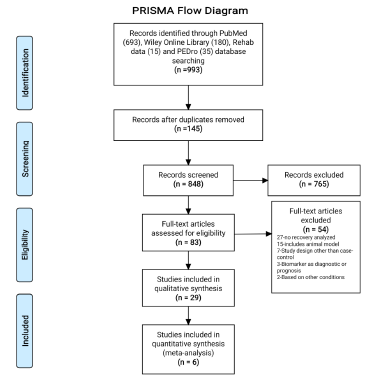
A total of 993 potentially relevant studies were identified using online databases (PubMed, Wiley online library, Rehab Data and PEDro Database) through a systematic search strategy. The 145 duplicates were found and removed after combining the studies obtained from different databases. After screening the titles of 848 studies, 765 studies were excluded, as they were found irrelevant. Further abstract screening of the remaining 83 studies found 32 studies ineligibles as study design was other than case-control, animal models, diagnostic or prognostic markers, based on other conditions and no recovery was assessed. Thus, a total of 51 studies were identified for full text screening. Identified full text studies were retrieved and screened for the eligibility. After detailed evaluation, 29 studies were found to be eligible for final analysis and measuring at least one or more of the considered outcomes in this systematic review [7,16-43]. The PRISMA flow diagram for selection of studies has been represented in (Figure 1).

biomedres-openaccess-journal-bjstr

Figure 1: PRISMA flow diagram representing the selection of studies.

Study Characteristics

The results of this systematic review are based on 29 studies involving 2528 participants. Out of 2528 participants, 926 were in the case group (patients diagnosed with ischemic stroke) and 1602 were in the control group (healthy volunteers). The average age and range of pooled patients were 59.49±5.98 years and 21-93 years, respectively. The results of 12 studies were based on acute stage stroke patients, nine studies on chronic stage, and three studies on sub-acute, two studies on combination of acute and chronic stage and in remaining three studies stage was not specified. Thus, the majority of participants (567/926) in the case group were found with acute stage of Ischemic stroke while, 237/926 participants were with chronic stage. The average months after the occurrence of stroke, when recovery was assessed in participants were found to be 19.36±27.55 months.
The majority of studies (20/29) reported motor recovery while few studies reported cognition recovery (3/29), sensory recovery (2/29), combination of motor and cognition recovery (3/29) and combination of motor and sensory recovery (1/29). Total 27 different measures were used to capture the outcome (recovery) in the participants enrolled in the included studies. The most common used measures of recovery were: General measures- National Institute of Health Stroke Scale (NIHSS), Modified Ranklin Scale (MRS); Motor recovery measures- Fugl Meyer Assessment (FMA), Wolf Motor Function Test (WMFT), Action Research Arm Test (ARAT), Arm Motor Ability Test (AMAT), Motor Assessment Scale, Finger Tapping (FT), Ashworth Scale, Chedoke-McMaster Stroke Assessment (CMSA), Barthel Index (BI), Grip strength, and Edinburg Handedness Inventory (EHI quotient); Cognition recovery measures-Mini–Mental State Examination (MMSE) and Montreal Cognitive Assessment (MCA). The publication, population, intervention and outcome characteristics of all selected studies are presented in the Appendix Table 1.

biomedres-openaccess-journal-bjstr

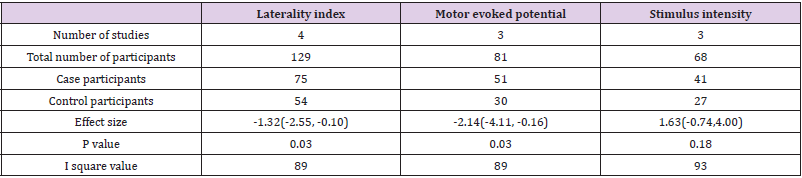
Table 1: Overall effect estimate of laterality index, motor evoked potential and stimulus intensity.

Biomarkers and Predictors

A total of 22 markers were reported in this systematic review. Further, these markers were categorized in sections: Motor Evoked Potential (MEP), Laterality, Cortico-Spinal Tract (CST), brain oscillatory activity, brain connectivity and activation, location, size and volume, cerebral blood flow and others. The details of the markers and their association with the recovery in Ischemic stroke patients are presented in the Appendix Table 2. Predictors like MEP (onset, amplitude, area and selectivity), laterality (laterality changes and index), brain oscillatory activity (event related desynchronization), brain connectivity and activation (resting state functional connectivity, ipsilesional cortico-cerebellar functional connectivity, brain activation and stimulus intensity), CST (damage, weighted CST lesion load) were found positively correlated with the recovery in ischemic stroke. On another hand, predictors like lesion size, infarct volume, lesion topography and white matter integrity were found negatively correlated with the recovery.

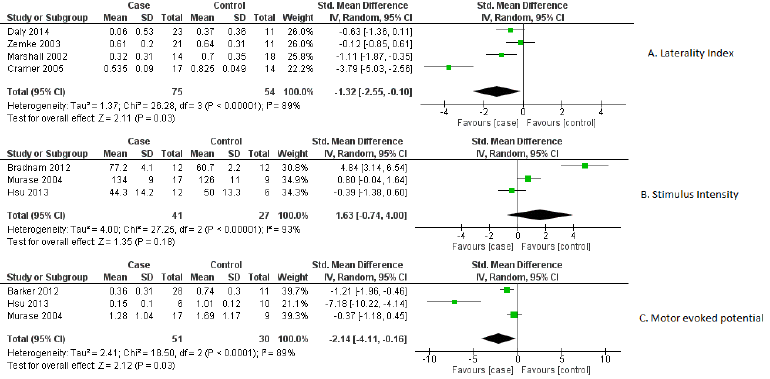
Out of 22 markers, three relevant markers were analysed by performing meta-analysis. The performance of these markers was measured in terms of their capability of differentiating the recovery of ischemic stroke from healthy participants. The standardized mean difference value of markers was used as an outcome measure for differentiation between case-control groups. As a significant heterogeneity was found, therefore the random-effects model was chosen over the fixed effects model. These relevant biomarkers differentiated ischemic stroke’s recovery from controls with good performance: MEP [standardized mean difference -2.14, 95% CI (-4.11, -0.16), P =0.03], laterality index [standardized mean difference -1.32, 95% CI (-2.55, -0.10.), P =0.03] and stimulus intensity [standardized mean difference 1.63, 95% CI (-0.74, 4.00), P =0.18]. The individual study effect sizes were reported in the forest plots based on outcomes. In view of the study wise reporting of markers, sample size was the highest for laterality index (129 participants), whereas the sample size for MEP and stimulus intensity were 81 and 68 participants respectively. The overall effect estimates of laterality, MEP and stimulus intensity were represented in (Table 1). The visual examination through the forest plot reflects that laterality index and MEP markers favours the case group. While the marker stimulus intensity favours the control group. The forest plot of these above mentioned three markers were represented in (Figure 2).

biomedres-openaccess-journal-bjstr

Figure 2: Forest plot of biomarkers
A) Laterality index,
B) Stimulus intensity and
C) Motor evoked potential.

Quality of Studies

Three parameters of quality: selection, comparability, and outcome/exposure were measured through NOS scale. One study was found to have high quality (nine point’s altogether), 23 studies had medium quality (seven-eight points) and five studies were poor quality reports (≤ six points).

Risk of Bias

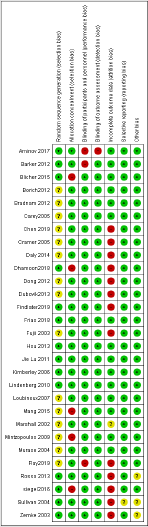
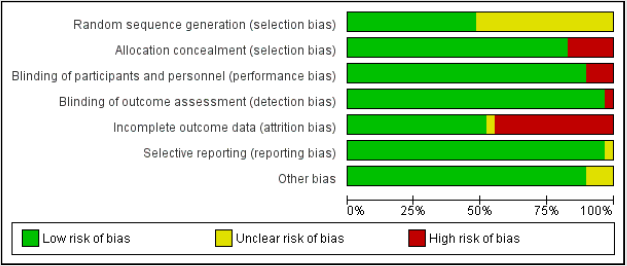
Mainly selection and attrition bias were observed within the selected studies. In few studies reporting and performance biases were also detected as the outcome was found to be reported only for selected groups. The risk of bias was considered adequate for the outcomes. The risk of bias for individual study and their summary were represented in (Figures 3 & 4) respectively.

biomedres-openaccess-journal-bjstr

Figure 3: Risk of bias for individual studies.

biomedres-openaccess-journal-bjstr

Figure 4: Summary of risk of bias.

Discussion

This review has systematically evaluated the biomarkers and predictors of recovery in ischemic stroke as well as their association with the recovery. A number of studies have assessed the association of various markers with the recovery after stroke. Among these, studies with case-control design are growing in number to determine the best predictor which can differentiate recovery in stroke patients from severely affected ones as well as healthy participants. To the best of knowledge, this is the first systematic review based on a case-control design to evaluate the markers which can predict and differentiate the recovery after the stroke. Through the comprehensive literature search, a total of 22 rapidly growing markers were found to be associated with the recovery after stroke. These markers were further categorized into eight broad categories in this review. The results of this review indicate that out of 22 markers, the laterality index and MEP were the only biomarkers that show relevant association with recovery. Hayward, et al. [44] reported MEP as the relevant biomarker to predict motor recovery which is consistent with our results. In addition, the results of this study demonstrated that the laterality index is also strongly associated with the outcome. Single- or repetitive-pulse stimulation of the brain causes the spinal cord and peripheral muscles to produce neuro electric signals known as MEPs [45]. MEPs or their absence serve as indications of the cortico motor pathway’s functional integrity and excitability, facilitating the assessment of associated motor impairment at the time of testing [46]. In this review, different variables of MEP such as MEP onset, MEP amplitude and MEP area were also found to be strongly associated with the recovery. The presence of MEP indicated better recovery and the mean values of MEP amplitude were found to be higher in healthy subjects than ischemic stroke participants.
Aside from MEP, the laterality index was revealed to be a relevant biomarker in this study. The laterality index is a method of determining hemisphere dominance in a range of activities, including language, cognitive skills, and changes in laterality in clinical populations, as in post-stroke condition [47]. In post-stroke fMRI investigations, it has been used to identify neuro plastic alterations in stroke survivors [37]. Further, it was found to be associated with greater activation in the hemisphere contralateral to the working limb (lesioned hemisphere) versus the hemisphere ipsilateral to the working limb (non-lesioned hemisphere) [24]. In this review, the laterality index was mainly extracted from functional MRI (fMRI) in most of the included studies and revealed that stroke is associated with a less lateralized pattern of activation when compared to healthy participants. It further indicated, more the shift towards the normal state of brain function is associated with a better recovery stage after stroke. In contrast to MEP and the laterality index, the pooled values of brain stimulus intensity were identified as statistically insignificant biomarker in this review. Increased stimulus intensity has been linked to a reduction in response time which represents rapid sensory and perceptual processing manifested in the presence of more intense physical stimuli. Further, in stroke survivors, the role of stimulus intensity was also detected in preparing voluntary movements using various techniques such as transcranial direct current stimulation (tDCS) and transcranial magnetic stimulation (TMS) [48]. However, the stimulus intensity for tDCS cannot be individualized based on motor thresholds as for repetitive TMS and may produce variable effects between individuals [39].
In this review the pattern of mean values in the case of brain stimulus intensity was found to be higher in ischemic stroke participants than healthy participants. The mean values of markers of the CST (CST integrity), brain oscillatory activity and connectivity were slightly higher in healthy subjects. The markers like lesion size, location, and infarct volume and lesion topography were not found to have any significant association with the recovery. Authors also want to address the limitations of presented study. Our literature search was constrained to articles only in the English language, which creates the possibility to have somewhat biased results. The outcome measurement in all the included studies was made with a variety of tools and different endpoints. Due to the limited individual patient data, pooling was not possible for all the biomarkers. Thus, it further suggests future studies to investigate recovery biomarkers mainly for cognition and sensory recoveries after stroke.

Conclusion

This review concludes that laterality index, MEP and stimulus intensity are the most relevant biomarkers to predict motor recovery in ischemic stroke patients. The biomarkers of cognition and sensory recoveries, association of markers with individual recovery as well as combination of recoveries (like sensory & motor, cognition & motor and sensory, cognition & motor) need to be investigated more in future studies to predict the recovery with greater precision.

For more Articles on: https://biomedres01.blogspot.com/

Tuesday, October 11, 2022

Comparing the Workplace Organization Method 5s with the 7 Wastes (Muda) in Waste and Failure Management Tool, in the Health Care Quality Management

Comparing the Workplace Organization Method 5s with the 7 Wastes (Muda) in Waste and Failure Management Tool, in the Health Care Quality Management

Introduction

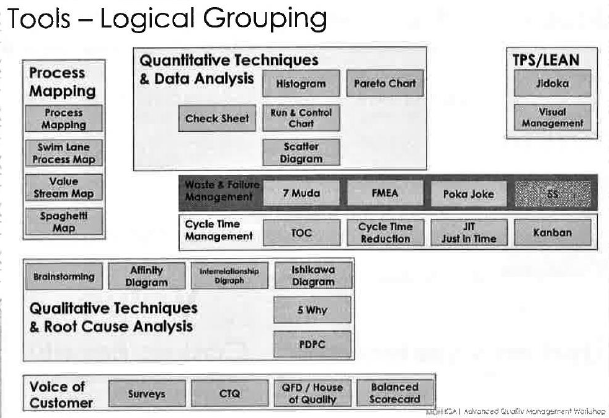
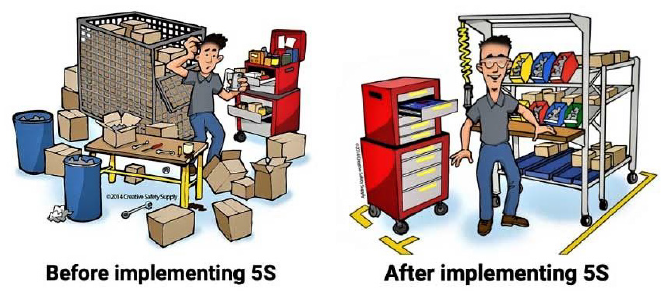
The 5S is a workplace organization system [1] designed to help build a quality work environment, both physically and mentally. The 5S condition of a work area is critical to the morale of employees and the basis of customers first impressions. Management’s attitude regarding employees is often reflected in the 5S condition of the work area. The 5S are: (Redesighningcare, 2017) [1] Seiri (sorting or “SORT”), Seiton (set in order or “STREIGTEN”), Seiso (Systematic cleaning or “SHINE”), Seiketsu (Standardizing or “STANDERDIZE”), Shitsuke (Sustaining or “SUSTAIN”) (Figures 1& 2).

biomedres-openaccess-journal-bjstr

Figure 1: Classification of tools [2].

biomedres-openaccess-journal-bjstr

Figure 2: Before and after implementing 5S Methodology [3].

5S – Step 1 – Sort: Eliminate Items

(Marc Karschies, 2017) “When in doubt, move it out” [2]. Inventories can hold significant values of overstocked, expired and/or useless items. Sort items by logical grouping and get rid of unnecessary or expired items to make space for everything else. If you are not sure about something, put it aside for a few days and see if anyone needs it. Sorting Categories includes: [2]
1. Expired stock (Discard),
2. Replaced by different item/ Never used/ Obsolete items (Discard),
3. Does not belong/ To be returned (Returned to correct dept)
4. Stored elsewhere (Move to correct storage)
5. Overstock to be used (Block reorder until used – Kanban),
6. Mystery items (Investigate and then recategorize),
7. Rarely used (Move to less prominent storage location),
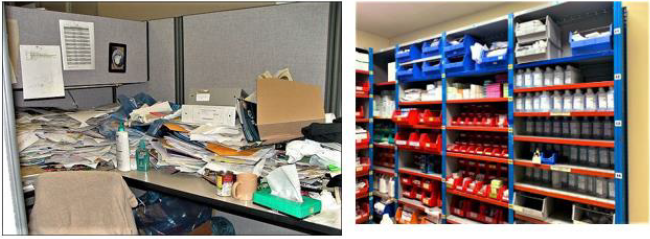
8. Patient specific (Move to special storage) (Figure 3).

biomedres-openaccess-journal-bjstr

Figure 3: (Google images, 2021) [3].

5S – Step 2 – Set in Order, Arrange Items

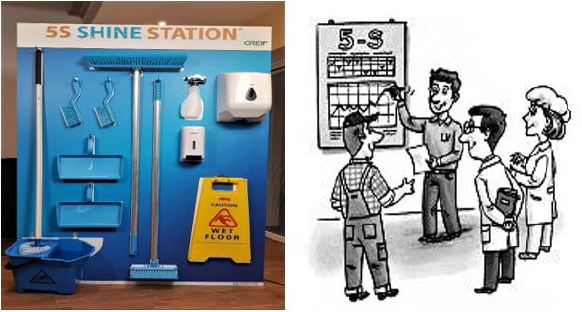
“A place for everything and everything in its place” [2]. Use containers that hold exactly the right quantity to prevent overstock. Use to bin system – time to restock + buffer = bin size; empty bin = reorder. Label items (with pictures) so everyone can find them or put them away (Figure 4).

biomedres-openaccess-journal-bjstr

Figure 4: (Google images, 2021).

5S – Step 3 – Shine. Neat & Clean

Spot problems quickly by keeping the area spotless [2]. Shine regularly. If something is always in the wrong spot, maybe it needs a new home.

5S – Step 4 – Standardize. Consistent Approach

Make sure everyone is doing things the same way [2]. All drawers organized the same way.

5S – Step 5 – Sustain. Maintain Correct Procedures

When clean in the normal, it is time to see what else you can improve [2]. Perform 5S Audits (e.g with laminated preprinted test scripts like “find XYZ”. Is everything in the right place? Is everything in the right quantity? Perform team huddles to identify further improvement opportunities.

Toyota’s (Ohno’s) Seven Forms of Waste [3]

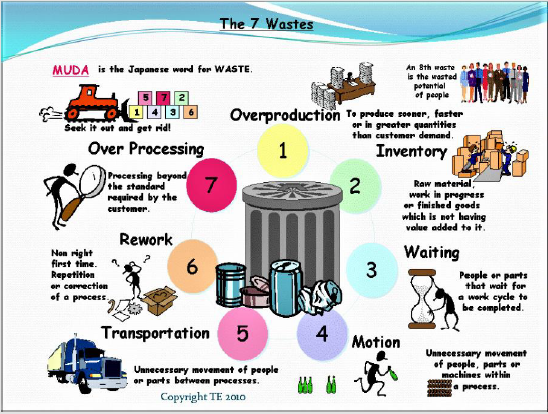
Taiichi Ohno “father” of the Toyota Production System originally identified seven forms of Muda or waste [3].

Transportation

Every time a product is touched or moved unnecessarily there is a risk that it could be damaged, lost, delayed, etc. as well as being a cost for no added value.

Inventory

Whether in the form of raw materials, work-in-progress (WIP), or finished goods, represents a capital outlay that cannot yet produce an income [3].

Motion

Motion refers to the damage and costs inflicted on what creates the product. This can include wear and tear for equipment, repetitive strain injuries for workers or unnecessary downtime.

Waiting

Whenever the product is not in transportation or being processed, it is waiting (typically in a queue).

Overproduction

Making more of a product than is required results in several forms of waste, typically caused by production in large batches.

Over processing

Doing more to a product than is required by the end-customer results in it taking longer and costing more to produce [3].

Defects

Having to discard or rework a product due to earlier defective work [3] (Figure 5).

biomedres-openaccess-journal-bjstr

Figure 5: (Lean manufacturing tools, 2021).

Methods

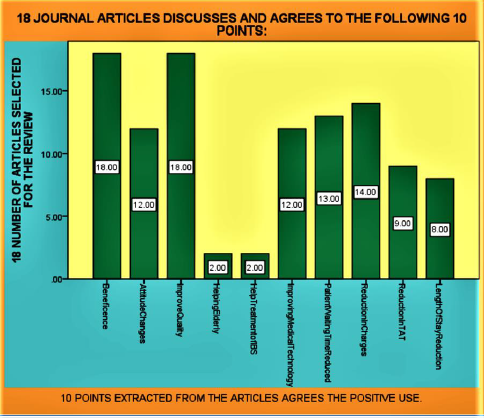
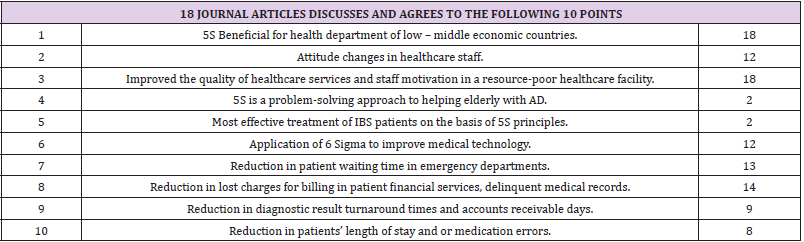
The Author of this article has chosen literature review methodology of 18 random research articles and quality management websites. By reviewing the literature, we have chosen 10 different points in 18 articles discussing or agreeing on where 5S and 7 Muda are beneficial. Most of the chosen articles discusses the quality management in the health sector and their benefits. The 5S management method [4] (where 5S stands for sort, set in order, shine, standardize, and sustain) was originally implemented by manufacturing enterprises in Japan. It was then introduced to the manufacturing sector in the West and eventually applied to the health sector for organizing and standardizing the workplace. 5S has recently received attention as a potential solution for [4] improving government health-care services in low- and middleincome countries. The 5S has the potential to improve [5] client satisfaction at resource-poor health facilities and could therefore be recommended as a strategic option for improving the quality of healthcare service in low- and middle-income countries. To explore more effective intervention modalities, further studies need to address [5] the mechanisms by which 5S leads to attitude changes in healthcare staff.

The pilot intervention of the 5S management method [6] was perceived to have improved the quality of healthcare services and staff motivation in a resource-poor healthcare facility with a disorderly work environment in Senegal. Quantitative and qualitative research based on a larger-scale intervention would be needed to elaborate and validate these findings and to identify the [6] cost-effectiveness of such intervention in low- and middleincome countries. Dental caries and periodontal disease [7] are common in elderly with AD. These dental problems are ambulatory care-sensitive conditions, where effective community dental care can help to prevent the need for hospital admission. 5S is a problem-solving approach to helping elderly with AD [7] build and sustain effective oral hygiene practices for improving their oral health. Irritable Bowel syndrome IBS specialists [8] from around the world established by consensus two best practice charters: the 5S Principles and the 5C Concept. The 5S Principles were conceived to provide health care providers with key guidance for improving clinical practice based on best management approaches. They comprise the following categories: Stage the disease; Stratify patients; Set treatment goals; Select appropriate treatment; and Supervise therapy. Optimized management of patients with IBD based on the 5S Principles can be [8] achieved most effectively within an optimized clinical care environment.

Measure and Statistical Analysis (Table 1 & Figure 6)

biomedres-openaccess-journal-bjstr

Figure 6: SPSS Diagram regarding showing 10 points agrees by 18 articles.

biomedres-openaccess-journal-bjstr

Table 1: 18 Journal Articles Discusses and Agrees to the Following 10 Points.

Results

There is a table and SPSS diagram representing the literature review regarding 18 articles including quality management website. Table title is (18 JOURNAL ARTICLES DISCUSSES AND AGREES TO THE FOLLOWING 10 POINTS). SPSS diagram clearly shows the number of times each article discusses the chosen 10 points. The 10 points includes the agreement of points beneficial for health sector by using 5S and 7 Muda methodology. The healthcare organization is the place [9] where defects and mistakes cannot be tolerated. A simple mistake can cost a human life so defects or mistakes must be eliminated in healthcare service processes. The LSS methodology optimizes the average reduction of a desired process. The expected results can be reductions in several aspects of healthcare such as patient waiting time in emergency departments, lost charges for billing in patient financial services, delinquent medical records, diagnostic result turnaround [9] times, accounts receivable days, patients’ length of stay, or medication errors. Findings lean six sigma LSS is a powerful process improvement [10] methodology that could be applied by health-care sectors to reduce medication errors, increase patient safety and reduce operational costs. Common Lean and Six Sigma tools play a significant role in improving and sustaining the medication process. Practical implications It is necessary for the project team to select the most appropriate LSS tools to address medication process problems. Adoption of a LSS [10] roadmap could help health-care organizations in the successful implementation of LSS. Lean and Six Sigma can be considered [11] valuable process optimization approaches in acute health care settings. The success of their implementation requires significant participation of clinical personnel from the frontline as well as clinical leaders and managers. More research is needed to better understand the factors of success and the barriers to their [11] implementation, as well as their long-term impact.

Discussion

The Medical record department (MRD) [12] is the critical department for the hospital information system and, therefore, the continuous improvement of its services and processes, through scientific methods such as Lean management, are essential. The benefits of Lean for healthcare organizations are that first, the quality of the outcomes in terms of mistakes and errors improves. The second is [12] that the amount of time taken through the whole process significantly improves. Lean and Six Sigma are (Janet H Sanders and Tedd Karr, 2015) continuous improvement methodologies that have garnered international fame for improving manufacturing and service processes. Six Sigma’s Define, Measure, Analyze, Improve, and Control methodology is very similar to good medical practice: first, relevant information is obtained and assembled; second, a careful and thorough diagnosis is completed; third, a treatment is proposed and implemented; and fourth, checks are [13] made to determine if the treatment was effective. The role of Six Sigma philosophy in improvement [14] of the quality of healthcare services is recognized both by researchers and by quality practitioners; discrete-event simulation models are commonly used to improve the key performance measures of patient care delivery. The two approaches are seldom referenced and implemented together however, they [14] could be successfully integrated to carry out quality improvement programs. Six Sigma’s data measurement and process [15] improvement methodology is the impetus for health care organizations to rethink their workflow and reduce malpractice. It involves measuring, recording and reporting data on a regular basis. This enables the administration to monitor workflow continuously. Implementation of the design, measure, analyse, improve and control (DMAIC) improvement cycle, workflow chart, fishbone diagrams and Pareto charts [15] were employed, together with rigorous data collection in the department [16-18].

Conclusion

To conclude the article, 18 of the articles including the quality management websites agrees on the use of 5S and 7 Muda methodology. Different organization around the globe are using 5S and 7 Muda methodology to get benefits for improvement of their health care system. The step-by-step process of 5S and 7 Muda methodology is smart way to start, monitor, finish and follow up the broken health system in several countries.

For more Articles on: https://biomedres01.blogspot.com/

Isolation and Identification of Bacteria Associated with Hawked Suya Meat: A Case Study of Bokkos Local Government Area, Plateau State, Nigeria

  Isolation and Identification of Bacteria Associated with Hawked Suya Meat: A Case Study of Bokkos Local Government Area, Plateau State, Ni...