Showing posts with label Journals on Medical Microbiology. Show all posts

Saturday, June 25, 2022

Home-Based Mirror Therapy with Individual Set of Exercises Improves Phantom Limb Pain and Phantom Limb Sensation of Lower Extremity Amputees

Home-Based Mirror Therapy with Individual Set of Exercises Improves Phantom Limb Pain and Phantom Limb Sensation of Lower Extremity Amputees

Introduction

Lower limb amputation could be the final decision to solve uncurable disorders due to trauma, infection and other general diseases [1,2]. However, the amputees might suffer lasting phantom limb phenomenon (PLPh) (including phantom limb pain (PLP) and phantom limb sensation PLS [3]) with many negative impacts on their life such as the increasing demand of pain killer, depression and impairment of daily activities and social functions [4]. The rate of PLPh is about 85% [5,6]. A study found that more than 50% of patients with PLP suffered daily pain with the significant intensity rated from moderate to severe [7]. The treatment mainly includes three main groups: pharmacology, non-pharmacology and surgery. Each approach has its own advantages and disadvantages relating to complications and cost benefit. Recently, mirror therapy is emerging and considered as a safe, economic and effective procedure in treatment of PLPh [9-11], although it was first used by Ramachandran VS in 1996 [8]. By placing a mirror parasagittally between the arms or legs and viewing the reflected movements of the intact limb while attempting simultaneous movements with the phantom limb, the intention is that the patient perceives the reflection to be their amputated limb. This phenomenon possibly addresses incongruence between proprioceptive and visual inputs caused by cortical reorganization. Currently, the method is improved with many kinds of exercises so that the patients could do at home by themselves. However, one of the key for success is to select the appropriate exercise for individual.

Objectives

Our study was designed to investigate the improvement of PLP and depression after home-based mirror therapy with personalized exercises for lower limb amputee amputation.

Methods

We conducted the study with any patient who did not reduced the PLP symptoms after a month of surgery

Criteria

Inclusion Criteria

a) Unilateral lower limb amputation

b) Phantom limb pain score (40-100 on VAS)

c) Either gender.

Exclusion Criteria

a) Amputees with psychological/neurological impairments.

b) Amputees having neuropathic pain other than phantom limb pain.

c) Patients having visual-spatial impairments.

d) Patients having residual limb pain.

e) Inability to give informed consent.

f) Infectious stump

g) Severe hearing loss

h) Any condition that restricts the movement of opposite limb, pain or limited range of motion in the intact limb

i) Infectious and systematic diseases.

Research Design

Case -Series Study

Procedures

The patients were initially recorded information and assessed about pain with VAS and their use of pain killer and depression with CESD(Center for Epidemiologic Studies Depression Scale. Each patient also received an appropriate mirror and a booklet that contains guides of basic eleven exercises. In general, the exercise program was based on Netherlands guidelines [12] and the Ministry of Health’s guidelines on mirror therapy for PLPh [13] and included three groups: facilitation of visual illusion, sensory exercises, and basic motor exercises. However, each patient had individual exercises according to their preferences. The patients were asked to try every exercise, note which one made them comfortable and select at least one exercise of each group. That meant each patient had a personal set of exercise.

In this study, we used a 3mm thick acrylic glass with a cushion and a wooden frame to enhance its stability and prevent the injuries caused by the edge of the mirror. It had the enough length and width so that the reflection of the normal legs during exercise was complete and clear in the mirror (Figure 1). We recommended they would finish their set twice a day, at least 15 minutes per one time. The investigator would perform video call to check their adherence every two days of the first week and then once a week for 3 weeks. After finishing the one month program, the patients would be reassessed.
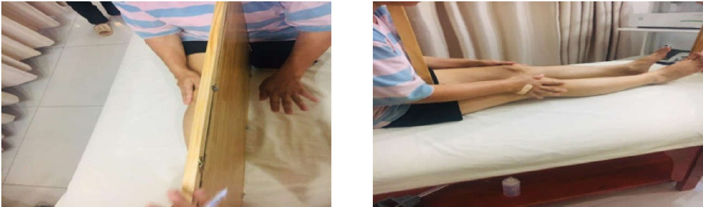
Figure 1: Exercises with mirror (Source: Actual pictures).

Data Analysis

All analytical procedures use Stata 14.2 software.

Results

20 patients were recruited in the study from January 2020 to August 2020 at HCMC Hospital for Rehabilitation and Occupational Diseases. More than half of them were 35 years or older (55%). Male was the majority (90%). The cause of amputation mainly was trauma. The level of amputation around knee was met in 60% (Table 1A). The point of time to start the mirror therapy was about 35.5 days after amputation. The average follow-up time was 4 months. The pain characteristics were illustrated in Table 1B. The chief complain was both phantom limb pain(PLP) and phantom limb sensation (PLS). Its onset appeared rather soon from 1 to 3 days after amputation. The pain intensity was significant from moderate to severe. The sorrow lasted long with 150 minutes per day in average (Table 2). The depression condition was illustrated in Table 3. Two third of patients had signs and symptoms of depression with CESD more than 16. 19/20 patients demonstrated their adherence at the time of call. One half said they could finished all the exercises with interesting;nearly50% did not prefer Hip abduction and adduction , picking up gravel with toes into a cup and writing letters with your feet in the air (Table 2).
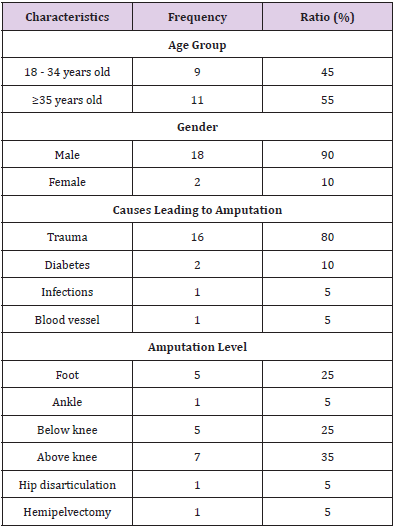
Table 1A: Demographic of the patients (n=20).
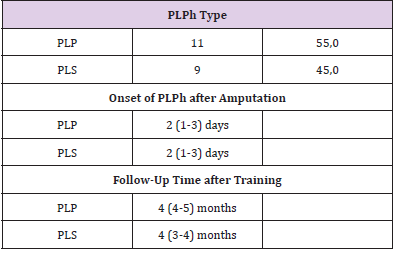
Table 1B: Pain characteristics.
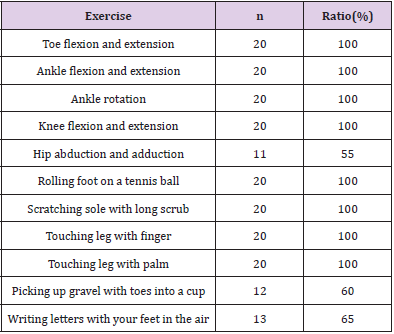
Table 2: The patient’s preference of exercise.
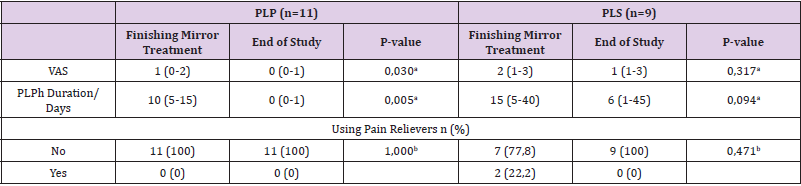
Table 3: PLPh results at the time end of study (n=20).

The intensity and the total daily time experiencing pain(TDTEP) of PLP significantly decreased after training mirror exercises in both groups of patients with PLP and PLS (Table 4). The extent of drug use also decreased up to ‘no use’ in patients with PLP and to a rather small extent in patients with PLS (p < 0.05 Table 4). The results was still kept maintenance or improved (Table 3) after finishing the therapy program. Depression scores also decreased after treatment and continued to decline (p <0,001 Table 5). The study results did not find a statistical significance relationship between the effect of reducing the intensity, duration of PLPh, depression score CESD with factors such as age, gender, cause of amputation, degree of amputation with p-values > 0.05 (Table 5). We did not find the relationship between pain and depression improvement with the factors such as age, gender, cause of amputation, level of amputation (Table 6).
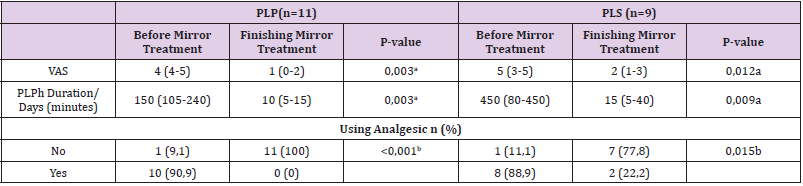
Table 4: PLPh results at the time of finishing mirror training (n=20).

Table 5: The results of depression after mirror treatment (n=20).

aAccredit Wilcoxon signed-rank, bAccredit Fisher, cAccredit Chi square.
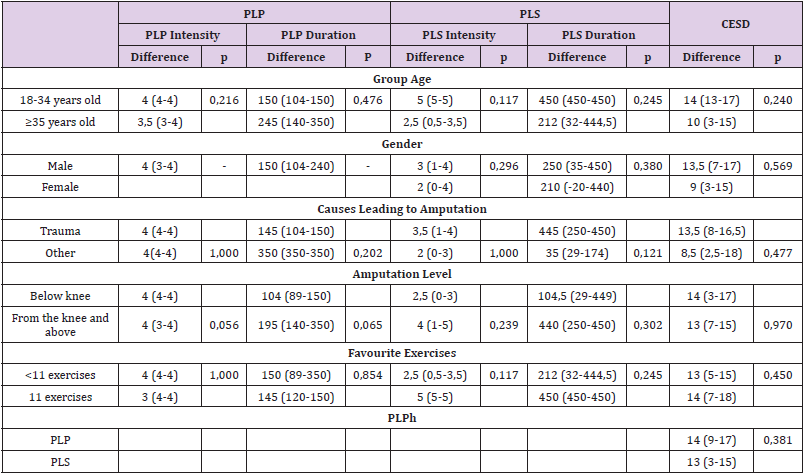
Table 6: The relation between improved difference PLPh, CESD and other factors (n=20).

Discussion

Post-amputation phantom limb pain (PLP) is highly prevalent and might be very difficult to treat. The high-prevalence, high-pain intensity levels, and decreased quality of life associated with PLP compel scientists to find out the ways to prevent, manage, and reverse this chronic pain condition. Currently, Nonoperative and non-drug PLP interventions include targeted muscle reinnervation (TMR), repetitive transcranial magnetic stimulation (rTMS), imaginal phantom limb exercises, mirror therapy (MT), virtual and augmented reality, and eye movement desensitization and reprocessing (EMDR) therapy. They are reported to be effective , however, no one is widely accepted or clearly superior to the others. Moreover, not one intervention has been found to be consistently effective [16]. Mirror therapy seems to be an suitable way for developing countries with their high rate of amputation because mirror could be available with low cost in anywhere. Mirror therapy is expected to be widely used for the treatment of phantom limb pain since it is easy to use at both home and in outpatient departments.

There are many theories to explain the mechanism of mirror therapy. Despite how the therapy has effect on central nervous system and reduce pain, one of the most important keys for success is the patient’s adherence. It is much easy to strictly follow the treatment program if the program includes simple and feasible exercises. It is also more significant if the patients experience the exercises at least one time and that makes them comfortable. That is the reason why we built a set of exercises basing on the patient’s preference. To our knowledge few study have similar treatment approach. Our encouraging results reinforce the previous studies in which mirror therapy reduced PLP in lower extremity amputees [9-11,16]. However, the “rebound phenomenon” after stopping practicing mirror exercises might be a big concern. In order to evaluate the stability of the effectiveness we still followed up our patients for about 4 months . We found that the intensity and TDTEP of PLPh continued to decrease. We also found some accompanying positive effects such as the decrease of the demand of pain killer and improvement of depression condition. The Darnall BD study also gave similar results [10].

Conclusion

Home based Four- week practice of mirror therapy with an individual set of exercises based on the patient’s result in significant reduction of PLP and PLPh and their improvement of depression condition in lower limb amputees. The interventions are simple and cost- benefit thus appropriate to the low-resource communities.

For more Articles on : https://biomedres01.blogspot.com/

Friday, June 24, 2022

Freshwater Snails Infection Status and Predisposing Risk Factors to Schistosomiasis in Doma Local Government Area, Nasarawa State, Nigeria

Freshwater Snails Infection Status and Predisposing Risk Factors to Schistosomiasis in Doma Local Government Area, Nasarawa State, Nigeria

Introduction

Schistosomiasis is also referred to as snail fever or bilharziasis. It is a tropical parasitic disease caused by schistosome (blood fluke) [1-4]. The disease is known to be endemic in many countries especially in West Africa [5]. Reports by the World Health Organization (WHO) estimated 243 million people in 52 countries require treatment against the disease [6]. Nigeria has the heaviest burden of the disease in sub-Saharan Africa, with a total of 29 million cases [7]. The transmission of the disease is correlated with freshwater snail intermediate host and requires human contact with the parasite infective stage found in contaminated freshwater bodies. Therefore, communities that live close to snail infested water bodies are mostly at risk of schistosomiasis [8]. Several factors such as social, cultural, environmental and behavioural are known to have direct influence on the prevalence and intensity of schistosomiasis. The role played by various epidemiological factors in the transmission and intensity of the infection has been studied widely using different methods. Distance from the transmission site, migration and emergence of new foci, urbanization, socioeconomic status, sanitation, water supply patterns and disposal of human wastes (faeces and urine) are among the epidemiological factors [9]. Hence, this study investigated freshwater snails intermediary status and risk factors of schistosomiasis in Doma Local Government Area (LGA) of Nasarawa State, Nigeria.

Materials and Methods

Study Area

The study was carried out in Doma LGA in Nasarawa state, Nigeria. Doma has an area of 2,714 km2 and had a population of 139,607 in the 2006 census. Its geographical coordinate is 8.4009° N and 8.3581° E. Agriculture (farming and fishing), craftwork and civil service are the major occupations in Doma. It is located in the Guinea savannah region where they experience rainfall from May to October and cold dry season from the month of November.

Freshwater Snail Collection and Identification

Freshwater snail search and collection was done from the month of August to October, 2019. Samples were collected weekly from the water bodies according to the method described by Abe et al. [10]. A hand-held scoop net (18cm and 0.2mm mesh) was used for collecting/scooping and also hand-picking was also employed along the length of the waterbodies at various sites for 30 minutes. Each sampling site was visited in the morning for snail search and collection. Snails collected were put in specimen bottles containing water and then labelled before being transported to the Department of Zoology laboratory at the Federal University of Lafia. In the laboratory, the snails were washed with water to remove dirt and identified using standard keys by Brown and Christensen [11] and Danish Bilharziasis Laboratory (DBL) [12].

Screening for Cercaria Infection in Snails

Collected snails were put individually in petri dishes containing distilled water. They were then covered with net to prevent the snails from crawling out of the container. The petri dishes containing the snails were then exposed to light for 2 hours to induce shedding of cercaria if present [13]. Where no cercaria was shed, the snails were gently crushed in a container containing distilled water. The fleshy part of each snail was dissected and examined microscopically for unshed cercaria and rediae [14].

Questionnaire Administration

A well-structured questionnaire was administered to people seen around the water bodies, in order to collect data relating to their occupation, water contact activities, environmental sanitation, living conditions (like type of water supply, toilets, presence of domestic animals) and health conditions (blood in urine). The individuals involved were those who are resident around the studied water sources. The respondents were both males and females as well as both young and adults.

Data Analysis

Data obtained was analyzed using R Console software (Version 3.6.1). Pearson’s Chi-square test was used to compare snails abundance between the species encountered. Descriptive simple percentages was used for the information generated from administered questionnaires. The level of significance was set at P < 0.05.

Results

Composition and Abundance of Snails in Doma LGA, Nasarawa State

A total of 308 snails were collected from the 17 water bodies sampled which cut across five species: Bulinus globosus, Bulinus forskalii, Biomphalaria pfeifferi, Lymnea natalensis and Melanoides tuberculata as shown in Table 1. B. globosus was the most abundant 182 (59.1%) snail species encountered followed by Biomphalaria pfeifferi 57 (18.5%) then Lymnea natalensis 32 (10.4%) while the least was Melanoides tuberculata 11 (3.6%). Therefore, the abundance between snail species collected at Doma LGA showed a very high significant difference (χ2 = 312.03, df = 4, P < 0.0001).

Table 1: Composition and abundance of snails in Doma LGA, Nasarawa State, Nigeria between August and October 2019.

Prevalence of Parasites in Vector Snails

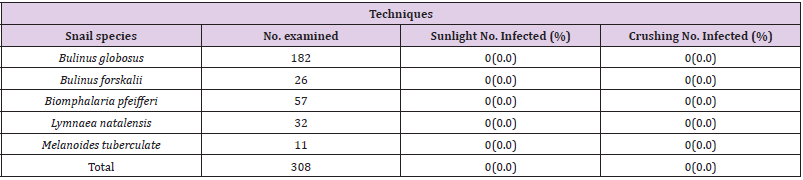
Of the 308 snails examined for parasites using the light and crushing techniques none was found to be infected with trematode cercaria (Table 2).

Table 2: Prevalence of parasites in vector snails in relation to two screening techniques.

Socio-demographic Status of Respondents in Relation to Schistosomiasisis Risk Factors

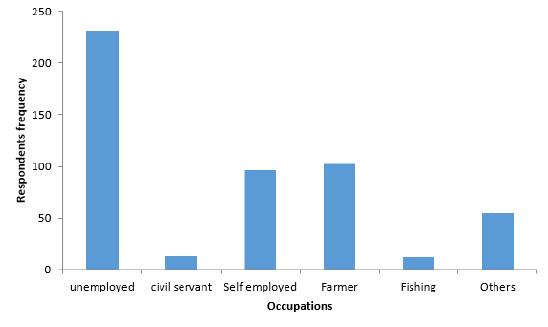
Out of the 510 questionnaires administered, 383 (75.1%) were males while females were 127 (24.9%). More adults 289 (56.7%) participated than children 221 (43.3%). Also, the respondents are resident in Doma LGA and familiar with the water bodies sampled. In overall, 225 (44.1%) of the participants had secondary education, followed by 149 (29.2%) who had primary education then the uneducated 84 (16.5%) while only 52 (10.2%) of the respondent had a tertiary education. Majority of the respondents were unemployed 231 (45.3%), self-employed (trade) were 96 (18.2%), 13 (2.6%) were civil servants (official), 103 (20.2%) were farmers, 12 (2.4) were into fishing while those into other forms of commercial activities (driving, construction) were 55 (10.8%) as shown in Figure 1.

Figure 1: Occupational status of respondent around water bodies in Doma LGA, Nasarawa State, Nigeria.

Schistosomiasisis Risk Factors

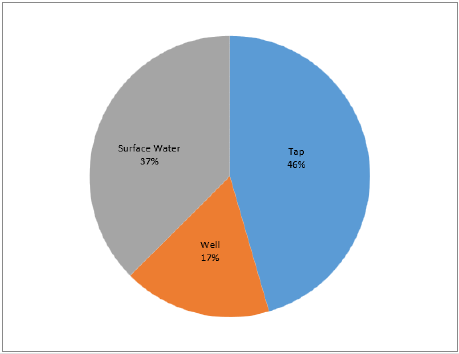
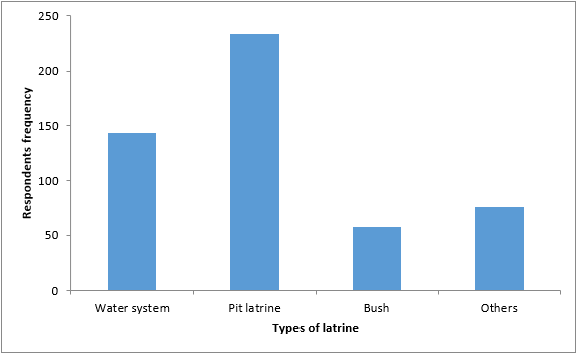
Information gotten from respondents on their knowledge of the disease showed that 211 (41.4%) of the participant had contact with contaminated water, 89 (17.5%) and 61 (12%) respondents wash in surface water and walk without shoe respectively, while 102 drinks unsafe water. A high number of the respondents 232 (45.5%) use pipe-borne water for domestic purposes in their homes whereas 87 (17.0%) of them utilized well water as the main source of water for domestic purposes while 191 (37.5%) accessed water from rivers, streams and pools (Figure 2). Figure 3 showed that pit latrine was the most widely used type of toilet in this study with 233 (45.7%) respondents. 143 (28%) of the respondents make use of modern flush toilet (water system) in their homes while 76 (14.9%) respondents utilize other forms of latrine (including the use of buckets, nylons) and 58 (11.4%) in nature (bush).

Figure 2: Proportion of respondents sources of water in the study area: a predisposing schistosomiasisis risk factor.

Figure 3: Types of latrine in the study area a predisposing schistosomiasis is risk factor.

Also, 313 (61.4%) of the respondents had domestic animals present in their homes and 197 (38.6%) do not. While 326 (63.9%) of the respondents stay in close proximity to water bodies as compared to 184 (36.1%) who reside at a distance (>250 m) to waterbodies. One hundred and sixty-four (32.2%) respondents have contact with water mostly in the morning followed by those who have contact with water in the evening 114 (22.4%) while only a few 41 (8%) have water contact in the afternoon (Figure 4). The frequency of water contact also indicates that 138 (27.1%) respondent come in contact with water bodies daily, 210 (41.2%) had contact weekly, 118 (23.1%) had water contact monthly, while 44 (8.6%) only come in contact with water body at most once or twice in a year. The reasons for water contact varies among respondents, 189 (37.1%) come in contact with water bodies for the purpose of washing/laundry, 97 (19%) for the purpose of swimming/bathing, 17 (3.3%) go for fishing, 11 (2.2%) and 94 (18.4%) source the water for cooking and gardening/farm purposes, 7 (1.4%) for the purpose of waste disposal while 95 (18.6%) come in contact with the water bodies for other reasons.

Figure 4: Time of day when respondents have contact with water bodies around.

Blood in urine and bloody stool was experienced by 197 (38.6%) and 86 (16.9%) respondents respectively. Also, 227 (44.5%) have experienced abdominal pain. However, only 122 (23.9%) of the respondent have previously been treated for schistosomiasis, while an ample number of the respondents 388 (76.1%) have never been treated for the disease and are unaware of their status.

Discussion

The snail species reported in this study (Table 1) had earlier been reported in different parts of Nigeria. Omudu and Iyough [15] reported the presence of B. globosus, Lanistes libycus, L. natalensis and Nepa cinerea in Makurdi, Benue State. Similarly, Okafor and Ngang [16] found B. globosus, B. truncatus, B. senegalensis, B. forskalii, Bi. pfeifferi. Lanistes varicus and L. natalensis in their studies in Niger-cem, Nkalagu Eastern Nigeria. Abe et al. [10] studies in almost all Local Government Areas (LGAs) of Nasarawa State showed that snail species were present in all the selected LGAs covered. Interestingly, a species of snail, M. tuberculata found in Doma was not reported in the study by Abe et al. [10]. Alternatively, Indoplanorbis exutus reported by Abe et al. [10] was absent in Doma LGA. The result of this study is therefore additional information on snail species of medical importance in Nasarawa State which before now has not been documented.

The presence of five freshwater snails in these studies is a clear indication of that the water bodies are potential transmission sites of schistosomiasis and other snail-borne diseases based on observed anthropogenic activities such as fishing, swimming/quick bath by farmers, washing, fetching, watering points for animals and channeling of water for irrigation in the sites. Such activities often result in decrease in the availability of water and could lead to pollution/contamination which affects freshwater snails. This is in tandem with research findings from Okafor and Ngang [16] which gave an update on freshwater snails of medical and veterinary importance and Ugochukwu et al. [9] where they reported higher frequency of schistosomiasis in farmer and fishermen due to their water contact activities.

The absence of shedded cercaria from the snail could possibly be attributed to good sanitation and hygiene practices in the area, therefore, suggests that human prevalence status in the area should be carried out so as to really ascertain the prevalence rate within the human population. Also, the absence of cercaria infection in the snails implies that schistosomiasis may not be endemic in the study area. This is accordance with the finding of Abe et al. [10] who reported that from 105 sites surveyed, no developing stage of trematodes was observed in 977 snail intermediate host examined. Another study by Rabi [17]in three parts of Jakara dam in Kano State indicated that none of the snails collected was found to be shedding any schistosome cercaria but cyclops was found. Similar observations were also made by Diakité et al. [18] in Cote d’ivoire and Ejehu et al. [19] in Oguta Lake in Nigeria.

Responses from respondents to questions intended to determine the existence of social factors that predisposes the community to schistosomiasis supports the observation made earlier on lack of endemicity of the infection in the area due to the absence of infected snails. Although about 45.5% of the respondents have access to tap water, however, the contact with snail infested water bodies by about 37% of the respondents is quite alarming and concurs with Ugochukwu et al. [9] who documented that occupational risk in relation to schistosomiasis arises from water contact. The very low defecation rate (11.4%) in bushes and the proper practice of faecal disposal in the area either via the use of water system (28%) or pit latrine (45.7%) accounts for the absence of schistosomiasis in the area. This is line with Dawaki et al. [2] who reported that one of the factor known to aid endemicity of the disease is good refuse disposal system most especially feaces.

Conclusion

This study has added to already existing checklist of freshwater snails in Nasarawa State based on the finding of the snail, M. tuberculata in Doma LGA. None of the snails’ shedded cercaria. Hence, the communities should maintain the good level of hygiene and sanitation thus far recorded in order to perpetually remain free from schistosomiasis infection.

For more Articles on : https://biomedres01.blogspot.com/

Tuesday, June 7, 2022

Metabolic Syndrome and Fetuin-A: Framework of Situation

Metabolic Syndrome and Fetuin-A: Framework of Situation

Introduction
Metabolic syndrome (MetS), often known as syndrome X, is a type of metabolic illness that is becoming more widespread as the population becomes increasingly fat [1]. Hypertension, central obesity, insulin resistance, and atherogenic dyslipidemia (poor high-density lipoprotein cholesterol, hypertriglyceridemia) are all closely linked to visceral adiposity [1,2]. Pathology in numerous target tissues, including as the cardiovascular system, pancreas, and liver, is relatively common in those who have MetS [3]. Insulin resistance (IR) is well considered as a factor in several metabolic disorders, including obesity, dyslipidemia, MetS, hypertension, and atherosclerosis, nonalcoholic fatty liver disease (NAFLD), type 2 diabetes mellitus (T2DM), and some cases of type 1 diabetes mellitus (T1DM). Infact, IR has been identified as a crucial main pathophysiological pathway in the onset of MetS, referring to a complex pathological deficiency in insulin signaling pathways that results in an inadequate cellular response to insulin hormone in insulin-dependent tissues such as skeletal muscle, adipose, and liver tissues [2,4,5].

Several cytokines and inflammatory mediators, such as tumor necrosis factor- (TNF-), monocyte chemotactic protein-1 (MCP- 1), C-reactive protein (CRP), and interleukins, have been shown to be greatly increased in the course of IR. Endocrine adipocytes, however, are more likely to allow the release of inflammatory mediators including leptin, TNF-, and adiponectins, as well as plasminogen-activator inhibitor-1, angiotensinogen, and active steroid hormones, all of which have a role in the progression of IR [6]. Furthermore, several studies have suggested that oxidative stress, a common hallmark of obesity, is linked to the persistent low-grade inflammation that distinguishes MetS. Thus, systemic oxidative stress may play a role in the disordered production of adipokines that promote to the pathophysiology of MetS [7]. IR has also shown cellular dysfunctions caused by a variety of inflammatory mediators that may connect with one another, such as protein kinases and phosphatases. Decreased insulin-stimulated glucose transporter 4 (GLUT-4) expression or translocation is predicted to occur in altered glucose transport, reduced glycogen storage, and inhibited protein synthesis when the phosphorylated signaling pathway is disrupted [8].

The resulting hyperinsulinemia is therefore sufficient to induce serine/threonine phosphorylation of the insulin receptor substrate (IRS), which is necessary to stimulate IRS degradation and block the phosphorylation of tyrosine, which is a crucial step in proceeding the surviving phosphorylation cascades of downstream targets, in the PI3K/protein kinase B (Akt)/Forkhead box transcription factors of the class O (FOXO1) signaling pathways, possibly phosphatidylinositide 3-kinases (PI3K) or a class of small GTPases (RAS) are implicated. [9].

Fetuin-A (Fet-A) is a hepatokine and is also known as 2-Heremans-Schmid glycoprotein (AHSG) in humans. It relates to the protease inhibitors cystatin superfamily. Fet-A protein is involved in a number of physiological cellular functions, including cellular protein and fatty acid metabolism, acute inflammatory response regulation, bone mineralization and calcified matrix metabolism, neutrophil degranulation, lymphocyte recruitment, thyroid hormones, and calcium ion homeostasis, to mention a few [10]. The glycoprotein, however, has lately been hypothesized as a molecular relationship between obesity, NAFLD, IR, and MetS, since it has been linked to insulin receptor activity suppression, which leads to a malfunction in insulin cascade pathways [11]. During the last several years, sophisticated techniques in biochemical, immunochemical, and molecular genetics have greatly enhanced our understanding of the Fet-A protein, leading to important conclusions about its utility as a biomarker in the diagnosis and treatment of human disorders [11].

Therefore, MetS is a serious and growing public health and clinical concern around the world, covering a variety of basic dysfunctional processes such insulin resistance, inflammation, hormonal changes, and physical activity [12]. Obesity - related lipolysis causes an excess of free fatty acids to be produced and released into the bloodstream, leading to an increase in chronic subclinical inflammation and exacerbation of pre-existing insulin resistance in numerous target tissues [13-15]. Non-alcoholic fatty liver disease (NAFLD), which is one of the most frequent hepatic expressions of the metabolic syndrome, is one of a group of chronic liver illnesses that includes anything from simple steatosis (NASH) to liver cirrhosis [16,17].

Organokines are well-known for their autocrine, paracrine, and endocrine effects on cellular metabolism. Recent studies have shown that liver tissue regulates glucose and lipid metabolism through the secretion of several hepatokines, including Fet-A protein, and thus performs a central role in the regulation and management of whole-body energy homeostasis, implying that the liver and its associated hepatokines are heavily responsible for the development of some metabolic diseases [18]. Cardiovascular disease (CVD), which includes disorders affecting the cardiovascular system such as coronary artery disease, angina, and heart failure, has become one of the most common causes of death globally; as a result, more people die from CVD each year than perhaps with any other reason. Several research has found that determining coronary calcification can help predict cardiovascular risk without relying on other traditional risk markers. Fet-A, as among the most prominent calcification inhibitors, has lately received more attention as an useful factor connected to cardiovascular mortality [11,19]. As a result, circulating fetuin-A levels are reported to be significantly higher in the development of obesity, metabolic syndrome, and type 2 diabetes, and are linked to hepatic steatosis and CVD in humans [11,20].

In conclusion, early atherosclerosis, MetS, obesity, IR, NAFLD, and low-grade adipose tissue inflammation may all have a positive correlation with fetuin-A. High levels of circulating fetuin-A have also been demonstrated to be a powerful predictor of incident T2DM, albeit the exact molecular pathways are yet unknown. There is evidence that fetuin-A could become a new molecular target in the elucidation of complicated pathophysiological pathways implicated in the start of metabolic illnesses, as well as a valuable marker in clinical practice for the early diagnosis of these conditions in the future.

For more Articles on : https://biomedres01.blogspot.com/
Satisfaction and Experience of Palliative Patients with 24/7 Hotline Service During the COVID-19 Pandemic in Saudi Arabia

Satisfaction and Experience of Palliative Patients with 24/7 Hotline Service During the COVID-19 Pandemic in Saudi Arabia

Introduction
Telemedicine is a division of medicine that deals with patients via telecommunication networks to deliver treatment from a distance [1]. Telemedicine has been increasingly used worldwide despite earlier resistance from healthcare practitioners who felt that it would endanger healthcare integrity and clinical results [1]. COVID-19 pandemic, however, has considerably accelerated the existence of telemedicine and digital health [2]. Telemedicine became an inevitable choice when patients and their families were under lockdown and had to cancel their in-person appointments for multiple reasons [2]. In New York, an 8729% increase in video visits was observed during the COVID-19 pandemic (compared to before in March 4, 2020), and video visits were associated with higher satisfaction rates [3]. The World Health Organization (WHO) describes Palliative Care (PC) as the branch of medicine that improves the quality of life of patients and their families who are experiencing life threatening disease [4]. It is achieved through prevention and relief of suffering by early diagnosis, thorough evaluation, and treatment of pain and other difficulties such as medical, psychosocial, and spiritual issues [4]. Telemedicine use in palliative care has long been accepted, but the literature on virtual palliative care-specific advantages and drawbacks is still scarce [1,5]. Many considerations play unique roles in the virtual treatment of PC patients, such as practical, clinical, and ethical factors [5]. The benefits of video consultations are summarized as being practical, inclusive of a multidisciplinary team, and that also promotes collaboration between healthcare practitioners [6]. However, empathic patient-physician partnership was criticized in simulated environments, partially because PC specialists did not feel secure addressing critical and emotional issues through a physical distance [6].

Problem Statement

Saudi Arabia’s unique cultural values and computer literacy are completely different from other countries and are making rapid progress, which is why it is important to investigate their desires for virtual treatment. Shortly after the pandemic, PC patients in Saudi Arabia were helpless and distraught because their access to healthcare became interrupted and their fear of catching COVID-19 was increasing. A multi-factor analysis to assess the option of virtual visits related to PC was undertaken in the United Kingdom in 2020 [5]. Stakeholders preferred virtual treatment because it decreases utilization of Personal Protective Equipment (PPE), decreases uncertainty of the COVID-19 pandemic, and improves time regulation [5]. Families and patients preferred a virtual visit because of its convenience, privacy, and some even preferred it because it allowed them to read lips, which was not an option under mask mandates in office environments [5]. Telehealth in palliative home care is thought to be accessible and could potentially improve the quality of specialized palliative home care [6]. According to one study, patients and health professionals in Specialized Palliative Care have been actively engaged with telemedicine in PC and have been able to cooperate and make decisions on their health [6].

Visits for evaluation of chemotherapy were shifted to a virtual setting in Texas, USA during COVID-19 [7]. Although 73% reported higher satisfaction, 65% of patients said they would prefer in person visits, suggesting that there is a distinction between virtual palliative care and other disciplines in telemedicine [7]. Another study discussing telemedicine’s role in long-term care of radiation oncology found tele-oncology to be more efficient and resulted in the reduction of cost for patients, especially to those living in remote areas [8]. It also found that tele-oncology allowed for continuity of care although its benefits are more evident in lower risk patients and is not a substitute for a medical visit, but more of a supplementary tool [8]. However, 50% of oncologist deemed virtual prescription of chemotherapy not preferable [7]. Most oncologists, over 80%, preferred hormonal and medical therapy virtual prescriptions [7]. Some argue that telephone consultations require a wealth of experience and skills, because it might miss important cues that can affect patients negatively [8]. Telephone encounters compared with video visits were found to be narrower in focus and tend to suppress the patient’s ability to express his concerns naturally [9]. A study analyzed factors associated with favorability of telemedicine among oncology patients and found that the only factor that had a statistically significant relationship with telemedicine satisfaction was higher education level of the patient [10].

In a large tertiary hospital in Riyadh, Saudi Arabia, out of 200 patients, 84 were seen in virtual clinics over a period of four months, from March to May 2020 [4]. These and multiple national virtual clinics were set up by the Ministry of Health (MOH) to respond to critical problems and offer treatment options to palliative care patients in a timely manner [4]. A hotline service was established by MOH to connect patients to these clinics and ensure continuity of care aiming to enhance PC patient’s quality of life. A brief survey followed the call aiming to measure PC patient’s satisfaction of this service.

Materials and Methods

Study Design and Setting

This cross sectional study was conducted in Saudi Arabia. As per the 2019 statistics by the Ministry of Municipal and Rural Affairs, the population in these regions is estimated at 2,595,762 people, constituting around 7.6% of Saudi Arabia’s population [11]. The population has been growing at a rate of 1.5% in the last decade [11]. This is a cross-section analysis in which 214 patients evaluated their experience upon concluding a call to the regional hotline set up for palliative patients Saudi Arabia during the COVID-19 pandemic. A hotline was set up by the Palliative Care team at the Ministry of Health to address palliative patients concerns in these regions. This research was performed by analyzing the results of a brief telephone survey that followed the call to the palliative hotline service. Calls were received by three qualified health professionals, a clinical pharmacist with expertise in palliative pharmacy preparations, and two nurses with two or more years of experience in palliative care. The call receivers had full access to patients’ electronic records and were able to view recommendations, specific issues, current medications, and care plan. A list of guidelines and a step-by-step approach was provided to them. In addition, they were able to access resources to guide their patients (Table 1).

Table 1.

Strategy

A validated voluntary telephone poll consisting of five questions aimed to generate patient’s opinion about the hotline instituted by MOH to enhance the patient’s virtual palliative care experience. The survey was validated by 2 independent doctors in MOH, a palliative care consultant, and a family medicine consultant. Data was entered on a separate Excel sheet and transferred to SPSS version 25.0 for analysis. All palliative patients who called the hotline from 17 April 2020 to 28 February 2021 with a PC diagnosis were included, and those who did not have a PC diagnosis were excluded.

Results

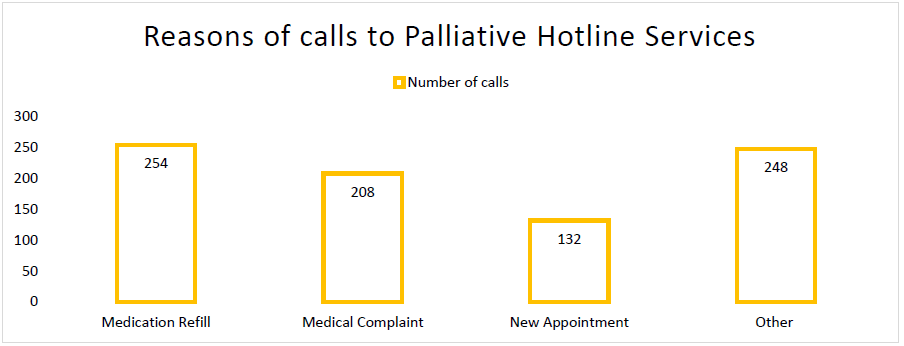
Figure 1: Main reasons patients called the palliative hotline.

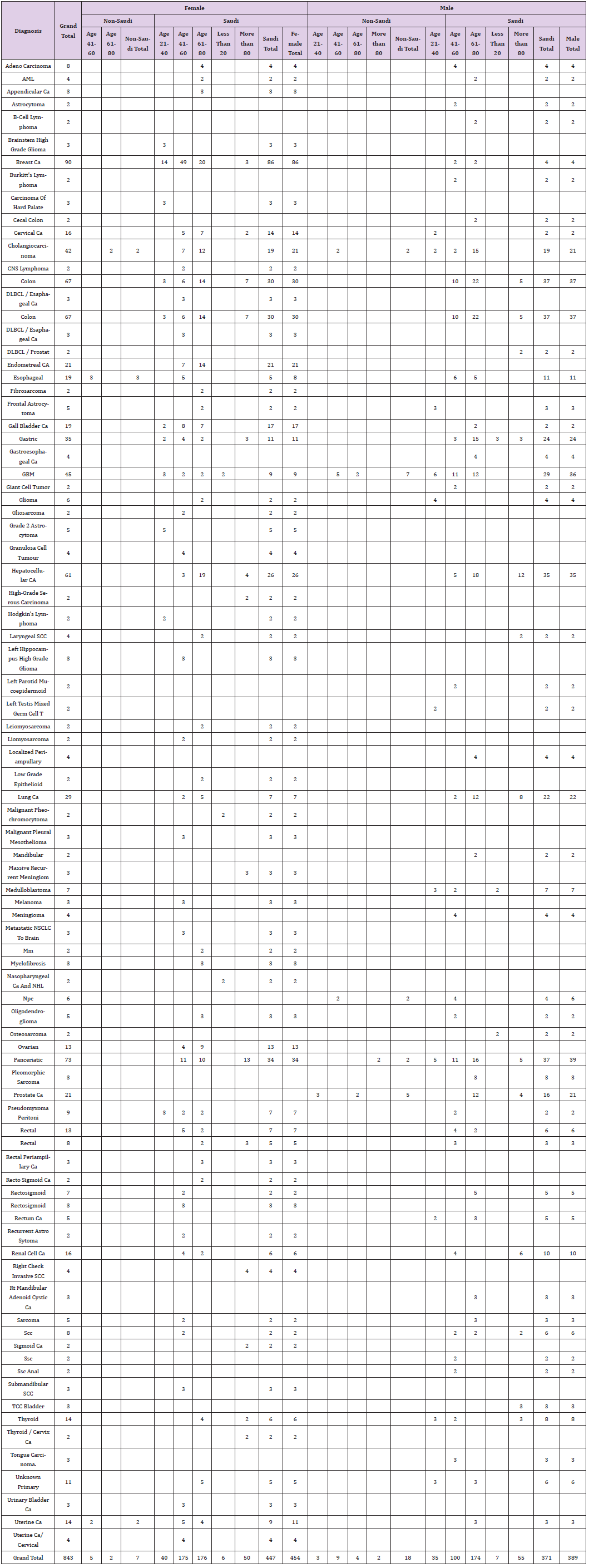
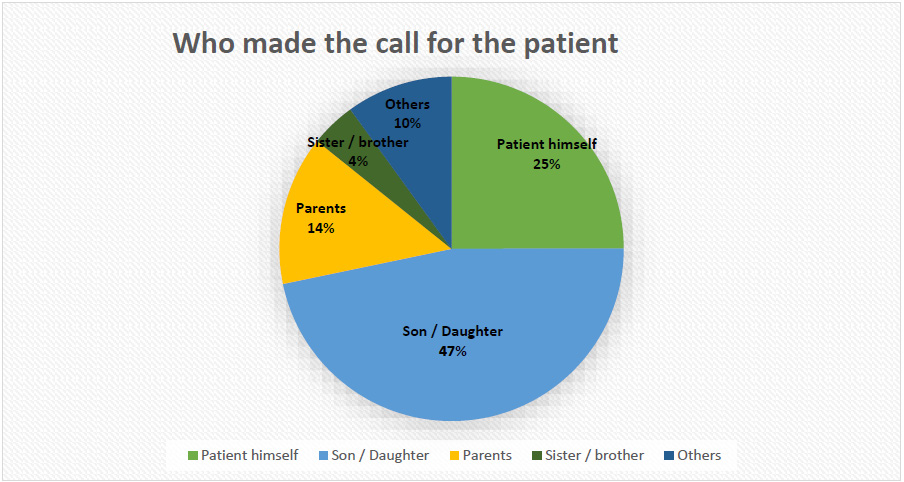
214 patients, 51% of which are females, have called the hotline 843 times “between” 17 April 2020 to 28 February 2021. In general, patient satisfaction in regards to their experience was exceedingly high, as 90% of callers reported satisfaction by the end of the call. The main reasons for the call to the hotline are summarized in Figure 1. Our results show that 30% of palliative patient’s reached out to the hotline for medication refills (n=254), 24.7% called for medical complaints (n=205), and 15% called to book a new appointment (n=131). However, 29.8% of the calls were for other unspecified reasons (n=248). Interestingly, patients themselves were the inquiring caller in only 27.8% of the cases while almost half of the callers, 47%, were the patient’s son or daughter (n=433). Figure 2 shows the caller’s relationship to the patient. 86.7% of callers stated that their problem was solved by the call (n=731), and 10.8 % (n=91) of callers said their issue was partially solved by the phone call, and only 2.5% (n=21) said their problem was not solved.

Figure 2: Caller’s relationship to the patient.

Discussion

Our experience in setting up a free hotline call center for palliative patients in Saudi Arabia was very successful in connecting patients to their providers and solving both logistical and medication supply issues. During COVID-19 pandemic, and particularly in its early phases, Saudi Arabia enforced strict guidelines and stay at home orders in several provinces to combat COVID-19 spread. Travel between cities and major regions was highly discouraged except for certain essential workers. Most patients were discouraged from coming to the hospital, specifically palliative patients were encouraged to stay at home because coming to the hospital would mean that they will mostly be unaccompanied by their caregivers, which is a sensitive and an integral part of palliative patients’ social support. The 24/7 hotline for palliative patient was a new initiative taken to help adapt to the stress caused by the interruption of patient’s visits during COVID-19 pandemic. Patients in Saudi Arabia frequently travel more distances to access care; hence this new measure can be very helpful to enhance their access to healthcare. The hotline created a cost-effective bridge for palliative patients in both rural and urban regions to reach their providers without needing a virtual appointment nor an in-person visit. The number of calls received averaged 70 calls/ month, which indicate the need for similar resources that operate like an intermediate link between palliative patients and palliative care physicians without overwhelming the system.

Prescriptions refills have been a pressing challenge for palliative care patients living far from hospitals who have been undergoing treatment for a long time. This has been further exacerbated by the COVID-19 pandemic. New resources are required to improve patient access and continuity of treatment for patients dealing with pain and end of life. Studies suggest that telemedicine utilization is effective in palliative care, and our study affirms that meeting patients’ needs through virtual settings was satisfactory. Raffenaud Amanda, et al. [10] found that from the treating oncologist’s perspective, tele-oncology was not superior to in-person visit for new patients, before chemotherapy sessions, and for high recurrence-risk cancer patients who require a physical examination. Drug and prescription-related inquiries caused our patients discomfort, and care should be taken to ensure continuity of care through telemedicine and tele-pharmacy for palliative patients in times of crises. Telecommunication to manage inquiries and provide answers by experienced personnel has shown to be very beneficial for palliative patients in different regions. At the same time, virtual PC does not include a physical drive, greatly serving patients in remote areas. Based on our findings, we are advocating on behalf of PC patients to have legislative frameworks to ensure the healthcare system’s coherence in terms of medication refills. A coherent and supportive system can further support palliative patient’s rights to uninterrupted pain treatment during periods of large-scale changes.

Phone calls instead of video calls results in a particular form of conversation, and the investigation of the difference between these from a cultural perspective may provide useful insights. By looking into the gender distribution of the callers in our sample, we see that half of these callers were females and Saudi culture and religion is unique in that it necessitates female covering their hair, body, and face in many cases. These nuances can affect their preference of phone versus video visits. Telephone calls are cheap and easy to institute and use. They do not require network utilization and require fewer configurations compared to video visits. Also in Saudi Arabia, it is very common for caregivers, specifically daughters and sons, to assume responsibility of patients’ information and healthcare decisions. As our study shows, almost 70% of the calls were made on behalf of the patient. Confidentiality issues can arise when the patient is not the main caller, but in Saudi Arabia, it is common for daughters and sons to take over and this is often overlooked but should be carefully examined from an ethical perspective. Verification of the caller and ensuring granted access of the caller should be emphasized in phone calls more than videos, as it can be challenging to differentiate who the caller is. These instances should also be documented to enhance privacy and to avoid disclosing personal health information to unauthorized people. Our findings are in line with the published literature; a palliative care hotline benefits patient considerably, has high satisfaction rates, and is particularly important in times of decreased access to healthcare.

Alshammaray S, et al. [12] reported the results of patient satisfaction of virtual visits in palliative care at a tertiary hospital in Riyadh, the capital city of Saudi Arabia. 87% of patients seen in the virtual clinic rated the visit 5/5 [11]. In Vancouver, British Columbia, Canada, a palliative care telephone consultation evaluation study by Ridley JZ, et al. [13] showed that most calls came from rural areas and the primary reason for calls was pain management, followed by gastrointestinal symptoms [14]. In Taiwan, Lin MH, Chen HN & Chen TJ (2020), piloted a personalized discharge end-of-life care to reduce frequency of dialing 24-hour hotlines that resulted in 5-10% decrease on the hotline, indicating significant need of patients near death to have access to phone educational and consultation hotlines [15]. The limitation of our study includes lack of direct availability of palliative care physicians in case an urgent inquiry beyond the scope of the call receiver. An integrated approach that links physicians and medical students to further expand the services and respond better to palliative care patients can be beneficial and can also result in decreased costs for the patients and physicians.

Based on Claire K Ankuda, et al. [16] similar experience of setting up a crisis hotline run by medical students in Mount Sinai, New York to serve palliative patients during the pandemic, several principles and teachings were proposed [16]. The recommendations included staffing two full-time equivalent (FTE) palliative care physicians, in addition to four FTE physicians when call volumes are higher than usual [16].

Qualitative interviews are imperative to uncover desires and satisfaction in a broader manner and elicit needs and opinions of palliative patients and physicians overseeing their cases. Geospatial data was also not collected and could have been helpful to accurately measure cost effectiveness of instituting a more advanced model of hotline services to palliative patients in rural / remote areas. Other causes for calls, which amounted to 29.8%, were also not elucidated and should have been properly investigated by call recipients. This research will act as a starting point for learning about the needs and perspectives of Saudi palliative patients when it comes to virtual palliative care. Since the adoption of telemedicine was swift and inevitable, opinions and patient satisfaction must be elicited. This can provide a better framework to accessing care in future and present challenges and ensure continuity of care and quality of life for patients living in rural / remote areas. Therefore, palliative care helpline will probably stay and expand to long-term care and many other components of palliative care that aims to enhance patients’ quality of life [17-21].

Conclusion
The experience of a telephone hotline for palliative care patients was regarded as a highly useful service and was also highly accepted by patients. It was cost effective and used very frequently by patients. Medication refills were the most common cause of repeated phone calls and efforts should be made to tend to the impact of the interruption of in-person care on medication availability for palliative care patients. Hotlines can serve as an effective bridge to care and decrease pressure on specialists by solving issues not requiring a visit to a physician but a visit to an institution.

For more Articles on : https://biomedres01.blogspot.com/
Friday, June 3, 2022

Comorbidity Resolution and Quality of Life after Bariatric Surgery

Comorbidity Resolution and Quality of Life after Bariatric Surgery

Introduction
Recently, obesity has become one of the most important health problems in our society. In 2008 and according to the World Health Organization (WHO) 1.4 billion people in the world suffer from overweight and 500 million from obesity [1]. The prevalence of obesity in Spain is 21.6%, being higher in men and older people [2]. The high prevalence of metabolic syndrome among obese patients suggests that both entities share the lipotoxicity as etiological mechanism. In overweight patients, cardiovascular pathologies are more frequent as well as invalidating knee and waist arthritis. Obesity also accounts for 44% of diabetes type 2 (DM2) and nonalcoholic steatohepatitis (NASH) affects practically every obese patient. This excess weight is the main risk factor for obstructive sleep apnea (OSA). Obesity is a preventable cause of diverse cancer types: colon, rectum, breast, uterus, kidney, esophagus and pancreas [3]. It also impacts the personal sphere with a reduced functionality in the everyday life activities and a worse quality of life (QoL). Clinical studies show that this QoL is not only a consequence of their worse physical condition, but it is also due to their lack of self-esteem, personal and social acceptation [4]. Stress, anxiety and depression are very frequent symptoms. The prevalence of the latter ranges from 23 to 69% much higher than the in the general population (17%). It has also been suggested that the incidence of psychopathologies and severe psychiatric affections is higher, being this partly responsible for the lack of adherence to the dietetic treatment and lifestyle changes. Weight loss has been related to a significative decrease in psychological symptoms [5].

Bariatric surgery (BS) was developed in the 50s as a promising treatment for those patients in whom the classic approach with diet modifications, exercise and drugs was not effective, allowing a maintained weight loss in the long term. It is performed worldwide with restrictive, malabsorptive or mix techniques, being the gastric by-pass (GBP), a mix technique, the gold standard. Other procedures are the sleeve (GS) and biliopancreatic derivation [6]. Surgery has shown a reduction in the associated comorbidities as well as a reduction in global mortality [7]. DM2 remission rate is over 50% in different studies [8-10]. Therefore, BS is recommended in those diabetic patients with a BMI ≥ 35 kg/m2 and poor glycemic control in spite of dietetic and adequate medical treatment. Most recent guidelines recommend that metabolic surgery could be considered in DM2 patients with a BMI ≥ 30 kg/m2 [11]. After surgery HBP prevalence is halved and dyslipidemia is reduced or disappears in 70% of cases, especially in BPG and biliopancreatic derivation. As far as OSA is concerned, its remission is around 35- 40% [12]. Other comorbidities such as the arthropathy haven’t been so thoroughly studied.

Given that BS is not exempt from risks, is crucial to carefully select the patients undergoing this surgery. It is indicated in the following criteria cases [1,6]: Age between 18 and 65; BMI ≥ 40 kg/ m2 without comorbidities or BMI ≥ 35 kg/m2 with comorbidities (Drug resistant DM2 or HBP, OSA, infertility, severe arthropathy). To evaluate the three fundamental aspects after surgery (i.e. weight loss, comorbidity resolution and QoL) The Bariatric Analysis and Reporting Outcome System (BAROS) was developed. This score system is considered a helpful tool to evaluate both objective and subjective outcomes. To address the subjective part it includes the Moorehead-Ardelt II QoL questionnaire, specifically validated in BS [13]. BAROS score was conceived by Oria in 1990 [14] and has been used in most countries since then. In 2009, Oria introduced minor changes which resulted in the questionnaire used nowadays [15]. The objective of our study is to evaluate the results in patients undergoing BS in the HURS, using BAROS scoring method to evaluate the outcomes after surgery.

Material and Methods

We performed a descriptive, observational, cross-sectional study which evaluated patients undergoing BS in the HURS. All patients attending a follow-up between January and December 2018 were included. Verbal informed consent was requested and those who accepted were handled the BAROS scoring method [16]. This questionnaire evaluates the clinical improvement in two parts: The first one evaluated by the investigator and the other one answered by the patient. The part evaluating the postoperative evolution is divided into two sections: weight loss evaluated as the percent excess weight loss (%EWL) and the resolution of comorbidities.

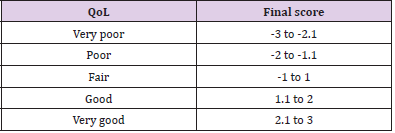
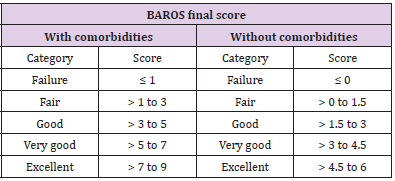
Each one of these sections receives a score from -1 to +3, according to the %EWL and the evolution of the comorbidities. In case the patient didn’t suffer from any comorbidity this part is obviated. It is also taken into account the appearance of complications and the need of a reoperation. The second part takes into account the QoL, assessed by the Moorehead-Ardelt II questionnaire which evaluates self-esteem, physical activity, social life, work conditions and sexual activity. The score in each of these items is added up in order to obtain a final result which ranges from -3 to +3 (Table 1).

Table 1: QoL valoration according to Moorehead-Ardelt II questionnaire.

The addition of the two parts, after subtracting points corresponding to complications or reoperations, gives a final score which values the global result of the surgery. The highest score depends on the existence of presurgical comorbidities (Table 2). On the other hand, the researcher collects the age, gender, type of surgery and time since the BS (in months). The comorbidities we studied were DM2, HBP, dyslipidemia, OSA, arthropathy and cardiovascular illnesses. Information to assess the evolution of comorbidities is obtained from the interview with the patient, their medical records and the list of their active medications in the computer system. To define DM2 remission we followed ADA (American Diabetes Association) criteria [17].

Table 2: Global result after surgery according to BAROS scoring system.

Statistical Study

In the descriptive study, continuous variables are expressed with the mean and standard deviation (SD) and categorical variables as frequencies and percentages. To compare the independent means between two groups whose quantitative variables follow a normal distribution, we used the Student’s t-test. To compare independent means among more than two groups in quantitative variables which follow a normal distribution, we used the ANOVA test. Levene’s test was performed to assess the equality of variances and Scheffé’s test to the post-hoc comparison. To evaluate the statistical correlation between two quantitative variables, Pearson correlation coefficient was employed. Chi’s squared was used to compare the qualitative variables between independent groups. Normality distribution of variables was assessed with the Saphiro-Wilk test. The relationship between QoL and the different independent variables was analysed with a logistic regression. Statistical significance was considered with a p-value < 0.05.

Results

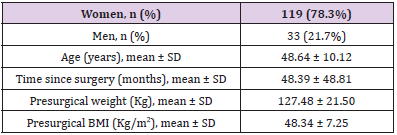
152 patients were recruited (Table 3). 78.3% (n= 119) women and 21.7% (n=33) men. Mean age was 48.64 ± 10.12 years. The mean time after surgery was 48.39 months. Mean BMI just before surgery was 48.34 ± 7.25 kg/m2. Prior to surgery 31.6% of patients suffered from DM2 (n=48); 40.8% from HBP (n=62); 35.5% from dyslipidemia (n= 54); 19.7% from OSA (n=30); 11,8% from arthropathy (n= 18) and 4.6% patients (n=7) had suffered a cardiovascular event. The types of surgical techniques performed were gastric bypass in 65.1% of patients (n=99), gastric sleeve in 31.6% (n=48) and gastric banding in 3.3% (n=5). 17.8% patients (n=27) presented with minor complications and 9.2% (n=14) with mayor ones. 17.8% (n=27) had to be reoperated.

Table 3: Demographic data of the cohort. SD = Standard deviation.

Surgical Outcomes

Weight Loss: BMI after surgery was 32.75 ± 6.16 kg/m2, being this reduction statistically significant. %EWL was 60.46 ± 18.8%. The difference in weight loss was not statistically significant among the surgical techniques performed.

QoL: QoL after surgery was reported as fair in 20.4% of patients (n=31), good in 23% (n=35) and very good in 54.6% (n=83). 2% (n=3) had poor or very poor QoL. There were no statistically significant differences between QoL and type of surgery performed. When exploring the relationship between QoL and %EWL it is remarkable that patients with very good QoL had a statistically significant higher %EWL (64.29%) than patients with fair (57.39%) and good QoL (54.14%).

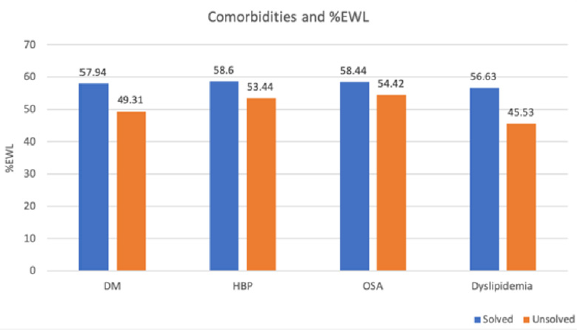
Resolution of Comorbidities: 60.5% of the patients in our study suffered from comorbidities prior to the BS. These were aggravated in 3.3% of them (n=5), in 10.5% (n=16) didn’t change and improved in 7.2% (n=11). They were solved in 39.4% patients: In 16.4% (n=25) one comorbidity was resolved and in 23% (n=35) all of them disappeared. 39.5% (n=60) didn’t have previous comorbidities. DM2 remitted in 75% of patients (n=36); HTA in 38.7% (n=24), dyslipidemia in 51.9% (n=28), OSA in 33.3% (n=3) and vasculopathy in 57.1% (n=4) of cases (Figure 1). Arthropathy wasn’t resolved in any patient. There are no statistically significant differences according to the surgical technique. %EWL was higher in those patients whose comorbidities disappeared. However, these differences were not statistically significant, except from the dyslipidemia (Figure 2). Patients without DM2, HBP or dyslipidemia before surgery achieve a higher %EWL than patients with these comorbidities, being this difference statistically significant (p<0.001). The relationship between resolution of the two most important comorbidities (DM2, HBP) and QoL didn’t achieve statistical significance.

Figure 1: Comorbidities comparison before and after BS.

Figure 2: Solved and unsolved comorbidities according to %EWL.

Global Evaluation: BAROS Questionnaire: 3.3% of patients (n=5) are classified as failure; 19.1% (n=29) as fair; 18.4% (n=28) as good evolution; 33.6% (n=51%) as very good and 25.7% (n=39) as excellent. BAROS questionnaire results according to the surgical technique are shown in Table 4. There were no statistically significant difference when comparing QoL results with the surgical technique, although the percentage of patients with excellent results is higher in those who underwent a BPG. Patients with a fair result according to the BAROS questionnaire had a statistically significant longer follow-up than those classified as very good or excellent result. The variables associated with the QoL were included in a multivariate logistic regression analysis but these results were not statistically significant.

Table 4: BAROS score and surgical techniques.

Discussion

Nowadays, BS is considered the only effective treatment for obesity in the long term. With conventional treatment, patients may lose around 5 to 10% of their initial weight; with BS, though, patients may achieve losses around 25 to 30%, which can be maintained up to 20 years, according to research by O’Brien [18]. In our study, we identified a mean weight loss, expressed as %EWL, of 60.46% and a post-surgical BMI of 32.65 kg/m2, which stayed stable since the surgery. According to success criteria in BS by SEEDO-SECO, these results can be considered as good [19]. We found similar results in numerous studies. O’Brien’s metanalysis described a %EWL of 71% in biliopancreatic derivation, 60% in GBP and 49% in gastric sleeve. In our research, results didn’t differ among the different types of surgery. Comorbidities resolution has been excellent given that in 23% of patients all of their comorbidities disappeared and in 16.4% one of them was solved, with an improvement in the rest. These results agree with prior ones. Queiroz follows up 120 patients who underwent GBP for two years, checking that out of 71 patients with one or more comorbidities, there is a complete remission in 86% of cases and a partial remission in 14% [20]. In accordance with most previously published research up to the moment, DM is the comorbidity that benefits the most of BS with a 75% resolution rate in our series. Ribeiro’s group quantified DM and dyslipidemia resolution in a 100% of the patients and HBP resolution in 77% of the cases [21]. Surgery has been proven safe with 9.2% of major complications and a 17.8% rate of reoperation. These results coincide with Queiroz work [20]. BS advantages go further beyond than just a simple weight loss, though, and that is the reason why we used BAROS questionnaire which focuses on the QoL of patients, a very often neglected aspect in published research. In our work we checked that most patients considered their postsurgical QoL as good or very good, similarly as what is found in literature. In Ribeiro’s work, QoL patients referred was better (8%) or much better (92.5%) after GBP [21]. Alcaraz-García evaluates the impact of BS in QoL of obese patients after surgery. It finds a decrease in BMI, improvement or disappearance of comorbidities and improvement in QoL variables, which translates into a raise in self-esteem, physical activity, social life, work conditions and sexual activity [22]. We analysed the three more frequent techniques and found no statistically significant differences in QoL among them. BAROS results confirm previous results are far as efficacy and safety of BS are concerned. The longer the follow-up period is, the worse BAROS final score is, given that those patients with a fair score have a statistically significant longer follow-up time than those with very good and excellent score. One limitation in our study is lacking presurgical QoL data, which makes it impossible to quantify the improvement. At the same time, had the sample been larger, we might have found statistically significant differences among surgical techniques.

Conclusion
1. Results of bariatric surgery according to the BAROS system were good, very good or excellent in 81.73% of patients, after a mean follow-up of 4 years and without statistically significant differences among techniques. 2. %EWL was 60.46%, with an average post-surgical BMI of 32.65 kg/m2 which is considered as a good result. 3. In 46.6% of the patients, bariatric surgery has improved and/or resolved all pre-surgical comorbidities being diabetes the pathology that benefits the most. 4. In our experience, QoL of patients after bariatric surgery is good or very good in 77.6% of cases, without statistically significant differences between QoL and type of surgery performed. 5. QoL is influenced by loss weight so that patients with a very good QoL showed statistically significant higher WLP than patients with fair and good QoL.

For more Articles on : https://biomedres01.blogspot.com/
Recovery of a Vietnamese Child from Impaired Fasting Glucose and Hyperinsulinemia After one Year of Implementation of an Appropriate Diet Plan: A Case Report

Recovery of a Vietnamese Child from Impaired Fasting Glucose and Hyperinsulinemia After one Year of Implementation of an Appropriate Diet Plan: A Case Report

Introduction
Global increase in T2D in children and aldolesents has raised a serious concern on the health condition of the future generation. Combination of multiple risk factors such as genetics, the mother’s gestational diabetes, poor diet and lifestyle are considered as the cause of this rise (Castorani, et al. [1]). While there are no possible actions can be done to change the genetics of the person, adopting an appropriate personalized diet and lifestyle represents the sole option for the prevention of the disease pathogenesis and management. High fat low carb diet has demonstrated health benefits in restoring metabolic syndroms and other diseases (Walton, et al. [2]) (Dowis, et al. [3]). Recent data shows a significant increase in T2D mellitus as well as in prevalence of non-diagnosed T2D in children worldwide (Spurr, et al. [4]). In Vietnam, it was reported in a recently published study that the prevalence of T2D in children from 11-14 years old is lower than in most countries and the impaired fasting glucose prevalence is up to 6.5% (Phan, et al. [5]). T2D mellitus in children is often diagnosed only when grave complications have already occurred because of the poor risk management and the lack of surveillance programs and tools. Consequently, pediatric patients risk being put on medicaments including insulin injection at a very young age. We report here a case of a 9-year-old Vietnamese male diagnosed with IFG and hyperinsulinemia in December 2019 following cortisol treatment (from August 2018) for severe hair loss (Alopecia areata). One year after changing his diet, the patient has restored his IFG, insulin, complete blood count and re-started to grow taller after more than one year staying at the same height.

Case Report

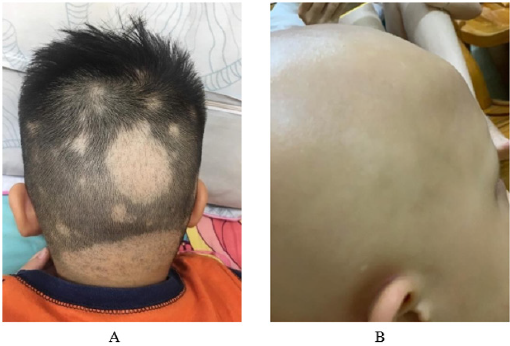
A 9-year-old male presented at the hospital in August 2018 with alopecia areata symptoms. He was put on a treatment of 4mg of Methylprednisolone and 0.1% Mometasone furoate, daily. His severe hair loss was advancing rapidly to complete hair loss within one year (Figures 1A & 1B). The patient was with a normal BMI of 23.3 kg/m2 and none of the blood tests for diagnosis of T2D was performed upon his first visit to the hospital. On another visit to the hospital on December 2019, he gained 5kg and was diagnosed with T2D with fasting glucose of 6.6 mmol/L, HbA1C of 5.1%, a very high fasting insulin of 123.048 μU/mL and C-peptide of 4.7 nmol/L. He was then put on metformin while continuing the cortisol treatment.

Figure 1: Hair loss progression of the patient

A) Photo taken at the beginning of the hair loss in August 2018.

B) photo taken in May 2020.

Results

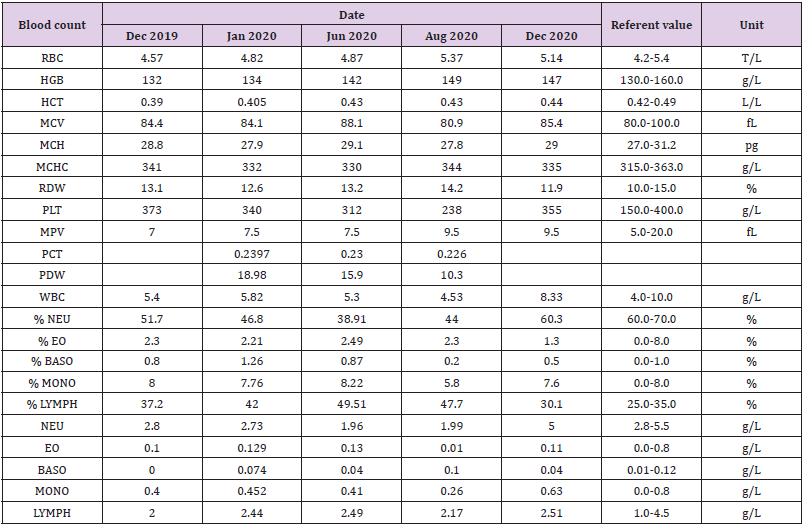
His mother was seeking help outside of the conventional medical approach, reaching to her research scientist friends in Vietnam and oversea. As provided by the mother, the patient was born lightly overweight (4.1 kg) and has itchy skin at birth. He got his first dent only at one year old and his nail grew slowly and has remained weak. No intensive treatment of neither antibiotic or anti-inflammatory drug was used prior to the appearance of alopecia areata. Eczema had appeared shortly before the hair loss. The patient’s blood test showed an IFG associated with hyperinsulinemia (Table 1, Dec 2019) and a severe inflammation in the white blood count panel (Table 2, Dec 2019 and Jan 2020). A reduction in Neutrophils and an increase in Lymphocyte count reflects a decrease in Neutrophils Lymphocytes Ratio (NLR) which is implicated in prognosis of systemic inflammation, infection and even cancer survivor rate (Bowen, et al. [6,7]). Since the naissance, the patient had had a conventional Vietnamese diet with high carb low fat meals consisting mainly of rice and vegetables. A part from 3 main meals, he had small snacks from 3 to 4 times a day which are formulated milk, soda, tropical fruits, potato chips, sweets and cookies. He pooped only every 3 days. From May 2020 we suggested his family to adopt an anti-inflammatory diet to first reduce the severe inflammation condition. The diet aims to eliminate the intake of all potential inflammatory elements such as lectin and omega 6.

Table 1:Blood test results over the time following his diet changes.

Table 2:Complete blood count results over the time following his diet changes.

In summary, the first diet plan excluded: All seed oils, all legumes, night shade vegetables, egg, coconut, nuts, rice, rice noodle, sticky rice, wheat flour, bread and all refined sugar food and drinks including soft drink, juices, sweet, cookies, ice cream, etc. Glutamate which is casually used in cooking in Vietnam as well as all prepared sauces which often contain high amounts of sugar were both removed from the diet. Soy and dairy products were also eliminated. Alternatively, all cooking and meal preparation used a generous amount of olive oil, butter and animal fat. Table salt was replaced by sea and Himalaya salt. Fruits were limited to avocado, berries and cucumber. Whole food consumption were mainly cruciferous and green leafy vegetables, aromatic herbs, grass fed meat and/or wild caught small size fishes. Bone broth and lemon juice were consumed daily. Red meat, organ meat, shellfish, fermented vegetables and prebiotic drinks (kombucha) were added regularly to his diet. He started with three meals per day with no snacks in between and eventually reduced to 2 meals per day for 3 or 4 day per week. By August 2020 (Table 1), his blood test showed a significant reduction in fasting insulin level (from above 123 to 7.4 μU/mL) while he was off of all his medications. He restored his blood Fe to normal level and slightly improved his white blood count panel (Table 2) showing promising recovery from both T2D and inflammation. Pooping frequency was also gradually improved, from once every three days to every 18-24h. The patient has stayed active and full of energy. He started regain height (from 139 cm to 141 cm).

In Dec 2020, his blood test showed an improvement in HbA1C (Table 1) and more importantly a significant improvement in white blood count (Table 2) and the NLR (Table 3) which shows no more inflammation. Nevertheless, his thyroid panel shows a tendency of hypothyroidism with the TSH closed to the upper limit (Table 2). From Dec 2020, the diet protocol was extended to a classical low carb high fat moderate protein diet. We re-introduced, with a moderate quantity of certain fruits and vegetables such as tomato without the skin and seed, pomelo, papaya and pomegranate; pumpkin seed and almond; heavy cream and high fat chesses; coconut milk and egg yolk. He continued to skip his breakfast 3 to 4 times per week with no snacks in between. He was supplemented with vitamin D3, vitamin K2, nutritional yeast for group B vitamin, zin, selenium, sea kelp, potassium citrate and magnesium citrate. In April 2021, his blood test showed that he is no longer IFG with a normal level of fasting insulin and C-peptide. He has recovered from the risk of hypothyroidism (Table 1) and continue to grow taller. All his antibody tests (ANA, ICA, GDA and TPO) for autoimmune disorders were negative (Data is not shown). His hair lost unfortunately has not shown any recovery.

Table 3:Neutrophil Lymphocyte Ratio results over the time following his diet changes.

Discussion

The rise of T2D mellitus in children in developing countries like Vietnam is regarded to be caused by the westernization of their conventional diet or the combination of both. Impact of the introduction of a number of snacks and high sugar beverages to the routine consumption upon three conventional meals filled with rice and starchy vegetables must be taken into account for T2D epidemics in Vietnam and Asia, especially in children of young age. Prior to the arrival of alopecia areata, the patient did not show any symptoms of T2D or autoimmune disorders. He was not overweight and didn’t endured any intensive treatment of antibiotic or/and anti-inflammation prior to the severe and rapid hair loss. As there were no blood tests for fasting glucose and insulin before starting the cortisol treatment, we cannot know if the treatment had contributed to graver his IFG and hyperinsulinemia condition. As alopecia areata is often associated with insulin-dependent diabetes (Wang, et al. [8]) and taking into account his previous diet, it is likely that he possessed a pre-existing hyperinsulinemia condition long before the appearance of the severe hair loss.

Routine screening for IFG and hyperinsulinemia in children is highly recommended for T2D prevention which will help to avoid such serious consequences to the physical, physiological and psychological conditions and the development of the child. Treatment of T2D mellitus in children by medication can be avoided by better management of diet and life style. However, it is challenging as successful employment of such changes in diet and lifestyle requires a strong willingness and collaboration of both the child and his family. Notwithstanding the social influences on the implementation of the diet as consumption of refined sugary foods, snacks and drinks are widely used and accepted at all social events. Despite all these difficulties and social inconveniences, the patient and his family have made a huge step forward, helping the child to recover from his diseases and to continue his growing curve right before entering puberty. His recovery encourages many others to take actions as showing that adopting an appropriate diet may not be an easy option but is the one that works.

Conclusion
Implementation of an anti-inflammatory diet followed by an extension to low carb high fat diet has rescued the 9-year-old child, now is 10 years old, not only from the development of T2D mellitus but also the severe inflammation. Routine screening for IFG and hyperinsulinemia in children is highly recommended for the prevention of the T2D and therefore reduction of serious complications and consequences.

For more Articles on : https://biomedres01.blogspot.com/
Thursday, June 2, 2022

Improving Undergraduate Ophthalmology Education in the Time of COVID-19 Pandemic by Video-Assisted Online Learning

Improving Undergraduate Ophthalmology Education in the Time of COVID-19 Pandemic by Video-Assisted Online Learning

Introduction
The COVID-19 pandemic had given an immediate challenge to traditional undergraduate medical education methods, and in-person clinical clerkships, including ophthalmology rotation for medical students, had been suspended to prevent the threat of disease transmission. This rotation cancellation could lead to a lack of patient’s exposure and, eventually, inadequate basic ophthalmology knowledge and clinical skills. The lack of ophthalmology case exposures in medical students will contribute to the misdiagnosis and mismanagement of ocular diseases and inappropriate referral to ophthalmologist [1,2]. This condition forced the need to develop virtual clinical learning. The online learning method is not a substitute for traditional face-to-face learning method and is not without its shortcoming, but it can help to ensure that the medical students would not lose their precious time and could continue with their academics in these uncertain times [3,4].

Our university had developed an online learning platform named iLearn before the outbreak of COVID-19, but its use was still limited. The COVID-19 pandemic then allows us to explore a new approach for teaching-learning techniques using this online learning platform. Adequate evidence-based research must be provided to encourage the faculty to implement this alternative learning method during this pandemic period [5,6]. Therefore, we conducted this study to evaluate the online learning method’s effectiveness during the COVID-19 pandemic for undergraduate medical students in ophthalmology clinical clerkships. This study will give an insight into the efficacy of online learning in undergraduate ophthalmology education.

Methods

This study was conducted from June to November 2020 at the Department of Ophthalmology of Faculty of Medicine Andalas University, Indonesia. This study design was an interventional study. The online learning platform we used to conduct the online learning was the iLearn. This study enrolled 64 medical students who enter virtual clerkship in ophthalmology rotation during the COVID-19 pandemic for about four weeks. The students had never been undergone face-to-face clinical clerkship in the Department of Ophthalmology previously. Another inclusion criteria were clinical clerkship students who still registered as medical students and clinical clerkship students who had iLearn platform personal account. Exclusion criteria were clinical clerkship students who did not complete the multiple-choice test and the student perception questionnaire.

The students were instructed to enter the iLearn platform and do several tasks, including watching the clinical skill video and making a report about the case presented in the video, filling the multiple-choice question (MCQ) test and the student perception questionnaire through the iLearn platform. The clinical skill video topics include:

a) Visual acuity examination and introduction of ophthalmology examination tools.

b) History taking and subjective refractive examination.

c) Eyelid infection case presentation.

d) Conjunctival infection case presentation.

After watching the clinical skill videos, making the case reports, and answering the multiple-choice test, the students fill a questionnaire comprising ten questions about their perception of online learning. After two weeks of online learning, the students then undergo two weeks of in-person clinical clerkship in the university hospital wearing personal protective equipment, which is mandatory. At the end of the ophthalmology rotation, the students undergo an objective structured clinical examination (OSCE) test with the simulated patients, including visual acuity and subjective refractive examination. All data were collected and analyzed computerized using the descriptive statistic method. The authors then withdraw the conclusion from the result. This project was deemed quality improvement and research ethics approval was waived.

Results

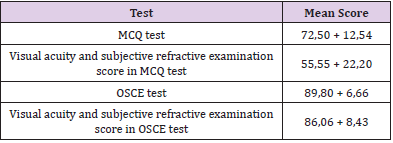
The demographic data of the medical students are following. Among 64 students, 52 were female (81,25%) and 12 were male (18,75%). The range of students ages was 19 years old to 28 years old with a mean age was 22,66 years old. Assessment and evaluation of the online learning method are done by observing the MCQ and OSCE test scores and the students’ perception questionnaire results. By assigning this type of assessment, we can know the medical students’ level of basic knowledge and skills in ophthalmology. Table 1 shows the mean score of the MCQ and OSCE tests Table 1. Mean score of multiple choice and objective structured clinical examination test. From the test result, it can be seen that the students get good test scores both in MCQ and OSCE tests. However, in the MCQ test, the knowledge about visual acuity and subjective refractive examination still poor, shown by the low mean score. Nevertheless, later in the OSCE test, the student’s skill in visual acuity and subjective refractive examination had improved a lot, shown by the increase of the mean score.

Table 1: Mean score of multiple choice and objective structured clinical examination test.

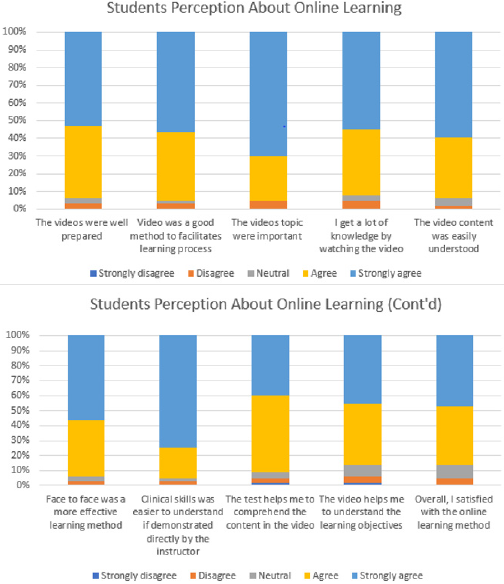
Figure 1 shows the perception of the medical student about online learning methods. From the questionnaire results, the majority of the students agree that the videos were well-prepared, and the contents were easily understood. The videos also help the students to achieve learning objectives in clinical ophthalmology clerkship. However, some students prefer the face-to-face learning methods, especially in acquiring basic ophthalmology skills, with the direct supervision of an ophthalmologist. A clinical skill directly demonstrated by the instructor will be easier to understand and perform according to most students.

Figure 1: Students’ perception about online learning.

Discussion

The decline in undergraduate ophthalmology education level for medical students, which was further severed by the COVID-19 pandemic, could lead to a lack of essential basic skills in ophthalmology examination among medical students. The applied physical distancing and lockdown strategy had interfered with the learning-teaching process in most countries in the world. The medical students have been targeted to achieved some competencies in ophthalmology, but the current situation made it difficult because there were diminished opportunities and times to encounter real patients in the hospital. Modification of the ophthalmology teaching method must take place to accommodate this task within a shorter period. The advancement of information technology had brought online learning as one of the best alternative teaching methods during this pandemic era to get sufficient competencies in ophthalmic skills and knowledge [7-9].

Before the pandemic period, undergraduate ophthalmology rotation took four weeks in our department. The learningteaching process involves face-to-face case discussion and direct observation of patient examination in the outpatient clinic. During the COVID-19 pandemic, the education process had shifted into half of online learning and half of in-person clerkship. This change is to reduce the number of students in our department where the student’s group was split into halves so the physical distancing is still can be applied. This study result gives a promising result about the implementation of online learning in undergraduate ophthalmology education. Overall, both MCQ and OSCE tests show good mean scores of the students. A concern must be given to basic ophthalmology skill which is more complicated for medical students to master such as subjective refractive examination. In the online learning period, the students still difficult to comprehend this issue, shown by a low mean score of the MCQ test (55,55 + 22,20). However, after undergoing two weeks of in-person clinical clerkship in the university hospital, the skill of the students in the subjective refractive examination had improved significantly. Comprehensive management of simple refractive errors is one of the basic competencies in ophthalmic skill, which is mandatory to primary care physicians according to the National Standard of Indonesian Medical Doctor Competencies [10]. Unfortunately, the subjective refractive examination is quite difficult to master by the medical students. This examination needs patience and repetitive practice in order to do it well and get an accurate refractive error measurement. Besides that, this examination needs a cooperative patient and does not enough by only watching an educational video. In the in-person clinical clerkship period, the students had an opportunity to practiced it under the supervision of an ophthalmologist and directly get feedback after the examination. Feedback holds an important role in improving the student’s clinical skill as it guides them to do the procedure according to the standards. Therefore, face-to-face learning methods are still a more effective means of teaching for this particular ophthalmic skill [7,11].

Overall, the student’s perception was good about online learning, where more than 85% of students were satisfied with the quality of online learning. About 85,94% of students also can comprehend the learning material in the video and achieved the learning objectives which were expected. More than 90% of the students agreed that the topic presented in online learning was an essential topic to learned and very useful in clinical practice as a primary care physician. However, many of the students (93,75%) stated that face-to-face learning methods were more effective than online learning methods, especially in learning clinical skills such as subjective refractive examination. About 95,31% of them considered that clinical skills that the instructor directly demonstrated will be easier to understand and can rehearse to perform under the direct supervision of an ophthalmologist. Few studies about perception about online undergraduate ophthalmology teaching during the COVID-19 pandemic had shown positive feedback from students. Majority of the students perceived that online learning was a favorable alternative to the conventional face-to-face learning method with the ease of flexibility of the learning process to time and place, repeatability of the learning material at own pace, and the more courage to ask and interact with the instructor. The shortcomings of online learning were mainly the lack of clinical training and patient encounter, the learning process was not as interactive as traditional face-to-face learning, and limited facilities include poor internet connectivity [2,12-14].

Provision of learning materials included clinical skill videos before undergraduate ophthalmology clinical clerkship had shown to significantly improved subjective and objective measures of knowledge and skill performance. This effect is likely due to the specified topics and the higher efficacy of selected materials provided by the instructor relative to student-selected materials so the students can focus and concentrate on achieving the learning objectives and clinical skills expected [15]. Computerassisted learning modules using virtual patients have been applied to enhance teaching and learning by allowing medical students to sharpen their clinical reasoning skills by formulating a diagnosis and treatment plan on virtual patients with simulated eye conditions in a safe learning environment before practicing on real patients. The application of virtual patients resulted in increased academic performance and sustained retention over traditional teaching alone [16]. However, such particular skills, such as refractive error correction and direct ophthalmoscopy, still need real patients to practice in order to understand the correct angle of approach and the necessary adjustments to be made during the examination. A hybrid learning model of virtual didactics, simulation, telemedicine, self-directed learning, and in-person clinical encounters will provide students with various experiences, including new opportunities in patient care and technical skill development [1,17]. This study shows that despite the excellent score of the overall multiple-choice test, the students still have inadequate knowledge about visual acuity and subjective refractive examination topics during the online learning period. However, after their encounter real patients and practiced directly in the clinic during the in-person clinical clerkship period, their knowledge and skill about visual acuity and subjective refractive examination topic have improved dramatically in the OSCE test at the end of the period.

Before the pandemic, the learning process in medicine is still commonly based on a conventional clerkship approach where learners observe clinical practice and learn from hands-on activity when permitted by the clinical instructor. We are forced to use online learning to teach clinical ophthalmology during the pandemic to limit unnecessary face-to-face exposure. Nevertheless, online learning cannot permanently replace in-person clinical clerkship. In-person ophthalmology clerkship enhances our ability to observe students and evaluate clinical performance, including students’ integration into the healthcare team, skills in interacting with patients, professionalism, and clinical and surgical skills. To overcome the shortcomings of online learning in clinical ophthalmology, we transformed our undergraduate ophthalmology curriculum into blended learning, where online learning is combined with traditional face-to-face learning. In the online learning period, the students enrolled in the iLearn platform and were assigned to watch the clinical skill videos, complete the multiple-choice test, and make a case report. In the clinical clerkship period, the students came to the teaching hospital wearing personal protective equipment, which is mandatory. The students can observe the real patient examination directly in the outpatient clinic. Afterward, the instructor gives an explanation and discussion about the patient examined before. The students were also performed basic ophthalmology examinations under the supervision of the instructor. As an adjunct to conventional learning method, however, online learning may be beneficial and may have a significant impact on future medical students, including new opportunities in patient care and technical skill development [1,18-21].

This study’s limitations include the relatively small sample size and the self-reported nature of the questionnaire in which participants may be subject to reporting bias affected by student confidence and the degree to which they did not want to disappoint teaching staff. This study also does not compare the blended learning method’s outcome with the conventional full-time clinical clerkship. However, with reasonable satisfaction from most students in this study, we hope that online learning can supplement the in-person clinical clerkship method, especially in this pandemic period, to ensure that the students would not lose precious time and could continue with their academics.

Conclusion
This study results can encourage that a blended learning model, which combines video-assisted online learning with the inperson clinical clerkship, can be useful for acquiring clinical skills by health students. Learning process flexibility to time and place was the most advantage of online learning and lacking to perform clinical skills was the main shortcoming. Quality assurance of the video resource should be done to enable students to understand the context and engage with video resources so in time they encounter real patients, they are already prepared and gain sufficient competencies. The advanced development of information and communication technology will further be improved and established online learning as a more time- and resource-effective model for the interactive and integrated learning process.

For more Articles on : https://biomedres01.blogspot.com/
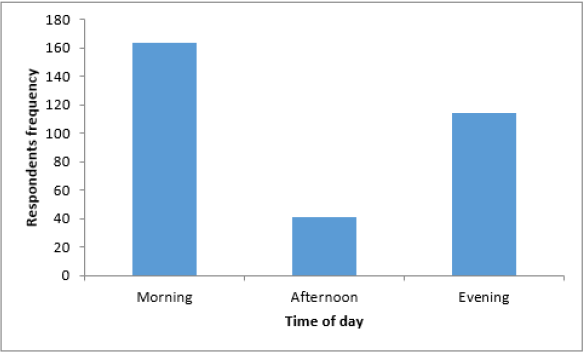
On the Poaching of and the Threats Facing the Chukar Partridge (Alectoris Chukar J.E. Gray, 1830) in Palestine

  On the Poaching of and the Threats Facing the Chukar Partridge ( Alectoris Chukar J.E. Gray, 1830) in Palestine Introduction Palestine ...