Showing posts with label journals on regenarative diseases. Show all posts

Friday, May 27, 2022

Prevalence of Macroprolactin in Hyperprolactinemic Patients Receiving Anti-Psychotics

Prevalence of Macroprolactin in Hyperprolactinemic Patients Receiving Anti-Psychotics

Introduction
Prolactin hormone is a globular protein, synthesized and secreted by lactotrophs in the anterior pituitary gland [1]. The main functions of prolactin are exerted during pregnancy, enabling breast development, milk production & lactation. Prolactin (PRL) has other biological functions as osmoregulation and immunoregulation [2]. PRL facilitates the maturation of T cells via IL-2 receptor expression, impairs B cell tolerance to self-antigens through the anti-apoptotic effect, develops antigen-presenting cells, and enhances immunoglobulin production [3]. Prolactin circulates in the blood in different forms; monomeric PRL with molecular weight 23 kDa (referred to as little PRL), and it is the immunologically and biologically active form, dimeric PRL with molecular weight 48 to 56 kDa (big PRL) which is biologically inactive, and polymeric form of PRL with a molecular weight > 100 kDa (big-big PRL) which is also called a macroprolactin (MaPRL) [4]. The predominant isoform of PRL in healthy people, and also in most individuals with hyperprolactinemia, is a monomeric molecule that amounts to more than 85% of circulating hormone. However, in some patients with hyperprolactinemia, the dominant form becomes MaPRL, which in normal conditions does not exceed 2% of total serum PRL [5].

The increase in serum Prolactin concentration (hyperprolactinemia) is caused physiologically by pregnancy, lactation, stress & pain and pathologically by a pituitary adenoma (secreting PRL), hypothyroidism, chest wall disease, hepatorenal disorders, and drug-induced (anti-dopaminergic drugs). The most common drugs that cause hyperprolactinemia are the antipsychotic medicines like risperidone, haloperidol, and olanzapine [6]. However, 29% of hyperprolactinemia has been classified as idiopathic, because the causes are unknown [7]. Anti-PRL autoantibody was found to be one of the major causes of idiopathic hyperprolactinemia [8]. In most cases, MaPRL is composed of immune complexes of PRL and anti-PRL autoantibodies, and 87% of MaPRL was PRL-IgG complex and 67% of MaPRL was autoantibody-bound PRL. Anti-PRL autoantibodybound PRL is a major form of PRL-IgG complex and PRL – IgG complex is a major form of macroprolactin [9]. It has been shown that MaPRL is biologically inactive because the large molecular size of this complex prevents its crossing through the capillary blood barrier and reaching target cells and immunoglobulin connecting with a specific epitope of PRL molecule may reduce the binding of the hormone to its receptors [10,11]. So, MaPRL has longer renal clearance resulting in its accumulation in the serum. In addition, the most available immunoassays used to measure PRL level do not distinguish MaPRL from monomeric PRL, which can lead to an incorrect diagnosis of hyperprolactinemia and unnecessary imaging study and treatment.

If MaPRL has been found to predominate in human serum, it will be called macroprolactinemia. In many studies, it is found in 10 – 45% of hyperprolactinemic patients, depending on the immunoassay used in the laboratory [12-15]. Although most of the studies reported that MaPRL is inactive, some studies reported that patients with a high concentration of MaPRL exhibit signs or symptoms of hyperprolactinemia such as galactorrhea, menstrual irregularities, or infertility, other studies reported that macroprolactinemia cannot be differentiated from hyper PRL based on clinical symptoms alone, because several of the signs and symptoms of hyperprolactinemia are non-specific, the occurrence of symptoms with macroprolactinemia may be coincidental [16-18]. It is important to identify the presence of MaPRL as the cause of hyperprolactinemia to avoid unnecessary radiological investigations and treatment with dopamine agonist medicines. Macroprolactin is found to interfere with most commercially available immunoassays used for prolactin. As a result, false high prolactin values (apparent hyperprolactinemia) are obtained, and these values depend on the assay method employed. So, the most available immunoassays used to measure PRL level do not distinguish MaPRL from monomeric PRL, which can lead to an incorrect diagnosis of hyperprolactinemia and unnecessary imaging study and treatment [19].

For detection of MaPRL, Gel filtration chromatography (GFC) is the gold standard method for quantification of the three variants of PRL, but this method is costly, time-consuming, and laborintensive, so it is not used in routine screening for MaPRL [14,20]. Laboratories generally use polyethylene glycol (PEG) precipitation to differentiate macroprolactinemia from true hyperprolactinemia. This method is simple and inexpensive and has been extensively validated against GFC. This study aims to evaluate the prevalence of MaPRL in hyperprolactinemic patients in Al Masarra hospital who are receiving antipsychotic medications by precipitating MaPRL with PEG.

Materials & Methods

Patients

The study was done on 190 samples from patients with high prolactin levels and was receiving antipsychotics either male or non-pregnant non-lactating female from outpatient clinics or in-patients’ wards of the Al Masarra hospital which is a tertiary psychiatric hospital in Sultanate of Oman from March 2020 to August 2020.

Immunoassay

The measurement of the Prolactin level was measured by the automated analyzer COBAS e411, Roche Diagnostic. By using the electrochemiluminescence immunoassay “ECLIA” based on the sandwich principle, using biotinylated monoclonal specific antibody interacted with streptavidin-coated microparticles and second antibody which is monoclonal antibody labeled with a ruthenium complex. After the application of voltage, the chemiluminescent emissions were measured. The samples were separated and stored at -70 C0 till processing.

The reference range was: 102 – 496 μIU/mL for non-pregnant women and 86 – 324 μIU/mL for men. The inter-assay coefficient of variation (CV) was 2.2% and the intra-assay CV was 2.5%.

PEG-Precipitation

Preparation of 25% solution of PEG 6000 was prepared by dissolving 25 grams of PEG 6000 in 60 ml of distilled water at room temperature and mixing with vortex, then fulfilling the volumes till 100 ml of solution. The prepared solution is stable for three months maximum period at 4CO. In a separate glass tube, an equal amount of serum sample and 25% of PEG were added. After thorough vortex mixing for a minute and stabilization for 30 minutes, the solution was centrifuged at 9500 x g for 10 minutes. The supernatant portion of the sample was separated and prolactin level was measured in it. The prolactin level in the treated sample was multiplied by two to correct for the dilution with PEG. We followed the same protocol of Ana Maia Silva et al; 2014 in preparation of PEG solution and samples [21].

Measuring Free-PRL

The free prolactin is the prolactin level which will be recovered after precipitation of MaPRL by PEG.

The macroprolactin level will be determined using the following formula:

Interpretation

• Free prolactin recovering less than 40% = significant presence of MaPRL.

• Free PRL recovering that will exceed 50% = Monomeric PRL predominance.

• Free PRL recovering between 40% - 50% = intermediate or at the grey zone [22-24].

Statistical Analysis

All data were recorded and entered in a statistical package on a compatible computer and varied. Analysis was done using an SPSS- 20th version. The results were tabulated, grouped and statistically analysed using the following tests:

1. Descriptive statistics (for quantitative data)

• Mean (X-) and standard deviation (± SD)

• Frequency with percentage (for qualitative data)

2. Student Test: A statistical test used to test for a significant of an independent variable in experiments where there are only two levels of this variable (to compare between two independent means).

3. Chi-square (X2): Was used to test the significant of the difference between the frequencies of the different observations i.e. qualitative data.

4. Spearman Correlation Test (r): was used when studying the relationship (direction and power) of quantitative variables simultaneously.

5. Logistic Regression Analysis: used to examine the extent to which a set of variables independently predicts a dependent variable.

6. P value: Used to indicate the level of significance:

• P > 0.05: Insignificant

• P < 0.05: Significant

• P < 0.01: Highly significant

• P < 0.001: Very highly significant

A. Descriptive Statistics

1. Quantitative Data: mean and standard deviation “SD” were used to measure central tendency and dispersion.

2. Qualitative Data: frequency of occurrence was calculated by number (N) and percentage %.

B. Analytical Statistics

1. Comparing between groups was done using:

 Pearson Chi square- test (X2): for qualitative data.

 Student’s T test for quantitative data of two independent samples

2. Logistic regression analysis was done.

3. The level of significance was taken at (0.05). So, p value >0.05 was insignificant and p value ≤0.05 was significant.

4. The results were presented in tables and figures.

Results

The study showed that of 190 patients the mean age was 33.2 ± 9.2 years with the age range 16 – 62 years. There were 149 females (78.4 %) and 41 males (21.6%). 169 (88.9%) were Omani and 21 (11.1%) were non-Omani. The study found that 75.8% of hyperprolactinemia patients were asymptomatic and 24.2% were symptomatic. Meanwhile, (56.6%) of patients received risperidone, (29.3%) of patients received haloperidol, (9.4%) of patients received flupentixol decanoate and (4.7%) of patients received olanzapine. We found that (10.5%) of hyperprolactinemia patient had macroprolactin predominance with recovery rate (RR) was between 25.6% - 39.8% and (3.2%) of cases were borderline with RR was between 44.3% - 50%, while (86.3%) of cases had free PRL with RR was between 55 % - 98.9%. Meanwhile, 25% of MaPRL cases were males and 75% of the case were females. There was a statistically significant difference in gender between the symptomatic and asymptomatic group as males represented (28.5%) of the studied sample in the asymptomatic group and (0.0%) in the symptomatic group while females were (71.5%) in the asymptomatic group in comparison to (100.0%) in symptomatic group (p=0.00). There was a statistically significant difference in nationality between the symptomatic and asymptomatic group as Omani patients represented (92.4%) of the studied sample in the asymptomatic group and (78.3%) in the symptomatic group while non-Omani were less (7.6%) in the asymptomatic group in comparison to (21.7%) in symptomatic group (p=0.00).

There was a statistically significant difference in interpretation of hyperprolactinemia between the symptomatic and asymptomatic group as patients with free prolactin represented (86.1%) of the studied sample in the asymptomatic group and (87.0%) in the symptomatic group while patients with macroprolactin were (13.2%) in the asymptomatic group in comparison to (2.2%) in symptomatic group and patients with borderline level were (0.7%) in the asymptomatic group in comparison to (10.9%) in symptomatic group (p=0.00). There was a statistically significant difference between total prolactin and post-PEG PRL in which the mean of total PRL was 2413.6 ± 1486.0 and the mean of post-PEG PRL was 1759.37 ± 1260.5 (p = 0.000) which was following the result of Nedjeljka Ruljancic et al 2021 [25]. There was a statistically significant difference in total Prolactin between male and female in which the mean for female (2689.7 ± 1552.8) were significantly higher than in males (1410.4 ± 443.9) (p= 0.000), Also, there was a statistically significant difference macroprolactin between male and female in which the mean for female (721.7 ± 495.3) were significantly higher in than in males (408.9 ± 290.8) (p = 0.000), which was in line with the study of Young-Min Park et al 2016 [26].

There was a statistically significant difference in the type of prolactin between the symptomatic and asymptomatic group as total prolactin mean (2208.3) of the studied sample in the asymptomatic group and (3056.1) in the symptomatic group while patients with corrected prolactin mean were (1589.2) in the asymptomatic group in comparison to (2292) in symptomatic group (t-test =0.001). Meanwhile, there was no significant difference in the mean of MaPRL between the asymptomatic and symptomatic groups in the mean of MaPRL (t-test =0.007). The treatment of samples with PEG produced a reduction in PRL level in all cases with a mean reduction of 28.3%. There was no significant difference in medications used between the symptomatic and asymptomatic group as risperidone represented (81.3%) of the studied sample in the asymptomatic group and (18.7%) in the symptomatic group while haloperidol represented (64.3%) in the asymptomatic group in comparison to (35.7%) in the symptomatic group while Flupenthixol Decanoate represented (72.2%) in the asymptomatic group in comparison to (27.8%) in symptomatic group and olanzapine represented (88.9%) in the asymptomatic group in comparison to (11.1%) (p=0.079) which was on the contrary of the study of Young-Min Park et al 2016.

The mean of total PRL & MaPRL was higher in patients who were receiving haloperidol more than the other medications. (Table 1 & Figure 1). In our study there was a positive correlation between total prolactin and macroprolactin levels (r = 0.59, p < 0.01) (Figure 2).
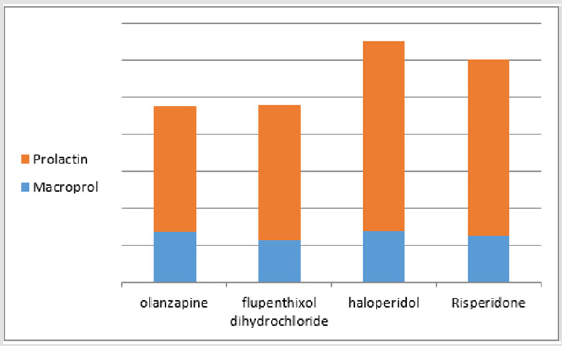
Figure 1:The mean of PRL & MaPRL in Olanzapine, Flupenthixol Decanoate, and Haloperidol & Risperidone. (The figure shows that the mean of the total prolactin level and the mean of macroprolactin levels were higher in patients receiving haloperidol that in other medicines).
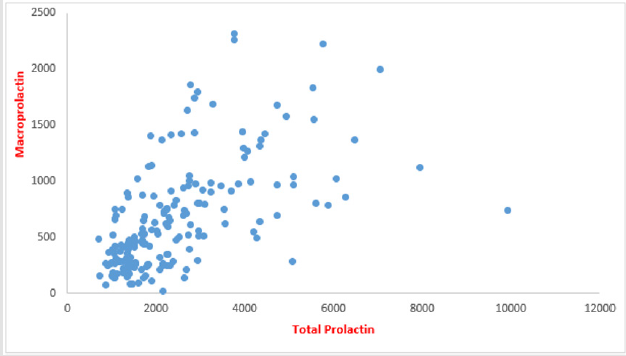
Figure 2:Correlation between total PRL & MaPRL (The figure shows the positive correlation between the values of the prolactin level and the values of macroprolactin levels).
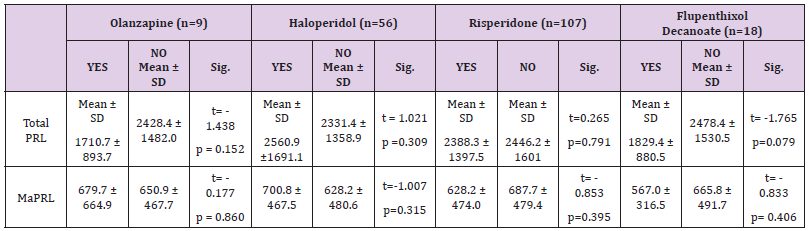
Table 1: Mean of Total PRL & MaPRL of Olanzapine, Haloperidol, and Risperidone & Flupenthixol Decanoate.

Discussion

Macroprolactin was described for the first time by Wittaker et al in 1981 when they reported a case with hyperprolactinemia without the common symptoms of amenorrhea, galactorrhea, and infertility. It was found that the high molecular weight MaPRL accounted for the majority of PRL in this patient by using GFC. It is PRL-IgG immunocomplex in which endogenous IgG molecule is directed against epitopes on N- and C-terminal restudies of monomeric PRL [27]. In the present study, treatment of the sera of patients with high prolactin with 25 % PEG 6000 was done leading to precipitation of macroprolactin and free prolactin level was measured in the supernatant. This method is the easiest and cheapest method for detecting MaPRL but it can precipitate monomeric PRL also with MaPRL leads to a reduction of post-PEG PRL values in all serum samples with a mean reduction of 28.3% in this study. In our study, we used the most common cut-off <40 % recovery rate to consider the case positive for macroprolactinemia. It has been reported that the 40% cutoff is 100% sensitive to confirm the presence of MaPRL while using a 60% cutoff does not report significantly more patients with significant macroprolactinemia [28].

In our study, 10.5% were detected with macroprolactin predominance which is consistent with studies that have been documented in the United States which found that about 10% of hyperprolactinemic patients have MaPRL as a predominant form of PRL but most of the studies conducted in Europe have shown that the predominance of MaPRL is usually above 20% [27-29]. 95 % of cases of MaPRL were asymptomatic and 5 % were complaining of amenorrhea. Although MaPRL is biologically inactive the symptoms could be co-incidence or intermittent dissociation of macroprolactin from IgG molecule could happen and causing the symptoms as suggested by Hattori N et al in 1997 [30]. Suliman AM et al also explained that although Big-Big PRL may be the predominant molecular form in MaPRL, monomeric PRL may simultaneously be found in excess. Therefore, MaPRL could be associated with monomeric hyperprolactinemia which leads to the development of symptoms of hyperprolactinemia [31]. In our study prolactin levels and macroprolactin levels were significantly higher in females than males as the previous results of Johnsen, et al. [32- 33]. The antipsychotic-induced hyperprolactinemia is related to differential D2 receptor affinity, 5-hydroxytryptamine receptor affinity, and blood-brain disposition of antipsychotics [34].

Risperidone is one of the anti-psychotics that have poor bloodbrain barrier penetration and high concentrations of risperidone exist in the pituitary [35]. In our study risperidone appeared to increase prolactin in 56.3% of patients, haloperidol was the second medicine which increased PRL in 29.5% of patients, Flupenthixol Decanoate increased PRL in 9.5% of patients and Olanzapine was the fourth medicine which increased PRL in 4.7 % of patients. In our study, there was no significant difference in medications used between the symptomatic and asymptomatic groups. The mean prolactin and macroprolactin levels were higher in patients who were receiving haloperidol than the other medicines but was no statistically significant difference between them. Beda-Maluga et al. reported that most patients with a PRL concentration higher than 100 ng/ml (2127 uIU/mL) had true hyperprolactinemia, although significant macroprolactinemia might be present in some cases [36]. The American Association of Clinical Endocrinologists recommends using a 25–150 ng/mL (532 - 3191 uIU /mL) interval to search for MaPRL, and the Endocrine Society suggests testing every asymptomatic patient for hyperprolactinemia [37]. Our study shed light on the prevalence of macroprolactin in patients receiving antipsychotics by measuring the prolactin level by COBAS e411 analyzer, we suggest in the future study increasing the number of patients and studying the prevalence of macroprolactin using different platforms other than COBAS analyzers.

Conclusion
Macroprolactin predominance in hyperprolactinemia patients receiving antipsychotics was 10.5 % which is in line with many kinds of literature. Haloperidol was associated with increased total and macroprolactin levels more than other drugs. So, we recommend investigation for macroprolactin predominance in every hyperprolactinemia patient especially the asymptomatic cases to avoid unnecessary radiological imaging and treatment.

For more Articles on : https://biomedres01.blogspot.com/

Friday, May 20, 2022

Use of Insecticide-Treated Nets (ITN) Against Diseases Vectors and Sucking Blood Arthropods

Use of Insecticide-Treated Nets (ITN) Against Diseases Vectors and Sucking Blood Arthropods

Introduction
Sucking Arthropods and Related Families in the World are
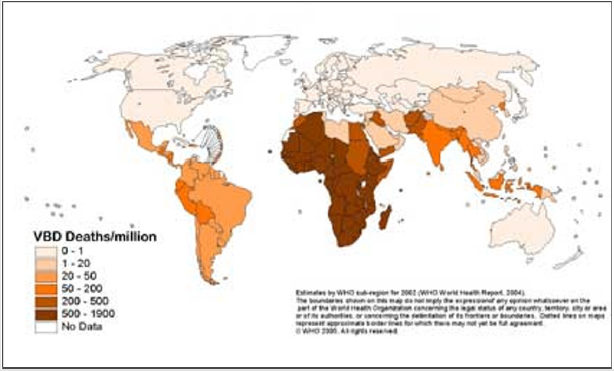
Mosquitoes (Culicidae), Sand flies (Psychodidae), Black flies (Simuliidae), Biting Midges (Ceratopogonidae), Tabanids (Tabanidae), Stable fly (Muscidae), Tsetse fly (Glossinidae), Kissing bug (Reduviidae), Bedbug (Cimicidae), Flea (Pulicidae), Head and body louse (Pediculicidae), Crab (Phthiridae), Mite (Trombiculidae), Hard Ticks (Ixodidae), Soft ticks (Argasidae). They transmit deferent diseases to human. World Health Organization listed the main vector borne disease in the world (Table 1). Vector-borne diseases are illnesses caused by pathogens and parasites in human populations. Every year more than one billion people are infected, and more than one million people die from vector-borne diseases including malaria, dengue, schistosomiasis, leishmaniasis, Chagas disease, yellow fever, lymphatic filariasis and onchocerciasis. For many vector-borne diseases, there are no vaccines, and drug resistance is an increasing threat. Vector control plays a vital role and is often the only way to prevent disease outbreaks. Many existing interventions, such as insecticide treated bed nets and indoor spraying, are simple and proven. Insecticide-treated bed nets are one of the most. WHO therefore recommends that everyone who is at risk of malaria sleeps under a long-lasting insecticidal net every night?

Table 1: Patients with tendon and ligament injury according to age and sex.

International donors funded over 700 million bed nets to protect families against malaria in sub-Saharan Africa. Nets should be checked regularly for holes and replaced every 2-3 years (Figure 1). The use of insecticide in impregnation of bed nets against sucking arthropods is due to these creatures are attracted to contact occupied nets by the odor of the occupants. This equipment is being used as personal protection for high-risk groups. If 80% of the entire population is coverage, it has mass killing effect. At the total coverage, ITN effect on the vector density and survival.

Figure 1: Global death from vector-borne diseases.

Advantages of Mosquito Nets

Low cost, lack of need for special equipment, fewer organization and logistical problems, less insecticide needed, compatibility with local customs, suppressed on the population nuisance insects, protection against cold, dust and snake.

Disadvantages Mosquito Nets

Several factors are involved including: culture, community acceptance due to the lack of awareness, sustainability, allergic effect, Feasibility, accessibility, misuse, not compatible with vector behavior, less coverage, program of distribution, ventilation problem, house design, restrictions of the community movement, -side effect on the pregnant women and child, -shape and design of net, re-impregnation, difficult to evaluate the impact of net.

Efficacy of Impregnated Bed Nets Depend on

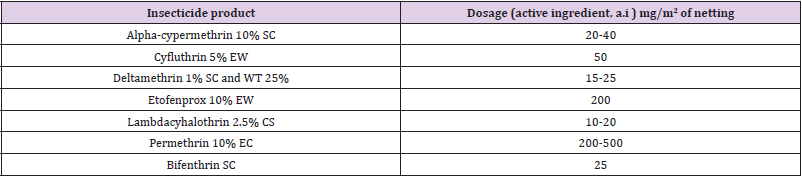
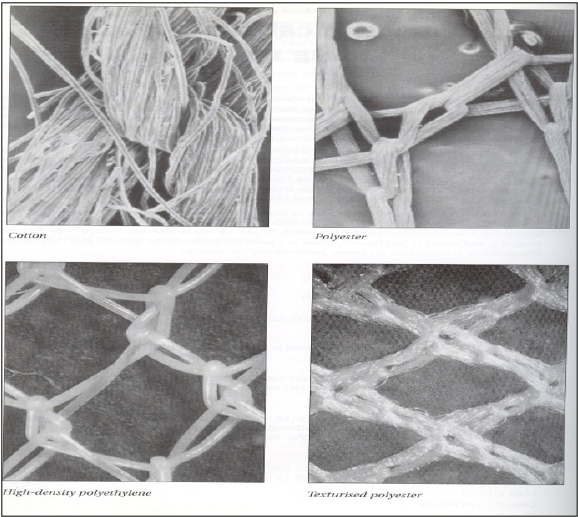
Bed net types (Type of bednets can be determined through KAP study), Fabrics (cotton, nylon, polyester, polypropylene, polyethylene (Figure 2). World Health Organization recommended several insecticides for impregnation of bednets (Table 2).

Different Formulations for Impregnation of Bed Nets are: (SC = aqueous suspension concentrate, EW= emulsion, oil in water, WT= water dispersible tablet, CS = capsule suspension (microencapsulated), EC = emulsifiable concentrate.

Figure 2: Types of Fabrics of bednets.

Table 2: Pesticide recommended for impregnation of bednet.

Ways of Impregnation

Soaking, spraying, colour (green, grey, brown, black, white), coding, skirting, insecticides (killing effect, deterrent effect, packaging, safety, registration, cost, social acceptances. Shape could be rectangular, conical, pyramid (Figure 3).

Figure 3: Different type and shapes of impregnated bednet nets commonly used

Current Insecticide Impregnate Bednets Against Insect Resistant to Insecticides are

Olyset® Plus (Permethrin + PBO incorporated into polyethylene, all panels) , PermaNet® 3.0 (Combination of deltamethrin coated on polyester with strengthened border (side panels), and deltamethrin + PBO incorporated into polyethylene roof)), Tsara® Boost (Deltamethrin + PBO incorporated polyethylene, all panels) , Tsara® Plus (Combination of deltamethrin coated on polyester (side panels), and deltamethrin + PBO incorporated into polyethylene (roof)) , Veeralin® (Alpha-cypermethrin + PBO incorporated into polyethylene, all panels) , Interceptor® G2 (Alpha-cypermethrin and chlorfenapyr coated on polyester) , Royal Guard® (Alphacypermethrin and pyriproxyfen incorporated into polyethylene, all panels).

Basic Information for Evaluation of Efficacy of Impregnated Bed Nets are

Ventilation, insecticide, vector susceptibility to insecticides, efficacy of insecticides, availability of insecticides, cost of insecticide, demographic data, population estimates, target groups (children, pregnant women), socioeconomic data, sleeping pattern (outside, inside), current use of nets, cultural attitudes, colors, sizes, vector bionomics, exophilicity and endophilicity, vectorial capacity, vector density, feeding pattern, species, zoophiloicity and anthropophilicity.

For more Articles on : https://biomedres01.blogspot.com/

Monday, May 16, 2022

In Search of Water…! Need to Revise Overreaching Provincial Water Policy

In Search of Water…! Need to Revise Overreaching Provincial Water Policy

Short Communication
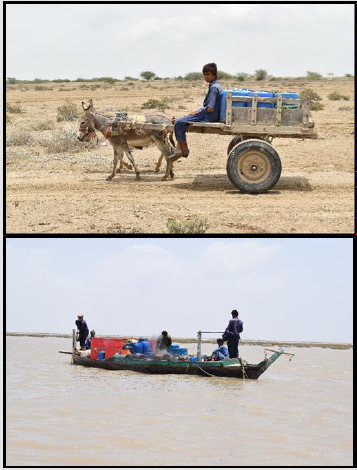
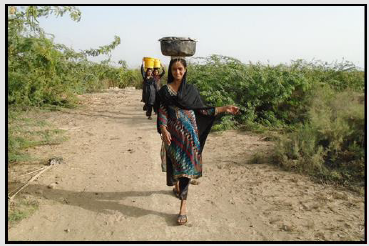
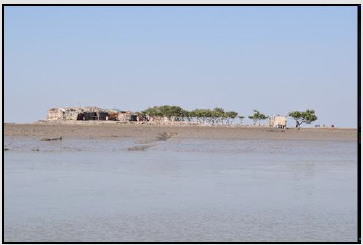
Sindh is a lower riparian province and its total dependency based on Indus River for water. But since last few decades, Sindh is vulnerable and faces quiet water shortage from upstream overreaching water flow. Even though, Sindh still receives 42 percent of the water share from the Indus Basin just according to Water Accord of 1991 (an agreement signed on the sharing of water between the provinces of Pakistan) whereas Sindh’s population was roughly 30 million in 1998. According to recent census of 2017, Sindh’s headcount about 50 million populations. Yet, the water availability has not been fairly revised and nor transparently ensured to practice in accordance with the current population growth, increased water consumption, rapid industrialization and urbanization occupies in the province. An unfair water distribution in country has already created concerns in the provinces. State policies and actions still seems fails in dealing with water crisis and proved water conflict which further resulted in appearance of internal political proxy war between the provinces inside the country. Generally, in rural and especially in deltaic areas of Sindh, the potable water is unavailable. The surface water is an invisible while the underground water is saline in the most part of deltaic villages. Women and girls have no any access to collect or fetch safe drinking water from nearby distance. The common rural women with village girls almost covers a far and long distance and seems roaming in search of water for their homes and families. While the local migration is going on towards Garo and Karachi as a result of unavailability of fresh water and the area gradually becomes deserted.

The local settlements have great concerns and expressed with sorrow that state must listen our grievances and ensure the availability of water which is our prime and first priority need. The waterborne diseases such as; Diarrhea, Typhoid, Cholera, Dysentery, Salmonella and Skin Infection are found most prevalent in children, women and elderly persons due to stagnant water surrounded by the settlements. Even though, local inhabitants are compelled to use saline water for drinking and cooking purpose which is unfit for human consumption and could lead to common health crisis. The people of the area are severely malnourished by inability to grow food due to unavailable fresh water. With such a scenario, Pakistan is far from achieving its adopted Sustainable Development Goal number six which promises access to safe, affordable and available drinking water for all by the year 2030. The agriculture sector is considered as a backbone of the country’s economy has been completely destroyed due to unavailability of fresh water and intrusion of sea in the whole deltaic region. Even the cultivated land has been converted into water logging and saline land. The farmers of Indus delta sadly expressed that their lands are unable to further cultivate any crop. Sindh requires a minimum environmental flow of water to maintain the proper functioning and health of its water bodies such as the Indus Delta mangroves and coastal wetlands. These mangroves and freshwater lakes have to be safeguarded from degradation and over-exploitation as they not only serve as fishery grounds but are vital to maintaining the natural balance of the water ecosystems [1-18].

Figure 1:

There is an urgent need for paradigm shift that promotes more judicious use of water and thinking about water resources management and highlight the social and environmental aspects of poor water resources management across the country, particularly in Sindh. It is time now to put people at the center of the discourse. It is absolutely possible to introduce an overarching Sindh water policy, a detailed master plan for each district and city of Sindh, should be conceived where decision making with equal representation and input of all segments of society is ensured and incorporated. At least, nationally agreed 30 million Acre Foot (MAF) water should release immediately in downstream Indus Delta (Figures 1-4). In the light of above context, the issue of water crisis can be resolved through adopting and practicing modern technologies such as; water conservation and management technologies, recycling wastewater, improving irrigation and agricultural practices, graphene filter, solar impulse efficient solution and introducing energy efficient desalination plants. Additionally, press, electronic and social media activists all are requested to raise and highlight Sindh’s water crisis issue in media and start media campaign so that new debate may start in parliament and legislators and policymakers pass and implement new laws or bring reforms in its current water policy in the light of recent population growth, poverty and socio-economic circumstances of the province only with aim to ensure availability of fresh water in the deltaic area of Sindh and we may hope to see good future of our generation.

Figure 2:

Figure 3:

Figure 4:

For more Articles on : https://biomedres01.blogspot.com/
Wednesday, May 11, 2022

Ligand-Based Virtual Screening for the Inhibitors of Monoamine Oxidase B

Ligand-Based Virtual Screening for the Inhibitors of Monoamine Oxidase B

Introduction
Monoamine Oxidases
Monoamine oxidase enzymes are central to the normal functioning of brain by playing a key role in neurotransmitter metabolism thus involved in some neurodegenerative diseases including Parkinson’s disease. Existence of isoforms monoamine oxidase A and B was established after separate gene sequences encode two enzymes. These isoforms are differentially expressed with MAO-A expressed in human placental mitochondria and MAO-B in human platelet mitochondria [1]. MAO plays an absolute role in the deamination of neurotransmitters thus controlling their level and concentration in the nervous system consequently linked to the basic pathological signs of neurological disorders. With the know-how of crystal structure of MAO enzyme, it becomes a major drug target and enables ligand designing [2]. MAO are bound to the surface membrane of mitochondria, flavoproteins causing the oxidative deamination of neurotransmitters. Role of these enzymes [3] in the catabolic processes of essential brain amines like dopamine and phenylethylamine causing an intensification of the neurodegeneration due to the process of oxidative stress is the important common sign of Parkinson’s disease [4].

Tissue Occurrence

Two isoforms vary in the level of presence from tissue to tissue mostly with regional differences in the brain. Striatum and hypothalamus are regions with highest level of activity along with cerebellum and neocortex showing low levels of activity. Main function of this enzyme is to provide protection to the body, oxidation of amines from the blood avoiding their entrance into the circulation. MAO-B acts as a metabolic barrier in the blood brain barrier and shields neurons from exogenous amines, ends the action of amine neurotransmitters regulating their intracellular level [5]. MAO-B is present in significant levels in the astroglial cells acting as a biomarker for the crucial process of astrogliosis, which is involved in the mechanism of the Parkinson’s disease providing a positive correlation between MAO-B and astrocyte proteins. In case of MAO-A an increased level was seen in substantia nigra in disease condition [6].

Mechanism of Action: Initially a number of mechanisms of action were proposed. MAOB forms the agent responsible for Parkinson’s disease 1- methyl-4-phenyl-pyridinium which is a neurotoxin from the 1-methyl-4- phenyl-1, 2, 3, 6-tetrahydropyridine (MPTP). Both enzymes have covalently bound cofactor FAD cofactor which is attached to the cysteine. A hydrophobic substrate binding domain along with a membrane binding domain. These enzymes exist as dimers in the solution form. Notable difference in structure of isoform A and B substrate binding sites exists primarily in the amino acid residues.

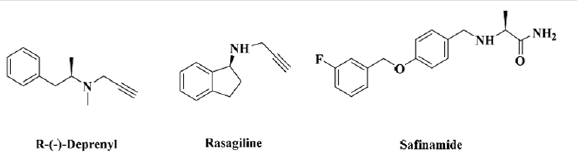
Inhibitors of monoamine oxidase enzyme increase the monoamine neurotransmitter availability, decreasing the production, low levels of neurotoxins formation, initiation of pro survival genes leading to a neuroprotective effect (Figure 1) [7].

Figure 1: Known inhibitors of Monoamine oxidase [8].

Structure

Monoamine oxidase inhibitors not just act by enhancing the catalytic process but are created by targeting specific residues as imidazoline present in the entrance cavity that is also an important component in determining ligand specificity [9]. Inhibition is achieved by interaction to the coil like structure near to the membrane surface and two cavities, entrance and active providing a gateway [3].

Drug Generations

Thus, these inhibitors help in easing some of the symptoms including motor complications. This widely established role motivated researchers all around the world to design new research techniques [10]. Seligiline, initially an anti-depression drug is the first-generation drug in the treatment of Parkinson’s. Rasagiline came up next with increase in specificity and capability. These drugs can be used in different ways according to the progression of the disease symptoms. In such case a monotherapy or combinational treatment can be recommended. Another greatly investigated inhibitor is safinamide known as an ideal, well tolerated and safe inhibitor [11]. All of these inhibitors basically influence positively to the level of neurotransmitters in the brain protecting them from depletion [12].

Deamination

Among both the monoamine oxidase enzymes isoform B is responsible for more than 80% of the total enzyme activity in brain especially in regions like glial cells, histaminergic and serotonergic neurons. Other than brain it breaks down dopamine and other amines in liver. Scholars revealed that monoamine oxidase B activity correlates to the aging appearing to show more activity in neurodegeneration and highly expressed in astrocytes. Thus, as the age goes on, reduction in dopamine and increase in is expected. Rise in the concentration level of stimulates signaling cascades for apoptosis in cell. Evading the cells from this bio activation can defend from oxidative damage [13].

Investigations led to deep insight into the MAOB structure that resulted in showing hydrodynamic properties. These studies indicate the possibility of perceiving MAOB as an accurate biochemical imaging marker for neurodegeneration [14]. Also, in regard to Parkinson’s disease MAOB is specially involved in pathogenesis of disease by producing reactive oxygen species and neurotoxins such as 1-methyl-4-phenyl-1,2,3,6-tetrahydropyridine [6]. Other than this human MAOB enzyme is seen to differ from rat MAOB in terms of specificity towards dopamine and some other substrates. This difference is regarded as an attribute of kinetic behavior of enzyme [15].

Virtual Screening

An effective computer-based strategy, virtual screening (VS), has been used for identification such promising compounds which binds with known structure’s molecular target.

Material and Methods

In-Silico Study

Library Retrieval: Based on published research work we selected three compounds namely selegiline, rasagiline and safinamide for library retrieval of related compounds that can also act as inhibitors. For this purpose, ZINC database was employed that contains over 21 million commercially available, purchasable and ready to screen compounds. Structural similarity search feature of ZINC for rasagiline and safinamide assembled a total of 456 compounds. After downloading from the servers, the compounds w was drawn in MOE builder. All 456 compounds retrieved from zinc database were drawn using this software and saved in cdx file format.

Pharmacophore Generation: Pharmacophore generation is an important technique for recognizing the potential ligands. Basically, a pharmacophore is an orientation in 3D of the functional group of the molecule that plays role in the interaction during binding with the protein. MOE (Molecular Operating Environment) pharmacophore tool was used to generate model for further virtual screening of our data set that comprised of 456 compounds from ZINC database along with dataset of six classes of synthetic compounds. Pharmacophore model created was used to evaluate the database and further filter our dataset to hit compounds. Pharmacophore Query Editing and Searching by MOE Tools: The EHT pharmacophore scheme is based on a semi-empirical approach using Extended Hueckel Theory (EHT) for generating pharmacophore annotations and features. The EHT approach takes into account ligand resonance and electron withdrawing effects and consequently the pharmacophore features generated through the EHT scheme are sensitive to non-standard interactions, such as C-H and halogen bond interactions, during pharmacophore screening.

Molecular Docking: To further refine the shortlisted compounds from pharmacophore analysis, interacting behaviour of these compounds was inspected through molecular docking studies. LeadIT from BioSolveIT, GmbH Germany was used for docking. For this purpose, protein data bank was used to download the crystallographic structure of human monoamine oxidase B (ID: 2V5Z at 1.7 Å). Since MAOB exists as a homodimer so before initiating the docking techniques chain B was removed completely leaving behind just chain A. coenzyme flavin adenine dinucleotide with the MAOB was kept in oxidised form. Prepare receptor utility or load of Lead It software was used for uploading the receptor. Binding site conformation was set at 8.5 Å spacing and docking was initiated using FlexX utility along with default docking parameters. Cognate ligand safinamide was re-docked inside the active site and RMSD value was noted. Ligand-protein complex with lowest free biding energy values were selected for further analysis [16-21].

Visualization: As a result of docking the 3D putative binding modes were visualized using Discovery Studio visualizer v4.

Result and Discussion

The current studies was based on the identification of potent scaffold from several known inhibitors of monoamine oxidase and marketed inhibitors of MAO-B namely selegiline, rasagiline and safinamide were retrieved from Zinc database and database was prepared. Based upon the pharmacophore, screening of potential inhibitors of MAO-B downloaded from databases were done. Different similarity searching on the basis of structures of rasagiline and safinamide assembled a total of 456 compounds from Zinc database. Out of these 456, 37 compounds were chosen, and filter was applied for the generation of pharmacophore method. The resultant binding interactions and binding energies inside the active pocket were monitored and reported. The lowest binding energy and highest binding interactions were established for ZINC ID 89775104 as -12.43. ADME properties of all the 37 compounds were predicted and physicochemical parameters after the generation of pharmacophore was build (Table 1).

Table 1: ADME properties of all the 37 compounds were predicted from the pharmacophore based screening.

Conclusion
The inhibition of monoamine oxidase enzyme suggests the significant target for the regulation of depression and Parkinson’s disease. The current studies were based on the identification of potent scaffold from several known inhibitors of monoamine oxidase and marketed inhibitors of MAO-B namely selegiline, rasagiline and safinamide were retrieved from Zinc database and database was prepared. Based upon the pharmacophore, screening of potential inhibitors of MAO-B downloaded from databases were done. Different similarity searching on the basis of structures of rasagiline and safinamide assembled a total of 456 compounds from Zinc database. Out of these 456, 37 compounds were chosen, and filter was applied for the generation of pharmacophore method. The resultant binding interactions and binding energies inside the active pocket were monitored and reported. The lowest binding energy and highest binding interactions were established for ZINC ID 89775104 as -12.43. ADME properties of all the 37 compounds were predicted and physicochemical parameters after the generation of pharmacophore was build.

For more Articles on : https://biomedres01.blogspot.com/
Bridging the Gap Between COVID-19 and Subarachnoid Hemorrhage: A Case Report and Literature Review

  Bridging the Gap Between COVID-19 and Subarachnoid Hemorrhage: A Case Report and Literature Review Introduction The novel coronavirus was ...