Showing posts with label Open Access journals on surgery. Show all posts

Tuesday, June 7, 2022

Rox Index as Predictor of Ventilatory Failure in Patients Admitted to ICU July 2020 to January 2021

Rox Index as Predictor of Ventilatory Failure in Patients Admitted to ICU July 2020 to January 2021

Introduction
Coronavirus disease 2019 (COVID-19) caused by the new severe acute respiratory syndrome coronavirus 2 (SARS-CoV-2) first emerged in China in December 2019 and caused a global pandemic [1]. Approximately 10% to 20% of patients admitted to hospital require intensive care, most of whom undergo mechanical ventilation (MV) for pneumonia complicated by severe hypoxemia [2]. The high-flow nasal cannula (HFNC) and continuous positive airway pressure (CPAP) are recognized treatments for hypoxemic respiratory failure caused by community-acquired pneumonia (CAP) [3-7]. HFNC and CPAP may represent definitive therapy that avoids unnecessary MV or provides bridging respiratory support that compensates for the need for immediate MV, preserving finite critical care resources. However, the costs of the system such as HFNC as well as CPAP and the low availability of this in health institutions in developing countries make it necessary to consider the use of other devices such as the non-rebreathing mask in patients who have hypoxemia refractory to low-flow systems. The ratio of the oxygen saturation index (ROX) is used to predict the failure of HFNC in the treatment of CAP [6,7]. There are few published data that describe the use of the ROX index to guide the use of HFNC to treat respiratory failure associated with COVID-19, and there are fewer studies where the system known as the nonrebreathing mask is used; The ROX index was developed as a simple bedside test to predict HFNC failure and the need for MV, although it is likely that patients with viral pneumonia were underrepresented in referral and validation studies [8,9].

Objectives

To evaluate the positive predictive value of the ROX index in patients admitted in the period from July 2020 to January 2021. To determine its power to determine the risk of death and the requirement of invasive mechanical ventilation.

Methodology

We conducted a retrospective observational study of individuals with laboratory-confirmed COVID-19 through molecular or antigenic tests, which were presented at a health institution in Piedecuesta Santander Colombia between July 2020 and January 2021. Patients who received a mask were identified. no rebreathing, CPAP or VM Tables 1-3. Medical records review captured demographic data and clinical and respiratory parameters. Of 405 hospitalized patients with laboratory confirmed COVID-19 during the study period, 306 individuals (306/405, 76%) admitted to the ICU were eligible for Non-Rebreathing Mask or CPAP as determined by treating physicians according to the national and international guidelines [10]. Of these, 259 people received only a non-rebreathing mask (85%), 47 (15%) received a combination with CPAP. The majority of people who received non-rebreathing mask or CPAP experienced severe outcomes, defined as mortality or MV at 30 days of follow-up, for mechanical ventilation (137/306, 45%) and for mortality (96/137, 70%). Table 4 in the case of patients who required ventilatory support, in agreement with the findings of multiple studies in this regard in the field of morbidity and mortality. (Figures 1-3) For those admitted, the median of the ROX indices in both deceased and survivors at 2 hours were (4.5 (3.6 - 5.6) vs 5.8 (4.7 - 6.9), p <0.001) and the 12 hours (4.9 (3.8 - 6.0) vs 7.8 (5.2 - 8.7), p = <0.001), were significantly lower in the group with severe results. ROX indices adjusted for age and sex below 4.88 at 2 (OR 8.5, CI 2.0 - 91.4) and 12 (OR 17.6, CI 2.8 - 93.6) hours after the start of the non-rebreathing mask the chances of a serious outcome increased.
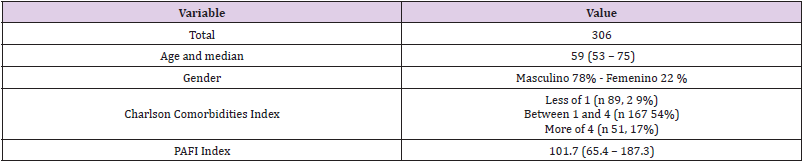
Table 1: Demographic characteristics of the study population and PAFI values at admission.

Table 2: Median and standard deviations of the ROX index in deceased and survivors at 2 and 12 h after admission.

Table 3: ROX index adjusted for age and gender at 2 and 12 h after admission of the patient with its corresponding relative risk.
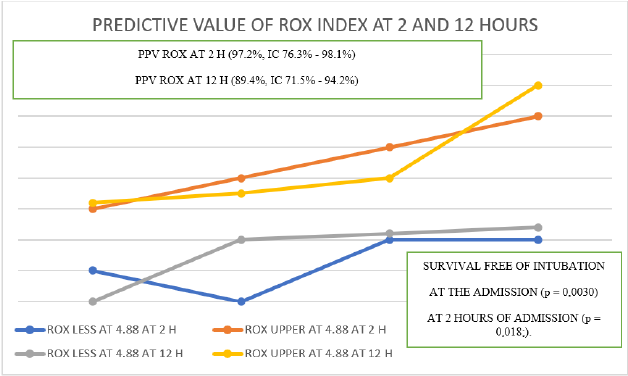
Table 4: Predictive value of ROX at 2 and 12 hours in deceased and survivors.
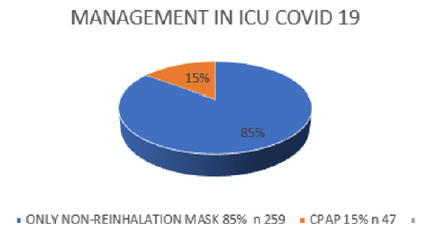
Figure 1: Percentages of use of non-rebreathing mask and CPAP of the patients admitted to the study.
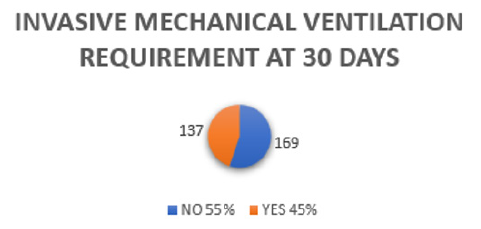
Figure 2: Requirement for invasive ventilatory support in the 30-day follow-up.
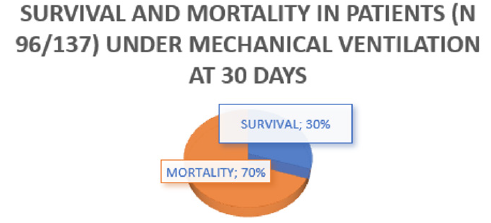
Figure 3: Requirement for invasive ventilatory support and mortality at 30 days of follow-up

The ROX Index less than 4.88 at 2 hours after the start of the non-rebreathing mask had the highest positive predictive value for the severe outcome (97.2%, CI 76.3% - 98.1%) of the respiratory variables analyzed. For patients who received a non-rebreathing mask, intubation-free survival was significantly reduced for people with an ROX index less than 4.88 at the time of its calculation (p = 0.0030) and at 2 hours (p = 0.018). ;). For people who also received CPAP, the ROX index was a strong predictor of complications with a severe outcome, as well as mortality. The use of ROX index on the basis of suitability has been widely used even in high-resource settings [11,12]. It is essential to explore the role and results of the non-rebreathing mask and CPAP in the treatment of hypoxemic respiratory failure due to COVID-19 in patients at risk of ventilatory failure. As expected, the people with the highest mortality were older than 70 years compared to those younger than 60 years, p> 0.001), more fragile and with greater comorbidities Table 5.

Table 5: Correlation between age groups, ROX index and cumulative mortality of the patients admitted to the study.

Conclusion
The main limitation of our study is its retrospective and singlecenter nature. There were a number of variables improperly recorded in the electronic notes. Clinical observation data is lacking; however, these missing data are clearly highlighted in our summaries and do not preclude analysis. Our study consisted of a male population; a high group of these patients presented a Charlson comorbidities index of between 1 and 4 (n 167 54%) corresponding to more than half of the sample. It was appreciated that both at admission and at 12 hours the ROX index values were significantly lower in the group with severe results. Most of the people who received non-rebreathing mask or CPAP experienced morbidity and mortality outcomes and complications defined as mortality or ventilatory support at 30 days of follow-up, respectively for mechanical ventilation (137/306, 45%) about half of these patients required it and mortality (96/137, 70%) was higher than two thirds in the case of patients who required ventilatory support, in agreement with the findings of multiple studies in this regard in the field of morbidity and mortality. Our study suggests that the ROX index is a useful predictor of ventilatory failure in COVID-19 respiratory failure to identify early patients likely to require MV, as suggested in previous studies, and warrants prospective validation studies in this setting. The positive predictive value of the ROX index was greater than 85% to determine negative outcomes, especially when it was less than 4.88 both at 2 and 12 hours after admission. Likewise, the people with the highest mortality were the age group that was over 70 years of age in comparison with those under 60 years of age, p> 0.001), more fragile and with greater comorbidities.

In addition to the scarcity of existing literature where it is proposed to carry out studies in low-resource countries such as ours, expanding even more the total sample, our data suggest the use of the non-rebreathing mask guided by the ROX index in people with predictors of severity. Our study showed that an ROX index lower than 4.88 at 2 and 12 h showed a high risk of ventilatory failure associated with the requirement of mechanical ventilation, had the highest positive predictive value for the severe outcome (97.2%, CI 76.3% - 98.1 %) of the respiratory variables analyzed. Further studies are required to characterize the role of the ROX Index and risk stratification of ventilatory failure to guide resource management and decision making including the exact time to start mechanical ventilation.

For more Articles on : https://biomedres01.blogspot.com/

Friday, June 3, 2022

Comorbidity Resolution and Quality of Life after Bariatric Surgery

Comorbidity Resolution and Quality of Life after Bariatric Surgery

Introduction
Recently, obesity has become one of the most important health problems in our society. In 2008 and according to the World Health Organization (WHO) 1.4 billion people in the world suffer from overweight and 500 million from obesity [1]. The prevalence of obesity in Spain is 21.6%, being higher in men and older people [2]. The high prevalence of metabolic syndrome among obese patients suggests that both entities share the lipotoxicity as etiological mechanism. In overweight patients, cardiovascular pathologies are more frequent as well as invalidating knee and waist arthritis. Obesity also accounts for 44% of diabetes type 2 (DM2) and nonalcoholic steatohepatitis (NASH) affects practically every obese patient. This excess weight is the main risk factor for obstructive sleep apnea (OSA). Obesity is a preventable cause of diverse cancer types: colon, rectum, breast, uterus, kidney, esophagus and pancreas [3]. It also impacts the personal sphere with a reduced functionality in the everyday life activities and a worse quality of life (QoL). Clinical studies show that this QoL is not only a consequence of their worse physical condition, but it is also due to their lack of self-esteem, personal and social acceptation [4]. Stress, anxiety and depression are very frequent symptoms. The prevalence of the latter ranges from 23 to 69% much higher than the in the general population (17%). It has also been suggested that the incidence of psychopathologies and severe psychiatric affections is higher, being this partly responsible for the lack of adherence to the dietetic treatment and lifestyle changes. Weight loss has been related to a significative decrease in psychological symptoms [5].

Bariatric surgery (BS) was developed in the 50s as a promising treatment for those patients in whom the classic approach with diet modifications, exercise and drugs was not effective, allowing a maintained weight loss in the long term. It is performed worldwide with restrictive, malabsorptive or mix techniques, being the gastric by-pass (GBP), a mix technique, the gold standard. Other procedures are the sleeve (GS) and biliopancreatic derivation [6]. Surgery has shown a reduction in the associated comorbidities as well as a reduction in global mortality [7]. DM2 remission rate is over 50% in different studies [8-10]. Therefore, BS is recommended in those diabetic patients with a BMI ≥ 35 kg/m2 and poor glycemic control in spite of dietetic and adequate medical treatment. Most recent guidelines recommend that metabolic surgery could be considered in DM2 patients with a BMI ≥ 30 kg/m2 [11]. After surgery HBP prevalence is halved and dyslipidemia is reduced or disappears in 70% of cases, especially in BPG and biliopancreatic derivation. As far as OSA is concerned, its remission is around 35- 40% [12]. Other comorbidities such as the arthropathy haven’t been so thoroughly studied.

Given that BS is not exempt from risks, is crucial to carefully select the patients undergoing this surgery. It is indicated in the following criteria cases [1,6]: Age between 18 and 65; BMI ≥ 40 kg/ m2 without comorbidities or BMI ≥ 35 kg/m2 with comorbidities (Drug resistant DM2 or HBP, OSA, infertility, severe arthropathy). To evaluate the three fundamental aspects after surgery (i.e. weight loss, comorbidity resolution and QoL) The Bariatric Analysis and Reporting Outcome System (BAROS) was developed. This score system is considered a helpful tool to evaluate both objective and subjective outcomes. To address the subjective part it includes the Moorehead-Ardelt II QoL questionnaire, specifically validated in BS [13]. BAROS score was conceived by Oria in 1990 [14] and has been used in most countries since then. In 2009, Oria introduced minor changes which resulted in the questionnaire used nowadays [15]. The objective of our study is to evaluate the results in patients undergoing BS in the HURS, using BAROS scoring method to evaluate the outcomes after surgery.

Material and Methods

We performed a descriptive, observational, cross-sectional study which evaluated patients undergoing BS in the HURS. All patients attending a follow-up between January and December 2018 were included. Verbal informed consent was requested and those who accepted were handled the BAROS scoring method [16]. This questionnaire evaluates the clinical improvement in two parts: The first one evaluated by the investigator and the other one answered by the patient. The part evaluating the postoperative evolution is divided into two sections: weight loss evaluated as the percent excess weight loss (%EWL) and the resolution of comorbidities.

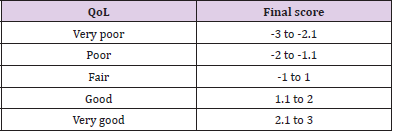
Each one of these sections receives a score from -1 to +3, according to the %EWL and the evolution of the comorbidities. In case the patient didn’t suffer from any comorbidity this part is obviated. It is also taken into account the appearance of complications and the need of a reoperation. The second part takes into account the QoL, assessed by the Moorehead-Ardelt II questionnaire which evaluates self-esteem, physical activity, social life, work conditions and sexual activity. The score in each of these items is added up in order to obtain a final result which ranges from -3 to +3 (Table 1).

Table 1: QoL valoration according to Moorehead-Ardelt II questionnaire.

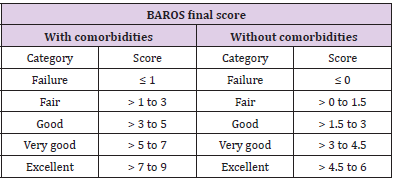
The addition of the two parts, after subtracting points corresponding to complications or reoperations, gives a final score which values the global result of the surgery. The highest score depends on the existence of presurgical comorbidities (Table 2). On the other hand, the researcher collects the age, gender, type of surgery and time since the BS (in months). The comorbidities we studied were DM2, HBP, dyslipidemia, OSA, arthropathy and cardiovascular illnesses. Information to assess the evolution of comorbidities is obtained from the interview with the patient, their medical records and the list of their active medications in the computer system. To define DM2 remission we followed ADA (American Diabetes Association) criteria [17].

Table 2: Global result after surgery according to BAROS scoring system.

Statistical Study

In the descriptive study, continuous variables are expressed with the mean and standard deviation (SD) and categorical variables as frequencies and percentages. To compare the independent means between two groups whose quantitative variables follow a normal distribution, we used the Student’s t-test. To compare independent means among more than two groups in quantitative variables which follow a normal distribution, we used the ANOVA test. Levene’s test was performed to assess the equality of variances and ScheffĂ©’s test to the post-hoc comparison. To evaluate the statistical correlation between two quantitative variables, Pearson correlation coefficient was employed. Chi’s squared was used to compare the qualitative variables between independent groups. Normality distribution of variables was assessed with the Saphiro-Wilk test. The relationship between QoL and the different independent variables was analysed with a logistic regression. Statistical significance was considered with a p-value < 0.05.

Results

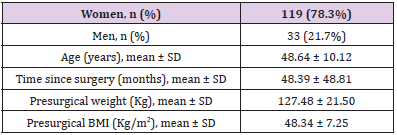
152 patients were recruited (Table 3). 78.3% (n= 119) women and 21.7% (n=33) men. Mean age was 48.64 ± 10.12 years. The mean time after surgery was 48.39 months. Mean BMI just before surgery was 48.34 ± 7.25 kg/m2. Prior to surgery 31.6% of patients suffered from DM2 (n=48); 40.8% from HBP (n=62); 35.5% from dyslipidemia (n= 54); 19.7% from OSA (n=30); 11,8% from arthropathy (n= 18) and 4.6% patients (n=7) had suffered a cardiovascular event. The types of surgical techniques performed were gastric bypass in 65.1% of patients (n=99), gastric sleeve in 31.6% (n=48) and gastric banding in 3.3% (n=5). 17.8% patients (n=27) presented with minor complications and 9.2% (n=14) with mayor ones. 17.8% (n=27) had to be reoperated.

Table 3: Demographic data of the cohort. SD = Standard deviation.

Surgical Outcomes

Weight Loss: BMI after surgery was 32.75 ± 6.16 kg/m2, being this reduction statistically significant. %EWL was 60.46 ± 18.8%. The difference in weight loss was not statistically significant among the surgical techniques performed.

QoL: QoL after surgery was reported as fair in 20.4% of patients (n=31), good in 23% (n=35) and very good in 54.6% (n=83). 2% (n=3) had poor or very poor QoL. There were no statistically significant differences between QoL and type of surgery performed. When exploring the relationship between QoL and %EWL it is remarkable that patients with very good QoL had a statistically significant higher %EWL (64.29%) than patients with fair (57.39%) and good QoL (54.14%).

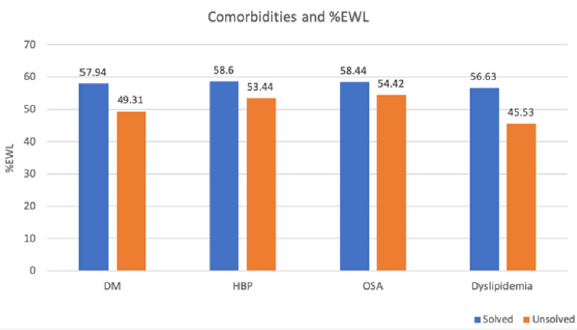
Resolution of Comorbidities: 60.5% of the patients in our study suffered from comorbidities prior to the BS. These were aggravated in 3.3% of them (n=5), in 10.5% (n=16) didn’t change and improved in 7.2% (n=11). They were solved in 39.4% patients: In 16.4% (n=25) one comorbidity was resolved and in 23% (n=35) all of them disappeared. 39.5% (n=60) didn’t have previous comorbidities. DM2 remitted in 75% of patients (n=36); HTA in 38.7% (n=24), dyslipidemia in 51.9% (n=28), OSA in 33.3% (n=3) and vasculopathy in 57.1% (n=4) of cases (Figure 1). Arthropathy wasn’t resolved in any patient. There are no statistically significant differences according to the surgical technique. %EWL was higher in those patients whose comorbidities disappeared. However, these differences were not statistically significant, except from the dyslipidemia (Figure 2). Patients without DM2, HBP or dyslipidemia before surgery achieve a higher %EWL than patients with these comorbidities, being this difference statistically significant (p<0.001). The relationship between resolution of the two most important comorbidities (DM2, HBP) and QoL didn’t achieve statistical significance.

Figure 1: Comorbidities comparison before and after BS.

Figure 2: Solved and unsolved comorbidities according to %EWL.

Global Evaluation: BAROS Questionnaire: 3.3% of patients (n=5) are classified as failure; 19.1% (n=29) as fair; 18.4% (n=28) as good evolution; 33.6% (n=51%) as very good and 25.7% (n=39) as excellent. BAROS questionnaire results according to the surgical technique are shown in Table 4. There were no statistically significant difference when comparing QoL results with the surgical technique, although the percentage of patients with excellent results is higher in those who underwent a BPG. Patients with a fair result according to the BAROS questionnaire had a statistically significant longer follow-up than those classified as very good or excellent result. The variables associated with the QoL were included in a multivariate logistic regression analysis but these results were not statistically significant.

Table 4: BAROS score and surgical techniques.

Discussion

Nowadays, BS is considered the only effective treatment for obesity in the long term. With conventional treatment, patients may lose around 5 to 10% of their initial weight; with BS, though, patients may achieve losses around 25 to 30%, which can be maintained up to 20 years, according to research by O’Brien [18]. In our study, we identified a mean weight loss, expressed as %EWL, of 60.46% and a post-surgical BMI of 32.65 kg/m2, which stayed stable since the surgery. According to success criteria in BS by SEEDO-SECO, these results can be considered as good [19]. We found similar results in numerous studies. O’Brien’s metanalysis described a %EWL of 71% in biliopancreatic derivation, 60% in GBP and 49% in gastric sleeve. In our research, results didn’t differ among the different types of surgery. Comorbidities resolution has been excellent given that in 23% of patients all of their comorbidities disappeared and in 16.4% one of them was solved, with an improvement in the rest. These results agree with prior ones. Queiroz follows up 120 patients who underwent GBP for two years, checking that out of 71 patients with one or more comorbidities, there is a complete remission in 86% of cases and a partial remission in 14% [20]. In accordance with most previously published research up to the moment, DM is the comorbidity that benefits the most of BS with a 75% resolution rate in our series. Ribeiro’s group quantified DM and dyslipidemia resolution in a 100% of the patients and HBP resolution in 77% of the cases [21]. Surgery has been proven safe with 9.2% of major complications and a 17.8% rate of reoperation. These results coincide with Queiroz work [20]. BS advantages go further beyond than just a simple weight loss, though, and that is the reason why we used BAROS questionnaire which focuses on the QoL of patients, a very often neglected aspect in published research. In our work we checked that most patients considered their postsurgical QoL as good or very good, similarly as what is found in literature. In Ribeiro’s work, QoL patients referred was better (8%) or much better (92.5%) after GBP [21]. Alcaraz-GarcĂ­a evaluates the impact of BS in QoL of obese patients after surgery. It finds a decrease in BMI, improvement or disappearance of comorbidities and improvement in QoL variables, which translates into a raise in self-esteem, physical activity, social life, work conditions and sexual activity [22]. We analysed the three more frequent techniques and found no statistically significant differences in QoL among them. BAROS results confirm previous results are far as efficacy and safety of BS are concerned. The longer the follow-up period is, the worse BAROS final score is, given that those patients with a fair score have a statistically significant longer follow-up time than those with very good and excellent score. One limitation in our study is lacking presurgical QoL data, which makes it impossible to quantify the improvement. At the same time, had the sample been larger, we might have found statistically significant differences among surgical techniques.

Conclusion
1. Results of bariatric surgery according to the BAROS system were good, very good or excellent in 81.73% of patients, after a mean follow-up of 4 years and without statistically significant differences among techniques. 2. %EWL was 60.46%, with an average post-surgical BMI of 32.65 kg/m2 which is considered as a good result. 3. In 46.6% of the patients, bariatric surgery has improved and/or resolved all pre-surgical comorbidities being diabetes the pathology that benefits the most. 4. In our experience, QoL of patients after bariatric surgery is good or very good in 77.6% of cases, without statistically significant differences between QoL and type of surgery performed. 5. QoL is influenced by loss weight so that patients with a very good QoL showed statistically significant higher WLP than patients with fair and good QoL.

For more Articles on : https://biomedres01.blogspot.com/
Wednesday, June 1, 2022

Freshwater Snails Infection Status and Predisposing Risk Factors to Schistosomiasis in Doma Local Government Area, Nasarawa State, Nigeria

Freshwater Snails Infection Status and Predisposing Risk Factors to Schistosomiasis in Doma Local Government Area, Nasarawa State, Nigeria

Introduction
Schistosomiasis is also referred to as snail fever or bilharziasis. It is a tropical parasitic disease caused by schistosome (blood fluke) [1-4]. The disease is known to be endemic in many countries especially in West Africa [5]. Reports by the World Health Organization (WHO) estimated 243 million people in 52 countries require treatment against the disease [6]. Nigeria has the heaviest burden of the disease in sub-Saharan Africa, with a total of 29 million cases [7]. The transmission of the disease is correlated with freshwater snail intermediate host and requires human contact with the parasite infective stage found in contaminated freshwater bodies. Therefore, communities that live close to snail infested water bodies are mostly at risk of schistosomiasis [8]. Several factors such as social, cultural, environmental and behavioural are known to have direct influence on the prevalence and intensity of schistosomiasis. The role played by various epidemiological factors in the transmission and intensity of the infection has been studied widely using different methods. Distance from the transmission site, migration and emergence of new foci, urbanization, socioeconomic status, sanitation, water supply patterns and disposal of human wastes (faeces and urine) are among the epidemiological factors [9]. Hence, this study investigated freshwater snails intermediary status and risk factors of schistosomiasis in Doma Local Government Area (LGA) of Nasarawa State, Nigeria.

Materials and Methods

Study Area

The study was carried out in Doma LGA in Nasarawa state, Nigeria. Doma has an area of 2,714 km2 and had a population of 139,607 in the 2006 census. Its geographical coordinate is 8.4009° N and 8.3581° E. Agriculture (farming and fishing), craftwork and civil service are the major occupations in Doma. It is located in the Guinea savannah region where they experience rainfall from May to October and cold dry season from the month of November.

Freshwater Snail Collection and Identification

Freshwater snail search and collection was done from the month of August to October, 2019. Samples were collected weekly from the water bodies according to the method described by Abe et al. [10]. A hand-held scoop net (18cm and 0.2mm mesh) was used for collecting/scooping and also hand-picking was also employed along the length of the waterbodies at various sites for 30 minutes. Each sampling site was visited in the morning for snail search and collection. Snails collected were put in specimen bottles containing water and then labelled before being transported to the Department of Zoology laboratory at the Federal University of Lafia. In the laboratory, the snails were washed with water to remove dirt and identified using standard keys by Brown and Christensen [11] and Danish Bilharziasis Laboratory (DBL) [12].

Screening for Cercaria Infection in Snails

Collected snails were put individually in petri dishes containing distilled water. They were then covered with net to prevent the snails from crawling out of the container. The petri dishes containing the snails were then exposed to light for 2 hours to induce shedding of cercaria if present [13]. Where no cercaria was shed, the snails were gently crushed in a container containing distilled water. The fleshy part of each snail was dissected and examined microscopically for unshed cercaria and rediae [14].

Questionnaire Administration

A well-structured questionnaire was administered to people seen around the water bodies, in order to collect data relating to their occupation, water contact activities, environmental sanitation, living conditions (like type of water supply, toilets, presence of domestic animals) and health conditions (blood in urine). The individuals involved were those who are resident around the studied water sources. The respondents were both males and females as well as both young and adults.

Data Analysis

Data obtained was analyzed using R Console software (Version 3.6.1). Pearson’s Chi-square test was used to compare snails abundance between the species encountered. Descriptive simple percentages was used for the information generated from administered questionnaires. The level of significance was set at P < 0.05.

Results

Composition and Abundance of Snails in Doma LGA, Nasarawa State

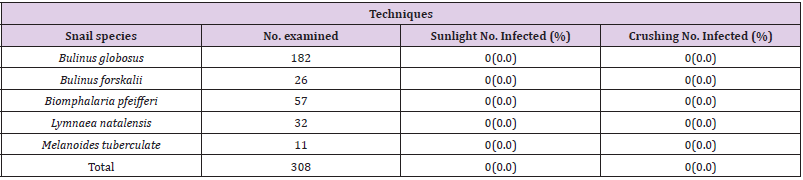
A total of 308 snails were collected from the 17 water bodies sampled which cut across five species: Bulinus globosus, Bulinus forskalii, Biomphalaria pfeifferi, Lymnea natalensis and Melanoides tuberculata as shown in Table 1. B. globosus was the most abundant 182 (59.1%) snail species encountered followed by Biomphalaria pfeifferi 57 (18.5%) then Lymnea natalensis 32 (10.4%) while the least was Melanoides tuberculata 11 (3.6%). Therefore, the abundance between snail species collected at Doma LGA showed a very high significant difference (χ2 = 312.03, df = 4, P < 0.0001).

Table 1: Composition and abundance of snails in Doma LGA, Nasarawa State, Nigeria between August and October 2019.

Prevalence of Parasites in Vector Snails

Of the 308 snails examined for parasites using the light and crushing techniques none was found to be infected with trematode cercaria (Table 2).

Table 2: Prevalence of parasites in vector snails in relation to two screening techniques.

Socio-demographic Status of Respondents in Relation to Schistosomiasisis Risk Factors

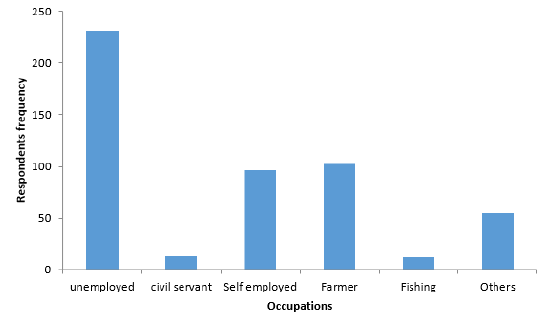
Out of the 510 questionnaires administered, 383 (75.1%) were males while females were 127 (24.9%). More adults 289 (56.7%) participated than children 221 (43.3%). Also, the respondents are resident in Doma LGA and familiar with the water bodies sampled. In overall, 225 (44.1%) of the participants had secondary education, followed by 149 (29.2%) who had primary education then the uneducated 84 (16.5%) while only 52 (10.2%) of the respondent had a tertiary education. Majority of the respondents were unemployed 231 (45.3%), self-employed (trade) were 96 (18.2%), 13 (2.6%) were civil servants (official), 103 (20.2%) were farmers, 12 (2.4) were into fishing while those into other forms of commercial activities (driving, construction) were 55 (10.8%) as shown in Figure 1.

Figure 1: Occupational status of respondent around water bodies in Doma LGA, Nasarawa State, Nigeria.

Schistosomiasisis Risk Factors

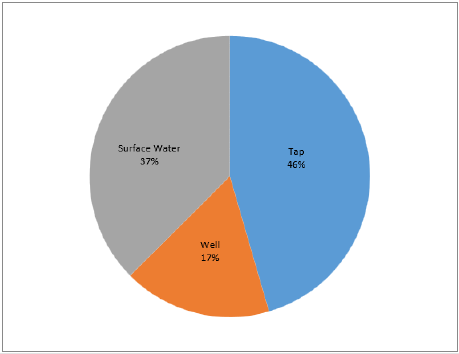
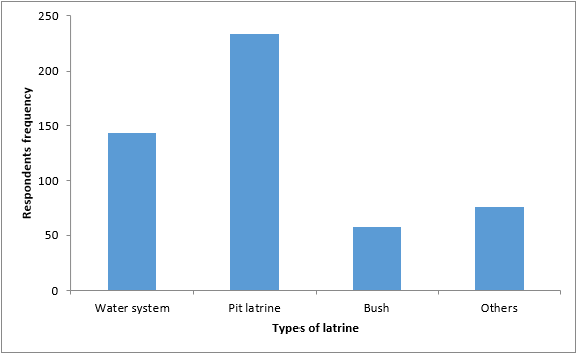
Information gotten from respondents on their knowledge of the disease showed that 211 (41.4%) of the participant had contact with contaminated water, 89 (17.5%) and 61 (12%) respondents wash in surface water and walk without shoe respectively, while 102 drinks unsafe water. A high number of the respondents 232 (45.5%) use pipe-borne water for domestic purposes in their homes whereas 87 (17.0%) of them utilized well water as the main source of water for domestic purposes while 191 (37.5%) accessed water from rivers, streams and pools (Figure 2). Figure 3 showed that pit latrine was the most widely used type of toilet in this study with 233 (45.7%) respondents. 143 (28%) of the respondents make use of modern flush toilet (water system) in their homes while 76 (14.9%) respondents utilize other forms of latrine (including the use of buckets, nylons) and 58 (11.4%) in nature (bush).

Figure 2: Proportion of respondents sources of water in the study area: a predisposing schistosomiasisis risk factor.

Figure 3: Types of latrine in the study area a predisposing schistosomiasis is risk factor.

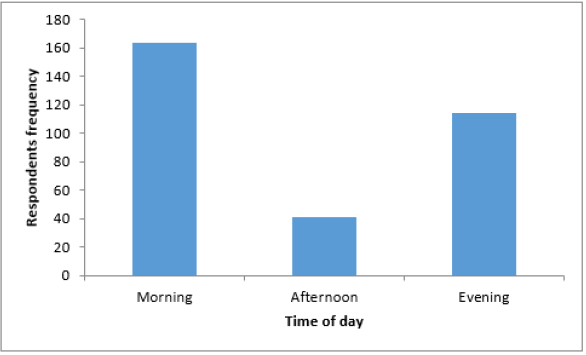
Also, 313 (61.4%) of the respondents had domestic animals present in their homes and 197 (38.6%) do not. While 326 (63.9%) of the respondents stay in close proximity to water bodies as compared to 184 (36.1%) who reside at a distance (>250 m) to waterbodies. One hundred and sixty-four (32.2%) respondents have contact with water mostly in the morning followed by those who have contact with water in the evening 114 (22.4%) while only a few 41 (8%) have water contact in the afternoon (Figure 4). The frequency of water contact also indicates that 138 (27.1%) respondent come in contact with water bodies daily, 210 (41.2%) had contact weekly, 118 (23.1%) had water contact monthly, while 44 (8.6%) only come in contact with water body at most once or twice in a year. The reasons for water contact varies among respondents, 189 (37.1%) come in contact with water bodies for the purpose of washing/laundry, 97 (19%) for the purpose of swimming/bathing, 17 (3.3%) go for fishing, 11 (2.2%) and 94 (18.4%) source the water for cooking and gardening/farm purposes, 7 (1.4%) for the purpose of waste disposal while 95 (18.6%) come in contact with the water bodies for other reasons.

Figure 4: Time of day when respondents have contact with water bodies around.

Blood in urine and bloody stool was experienced by 197 (38.6%) and 86 (16.9%) respondents respectively. Also, 227 (44.5%) have experienced abdominal pain. However, only 122 (23.9%) of the respondent have previously been treated for schistosomiasis, while an ample number of the respondents 388 (76.1%) have never been treated for the disease and are unaware of their status.

Discussion

The snail species reported in this study (Table 1) had earlier been reported in different parts of Nigeria. Omudu and Iyough [15] reported the presence of B. globosus, Lanistes libycus, L. natalensis and Nepa cinerea in Makurdi, Benue State. Similarly, Okafor and Ngang [16] found B. globosus, B. truncatus, B. senegalensis, B. forskalii, Bi. pfeifferi. Lanistes varicus and L. natalensis in their studies in Niger-cem, Nkalagu Eastern Nigeria. Abe et al. [10] studies in almost all Local Government Areas (LGAs) of Nasarawa State showed that snail species were present in all the selected LGAs covered. Interestingly, a species of snail, M. tuberculata found in Doma was not reported in the study by Abe et al. [10]. Alternatively, Indoplanorbis exutus reported by Abe et al. [10] was absent in Doma LGA. The result of this study is therefore additional information on snail species of medical importance in Nasarawa State which before now has not been documented.

The presence of five freshwater snails in these studies is a clear indication of that the water bodies are potential transmission sites of schistosomiasis and other snail-borne diseases based on observed anthropogenic activities such as fishing, swimming/quick bath by farmers, washing, fetching, watering points for animals and channeling of water for irrigation in the sites. Such activities often result in decrease in the availability of water and could lead to pollution/contamination which affects freshwater snails. This is in tandem with research findings from Okafor and Ngang [16] which gave an update on freshwater snails of medical and veterinary importance and Ugochukwu et al. [9] where they reported higher frequency of schistosomiasis in farmer and fishermen due to their water contact activities.

The absence of shedded cercaria from the snail could possibly be attributed to good sanitation and hygiene practices in the area, therefore, suggests that human prevalence status in the area should be carried out so as to really ascertain the prevalence rate within the human population. Also, the absence of cercaria infection in the snails implies that schistosomiasis may not be endemic in the study area. This is accordance with the finding of Abe et al. [10] who reported that from 105 sites surveyed, no developing stage of trematodes was observed in 977 snail intermediate host examined. Another study by Rabi [17]in three parts of Jakara dam in Kano State indicated that none of the snails collected was found to be shedding any schistosome cercaria but cyclops was found. Similar observations were also made by DiakitĂ© et al. [18] in Cote d’ivoire and Ejehu et al. [19] in Oguta Lake in Nigeria.

Responses from respondents to questions intended to determine the existence of social factors that predisposes the community to schistosomiasis supports the observation made earlier on lack of endemicity of the infection in the area due to the absence of infected snails. Although about 45.5% of the respondents have access to tap water, however, the contact with snail infested water bodies by about 37% of the respondents is quite alarming and concurs with Ugochukwu et al. [9] who documented that occupational risk in relation to schistosomiasis arises from water contact. The very low defecation rate (11.4%) in bushes and the proper practice of faecal disposal in the area either via the use of water system (28%) or pit latrine (45.7%) accounts for the absence of schistosomiasis in the area. This is line with Dawaki et al. [2] who reported that one of the factor known to aid endemicity of the disease is good refuse disposal system most especially feaces.

Conclusion
This study has added to already existing checklist of freshwater snails in Nasarawa State based on the finding of the snail, M. tuberculata in Doma LGA. None of the snails’ shedded cercaria. Hence, the communities should maintain the good level of hygiene and sanitation thus far recorded in order to perpetually remain free from schistosomiasis infection.

For more Articles on : https://biomedres01.blogspot.com/
Tuesday, May 31, 2022

RBD and ACE2 Embedded Chitosan Nanoparticles as a Prevention Approach for SARS-COV 2

RBD and ACE2 Embedded Chitosan Nanoparticles as a Prevention Approach for SARS-COV 2

Introduction
A new type of coronavirus-associated persistent pneumonia outbreak called SARS-CoV-2, which causes severe acute respiratory syndrome, was reported in Wuhan, China in Hubei Province in December 2019. In the following weeks, infections spread rapidly to China and other countries around the world [1]. Coronaviruses (CoVs) are known to cause enteric and respiratory diseases in animals and humans, which are positive stranded RNA viruses that are not segmented into large envelopes. Most human CoVs such as hCoV - 229E, OC43, NL63 and HKU1 cause mild respiratory diseases, but two previously unknown CoVs, severe acute respiratory syndrome CoV (SARS - CoV) and Middle East respiratory syndrome CoV (MERS - The worldwide spread of CoV) has drawn global attention to the deadly potential of human CoVs. Genomic analysis shows that SARS - CoV - 2 belongs to the same betacoronavirus family as MERS - CoV and SARS - CoV and shares a sequence that shows a high homology with SARS - CoV. A cellular receptor angiotensin-converting enzyme 2 (ACE2) is mainly mediated by the introduction of SARS - CoV into human host cells. It is expressed in the human respiratory epithelium, lung parenchyma, vascular endothelium, kidney cells and small intestine cells [2].

ACE2 Function as a Double-Edged Sword

ACE2 protein is a carboxypeptidase which has an important function in the conversion of Angiotensin-1 to Angiotensin-(1-9) and generally found in lungs. ACE2’s normal funtion is so important since the ratio of Angiotensin-1/Angiotensin-2 has major effect on sustainability of lung function [3]. Li et al. showed that ACE2 protein also has a role as a major attachment side of Coronaviruses [4]. These two important functions make ACE2 a double edged sword since its function is so crucial for protecting the lungs from lung failure [5]. However, ACE2 involvement in the infection mechanism of SARS-CoV viruses,makes ACE2 an important target of theurapatic approaches. So it becomes more necessary to focus on structural form of ACE2 and its components [6].

ACE2 Distribution along Different Tissues

ACE2 protein which is the main attachment side of SARSCoV has found in many different tissues. The mapping of ACE2 expression in different tissues can potentially identify the possible routes of infection for SARS‐CoV, and possible routes of spread and replication throughout the body. One of the most important of these locations is the lung alveolar epithelial cells which causes the main symptom and signs of COVID19 and it is the responsible from high number of deaths [7]. Numerous variety of studies showed that ACE2 mRNA is highly expressed in renal, cardiovascular, and gastrointestinal tissues [8–10]. Hamming and colleagues study is one of the most important studies which shows the distribution of ACE2 along different types of tissues. The most striking result in this study, addition the previous studies results, is the demonstration of ACE2 expression in the basal layer of the non‐keratinizing squamous epithelium of the nasal and oral mucosa and the nasopharynx [7].

SARS-CoV-2 Cell Entry Mechanism

A distinctive feature of coronaviruses is that they recognize a variety of receptors, including both protein receptors and sugar receptors. Coronaviruses enter cells first by recognizing a host cell surface receptor for viral binding and then creating an endosome. Receptors play an important role not only in viral binding but also in membrane fusion process [11]. In order for a viral infection to begin, a receptor expressed by host cells needs to bind to the virus ligand. ACE2 the host receptor identified by researchers working with SARS-CoV, is now claimed to be a receptor for COVID-19 [12]. One of the most important of these locations is the lung alveolar epithelial cells which causes the main symptom and signs of COVID19 and it is the responsible from high number of deaths [7] . Importantly, the sequence of the COVID-19 spike(S) protein receptor binding domain is similar to that of SARS-CoV, which caused a pandemic in 2003. Mutagenic analyses revealed the domains of SARS and ACE2 receptor which provides efficient interaction between these two. One of these studies is conducted by Xiao et al.and results showed that an independently folded region called Receptor Binding Domain(RBD) which is in between the aminoacids of 318-510 on SARS-Spike(SARS-S) protein, binds to ACE2 receptor with higher affinity than the other remaining parts of SARS-S protein [13]. S protein is the trimeric protein found in metastable inhibition conformation for fusion of viral membrane and host cell membrane. Each of the S1 subunits contains a receptor binding domain (RBD) that mediates receptor recognition. When the RBD is attached to the host cell, the balance of the trimeric structure is disturbed, which causes the S1 subunit to shed and the S2 subunit to change its conformation to take the form of postfusion [14]. The SARS-CoV-2 S1 / S2 region is believed to be cleaved by the cathepsin L, similar to the SARS-CoV [15]. Cell studies carried out by the researchers were predicted that after the spike protein that binds to ACE-2 and then, the virus is introduced into the host cell via cathepsinB /L and TMPRSS2 proteases [16]. Although the newly introduced SARS-CoV-2 entry mechanisms and endocytic pathway are not fully known, it is known to use the ACE2 receptor, which is the same as SARS-CoV for viral entry. The sensitivity of SARS-CoV-2 to the inhibitory effect of chloroquine (CQ) suggests that this new CoV will use the same endocytic pathway for entry into host cells. SARS-CoV, seen as a possible endocytic pathway, enters the cell through autophagy. Autophagy is controlled by a group of proteins encoded by autophagy-related genes (ATG) in several successive stages [17].

SARS-CoV-2 Structure

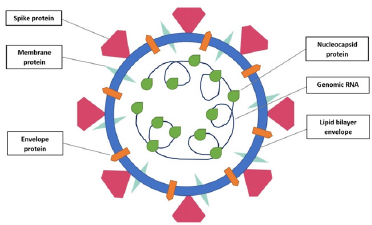
A coronavirus have four structural proteins, including spike (S), envelope (E), membrane (M), and nucleocapsid (N) protein (Picture 1). S protein displays the most important roles, including viral attachment, fusion and entry [18]. The S protein provides viral particules entry into host cells. Firstly, it engages to a host receptor through the receptor-binding domain (RBD) in the S1 subunit. Subsequently, it fuses the viral and host membranes through the S2 subunit [19]. Therefore, it is critical to define the RBD in SARSCoV-2 S protein for the development of virus attachment inhibitors, neutralizing antibodies, and vaccines [20]. There are more than one study on this subject in the literature. In a study belongs to Lan, J et al, they expressed the SARS-CoV-2 RBD (residues Arg319-Phe541) and the N-terminal peptidase domain of ACE2 (residues Ser19- Asp615) in Hi5 insect cells and established the final model contains residues Thr333 to Gly526 of the SARS-CoV-2 RBD and residues Ser19 to Asp615 of the ACE2 N-terminal peptidase domain [21]. Furthermore, Tai et al. identified the region of SARS-CoV-2 RBD at residues 331 to 524 of S protein. Then, they made recombinant RBD protein using pFUSE-hIgG1-Fc2 expression vector, expressed the protein in mammalian cell 293T. They have demonstrated SARSCoV- 2 RBD bound to sACE2 in a dose dependent manner. Moreover, they have also established , binding between SARS-CoV-2 RBD and sACE2 with 50% effective dose (EC50) was stronger than that between SARS-CoV RBD and sACE2. As a result of study, Tai et al., have suggested that SARS-CoV-2 RBD protein could be developed as an effective therapeutic agent against SARS-CoV-2 infection [20]. Ultimately, based on these studies, in our hypothesis, we decided to use RBD residues to bind to the ACE2 receptors on the host cells (Figure 1).

Chıtosan Nanoparticles

Chitosan is a biocompatible, biodegradable polymer that is considered safe for use in the human diet and approved for dressing applications [22-24]. Chitosan polymer has been used as a transporter in polymeric nanoparticles for drug delivery by different routes of administration [25]. The Chitosan polymer has chemical functional groups that can be modified to achieve certain goals and make it a polymer with a wide range of potential applications in human health and various fields. The chitosan nanoparticles and chitosan derivatives nanoparticles have a positive surface charge and mucoadhesion properties that can stick to mucous membranes and release the drug load in continuous release [26]. Chitosanbased nanoparticles has several applications in non-parenteral drug delivery for cancer, lung diseases, gastrointestinal diseases, administration of the brain and treatment of ocular infections [27]. The Chitosan nanoparticles show low toxicity in both in vitro and some in vivo models.

a. Modified Chitosan Nanoparticles with Antibody

Drug delivery vehicles such as polymeric nanoparticles modified with specific ligands such as antibodies have been widely used for targeted therapy. When designing nanoparticle-antibody conjugates for drug delivery or medical applications, several properties of the structure of the nanoparticles are important. The NPs must be chemically and biologically inert, can be stable in physiological conditions, must move freely in the body, contain a surface that is easily conjugated to the targeting antibody [28]. Here, we design a new type of chitosan nanoparticles for treating the coronavirus disease, for this goal we’ll binded the ACE2 receptor and RBD protein to the surface of chitosan nanoparticles by chemical method.

The Fast and Effective Method: The Usage of Inhaler Spray

Inhaled treatments give easy, stable and effective results in various lung diseases (eg: cystic fibrosis, asthma) [29]. Low doses and low side effects are among the advantages of this form. The most important advantage of inhalation over parenteral doses is that it does not require sterilization and is easy to apply. The drugs reach the bronchial muscles at a higher concentration than other systemic applications by inhalation and their effects are at maximum level. Since the local metabolism of inhaled drugs is slow, its effects last longer (Bizim makale). Another reason that we prefer treatment method through inhalation is the presence of ACE-2 receptors in the nasopharyngeal region [7]. As a result of the literature review, we decided that inhaled therapies for lung and respiratory diseases are more effective at the local level and thus we planned our study accordingly.

Hypothesis: RBD and ACE2 Embedded Chitosan Nanoparticles Prevent to Attach SARS CoV2 to Host Cells

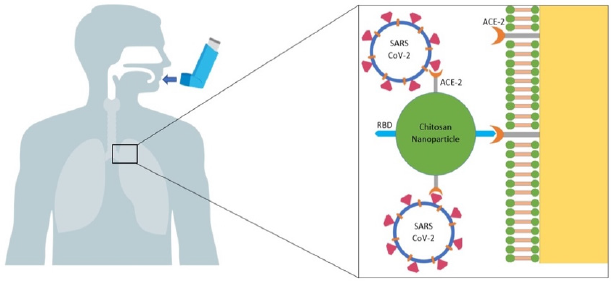
As plasma therapy and other medical treatments are insufficient and vaccination studies take a long time, we planned to develop an prevention therapy so that people can return to their daily life activities. In the literature searches, we established that ACE 2 was located in both the respiratory tract and nasopharyngeal epithelium. Considering the normal physiological function of Ace 2, it is not a matter of discussion of complete inhibition of the receptors in this field. Therefore, we thought it could be enough to provide inhibition during the time people spend outside. In our study to provide an adjustable inhibition, we anticipated the use of chitosan nanoparticles that can be compatible with the body. We assumed that the virus RBD residues should be added to these nanoparticles. Thus, inhibition of host cells ACE2 will prevent the attachment of viruses. We also planned to add ACE2 antibody on nanoparticles. In this way, the nanoparticles will be attached to host cells with the RBD tip, and to viral particles with the ACE2 tip (Figure 2). Extensive studies on biocompatibility of chitosan nanoparticles in literature screening make it possible to test this experiment in a short time on humans. Moreover, it is easy to add antibodies to chitosan therefore we chose these nanoparticles. We anticipated the use of inhaler spray as a more specific and effective method for respiratory and nasopharyngeal receptors (Figure 2).

Figure 1: The Structure of SARS-CoV 2.

Figure 2: Attachment of modified chitosan nanoparticles to the host cell ACE 2 receptor and attachment of viruses to ACE 2 on the nanoparticle.

For more Articles on : https://biomedres01.blogspot.com/
The Effect of Interface Design and Perceived Risk of Customers’ Satisfaction and Loyalty on Online Booking Application

  The Effect of Interface Design and Perceived Risk of Customers’ Satisfaction and Loyalty on Online Booking Application Introduction The ra...