Showing posts with label Behavioral Medicine Journals Open access clinical and medical journal journal of biomedical sciences research review Biomedical Open Access Journals Journals on Biomedical Engineering. Show all posts

Wednesday, August 2, 2023

Tumors Originating from Fat Tissue in the Head and Neck Area: A Review of 40 Cases


Tumors Originating from Fat Tissue in the Head and Neck Area: A Review of 40 Cases

Introduction

Lipomas, including spindle cell lipomas, pleomorphic lipomas, angiolipomas, lipoblastomas, and so on are benign tumors originating from fat tissue. Lipomas are the most frequently occurring benign tumors, and most lipomas arise subcutaneously. Liposarcoma is a malignant tumor consisting of a lipoblast. But, the degree of differentiation among all of these tumors are various, and the growth speed, metastasis, and prognosis of these tumors differ substantially by histological type. I therefore undertook this study to clarify the features of lipomas that had been operated on in Kitasato University Hospital (KUH) and diagnosed by reviewing a series of cases.

Materials and Methods

A. Ethical Consideration: patients included in this study were not subject to any harm. I ensured all patients had their privacy protected by ensuring anonymity of the data collected.

B. Study Design: A retrospective study of all patients who underwent tumor removal.

C. Setting: All patients having undergone tumor removal at Department of Otolaryngology-Head and Neck Surgery, KUH between January 2000 and December 2021. Patients were identified through pathology department records.

D. Participants: In each case, I recorded age, sex, pathological results, chief complaints, growth style, size, time until the first visit, primary lesion, treatment, complications and prognosis.

Results

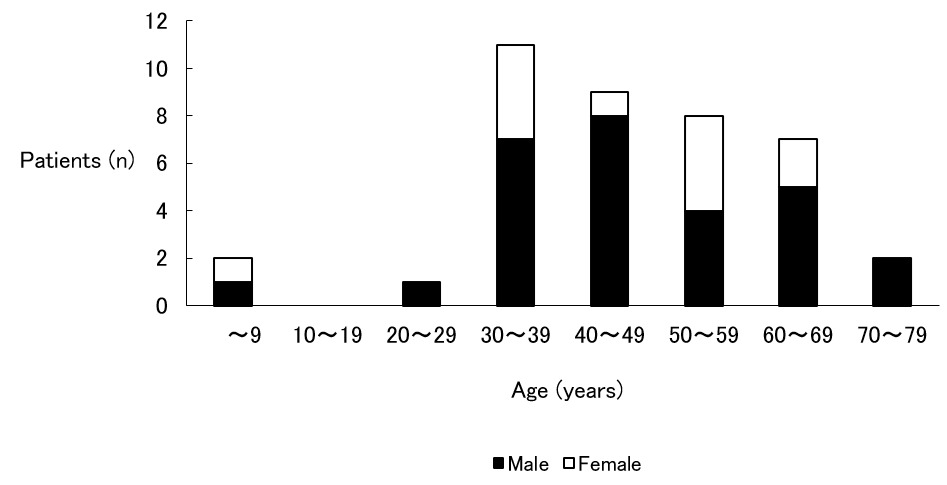
Age and Sex (Figure 1)
biomedres-openaccess-journal-bjstr

Figure 1: Age and Sex.

Note: Ages ranged from 2 to 80 years, and it was most common in the third decade of life. Sex difference was that male predominated.

Ages ranged from 2 to 80 years, with an average age of 47.1 years. Tumor removal was most common in the third decade of life. Sex difference: male (28 cases) and female (12 cases), so male predominated.

Pathological Results

Lipomas were benign in 38 cases (95 %) and malignant in 2 cases (5 %). One liposarcoma was a recurrent case; the other was a fresh case.

Chief Complaints

Swelling of the primary lesion without pain was observed in 37 cases (92.5 %). Swelling of the primary lesion with pain was observed in 1 case (2.5 %); this was a fresh case of liposarcoma. The remaining 2 cases (5 %) were asymptomatic and were accidentally found by image examination or by examination in another department.

Growth Style

Growth style was either unchanged (16 cases; 40 %) or slow (24 cases; 60 %). Two cases of liposarcoma were slow.

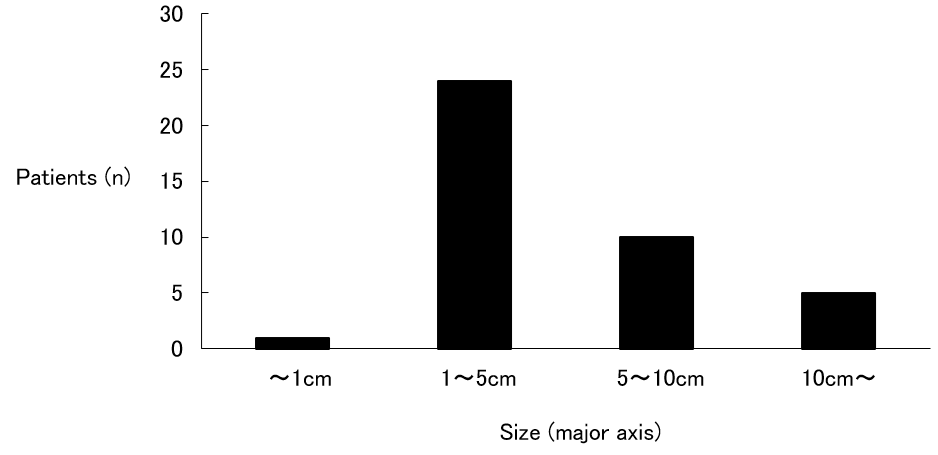
Size (Figure 2)

Lipoma size classes (along its major axis) were counted, and the following results were obtained: smaller than 1 cm (1 case; 2.5 %); 1 to 5 cm (24 cases; 60.0 %), the most common and accounting for more than half of all cases; 5 to 10 cm (10 cases; 25.0 %); and larger than 10 cm (5 cases; 12.5 %). The size of the recurrent case of liposarcoma was 6 cm, and the size of the fresh case was 11 cm.

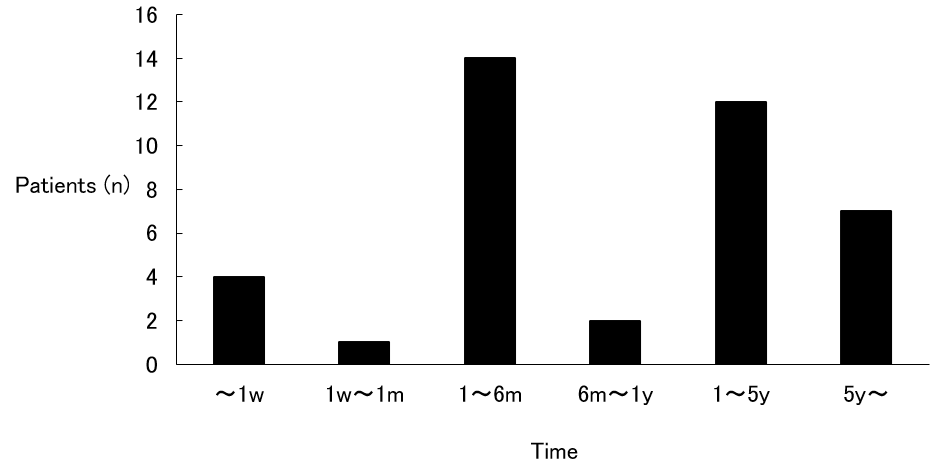
Time Until the First Visit (Figure 3)

A count of the times until the first visit to KUH was made, and the following results were obtained: within 1 week (4 cases; 10.0 %); 1 week to 1 month (1 case; 2.5 %); 1 month to 6 months (14 cases; 35.0 %), the most common; 6 months to 1 year (2 cases; 5.0 %); 1 year to 5 years (12 cases; 30.0 %); and over 5 years (7 cases; 17.5 %). There were 19 cases (47.5 %) that had been left for more than 1 year. In the recurrent case of liposarcoma, 6 days elapsed, and in the fresh case, 2 months elapsed.

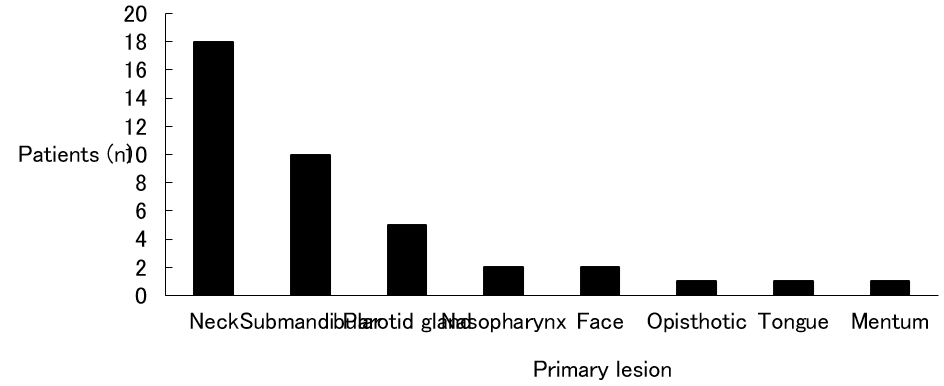
Primary lesion (Figure 4)

The neck was the most common with 18 cases (45 %) and was followed by the submandibular (10 cases; 25 %), the parotid gland (5 cases; 12.5 %), the nasopharynx (2 cases; 5 %), the face (2 cases; 5 %), the opisthotic (1 case; 2.5 %), the tongue (1 case; 2.5 %), and the mentum (1 case; 2.5 %). Laterality was right side in 27 cases (67.5 %) and left side in 10 cases (25 %), so the right side predominated. The remaining 3 cases (7.5 %) occurred at the nasopharynx and the mentum and were middle. Both cases of liposarcoma occurred at the right neck.
biomedres-openaccess-journal-bjstr

Figure 2: Size.

Note: 1 to 5 cm was the most common and accounting for more than half of all cases.
biomedres-openaccess-journal-bjstr

Figure 3: Time until the first visit

Note: Although 1 month to 6 months was the most common, there were 19 cases that had been left for more than 1 year. w: week, m: month(s), y: year(s)
biomedres-openaccess-journal-bjstr

Figure 4: Primary lesion.

Note: The neck was the most common with 18 cases.

Treatment

All 38 lipomas required only surgery. One of 2 liposarcomas was a recurrent case after surgery at another hospital. Dyspnea had occurred 1 week before the scheduled surgery date at KUH, and an emergency tracheostomy was performed. Surgery was still performed according to schedule 1 week later. In the fresh case of liposarcoma, because internal carotid artery was coarctated by the tumor, it was determined that surgery would be impossible. After a radiotherapy dose of 60 gray, insertion of superficial temporal artery catheter, and administration of 252.5 mg CDDP from the catheter, the tumor reduced. Therefore, surgery would be possible and was performed.

Complications

In cases of lipoma, 3 cases developed complications after surgery. One hemorrhaged after surgery and required a tracheostomy; another resulted in transient palsy of the marginal branch of the facial nerve; and the last resulted in transient palsy of the marginal branch of the facial nerve, fistulation, and an abscess at the wound.

In fresh case of liposarcoma, the recurrent laryngeal nerve (RLN) was involved in the tumor. Therefore, the RLN had to be cut and an RLN palsy occurred.

Prognosis

In the cases of lipoma, although postoperative results were varied and changing, there were no recurrences. In the cases of liposarcoma, the recurrent case died by another disease, and the fresh case is unknown because a change of address occurred. But, there were no recurrences or metastases during the follow-up period.

Discussion

Lipoma is a benign tumor that is composed of mature fat cells that grow relatively slowly. Pathologically, it is composed of crescentshaped and unevenly distributed nuclei, and round or oval cells that have monosegmental vacuolar cell bodies. It forms various sized lobules and is separated by narrow connective tissue. Lipoma is a soft globular or lobulated tumor by palpation, and there is almost no pain. Therefore, if there are no cosmetic problems or difficulties in daily life, patients tend to live for a long time. In this study, there were 19 cases (48.7 %) that lived for more than 1 year. Although treatment requires total removal, in some cases that lipoma grows not only subcutaneously but also inside requires partial removal [1]. The growth styles of all cases were unchanged and slow, and there were no complaints of pain in this study. Further, all patients could be totally removed, and there were no recurrences.

Although liposarcoma is one of the frequently encountered soft tissue tumors, liposarcoma in the head and neck area is rare (5.67 %) [2]. Pathologically, liposarcoma is composed of lipoblasts, and there are various differentiated types ranging from well to poor. Growth speed, metastasis, and the survival rate after 5 years varies markedly by differentiated type. Round cell types and pleomorphic types cause metastasis in the early stages, and prognosis is much worse. Differentiated type and mucous type have a low rate of metastasis, and prognosis is much better. Because the latter is greater than the former, liposarcoma is considered to be a tumor with a relatively better prognosis [3]. There were atypical nuclei abounding in chromatin and both large and small vacuolar and lipoblast cells here and there in the recurrent case. As to treatment, there is general removal and preoperative or postoperative chemotherapy and radiotherapy. Postoperative radiotherapy was not added in the recurrent case because the patient was in advanced age. Preoperative radiotherapy and chemotherapy were both performed in the fresh case. The recurrent case was pleomorphic type, and the fresh case was mucous type. Both cases did not cause recurrence and metastasis during the postoperative follow-up period.

Although differential diagnosis between benign and malignant tumors is based on biopsy, it is said that 10 to 15 % of malignant tumors have local pain or heat, clinically. Although the details of recurrent case were unknown, the fresh case did complain of pain. Further, although 2 liposarcoma cases did not perform computed tomography (CT) or magnetic resonance imaging (MRI) because they occurred in the early 1970’s, Ito, et al. [4] reported that both CT and MRI show lipoma as an almost isolated signal in subcutaneous fat. The margins are clear, and except for well-differentiated types, liposarcomas differ from fat and contain the part of CT is high density, T1 of MRI is low intensity and T2 of MRI is high intensity. Therefore, differential diagnosis between liposarcoma and lipoma is possible, but differential diagnosis between well-differentiated types of liposarcoma and lipoma is difficult.

Conclusion

Clinical files were reviewed for 40 patients who had been operated on and diagnosed as lipoma in the head and neck area. Ages ranged from 2 to 80 years, and the majority of patients were male. Lipomas were benign in 38 cases and malignant in 2 cases. Complications after surgery were seen in 3 cases. Although treatment requires total removal, in some cases require preoperative or postoperative chemotherapy and radiotherapy.

For more Articles on: https://biomedres01.blogspot.com/

Tuesday, April 18, 2023

Cardioprotection with Inhaled Anesthetics


Cardioprotection with Inhaled Anesthetics

Introduction

Cardiovascular diseases are a group of disorders of the heart and blood vessels. According to PAHO, each year more people die from cardiovascular diseases than from any other cause. By 2020, deaths from these diseases will increase by 15 to 20%, and in 2030, approximately 23.6 million people will die from them, which makes it persist as the leading cause of death worldwide. These disorders consist of acute episodes that affect vascular perfusion through obstructions that alter the normal flow of blood to organs such as the heart and brain; caused by multiple risk factors that induce the formation of atheromatous plaques on the walls of blood vessels. Among the factors involved are smoking, obesity, sedentary lifestyle, diabetes and hyperlipidemia. [1] Volatile anesthetics are gases that induce general anesthesia, with rapid onset and recovery. In addition, its effect is less in the peripheral organs. In 1986, Reimer studied the decrease in ATP at the origin of myocardial damage in dogs, exposing them to a short period of ischemia, which showed that the more exposure there was, the less aggravation of the infarct zone. Then Murry continued the studies based on the fact that myocardial cells adapt as they present a repetitive noxious stimulus, by reducing energy consumption. Murry determined the adaptation mechanisms that participate in this, such as the reduction in the consumption of ATP and the limitation of the accumulation of catabolites during ischemia, which is summarized as a protection against ischemic damage. From all this arose pre and post ischemic conditioning, which resemble the behavior of halogenated gases and their cardioprotective effect, acting on channels sensitive to ATP. Many studies have commented on the effect of these agents on the myocardium, showing the beneficial action of the pharmacological mechanism when used before and after ischemia in patients with ischemic heart disease [2,3].

Materials and Methods

A narrative review was carried out, in which databases such as Scielo, PubMed, Sciencedirect, academic google were used. A search was carried out for articles in journals indexed in English and Spanish languages from 2012 to 2021. The keywords used were according to the MeSH terms. They were used: cardioprotection, anesthetics, halogenated, myocardial ischemia, adenosine. In this review, 21 original and review publications related to the subject under study were identified, of which 14 met the inclusion criteria used. Among the inclusion criteria are that they were full-text articles, that at the time of the search they allowed the reading of the abstract, that they were related to the subject studied and that they were within the established years. Exclusion criteria: That their publication date was less than 2012 and that they allowed the full text to be read.

Results

Ischemic Preconditioning

Ischemic preconditioning was studied in 1986 by Murry, et al. Ischemia occurs when there is a decrease or interruption in the supply of oxygen to a tissue, which can generate tissue necrosis, when compensatory mechanisms such as the use of energy reserves are exhausted, finally leading to irreversible damage and later to death. However, in preconditioning, tissue involvement is transitory, there is an injury to the tissue in order to prepare it or protect it from further damage, since it helps the cardiac cells to contract with less effort and less energy consumption. Thus, a short period of ischemia is preferable to a prolonged one, for which volatile anesthetics confer cardioprotection even though the mechanisms involved in it are not yet clear. In other words, in preconditioning there is an exposure to a harmful stimulus which will generate an increase in cellular resistance to subsequent exposure. This occurs in two phases: the initial phase, which is immediate, confers a short protection of 1 to 2 hours, and a late phase lasting approximately 24 hours. In the late phase, cellular memory is formed, it is believed that it is thanks to the activation of proteins that have a cytoprotective effect. In ischemic postconditioning, short ischemic episodes would be applied in the initial phase of reperfusion, thus reducing the extent of cellular lesions that generally occur in that period [2,4].

Reperfusion Injury

The purpose of reperfusion is to reduce ischemia; however, this can trigger a series of myocardial injuries, predisposing to a high risk of suffering myocardial infarction within the first 24 hours after surgery. These changes consist of arrhythmias, accelerated necrosis, and lethal damage, as reported in animal studies. All this due to mechanisms of endothelial dysfunction, accumulation of ions and free radicals, which generate a pro-inflammatory response. Volatile anesthetics confer cardioprotective effects against Ischemia-Reperfusion injury, when administered shortly before ischemia; This effect arises from 12 hours after the administration of these drugs and can last up to 72 hours. Preconditioning exerts delayed cardioprotective effects against myocardial injury in rats by activating AMPK (AMP-activated protein kinase) and restoring altered autophagic flow [5,6].

Cardiac Ischemia

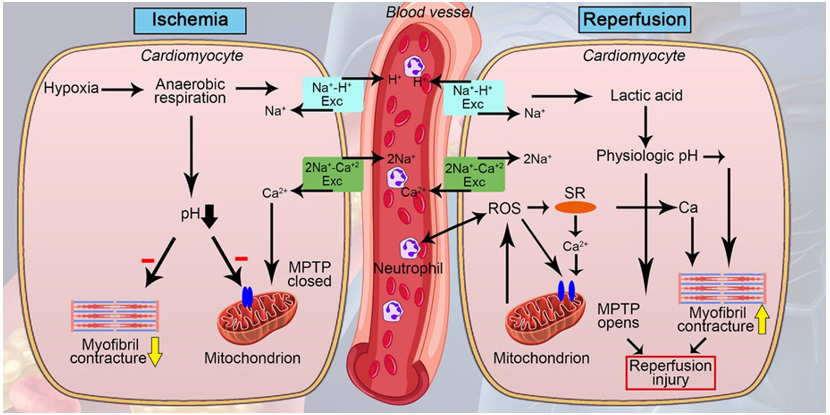
When cardiac ischemia occurs, myocytes suffer from a lack of energy, which creates an anaerobic state with a subsequent increase in lactic acid and a decrease in pH. The reserved adenosine triphosphate is consumed, and reactive oxygen species begin to be produced, since the mitochondria that normally produce ATP within cardiac cells, during ischemia have a high oxygen requirement. In addition, this loss of ATP generates ionic disorders since the Na / k pump is affected, which culminates in a decrease in intracellular sodium and an increase in calcium, deteriorating the cell membrane and causing apoptosis. Regarding reperfusion, it also causes calcium overload, inadequate ATP synthesis, low nitric oxide production, and oxidative stress. In this reperfusion process, the increase in ATP is harmful, since it generates hypercontracture of the cardiomyocytes, breaking the membrane and necrotizing the bands [7].

Anesthetic Preconditioning

When volatile anesthetics are administered before or after periods of ischemia, they exert protective effects on cells through various mechanisms. These mechanisms include modulation of G protein-coupled receptors, intracellular signaling pathways, gene expression, potassium channels, and mitochondrial function. In the preconditioning mechanism, mediators are activated that confer cardioprotection during the period of ischemia and reperfusion; volatile anesthetics are lipophilic and can diffuse into cell membranes, acting as preconditioning inducing agents, leading to the activation of protein C kinase, the opening of potassium channels, and differential genetic regulation. Currently it is believed that halogenates act directly, since they not only decrease contractility and oxygen consumption, but also occur by the activation of intracellular pathways that prevent myocardial necrosis. [3,7] Halogenated anesthetics protect against ischemiareperfusion injuries, they provide protection against vascular injury by preventing the contribution of the endothelium in proinflammatory and thrombogenic events. These agents inhibit the expression of molecules that participate in the activation of adhesion and transmigration of leukocytes, and improve vascular reactivity, preserving the vasodilation capacity by activation of K-ATP channels, reduction of intracellular calcium in smooth muscle vascular and nitric oxide release [6,8].

Ischemic preconditioning can decrease infarct size, lethal arrhythmia, and contractile dysfunction; similarly, the administration of anesthetics protects the myocardium from the effects of myocardial infarction and myocardial dysfunction. The dependent potassium adenosine triphosphate (ATP) channels play an important role; these channels in the myocardium are closed since ATP concentrations are elevated; When ischemia occurs and a state of hypoxia occurs, these channels open allowing the exit of potassium and loss of ATP, which generates the opening of the potassium channels of the mitochondrial membrane as a compensatory phenomenon, with the subsequent hyperpolarization of the cell membrane and decreased calcium influx and contractility. Halogenated agents induce a signal mediated by G proteins, which activate protein kinase C or PKC. PKC is also activated by phospholipids, reactive oxygen species and nitric oxide, it generates a signal that is transmitted to the effectors, in the channels of the mitochondria and the sarcoplasm. This will cause vasodilation in the smooth muscle of the coronary vessels, which will improve oxygen supply, and to a certain extent protects during ischemia when ATP production is reduced. It is believed that the mechanisms that participate in the cardioprotection processes are mainly those related to the preservation of mitochondrial function. By producing the reduction in intracellular calcium overload, it improves the preservation of energy reserves and prevention of the activation of promoting effects of apoptosis and cell necrosis [9-12] (Figure 1).

biomedres-openaccess-journal-bjstr

Figure 1: A review of myocardial ischaemia/reperfusion injury: Pathophysiology, experimental models, biomarkers, genetics and pharmacological treatment.2020.

Adenosine and Anesthetic Cardioprotection

Adenosine signaling participates in isoflurane-mediated cardioprotection, acting through four receptors designated as A1, A2a, A2b, and A3. Adenosine is the product of the conversion of AMP; in a study by Diamela et al. where it was evaluated whether remote ischemic preconditioning (rIPC) activates adenosine A1 receptors and reduces the size of the myocardial infarction, rat hearts were isolated exposing them to 30 minutes of ischemia and 60 minutes of reperfusion, while in another group of rats , a rIPC protocol was carried out, which showed that it reduces the size of the myocardial infarction by activating the A1 adenosine receptor at the beginning of myocardial reperfusion. This protective effect would also be mediated by the activation of the nitric oxide synthase enzyme during reperfusion [11,13,14].

Conclusion

Inhaled anesthetics protect against ischemia-reperfusion injuries. This is a phenomenon that occurs when cellular damage occurs secondary to the restoration of blood flow. Anesthetic preconditioning is the mechanism by which these drugs protect the myocardium from the effects induced by hypoxia and subsequent myocardial dysfunction; producing a cellular adaptation that avoids further injury to the tissue. The decrease in contractility and energy consumption by the cardiomyocyte allows the fibers to contract with less effort and generates a reversible involvement that prevents tissue necrosis and an increase in the affected area.


For more Articles on: https://biomedres01.blogspot.com/

Friday, March 17, 2023

Tuberculosis in South Asia


Tuberculosis in South Asia

Introduction

Tuberculosis (TB) is a potentially serious infectious disease that mainly affects the lungs though it can spread to other parts of the body one’s brain or spine. The bacteria are spread when an infected person coughs or sneezes. It can also spread through saliva (by kissing or sharing drinks etc.). A type of bacteria called Mycobacterium tuberculosis is the cause of the disease. Tuberculosis (TB) remains formidable threat to global health despite concerted efforts during past decades by the global health community. From 1990 to 2015 the death rate has decreased by 47 percent [1]. Among 22 countries which had high TB burden, 16 countries have achieved millennium development goals for TB. A target has been set by the Global Health Community for the post 2015, ENO-TB strategy of reduction of 25 percent in occurrence and a reduction of 75 percent in mortality between 2015 and 2025 and a mortality reduction of 95 percent and 90 percent reduction in occurrence by the year 2035 [1]. As per the news item published in the daily, “The Times of India” dated 16th February 2020, The Health Minister of India, Dr. Harsh Vardhan informed that the country has even more ambitious target of eliminating the disease from the country by the year, 2025 and said that the mission Indradhanush is already operational for the purpose.
Although the elimination of a disease like TB is a very complex problem but by the time our understanding and knowledge about infectious diseases, global connections, resources and range of intercession have also increased. In order to increase the rate of TB elimination we must increase the research to maximum level in high burden countries like India, Pakistan, Nepal, Bangladesh, Afghanistan, Maldives, Bhutan and Sri Lanka. The WHO South-East Asia (SEA) is habitat for 26% of the world’s population with 44% heavy load of TB. An estimated 4.4 million community got sick with TB and estimated 6,38,000 passed away due to the disease which is over half of the global TB deaths [2]. The coming into view of rifampicin resistant or multidrug resistant tuberculosis (MDR) is one of the most important challenges to the control of tuberculosis pandemic. The main reason for drug resistant tuberculosis is either the transmission of already resistant strain of Mycobacterium tuberculosis or the suboptimal cure of susceptible strains. It is no surprise therefore that having such a high burden of TB disease, this region has an estimated number of 184336 MDR cases among the total recorded TB cases which brings it on third position in the list of Global MDR burden region [2]. Most of the MDR cases in this field remain untouched due to considerable gap between the agreement and useful putting into effect [3]. As such, there is an imperative need to improve and strengthen research capacity in these high burden countries.

Treatment

In our fight against drug resistant TB, a great achievement is the recent licensing of bedaquiline and delamanid [4-5]. Effective treatment depends upon accurate diagnosis. In the region, the Gene X port scale up has significantly increased detection of MDR TB [6]. Until there is an improvement in molecular drug susceptibility testing for drugs other than rifampicin, phenotype drug susceptibility testing will remain essential to treat MDR TB cases properly. Although the population is very large (1.8 billion), the ratio of DST laboratories to population remains as low as 0.2 labs per 5M population. It is estimated that the cost of treatment of a single MDR patient is about 500 times the cost of a drug susceptible patient. Therefore investment in strong MDR TB control is very cost effective if it successfully checks MDR transmission. Apart from this, the new shorter MDR TB treatment regimen from Bangladesh is now adopted and recommended by WHO and it should also be implemented region wide.

Infection Control and their Prevention

The huge number of latently infected individuals throughout the world presents an extensive challenge to eradication efforts. Various models created for control strategies suggested that TB suppression is not possible without get to grips with latent TB. A rough estimate was that about 1/3rd of the world population was suffering from latent TB. But according to a recent study the risk of infection per year estimates around one fourth of the total world population which counts near 1.7B [7]. In the last decade, Isoniazid preventive therapy (IPT) in endemic countries has received serious consideration. Shorter regimens must be developed for its large scale feasibility also the regimens appropriate in the area of high isoniazid resistance. The 12 doses given 3 months rifapentine isoniazid regimine is a step in the right direction but more must be done to value carefully worked designs for IPT scaleup beyond those currently being undertaken in people living with HIV. South Asia is also vulnerable to natural disasters and political un stability. Contingency measures are to be kept in place for prevention of decease spread in case a disaster visits. The 2015 earthquake in Nepal and lack of proper delivery system of healthcare measures is a grim reminder in this regard.

Research Priorities

The discovery of an effective vaccine to treat TB seems an unachievable goal in the near future. While efforts must be kept on for finding a vaccine, we should find a way to eradicate TB without using any vaccine. In large urban cities and remote rural areas of south Asian region research priorities must aim at packaged intrusions. Research capacity should be increased by broadening the network of good clinical practice (GCP) compliant, clinical trial sites to spread up novel regimen evaluations, improving laboratory capacity for bacterial culture and testing of drug susceptibility. Networking research wideness the region to share and scale up best experiences, enthralling governments and fund providers in research plans to make certain move and political promise to keep giving money (Figure 1).

biomedres-openaccess-journal-bjstr

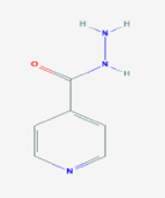
Figure 1: Isoniazid.

Conclusion

There is an golden chance for the scientific fraternity to embark on a path of new research to find real cure for the huge majority of TB afflicted population in the South Asian region. South Asia has patients with a large number of innovative scientists who can enable it to seize the opportunity and lead global TB eradication programs by representing feasibility in cities with high population density and remotest reaches of the Himalayas. Political will and leadership with a vision are the two attributes which are essential to facilitate the loftily programme of TB elimination. The malady cannot be overcome by a single intervention, instead continuous innovations are required. This is the time that researchers in the region join hands, work with cohesion, develop an unified agendum to ensure successful research for TB eradication. The sooner, the better.


For more Articles on: https://biomedres01.blogspot.com/

Isolation and Identification of Bacteria Associated with Hawked Suya Meat: A Case Study of Bokkos Local Government Area, Plateau State, Nigeria

  Isolation and Identification of Bacteria Associated with Hawked Suya Meat: A Case Study of Bokkos Local Government Area, Plateau State, Ni...