Showing posts with label Journal on medical genetics. Show all posts

Friday, June 24, 2022

Freshwater Snails Infection Status and Predisposing Risk Factors to Schistosomiasis in Doma Local Government Area, Nasarawa State, Nigeria

Freshwater Snails Infection Status and Predisposing Risk Factors to Schistosomiasis in Doma Local Government Area, Nasarawa State, Nigeria

Introduction

Schistosomiasis is also referred to as snail fever or bilharziasis. It is a tropical parasitic disease caused by schistosome (blood fluke) [1-4]. The disease is known to be endemic in many countries especially in West Africa [5]. Reports by the World Health Organization (WHO) estimated 243 million people in 52 countries require treatment against the disease [6]. Nigeria has the heaviest burden of the disease in sub-Saharan Africa, with a total of 29 million cases [7]. The transmission of the disease is correlated with freshwater snail intermediate host and requires human contact with the parasite infective stage found in contaminated freshwater bodies. Therefore, communities that live close to snail infested water bodies are mostly at risk of schistosomiasis [8]. Several factors such as social, cultural, environmental and behavioural are known to have direct influence on the prevalence and intensity of schistosomiasis. The role played by various epidemiological factors in the transmission and intensity of the infection has been studied widely using different methods. Distance from the transmission site, migration and emergence of new foci, urbanization, socioeconomic status, sanitation, water supply patterns and disposal of human wastes (faeces and urine) are among the epidemiological factors [9]. Hence, this study investigated freshwater snails intermediary status and risk factors of schistosomiasis in Doma Local Government Area (LGA) of Nasarawa State, Nigeria.

Materials and Methods

Study Area

The study was carried out in Doma LGA in Nasarawa state, Nigeria. Doma has an area of 2,714 km2 and had a population of 139,607 in the 2006 census. Its geographical coordinate is 8.4009° N and 8.3581° E. Agriculture (farming and fishing), craftwork and civil service are the major occupations in Doma. It is located in the Guinea savannah region where they experience rainfall from May to October and cold dry season from the month of November.

Freshwater Snail Collection and Identification

Freshwater snail search and collection was done from the month of August to October, 2019. Samples were collected weekly from the water bodies according to the method described by Abe et al. [10]. A hand-held scoop net (18cm and 0.2mm mesh) was used for collecting/scooping and also hand-picking was also employed along the length of the waterbodies at various sites for 30 minutes. Each sampling site was visited in the morning for snail search and collection. Snails collected were put in specimen bottles containing water and then labelled before being transported to the Department of Zoology laboratory at the Federal University of Lafia. In the laboratory, the snails were washed with water to remove dirt and identified using standard keys by Brown and Christensen [11] and Danish Bilharziasis Laboratory (DBL) [12].

Screening for Cercaria Infection in Snails

Collected snails were put individually in petri dishes containing distilled water. They were then covered with net to prevent the snails from crawling out of the container. The petri dishes containing the snails were then exposed to light for 2 hours to induce shedding of cercaria if present [13]. Where no cercaria was shed, the snails were gently crushed in a container containing distilled water. The fleshy part of each snail was dissected and examined microscopically for unshed cercaria and rediae [14].

Questionnaire Administration

A well-structured questionnaire was administered to people seen around the water bodies, in order to collect data relating to their occupation, water contact activities, environmental sanitation, living conditions (like type of water supply, toilets, presence of domestic animals) and health conditions (blood in urine). The individuals involved were those who are resident around the studied water sources. The respondents were both males and females as well as both young and adults.

Data Analysis

Data obtained was analyzed using R Console software (Version 3.6.1). Pearson’s Chi-square test was used to compare snails abundance between the species encountered. Descriptive simple percentages was used for the information generated from administered questionnaires. The level of significance was set at P < 0.05.

Results

Composition and Abundance of Snails in Doma LGA, Nasarawa State

A total of 308 snails were collected from the 17 water bodies sampled which cut across five species: Bulinus globosus, Bulinus forskalii, Biomphalaria pfeifferi, Lymnea natalensis and Melanoides tuberculata as shown in Table 1. B. globosus was the most abundant 182 (59.1%) snail species encountered followed by Biomphalaria pfeifferi 57 (18.5%) then Lymnea natalensis 32 (10.4%) while the least was Melanoides tuberculata 11 (3.6%). Therefore, the abundance between snail species collected at Doma LGA showed a very high significant difference (χ2 = 312.03, df = 4, P < 0.0001).

Table 1: Composition and abundance of snails in Doma LGA, Nasarawa State, Nigeria between August and October 2019.

Prevalence of Parasites in Vector Snails

Of the 308 snails examined for parasites using the light and crushing techniques none was found to be infected with trematode cercaria (Table 2).
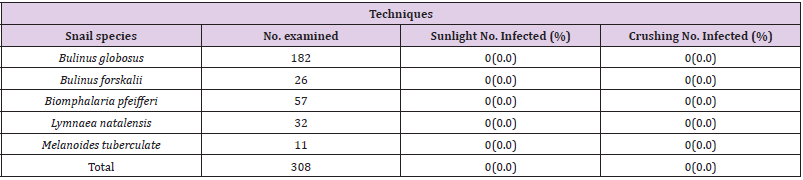
Table 2: Prevalence of parasites in vector snails in relation to two screening techniques.

Socio-demographic Status of Respondents in Relation to Schistosomiasisis Risk Factors

Out of the 510 questionnaires administered, 383 (75.1%) were males while females were 127 (24.9%). More adults 289 (56.7%) participated than children 221 (43.3%). Also, the respondents are resident in Doma LGA and familiar with the water bodies sampled. In overall, 225 (44.1%) of the participants had secondary education, followed by 149 (29.2%) who had primary education then the uneducated 84 (16.5%) while only 52 (10.2%) of the respondent had a tertiary education. Majority of the respondents were unemployed 231 (45.3%), self-employed (trade) were 96 (18.2%), 13 (2.6%) were civil servants (official), 103 (20.2%) were farmers, 12 (2.4) were into fishing while those into other forms of commercial activities (driving, construction) were 55 (10.8%) as shown in Figure 1.
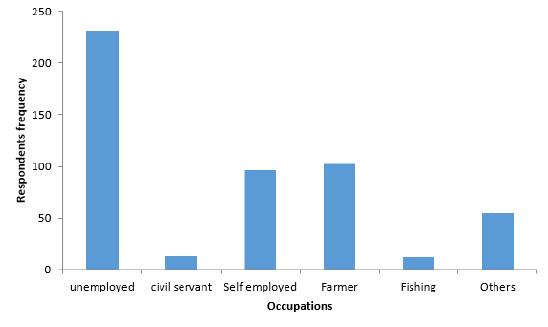
Figure 1: Occupational status of respondent around water bodies in Doma LGA, Nasarawa State, Nigeria.

Schistosomiasisis Risk Factors

Information gotten from respondents on their knowledge of the disease showed that 211 (41.4%) of the participant had contact with contaminated water, 89 (17.5%) and 61 (12%) respondents wash in surface water and walk without shoe respectively, while 102 drinks unsafe water. A high number of the respondents 232 (45.5%) use pipe-borne water for domestic purposes in their homes whereas 87 (17.0%) of them utilized well water as the main source of water for domestic purposes while 191 (37.5%) accessed water from rivers, streams and pools (Figure 2). Figure 3 showed that pit latrine was the most widely used type of toilet in this study with 233 (45.7%) respondents. 143 (28%) of the respondents make use of modern flush toilet (water system) in their homes while 76 (14.9%) respondents utilize other forms of latrine (including the use of buckets, nylons) and 58 (11.4%) in nature (bush).
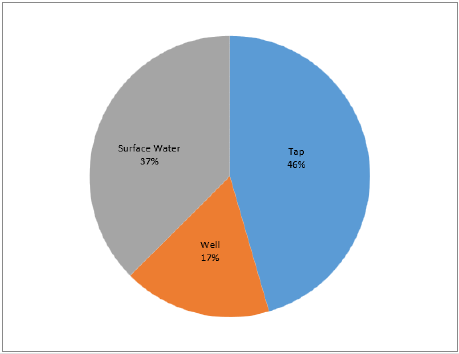
Figure 2: Proportion of respondents sources of water in the study area: a predisposing schistosomiasisis risk factor.
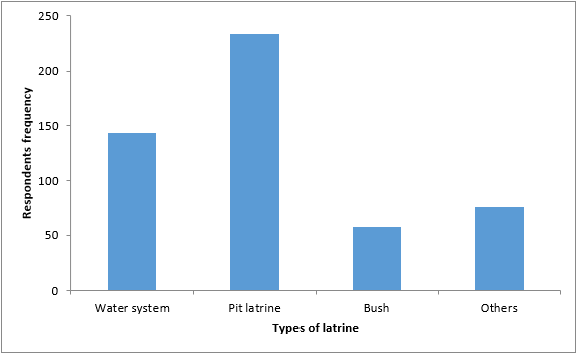
Figure 3: Types of latrine in the study area a predisposing schistosomiasis is risk factor.

Also, 313 (61.4%) of the respondents had domestic animals present in their homes and 197 (38.6%) do not. While 326 (63.9%) of the respondents stay in close proximity to water bodies as compared to 184 (36.1%) who reside at a distance (>250 m) to waterbodies. One hundred and sixty-four (32.2%) respondents have contact with water mostly in the morning followed by those who have contact with water in the evening 114 (22.4%) while only a few 41 (8%) have water contact in the afternoon (Figure 4). The frequency of water contact also indicates that 138 (27.1%) respondent come in contact with water bodies daily, 210 (41.2%) had contact weekly, 118 (23.1%) had water contact monthly, while 44 (8.6%) only come in contact with water body at most once or twice in a year. The reasons for water contact varies among respondents, 189 (37.1%) come in contact with water bodies for the purpose of washing/laundry, 97 (19%) for the purpose of swimming/bathing, 17 (3.3%) go for fishing, 11 (2.2%) and 94 (18.4%) source the water for cooking and gardening/farm purposes, 7 (1.4%) for the purpose of waste disposal while 95 (18.6%) come in contact with the water bodies for other reasons.
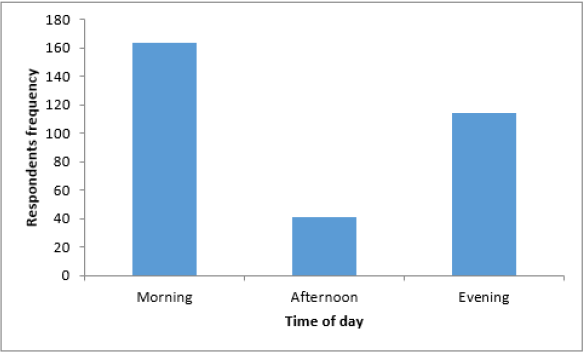
Figure 4: Time of day when respondents have contact with water bodies around.

Blood in urine and bloody stool was experienced by 197 (38.6%) and 86 (16.9%) respondents respectively. Also, 227 (44.5%) have experienced abdominal pain. However, only 122 (23.9%) of the respondent have previously been treated for schistosomiasis, while an ample number of the respondents 388 (76.1%) have never been treated for the disease and are unaware of their status.

Discussion

The snail species reported in this study (Table 1) had earlier been reported in different parts of Nigeria. Omudu and Iyough [15] reported the presence of B. globosus, Lanistes libycus, L. natalensis and Nepa cinerea in Makurdi, Benue State. Similarly, Okafor and Ngang [16] found B. globosus, B. truncatus, B. senegalensis, B. forskalii, Bi. pfeifferi. Lanistes varicus and L. natalensis in their studies in Niger-cem, Nkalagu Eastern Nigeria. Abe et al. [10] studies in almost all Local Government Areas (LGAs) of Nasarawa State showed that snail species were present in all the selected LGAs covered. Interestingly, a species of snail, M. tuberculata found in Doma was not reported in the study by Abe et al. [10]. Alternatively, Indoplanorbis exutus reported by Abe et al. [10] was absent in Doma LGA. The result of this study is therefore additional information on snail species of medical importance in Nasarawa State which before now has not been documented.

The presence of five freshwater snails in these studies is a clear indication of that the water bodies are potential transmission sites of schistosomiasis and other snail-borne diseases based on observed anthropogenic activities such as fishing, swimming/quick bath by farmers, washing, fetching, watering points for animals and channeling of water for irrigation in the sites. Such activities often result in decrease in the availability of water and could lead to pollution/contamination which affects freshwater snails. This is in tandem with research findings from Okafor and Ngang [16] which gave an update on freshwater snails of medical and veterinary importance and Ugochukwu et al. [9] where they reported higher frequency of schistosomiasis in farmer and fishermen due to their water contact activities.

The absence of shedded cercaria from the snail could possibly be attributed to good sanitation and hygiene practices in the area, therefore, suggests that human prevalence status in the area should be carried out so as to really ascertain the prevalence rate within the human population. Also, the absence of cercaria infection in the snails implies that schistosomiasis may not be endemic in the study area. This is accordance with the finding of Abe et al. [10] who reported that from 105 sites surveyed, no developing stage of trematodes was observed in 977 snail intermediate host examined. Another study by Rabi [17]in three parts of Jakara dam in Kano State indicated that none of the snails collected was found to be shedding any schistosome cercaria but cyclops was found. Similar observations were also made by Diakité et al. [18] in Cote d’ivoire and Ejehu et al. [19] in Oguta Lake in Nigeria.

Responses from respondents to questions intended to determine the existence of social factors that predisposes the community to schistosomiasis supports the observation made earlier on lack of endemicity of the infection in the area due to the absence of infected snails. Although about 45.5% of the respondents have access to tap water, however, the contact with snail infested water bodies by about 37% of the respondents is quite alarming and concurs with Ugochukwu et al. [9] who documented that occupational risk in relation to schistosomiasis arises from water contact. The very low defecation rate (11.4%) in bushes and the proper practice of faecal disposal in the area either via the use of water system (28%) or pit latrine (45.7%) accounts for the absence of schistosomiasis in the area. This is line with Dawaki et al. [2] who reported that one of the factor known to aid endemicity of the disease is good refuse disposal system most especially feaces.

Conclusion

This study has added to already existing checklist of freshwater snails in Nasarawa State based on the finding of the snail, M. tuberculata in Doma LGA. None of the snails’ shedded cercaria. Hence, the communities should maintain the good level of hygiene and sanitation thus far recorded in order to perpetually remain free from schistosomiasis infection.

For more Articles on : https://biomedres01.blogspot.com/

Tuesday, June 7, 2022

Satisfaction and Experience of Palliative Patients with 24/7 Hotline Service During the COVID-19 Pandemic in Saudi Arabia

Satisfaction and Experience of Palliative Patients with 24/7 Hotline Service During the COVID-19 Pandemic in Saudi Arabia

Introduction
Telemedicine is a division of medicine that deals with patients via telecommunication networks to deliver treatment from a distance [1]. Telemedicine has been increasingly used worldwide despite earlier resistance from healthcare practitioners who felt that it would endanger healthcare integrity and clinical results [1]. COVID-19 pandemic, however, has considerably accelerated the existence of telemedicine and digital health [2]. Telemedicine became an inevitable choice when patients and their families were under lockdown and had to cancel their in-person appointments for multiple reasons [2]. In New York, an 8729% increase in video visits was observed during the COVID-19 pandemic (compared to before in March 4, 2020), and video visits were associated with higher satisfaction rates [3]. The World Health Organization (WHO) describes Palliative Care (PC) as the branch of medicine that improves the quality of life of patients and their families who are experiencing life threatening disease [4]. It is achieved through prevention and relief of suffering by early diagnosis, thorough evaluation, and treatment of pain and other difficulties such as medical, psychosocial, and spiritual issues [4]. Telemedicine use in palliative care has long been accepted, but the literature on virtual palliative care-specific advantages and drawbacks is still scarce [1,5]. Many considerations play unique roles in the virtual treatment of PC patients, such as practical, clinical, and ethical factors [5]. The benefits of video consultations are summarized as being practical, inclusive of a multidisciplinary team, and that also promotes collaboration between healthcare practitioners [6]. However, empathic patient-physician partnership was criticized in simulated environments, partially because PC specialists did not feel secure addressing critical and emotional issues through a physical distance [6].

Problem Statement

Saudi Arabia’s unique cultural values and computer literacy are completely different from other countries and are making rapid progress, which is why it is important to investigate their desires for virtual treatment. Shortly after the pandemic, PC patients in Saudi Arabia were helpless and distraught because their access to healthcare became interrupted and their fear of catching COVID-19 was increasing. A multi-factor analysis to assess the option of virtual visits related to PC was undertaken in the United Kingdom in 2020 [5]. Stakeholders preferred virtual treatment because it decreases utilization of Personal Protective Equipment (PPE), decreases uncertainty of the COVID-19 pandemic, and improves time regulation [5]. Families and patients preferred a virtual visit because of its convenience, privacy, and some even preferred it because it allowed them to read lips, which was not an option under mask mandates in office environments [5]. Telehealth in palliative home care is thought to be accessible and could potentially improve the quality of specialized palliative home care [6]. According to one study, patients and health professionals in Specialized Palliative Care have been actively engaged with telemedicine in PC and have been able to cooperate and make decisions on their health [6].

Visits for evaluation of chemotherapy were shifted to a virtual setting in Texas, USA during COVID-19 [7]. Although 73% reported higher satisfaction, 65% of patients said they would prefer in person visits, suggesting that there is a distinction between virtual palliative care and other disciplines in telemedicine [7]. Another study discussing telemedicine’s role in long-term care of radiation oncology found tele-oncology to be more efficient and resulted in the reduction of cost for patients, especially to those living in remote areas [8]. It also found that tele-oncology allowed for continuity of care although its benefits are more evident in lower risk patients and is not a substitute for a medical visit, but more of a supplementary tool [8]. However, 50% of oncologist deemed virtual prescription of chemotherapy not preferable [7]. Most oncologists, over 80%, preferred hormonal and medical therapy virtual prescriptions [7]. Some argue that telephone consultations require a wealth of experience and skills, because it might miss important cues that can affect patients negatively [8]. Telephone encounters compared with video visits were found to be narrower in focus and tend to suppress the patient’s ability to express his concerns naturally [9]. A study analyzed factors associated with favorability of telemedicine among oncology patients and found that the only factor that had a statistically significant relationship with telemedicine satisfaction was higher education level of the patient [10].

In a large tertiary hospital in Riyadh, Saudi Arabia, out of 200 patients, 84 were seen in virtual clinics over a period of four months, from March to May 2020 [4]. These and multiple national virtual clinics were set up by the Ministry of Health (MOH) to respond to critical problems and offer treatment options to palliative care patients in a timely manner [4]. A hotline service was established by MOH to connect patients to these clinics and ensure continuity of care aiming to enhance PC patient’s quality of life. A brief survey followed the call aiming to measure PC patient’s satisfaction of this service.

Materials and Methods

Study Design and Setting

This cross sectional study was conducted in Saudi Arabia. As per the 2019 statistics by the Ministry of Municipal and Rural Affairs, the population in these regions is estimated at 2,595,762 people, constituting around 7.6% of Saudi Arabia’s population [11]. The population has been growing at a rate of 1.5% in the last decade [11]. This is a cross-section analysis in which 214 patients evaluated their experience upon concluding a call to the regional hotline set up for palliative patients Saudi Arabia during the COVID-19 pandemic. A hotline was set up by the Palliative Care team at the Ministry of Health to address palliative patients concerns in these regions. This research was performed by analyzing the results of a brief telephone survey that followed the call to the palliative hotline service. Calls were received by three qualified health professionals, a clinical pharmacist with expertise in palliative pharmacy preparations, and two nurses with two or more years of experience in palliative care. The call receivers had full access to patients’ electronic records and were able to view recommendations, specific issues, current medications, and care plan. A list of guidelines and a step-by-step approach was provided to them. In addition, they were able to access resources to guide their patients (Table 1).

Table 1.

Strategy

A validated voluntary telephone poll consisting of five questions aimed to generate patient’s opinion about the hotline instituted by MOH to enhance the patient’s virtual palliative care experience. The survey was validated by 2 independent doctors in MOH, a palliative care consultant, and a family medicine consultant. Data was entered on a separate Excel sheet and transferred to SPSS version 25.0 for analysis. All palliative patients who called the hotline from 17 April 2020 to 28 February 2021 with a PC diagnosis were included, and those who did not have a PC diagnosis were excluded.

Results

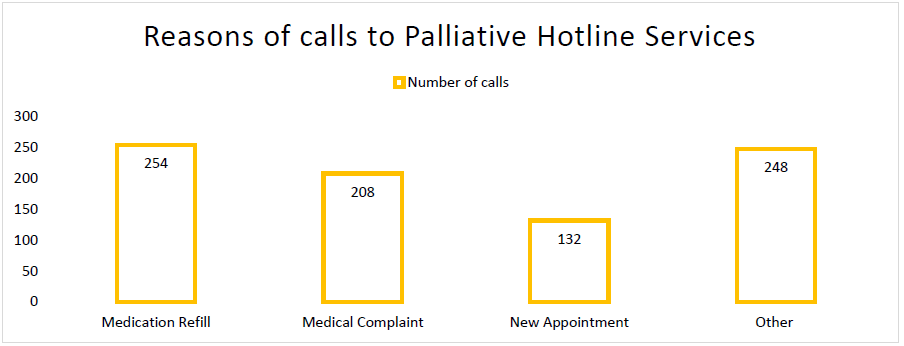
Figure 1: Main reasons patients called the palliative hotline.

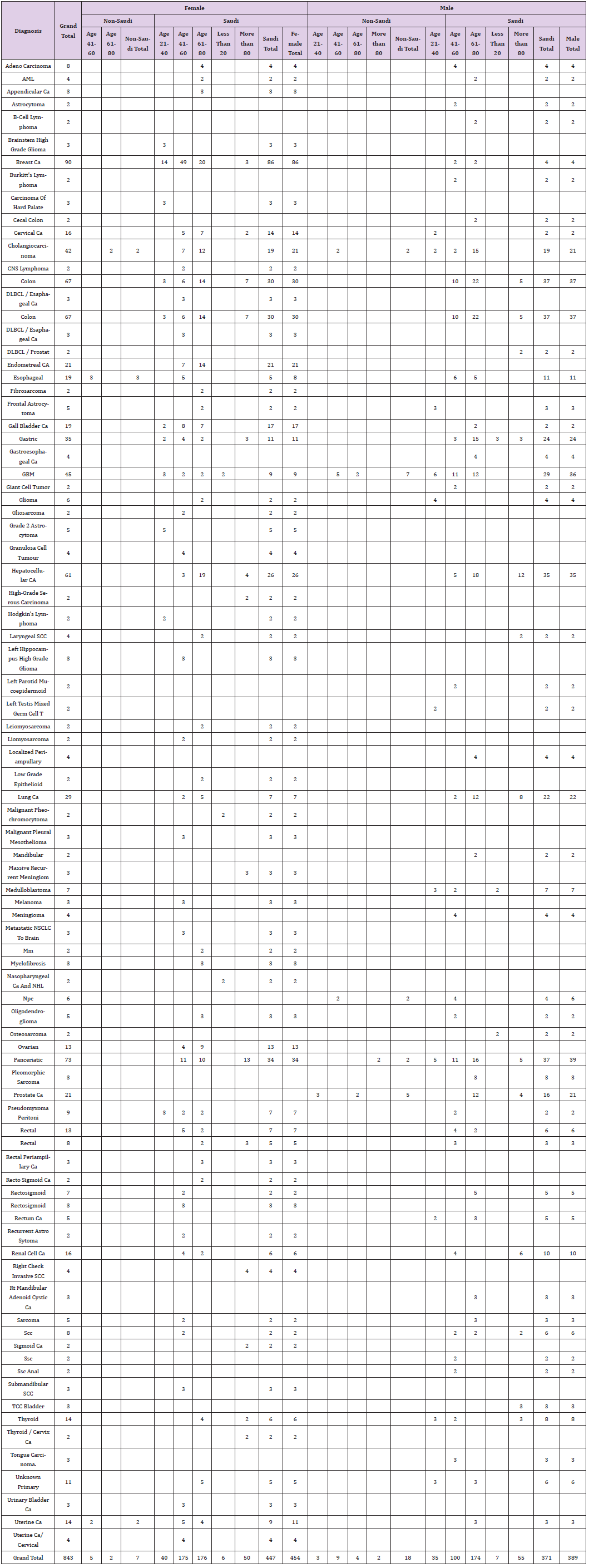
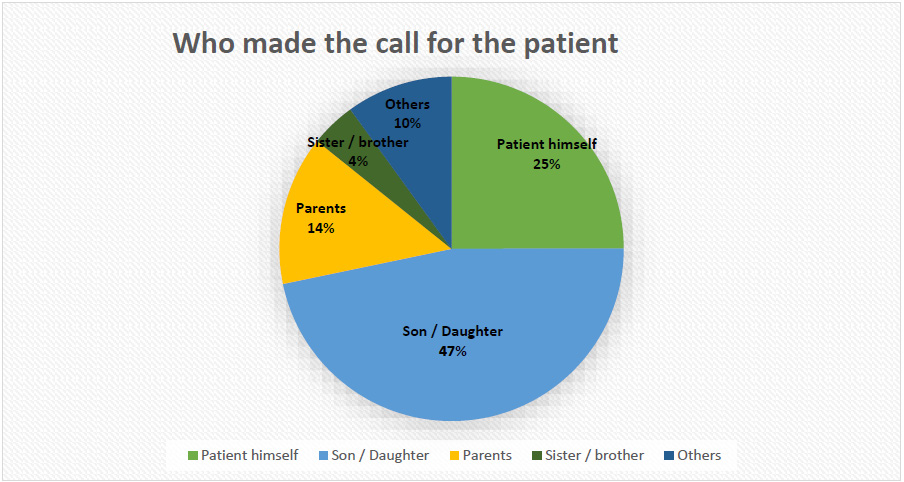
214 patients, 51% of which are females, have called the hotline 843 times “between” 17 April 2020 to 28 February 2021. In general, patient satisfaction in regards to their experience was exceedingly high, as 90% of callers reported satisfaction by the end of the call. The main reasons for the call to the hotline are summarized in Figure 1. Our results show that 30% of palliative patient’s reached out to the hotline for medication refills (n=254), 24.7% called for medical complaints (n=205), and 15% called to book a new appointment (n=131). However, 29.8% of the calls were for other unspecified reasons (n=248). Interestingly, patients themselves were the inquiring caller in only 27.8% of the cases while almost half of the callers, 47%, were the patient’s son or daughter (n=433). Figure 2 shows the caller’s relationship to the patient. 86.7% of callers stated that their problem was solved by the call (n=731), and 10.8 % (n=91) of callers said their issue was partially solved by the phone call, and only 2.5% (n=21) said their problem was not solved.

Figure 2: Caller’s relationship to the patient.

Discussion

Our experience in setting up a free hotline call center for palliative patients in Saudi Arabia was very successful in connecting patients to their providers and solving both logistical and medication supply issues. During COVID-19 pandemic, and particularly in its early phases, Saudi Arabia enforced strict guidelines and stay at home orders in several provinces to combat COVID-19 spread. Travel between cities and major regions was highly discouraged except for certain essential workers. Most patients were discouraged from coming to the hospital, specifically palliative patients were encouraged to stay at home because coming to the hospital would mean that they will mostly be unaccompanied by their caregivers, which is a sensitive and an integral part of palliative patients’ social support. The 24/7 hotline for palliative patient was a new initiative taken to help adapt to the stress caused by the interruption of patient’s visits during COVID-19 pandemic. Patients in Saudi Arabia frequently travel more distances to access care; hence this new measure can be very helpful to enhance their access to healthcare. The hotline created a cost-effective bridge for palliative patients in both rural and urban regions to reach their providers without needing a virtual appointment nor an in-person visit. The number of calls received averaged 70 calls/ month, which indicate the need for similar resources that operate like an intermediate link between palliative patients and palliative care physicians without overwhelming the system.

Prescriptions refills have been a pressing challenge for palliative care patients living far from hospitals who have been undergoing treatment for a long time. This has been further exacerbated by the COVID-19 pandemic. New resources are required to improve patient access and continuity of treatment for patients dealing with pain and end of life. Studies suggest that telemedicine utilization is effective in palliative care, and our study affirms that meeting patients’ needs through virtual settings was satisfactory. Raffenaud Amanda, et al. [10] found that from the treating oncologist’s perspective, tele-oncology was not superior to in-person visit for new patients, before chemotherapy sessions, and for high recurrence-risk cancer patients who require a physical examination. Drug and prescription-related inquiries caused our patients discomfort, and care should be taken to ensure continuity of care through telemedicine and tele-pharmacy for palliative patients in times of crises. Telecommunication to manage inquiries and provide answers by experienced personnel has shown to be very beneficial for palliative patients in different regions. At the same time, virtual PC does not include a physical drive, greatly serving patients in remote areas. Based on our findings, we are advocating on behalf of PC patients to have legislative frameworks to ensure the healthcare system’s coherence in terms of medication refills. A coherent and supportive system can further support palliative patient’s rights to uninterrupted pain treatment during periods of large-scale changes.

Phone calls instead of video calls results in a particular form of conversation, and the investigation of the difference between these from a cultural perspective may provide useful insights. By looking into the gender distribution of the callers in our sample, we see that half of these callers were females and Saudi culture and religion is unique in that it necessitates female covering their hair, body, and face in many cases. These nuances can affect their preference of phone versus video visits. Telephone calls are cheap and easy to institute and use. They do not require network utilization and require fewer configurations compared to video visits. Also in Saudi Arabia, it is very common for caregivers, specifically daughters and sons, to assume responsibility of patients’ information and healthcare decisions. As our study shows, almost 70% of the calls were made on behalf of the patient. Confidentiality issues can arise when the patient is not the main caller, but in Saudi Arabia, it is common for daughters and sons to take over and this is often overlooked but should be carefully examined from an ethical perspective. Verification of the caller and ensuring granted access of the caller should be emphasized in phone calls more than videos, as it can be challenging to differentiate who the caller is. These instances should also be documented to enhance privacy and to avoid disclosing personal health information to unauthorized people. Our findings are in line with the published literature; a palliative care hotline benefits patient considerably, has high satisfaction rates, and is particularly important in times of decreased access to healthcare.

Alshammaray S, et al. [12] reported the results of patient satisfaction of virtual visits in palliative care at a tertiary hospital in Riyadh, the capital city of Saudi Arabia. 87% of patients seen in the virtual clinic rated the visit 5/5 [11]. In Vancouver, British Columbia, Canada, a palliative care telephone consultation evaluation study by Ridley JZ, et al. [13] showed that most calls came from rural areas and the primary reason for calls was pain management, followed by gastrointestinal symptoms [14]. In Taiwan, Lin MH, Chen HN & Chen TJ (2020), piloted a personalized discharge end-of-life care to reduce frequency of dialing 24-hour hotlines that resulted in 5-10% decrease on the hotline, indicating significant need of patients near death to have access to phone educational and consultation hotlines [15]. The limitation of our study includes lack of direct availability of palliative care physicians in case an urgent inquiry beyond the scope of the call receiver. An integrated approach that links physicians and medical students to further expand the services and respond better to palliative care patients can be beneficial and can also result in decreased costs for the patients and physicians.

Based on Claire K Ankuda, et al. [16] similar experience of setting up a crisis hotline run by medical students in Mount Sinai, New York to serve palliative patients during the pandemic, several principles and teachings were proposed [16]. The recommendations included staffing two full-time equivalent (FTE) palliative care physicians, in addition to four FTE physicians when call volumes are higher than usual [16].

Qualitative interviews are imperative to uncover desires and satisfaction in a broader manner and elicit needs and opinions of palliative patients and physicians overseeing their cases. Geospatial data was also not collected and could have been helpful to accurately measure cost effectiveness of instituting a more advanced model of hotline services to palliative patients in rural / remote areas. Other causes for calls, which amounted to 29.8%, were also not elucidated and should have been properly investigated by call recipients. This research will act as a starting point for learning about the needs and perspectives of Saudi palliative patients when it comes to virtual palliative care. Since the adoption of telemedicine was swift and inevitable, opinions and patient satisfaction must be elicited. This can provide a better framework to accessing care in future and present challenges and ensure continuity of care and quality of life for patients living in rural / remote areas. Therefore, palliative care helpline will probably stay and expand to long-term care and many other components of palliative care that aims to enhance patients’ quality of life [17-21].

Conclusion
The experience of a telephone hotline for palliative care patients was regarded as a highly useful service and was also highly accepted by patients. It was cost effective and used very frequently by patients. Medication refills were the most common cause of repeated phone calls and efforts should be made to tend to the impact of the interruption of in-person care on medication availability for palliative care patients. Hotlines can serve as an effective bridge to care and decrease pressure on specialists by solving issues not requiring a visit to a physician but a visit to an institution.

For more Articles on : https://biomedres01.blogspot.com/
Thursday, June 2, 2022

Improving Undergraduate Ophthalmology Education in the Time of COVID-19 Pandemic by Video-Assisted Online Learning

Improving Undergraduate Ophthalmology Education in the Time of COVID-19 Pandemic by Video-Assisted Online Learning

Introduction
The COVID-19 pandemic had given an immediate challenge to traditional undergraduate medical education methods, and in-person clinical clerkships, including ophthalmology rotation for medical students, had been suspended to prevent the threat of disease transmission. This rotation cancellation could lead to a lack of patient’s exposure and, eventually, inadequate basic ophthalmology knowledge and clinical skills. The lack of ophthalmology case exposures in medical students will contribute to the misdiagnosis and mismanagement of ocular diseases and inappropriate referral to ophthalmologist [1,2]. This condition forced the need to develop virtual clinical learning. The online learning method is not a substitute for traditional face-to-face learning method and is not without its shortcoming, but it can help to ensure that the medical students would not lose their precious time and could continue with their academics in these uncertain times [3,4].

Our university had developed an online learning platform named iLearn before the outbreak of COVID-19, but its use was still limited. The COVID-19 pandemic then allows us to explore a new approach for teaching-learning techniques using this online learning platform. Adequate evidence-based research must be provided to encourage the faculty to implement this alternative learning method during this pandemic period [5,6]. Therefore, we conducted this study to evaluate the online learning method’s effectiveness during the COVID-19 pandemic for undergraduate medical students in ophthalmology clinical clerkships. This study will give an insight into the efficacy of online learning in undergraduate ophthalmology education.

Methods

This study was conducted from June to November 2020 at the Department of Ophthalmology of Faculty of Medicine Andalas University, Indonesia. This study design was an interventional study. The online learning platform we used to conduct the online learning was the iLearn. This study enrolled 64 medical students who enter virtual clerkship in ophthalmology rotation during the COVID-19 pandemic for about four weeks. The students had never been undergone face-to-face clinical clerkship in the Department of Ophthalmology previously. Another inclusion criteria were clinical clerkship students who still registered as medical students and clinical clerkship students who had iLearn platform personal account. Exclusion criteria were clinical clerkship students who did not complete the multiple-choice test and the student perception questionnaire.

The students were instructed to enter the iLearn platform and do several tasks, including watching the clinical skill video and making a report about the case presented in the video, filling the multiple-choice question (MCQ) test and the student perception questionnaire through the iLearn platform. The clinical skill video topics include:

a) Visual acuity examination and introduction of ophthalmology examination tools.

b) History taking and subjective refractive examination.

c) Eyelid infection case presentation.

d) Conjunctival infection case presentation.

After watching the clinical skill videos, making the case reports, and answering the multiple-choice test, the students fill a questionnaire comprising ten questions about their perception of online learning. After two weeks of online learning, the students then undergo two weeks of in-person clinical clerkship in the university hospital wearing personal protective equipment, which is mandatory. At the end of the ophthalmology rotation, the students undergo an objective structured clinical examination (OSCE) test with the simulated patients, including visual acuity and subjective refractive examination. All data were collected and analyzed computerized using the descriptive statistic method. The authors then withdraw the conclusion from the result. This project was deemed quality improvement and research ethics approval was waived.

Results

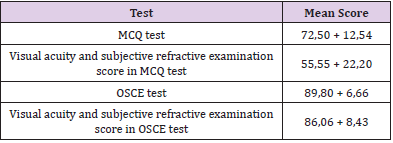
The demographic data of the medical students are following. Among 64 students, 52 were female (81,25%) and 12 were male (18,75%). The range of students ages was 19 years old to 28 years old with a mean age was 22,66 years old. Assessment and evaluation of the online learning method are done by observing the MCQ and OSCE test scores and the students’ perception questionnaire results. By assigning this type of assessment, we can know the medical students’ level of basic knowledge and skills in ophthalmology. Table 1 shows the mean score of the MCQ and OSCE tests Table 1. Mean score of multiple choice and objective structured clinical examination test. From the test result, it can be seen that the students get good test scores both in MCQ and OSCE tests. However, in the MCQ test, the knowledge about visual acuity and subjective refractive examination still poor, shown by the low mean score. Nevertheless, later in the OSCE test, the student’s skill in visual acuity and subjective refractive examination had improved a lot, shown by the increase of the mean score.

Table 1: Mean score of multiple choice and objective structured clinical examination test.

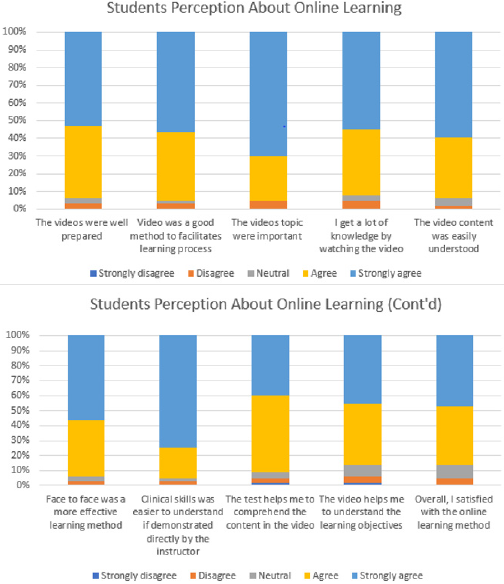
Figure 1 shows the perception of the medical student about online learning methods. From the questionnaire results, the majority of the students agree that the videos were well-prepared, and the contents were easily understood. The videos also help the students to achieve learning objectives in clinical ophthalmology clerkship. However, some students prefer the face-to-face learning methods, especially in acquiring basic ophthalmology skills, with the direct supervision of an ophthalmologist. A clinical skill directly demonstrated by the instructor will be easier to understand and perform according to most students.

Figure 1: Students’ perception about online learning.

Discussion

The decline in undergraduate ophthalmology education level for medical students, which was further severed by the COVID-19 pandemic, could lead to a lack of essential basic skills in ophthalmology examination among medical students. The applied physical distancing and lockdown strategy had interfered with the learning-teaching process in most countries in the world. The medical students have been targeted to achieved some competencies in ophthalmology, but the current situation made it difficult because there were diminished opportunities and times to encounter real patients in the hospital. Modification of the ophthalmology teaching method must take place to accommodate this task within a shorter period. The advancement of information technology had brought online learning as one of the best alternative teaching methods during this pandemic era to get sufficient competencies in ophthalmic skills and knowledge [7-9].

Before the pandemic period, undergraduate ophthalmology rotation took four weeks in our department. The learningteaching process involves face-to-face case discussion and direct observation of patient examination in the outpatient clinic. During the COVID-19 pandemic, the education process had shifted into half of online learning and half of in-person clerkship. This change is to reduce the number of students in our department where the student’s group was split into halves so the physical distancing is still can be applied. This study result gives a promising result about the implementation of online learning in undergraduate ophthalmology education. Overall, both MCQ and OSCE tests show good mean scores of the students. A concern must be given to basic ophthalmology skill which is more complicated for medical students to master such as subjective refractive examination. In the online learning period, the students still difficult to comprehend this issue, shown by a low mean score of the MCQ test (55,55 + 22,20). However, after undergoing two weeks of in-person clinical clerkship in the university hospital, the skill of the students in the subjective refractive examination had improved significantly. Comprehensive management of simple refractive errors is one of the basic competencies in ophthalmic skill, which is mandatory to primary care physicians according to the National Standard of Indonesian Medical Doctor Competencies [10]. Unfortunately, the subjective refractive examination is quite difficult to master by the medical students. This examination needs patience and repetitive practice in order to do it well and get an accurate refractive error measurement. Besides that, this examination needs a cooperative patient and does not enough by only watching an educational video. In the in-person clinical clerkship period, the students had an opportunity to practiced it under the supervision of an ophthalmologist and directly get feedback after the examination. Feedback holds an important role in improving the student’s clinical skill as it guides them to do the procedure according to the standards. Therefore, face-to-face learning methods are still a more effective means of teaching for this particular ophthalmic skill [7,11].

Overall, the student’s perception was good about online learning, where more than 85% of students were satisfied with the quality of online learning. About 85,94% of students also can comprehend the learning material in the video and achieved the learning objectives which were expected. More than 90% of the students agreed that the topic presented in online learning was an essential topic to learned and very useful in clinical practice as a primary care physician. However, many of the students (93,75%) stated that face-to-face learning methods were more effective than online learning methods, especially in learning clinical skills such as subjective refractive examination. About 95,31% of them considered that clinical skills that the instructor directly demonstrated will be easier to understand and can rehearse to perform under the direct supervision of an ophthalmologist. Few studies about perception about online undergraduate ophthalmology teaching during the COVID-19 pandemic had shown positive feedback from students. Majority of the students perceived that online learning was a favorable alternative to the conventional face-to-face learning method with the ease of flexibility of the learning process to time and place, repeatability of the learning material at own pace, and the more courage to ask and interact with the instructor. The shortcomings of online learning were mainly the lack of clinical training and patient encounter, the learning process was not as interactive as traditional face-to-face learning, and limited facilities include poor internet connectivity [2,12-14].

Provision of learning materials included clinical skill videos before undergraduate ophthalmology clinical clerkship had shown to significantly improved subjective and objective measures of knowledge and skill performance. This effect is likely due to the specified topics and the higher efficacy of selected materials provided by the instructor relative to student-selected materials so the students can focus and concentrate on achieving the learning objectives and clinical skills expected [15]. Computerassisted learning modules using virtual patients have been applied to enhance teaching and learning by allowing medical students to sharpen their clinical reasoning skills by formulating a diagnosis and treatment plan on virtual patients with simulated eye conditions in a safe learning environment before practicing on real patients. The application of virtual patients resulted in increased academic performance and sustained retention over traditional teaching alone [16]. However, such particular skills, such as refractive error correction and direct ophthalmoscopy, still need real patients to practice in order to understand the correct angle of approach and the necessary adjustments to be made during the examination. A hybrid learning model of virtual didactics, simulation, telemedicine, self-directed learning, and in-person clinical encounters will provide students with various experiences, including new opportunities in patient care and technical skill development [1,17]. This study shows that despite the excellent score of the overall multiple-choice test, the students still have inadequate knowledge about visual acuity and subjective refractive examination topics during the online learning period. However, after their encounter real patients and practiced directly in the clinic during the in-person clinical clerkship period, their knowledge and skill about visual acuity and subjective refractive examination topic have improved dramatically in the OSCE test at the end of the period.

Before the pandemic, the learning process in medicine is still commonly based on a conventional clerkship approach where learners observe clinical practice and learn from hands-on activity when permitted by the clinical instructor. We are forced to use online learning to teach clinical ophthalmology during the pandemic to limit unnecessary face-to-face exposure. Nevertheless, online learning cannot permanently replace in-person clinical clerkship. In-person ophthalmology clerkship enhances our ability to observe students and evaluate clinical performance, including students’ integration into the healthcare team, skills in interacting with patients, professionalism, and clinical and surgical skills. To overcome the shortcomings of online learning in clinical ophthalmology, we transformed our undergraduate ophthalmology curriculum into blended learning, where online learning is combined with traditional face-to-face learning. In the online learning period, the students enrolled in the iLearn platform and were assigned to watch the clinical skill videos, complete the multiple-choice test, and make a case report. In the clinical clerkship period, the students came to the teaching hospital wearing personal protective equipment, which is mandatory. The students can observe the real patient examination directly in the outpatient clinic. Afterward, the instructor gives an explanation and discussion about the patient examined before. The students were also performed basic ophthalmology examinations under the supervision of the instructor. As an adjunct to conventional learning method, however, online learning may be beneficial and may have a significant impact on future medical students, including new opportunities in patient care and technical skill development [1,18-21].

This study’s limitations include the relatively small sample size and the self-reported nature of the questionnaire in which participants may be subject to reporting bias affected by student confidence and the degree to which they did not want to disappoint teaching staff. This study also does not compare the blended learning method’s outcome with the conventional full-time clinical clerkship. However, with reasonable satisfaction from most students in this study, we hope that online learning can supplement the in-person clinical clerkship method, especially in this pandemic period, to ensure that the students would not lose precious time and could continue with their academics.

Conclusion
This study results can encourage that a blended learning model, which combines video-assisted online learning with the inperson clinical clerkship, can be useful for acquiring clinical skills by health students. Learning process flexibility to time and place was the most advantage of online learning and lacking to perform clinical skills was the main shortcoming. Quality assurance of the video resource should be done to enable students to understand the context and engage with video resources so in time they encounter real patients, they are already prepared and gain sufficient competencies. The advanced development of information and communication technology will further be improved and established online learning as a more time- and resource-effective model for the interactive and integrated learning process.

For more Articles on : https://biomedres01.blogspot.com/
Thursday, May 26, 2022

Application of Solar Cells in Three Dimensions to Generate Electrical Power – Solar Ball Column

Application of Solar Cells in Three Dimensions to Generate Electrical Power – Solar Ball Column

Introduction
This manuscript is trying to bring more light on the importance of replacing the current source of energy. Till now, many parts of the world are generating electrical power using fossil source of energy (oil and charcoal), while the promising future is by generating electricity from solar energy. Instead of using renewable source of energy, counties still use fossil fuels which they import from other countries [1]. Climate extreme changes are only part of the evidence that centuries of burning fossil fuel led to highly destructive impacts on the planet. In this occasion flight emissions affecting the climate change needs to be controlled [2]. It is worth to mention here the heat strike that hit Canada just few days ago [3].

Discussion

a) What is the device?

Solar ball is simply a solar panel in three dimensions. The usual types of solar panels are square or rectangular shape where it placed in an open area to face the sun. Solar ball panels have this shape of ball so it can receive solar rays from different angles without readjustment of the panel (Table 1).

Why it is designed in this way?

T

he ball shape with three dimensions will give the following advantage:

• Ball shape will give it the advantage of receiving sun rays most of the daytime.

• Ball shape will reduce the high temperature during hot seasons as the rays’ angle change with earth movement.

• High temperatures reduce the efficiency of solar panel, but in case of solar ball panels the rays are moving to new cells throughout the day.

c) What is new?

The ball shape panels are not totally new. In fact, it is available in the market, so what is new in this paper? The new idea is to put the solar ball panels in a vertical way so that it looks like the following figure (Figure 1)

d) Advantages of positioning solar ball panel in this way could be summarized in the following points:

• The possibility of arranging the ball shape panels in a vertical method and this will give more space in solar energy fields.

• It is possible to have two or more ball shaped panel one over the other.

• With enough spacing between the ball shaped panels, it will be possible to avoid the shades to fall over the inferior panels.

• The rounded ball shape forms relatively bigger surface which means generating more energy.

e) Where can this device installed?

The solar ball column is just like the ordinary solar panels. It can be installed in any open area like building roofs, gardens, ventilation space, terries, a balcony or any other open area outdoor. “Energy potential of solar power ranked by land classification, indicating the best place to put solar panels is on croplands and grasslands [3].

Conclusion
This manuscript is a small sign to point the direction for the coming energy revolution. There is still too much to do and many experiments to conduct in order to represent the advantages of this device. The writer of this paper is working to introduce many changes and improvements to bring it to its final stages.

For more Articles on : https://biomedres01.blogspot.com/
Tuesday, May 24, 2022

Recurrent ADEM Mimicking Young Stroke


Recurrent ADEM Mimicking Young Stroke

Background

Almost a total of 1317 Hb variants have been identified (HbVar database) [1], the four most common worldwide are Hb S, Hb E, Hb C, and Hb D, in the order of decreasing prevalence [2]. Haemoglobin (Hb) E is the most prevalent variant in Southeast Asia (Thailand, Myanmar, Cambodia, Laos, Vietnam), where its prevalence is 30- 60% [3-6]. The prevalence of HbE in India is about 3.5% with an increased clustering in Kolkata (22%) and Assam (50-80%) [7]. Hb E results from a G→A substitution in codon 26 of the β globin gene. This produces an abnormal Hb (glutamate is replaced by lysine) and activates a cryptic splice site at codon 25-27 of the β-globin gene, resulting consequently in abnormal processing for messenger RNA (mRNA). The level of normally spliced mRNA become reduced and because a new stop codon is generated, the abnormally spliced mRNA become nonfunctional [7,8].
Fortunately, only a minor activation of the alternative splicing pathway is associated with this mutation resulting in a moderate reduction of the normally spliced βE globin mRNA 72. Hb E trait (E heterozygosity; ββE) and Hb E disease (E homozygosity; βEβE) are mild disorders. Although the Hb E mutation alone does not cause any significant clinical problems, its interactions with various forms of α and β thalassemia produce a very wide range of clinical syndromes of varying severity [8,9]. Different phenotypes could be noticed with the compound heterozygote state of Hb Eβ-thalassemia ranging from a complete lack of symptoms to transfusion dependency [3,7,8,10]. Experiments were carried out in vitro at temperatures ranging from 38 to 41°C showed that there was a mild instability of Hb E but there is no evidence that this is the case in vivo [9-14]. It is noticeable that the E allele causes a mild thalassemia, while Eβ0 thalassemia shows severe phenotypes. This marked paradox in phenotypes could not be fully explained up till now. It is reported that HbE is sensitive to oxidative stress. Does this or other properties of HbE explain the variable severity of the Eβ0 thalassemia? This question is still waiting for an answer [11]. The aim of this report is to present a case of Hb E homozygosity discovered accidentally trying to cast shadow on a mutation not prevalent in the Middle East.

Case Report

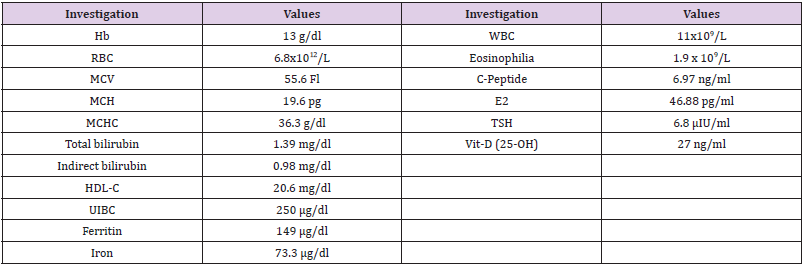
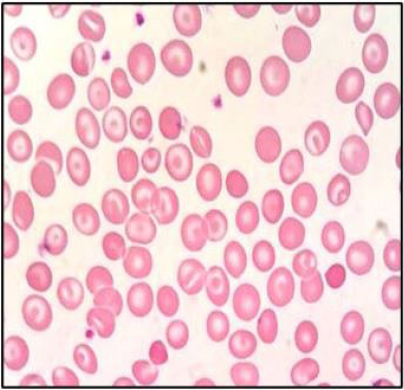
A Consent has been taken from a 26-year-old male, from Kolkata, India, came to Najran University Hospital, Saudi Arabia for routine investigation. He did not complain from anemia or receive treatment. He gave a history of hemolytic attack because of high fever indifintily due to infection with malaria and only one blood transfusion. On examination, there were no significant clinical findings such as organomegaly, icterus, or thalassemic bone changes. CBC were carried out using Sysmex XS 500i (Sysmex, https://www. sysmex.com/). It showed mild microcytic hypochromic anaemia with increase in RBC distribution width (RDW-CV) and eosinophilia (Table 1). Peripheral blood smear showed frequent target cells, and spherocytes as shown in (Figure 1). Serum biochemical analysis were carried out using COBAS C311 (Roche, https://www.roche. com/). Results were normal for liver and kidney functions except for mild increase in bilirubin (1.39 mg/dL, mostly indirect of 0.98 mg/dL).

biomedres-openaccess-journal-bjstr

Table 1: Some hematological parameters of the reported case.

biomedres-openaccess-journal-bjstr

Figure 1: Peripheral blood smear of the reported case.

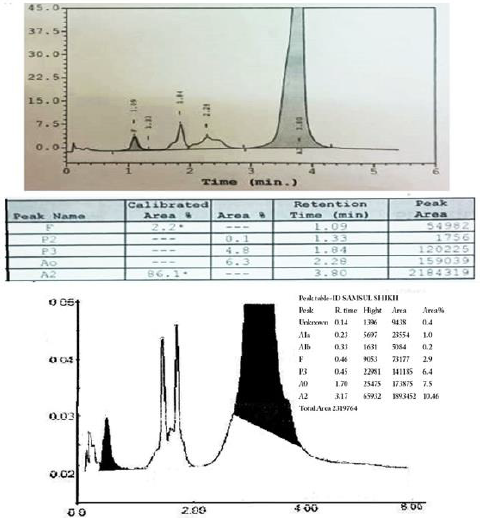
Lipid profile was normal except for low high density lipoprotein cholesterol (HDL- C) of 20.6 mg/dL...Iron, UIBC and ferritin were found to be 73.3 ug/dL, 250 ug/dL and 149.6 ug/L respectively. Glucose was within normal ranges. Vitamin B12, C-peptide, estradiol (E2), follicle stimulating hormone (FSH), free triiodothyronine (FT3), free thyroxine (FT4), luteinizing hormone (LH), prolactin, parathyroid hormone (PTH), testosterone, thyroid stimulating hormone (TSH) and vitamin D3 (25-OH) were done. C-peptide, E2 and TSH results were slightly above the normal range. Vit D was slightly insufficient (Table 1). Hb separation by high performance liquid chromatography (HPLC) using the D-10 instrument (Bio- Rad Laboratories Hercules, California, USA) was performed (Figure 2a). Nearly 86% of the Hb eluted in the A2 window with retention time of 3.5 min on D-10 & 3.8 min on Variant II instruments (Figure 2b). Hb F was around 3% with some other small peaks. Stool examination was negative for parasites. Helicobacter pylori Antigen is stool and Abs in serum were negative by One Step H. pylori test device (ABON Biopharm, China). Malaria Ag in blood was negative by malaria P/F/Pan rapid test device from ABON, China. Clinical examination showed no abnormality.

biomedres-openaccess-journal-bjstr

Figure 2: HPLC of the reported case: a. D-10 instrument. b. Variant II instrument.

Discussion

Hb E has two compartments; one is the Hb E (α2βE2) itself which behaves like a rather normal Hb in normal conditions. The other one is the thalassemic compartment with excess α globin chain leading to a mild haemolytic anaemia .Considering history, ethnic origin, clinical findings and laboratory findings of the patient, the diagnosis was consistent with Hb E homozygosity. He showed a very mild, clinically asymptomatic, hemolytic microcytic hypochromic anemia with many target cells on peripheral blood smear [9]. The presence of an abnormal peak of around 85% in the A2 window with different retention time than Hb A2 (usually around 3.2 min), a mild increase in Hb F (Figure 2), a mild increase in the unconjugated bilirubin (Table 1), indicates the mildness of the pathophysiology of the thalassemic compartment of the disease. The presence of small peaks on HPLC was explained by post-translational modification of Hb E13 . Hb E masked the Hb A2 on HPLC, hense we could not configure its percentage which is especially important in the diagnosis of δβ thalassemia. We noticed the presence of many spherocytes in the peripheral blood smear with an increase of MCHC. Similar findings occur in Hb C due an increase in the activity of K:Cl- cotransport that induces the loss of K+ and subsequently of intracellular water [15].
The patient had a low HDL-C, a slightly increased E2 and TSH hormones, a slightly increased C-peptide which could not be explained. The patient gave a history of high fever, indifintly due to malaria infection, with a hemolytic attack and a blood transfusion once, which could match the published of the instability of Hb E in high fever [14]. Although investigation for malaria was negative, yet the presence of eosinophilia (Table 1) may be due to an old infection [16]. The main differential diagnosis is the Eβ0 thalassemia. Hb E is usually around 50% with severe clinical presentation and marked increase in Hb F [17]. Eβ+ thalassemia is milder and characterized by the presence of Hb A. As there are only two β globin genes, one on each chromosome, usually the majority of the Hb is abnormal in case of homozygous β mutation. Other β globin chain variants elute in the A2 window on HPLC are D-Iran, Osu Christiansborg, Deer Lodge, G-Coushatta, G-Copenhagen, D-Ouled Rabah, Ocho Rios, Korle-Bu, G-Ferrara, Zürich and Rocky Mountain, Hb Abruzzo and M-Saskatoon). Mostly they are non-pathogenic with normal or near normal clinical presentation. Two fusion gene mutations (Lepore and Kenya) also elute in the A2 window.
Hb Lepore, a δβ fusion gene is another thalassemic variant result in δβ thalassemia. In homozygosity, it gives severe thalassaemia intermedia to thalassaemia major with HbF 80%, Hb Lepore 20% and no Hb A or Hb A2 [18]. Hb Kenya (considered an HPFH), a gamma beta (Aγβ) hybrid with expected 22.5 kb deletion is also expressed at low percentage (6-23 %) with increased Hb F (5-28%) in heterozygotes. Four alpha globin chain mutations also elute in the A2 window (Spanish Town, G-Honolulu, Toulon and Fort Worth). They are expressed at low percentage (11-21% in heterozygous) usually with no clinical manifestation. As an α-variant, they show the presence of the characteristic minor Hb A2 variant peak (α2M δ2) immediately after the α variant peak, which is missing in β variants. Many other Hb variants (Alabama, Abington, Akron, Bethesda, Chandigarth, Denver, Ethiopia, G Galveston, G Taipei, Hoshida, Hamadan, Jeddah, Loves Park, Muravera, Nebraska, San Bruno, Santa Juana, SId (the aged adduct of Hb S due to glutathione) and Tubingen) can elute between the A and the A2 windows on HPLC masking the Hb A2 [19].The majority of hemoglobinopathy present in the western and eastern provinces of Saudi Arabia, particularly in the southwestern province. Najran city, in the south of KSA, had the least prevalence of haemoglobinopathies (β Thalassemia trait (2.4 %), zero β thalassemia disease, 12.5% sickle carrier and 0.3% sickle disease). This in contrast to Jazan, also a south city, in which haemoglobinopathies are clustering. Few cases of Hb E may be present in Najran and many must be present in Jazan, but there is no report about the prevelance as far as we know. Orientation by the different phenotypes by Saudi doctors is important to prevent misdiagnosis in haemoglobinopathy. Orientation by different genotypes is critical in premarriage consultation and prenatal screening programs in the kingdom.

For more Articles on :https://biomedres01.blogspot.com/

Distribution of Colistin Resistance Genes Among Clinical Isolate of Gram-Negative Bacteria

Distribution of Colistin Resistance Genes Among Clinical Isolate of Gram-Negative Bacteria

Introduction
Antibiotics resistance has become a major concern among Gram-negative bacterial infections because of the unavailability of alternative treatment options. The antibiotic resistance phenomenon is emerged due to antibiotics overuse and bacterial evolution [1]. Colistin is a cationic polypeptide-based antibiotic, also known as polymxin E, it’s considered the reserve antibiotics against the multidrug resistance (MDR) infections caused by Gramnegative bacterial pathogens such as Enterobacteriaceae [2,3]. The antimicrobial action of Colistin is directed towards the Gramnegative bacterial cell membrane by interacting and disrupting the lipopolysaccharide (LPS) molecules in the outer membrane which results in bacterial death [4]. In the last decade, there is an increased in the resistance of bacteria against several commonly used antibiotics and the limitation in discovery of a new ones had led the Colistin as a valuable drug of choice for many MDR strains [5-7]. MDR bacterial strains was defined MDR as acquired nonsusceptibility to at least one agent in three or more antimicrobial categories. Unfortunately, MDR, extensively drug-resistant (XDR), and pan-drug-resistant (PDR) strains of E. coli and other Enterobacteriaceae strains were detected worldwide, and they were harboring multiple resistance mechanisms [8-10].

Some bacterial strains have a natural Colistin resistance ability, such as S. marcescens, Proteus spp., B. cepacia, M. morganii, Providencia spp., and Vibrio cholera [11]. However, recently, several studies have reported Colistin-resistant isolates that have acquired Colistin resistance via chromosomal genes or plasmids worldwide [12,13]. Resistance to Colistin was associated with mutation in two components regulatory system that mediated by chromosomal genes [14,15]. The gene mcr-1 is gene of the phosphoethanolamine transferase enzyme family, which reported for the first time from China in 2016 as the first plasmid-mediated Colistin resistance gene among the Escherichia coli (E. coli) strains obtained from patients, animals, and food [16-19]. Ever since, mcr-1 positive strains have been detected in Enterobacteriaceae worldwide [20-24]. This first plasmid-mediated gene was followed by reports of variants mcr-1 genes (mcr-1.2, mcr-1.3…) and also the description of new other 7 mcr genes (mcr-2 - mcr-8) [25-29]. The emergence of colistin resistance genes have the ability to cause a major therapeutic challenge in the treatment of Enterobacteriaceae infections, which led to new recommendations for clinicians and laboratory diagnosis [30-32]. The Colistin-resistant Gram-negative bacteria impact on the clinical outcomes is clear. Thus, an appropriate and concrete actions against this strain is urgently required. This study focuses on the identification and the distribution of Colistin resistance genes among Gram-negative bacteria isolated from clinical samples at the National Ribat Teaching hospital, in Khartoum, Sudan.

Materials And Methods

Samples Collection and Processing, Growth Conditions and Chemicals

To investigate the occurrence of Colistin resistant Gramnegative bacteria, a total of 165 different clinical samples obtained from the Department of Medical Microbiology at the National Ribat University Teaching Hospital in Khartoum, Sudan. All samples were transported to the laboratory in an insulated cool box with ice packs. The isolation of Gram-negative strains from all samples were performed using Cysteine Lactose Electrolyte Deficient (CLED) agar medium (HiMedia, India). The inoculated plates were incubated aerobically at 37ºC overnight. Bright yellow lactose fermenting and pale green non-lactose fermenting colonies were selected for further analysis. The isolate were identified based on biochemical standard phenotypic analysis according to Cowan and Steel, 1985. All the samples were collected and processed after approval of the ethical committee at the National Ribat University.

Bacterial Strains

A total of 165 Gram-negative strains, consist of Klebsiella pneumoniae (73/44.2%), E. coli (53/32.1%), Pseudomonas aeruginosa (33/20%), Proteus vulgaris (6/3.6%), and Citrobacter freundii (2/1.2%), were isolated between December 2019 and February 2020 from 165 different clinical samples at the National Ribat Teaching hospital in Khartoum, Sudan. Stock of all isolates were stored in 20% Glycerol-broth at -80°C for further subculture for antimicrobial susceptibility profile and resistance genes associated with Colistin resistance were identified.

Determination of Minimal Inhibitory Concentration (In Vitro Susceptibility Testing)

Antibiotic susceptibility testing was performed by disc diffusion assay according to guidelines from the Clinical and Laboratory Standards Institute (CLSI) (CLSI, 2012). Our first approach to screen Colistin resistance among bacterial isolates, a 10 μg disc of Colistin was used and the test was performed on Mueller Hinton agar (HiMedia, India) and included a panel of 14 antibiotics belonging to different classes (Table 3). Isolates displaying an inhibition zone ≤ 10 mm (n = 61) were selected for further testing of Colistin resistance (mcr-1, mcr-2, mcr-3, mcr-4, mcr-5) genes.

Molecular Characterization

Bacterial Genomic DNA Isolation: Bacterial genomic DNA was extracted manually by phenol chloroform extraction method from Colistin resistance isolates. Extracted genomic DNA were stored at -20ºC for further analysis. Nano-Drop from Analytik Jena Thermal Cycler (Jena, Germany) was used to determine the DNA concentration and purity of the extracts.

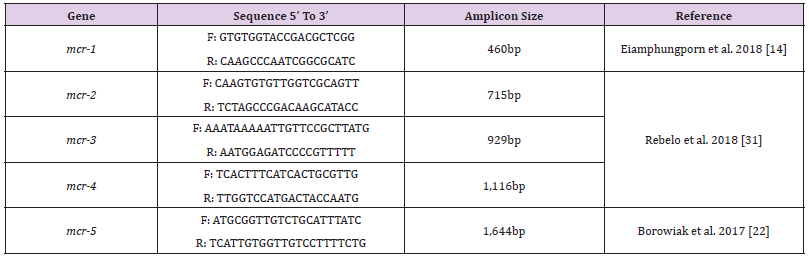
Detection Of Colistin Resistance mcr Genes: Colistin resistance associated genes (mcr-1, mcr-2, mcr-3, mcr-4, mcr-5) of Gram-negative isolates were determined by polymerase chain reaction (PCR) using appropriate primer sets. The primer sequences and corresponding annealing temperatures used in all PCR reactions in this study are listed in (Table 1). Amplifications were carried out using Analytik Jena Thermal Cycler (Jena, Germany) for 35 cycles in 25μl in 2X PCR Master Mix solution (i-TaqiTM) (iNtRON Biotechnology, South Korea) using 50 ng/μl of each of DNA template. For detection of mcr-1 gene, initial denaturation at 94°C for 3 mins, followed by 35 cycles of denaturation at 94°C for 20 s, annealing at 50°C for 20 s, and extension at 72°C for 30 s, followed by a final 5 min extension at 72°C. The PCR products were separated by electrophoresis in a 1% agarose gel and visualized by Ethidium bromide staining and visualized by UV-transilluminator. For detection of other mcr genes, initial denaturation at 94°C for 15 mins, followed by 25 cycles of denaturation at 94°C for 30 s, annealing at 58°C for 90 s, and extension at 72°C for 60 s, followed by a final 10 mins extension at 72°C. A negative control, a reaction mixture without DNA was included in the experiment. The PCR products were separated by electrophoresis in a 1.5% agarose gel and visualized by Ethidium bromide staining and visualized by UV transilluminator.

Table 1: Primers used to screen the presence of different mcr genes among Gram-negative isolates.

Results

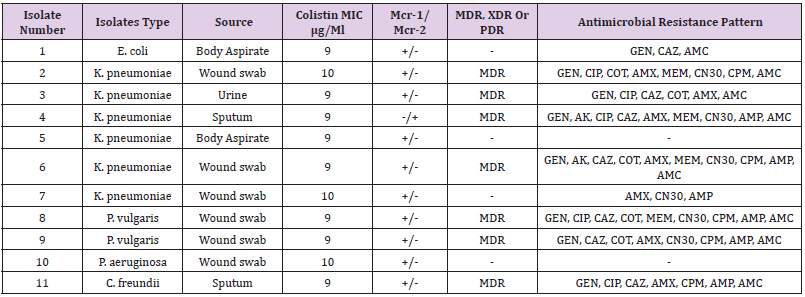
Out of 165 different clinical samples collected from patients suffering from different infections, 165 Gram-negative bacterial strains were obtained as following, E. coli (53/32.1%), K. pneumoniae (73/44.2%), P. aeruginosa (33/20%), Colistin-resistant (6/3.6%), and C. freundii (2/1.2%), (Table 2). In the present study, the prevalence of E. coli strains was relatively resistant to (25/47%) ciprofloxacin, (26/49%) ceftazidime, (29/55%) cotrimoxazole, (33/62%) amoxicillin, (30/57%) gentamicin CN30, (25/47%) cefepime, (36/68%) ampicillin, and (28/52%) amoxicillin/ clavulanate. K. pneumoniae isolates were highly resistant to amoxicillin (58/79%), gentamicin CN30 and ampicillin (52/71%). Antibiotic resistant patterns were very low among P. aeruginosa isolates, as the majority of the isolates were shown more sensitive to most of the antibiotics. Only one Colistin-resistant E. coli isolate was resistant to aminoglycoside and beta-lactam antibiotics. It was found that out of 165 Gram-negative isolates, 11 isolates (7%) were resistance to Colistin antibiotic with MIC ≥ 9-10 μg/Ml. The majority 67% (4/6) of K. pneumoniae Colistin-resistant strains were considered MDR. Although, the two P. vulgaris strains and one C. freundii strain were also considered as an MDR strains.

Table 2: Primers used to screen the presence of different mcr genes among Gram-negative isolates.

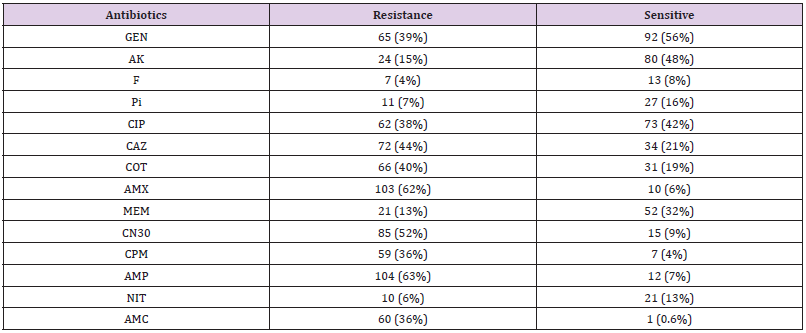
Three out of the 6 (50%) clinical Colistin-resistant K. pneumoniae isolates were resistant to carbapenems (meropenem ≤ 2 μg/ml). One of these 3 strains was resistant to all tested antibiotics. The remaining K. pneumoniae strains were susceptible to most tested antibiotics (Supplementary material Table. A1). The two Colistin-resistant P. vulgaris isolates were resistant to all antibiotics including the carbapenems (meropenem ≤ 2 μg/ml) and were only susceptible to amikacin and ciprofloxacin. Colistin resistant C. freundii isolate was only susceptible to amikacin, cotrimoxazole, and carbapenems. Antimicrobial susceptibility testing revealed that the isolated Colistin-resistant E. coli strain was resistant to aminoglycoside and beta lactam antibiotics. No isolate was classified as XDR or PDR (Table 2). High resistance was observed against both amoxicillin (62%) and ampicillin (63%). Moderate resistance was observed against ceftazidime (44%) and gentamicin N30 (52%). Furthermore, low resistance was shown against florfenicol (4%), nitrofurantoin (6%), piperacillin (7%), and meropenem (13%). The majority 55 % (6/11) of Colistin-resistant strains were isolated from wound infection samples, (Table 3).

Table 3: Antibiotic resistance pattern of Enterobacteriaceae isolates.

GEN: Gentamycin, AK: Amikacin, F: Florfenicol, Pi: Piperacillin, CIP: Ciprofloxacin, CAZ: Ceftazidime, COT: Cotrimoxazole, AMX: Amoxicillin, MEM: Meropenem, CN30: Gentamicin, CPM: Cefepime, AMP: Ampicillin, NIT: Nitrofurantoin, AMC: Amoxicillin/ Clavulanate

Determination of Colistin-Resistant Genes

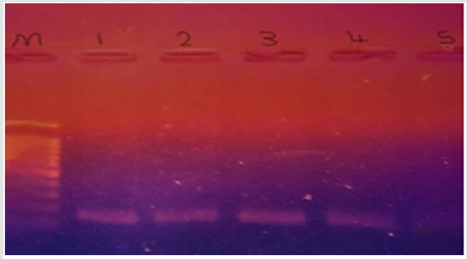
The genetic detection of mcr (1-5) genes using conventional PCR revealed that 11/165 (7%) of our isolates; 6/73 (8%) K. pneumoniae, 1/53 (2%), 2/6 (33%) P. vulgaris, E. coli, 1/33 (3%) P. aeruginosa, and 1/2 (50%) C. freundii were positive for mcr-1. In addition, only one (0.6%) K. pneumoniae isolate was positive for mcr-2 (Table 4). The other Colistin-resistant genes were not detected. The majority 67% (4/6) of K. pneumoniae Colistinresistant strains were considered MDR. Although, the two P. vulgaris strains and one C. freundii 11 isolates (7%) were resistance to Colistin antibiotic with MIC ≥ 9-10 μg/Ml. mcr-1 gene was higher among K. pneumoniae 60% (6/10), K. pneumoniae was the major Colistin-resistant strains 67% (4/6), Figure 1 (Table 4 and Table 5).

Table 4: Phenotypic and genotypic characteristics of Colistin-resistant Enterobacteriaceae strains.

MDR: Multiple drug resistance, XDR: extensively drug resistant, PDR: pandrug-resistant, GEN: gentamycin, AK: amikacin, CIP: ciprofloxacin, CAZ: ceftazidime, COT: Cotrimoxazole, AMX: amoxicillin, MEM: meropenem, CN30: Gentamicin, CPM: cefepime, AMP: Ampicillin, AMC: amoxicillin/clavulanate. +: positive result; −: negative result.

Table 5: mrc genes detection by PCR in Bacterial isolates.

Figure 1:mrc-1 gene detected in colistin resistant klebsiella pneumonae; lane m = DNA marker; 1, 2, 3 & 4 = strong +ve; lane 5 = weak +ve.

Discussion

In this study, the phenotypic and genomic characterized Gram-negative isolates with Colistin-resistant genes in different clinical samples obtained from the National Ribat hospital. One hundred sixty-five Gram-negative bacterial strains were obtained as following, E. coli (53/32.1%), K. pneumoniae (73/44.2%), P. aeruginosa (33/20%), P. vulgaris (6/3.6%), and C. freundii (2/1.2%). Knowing the fact that Colistin antibiotics are considered the last-resort antibiotics in many areas with MDR Gram-negative strains has led the occurrence of Colistin-resistant bacteria to increases around the world. For this reason, the prevalence of Colsitin-resistant (mcr) gene among Gram-negative strains isolated from clinical samples in Khartoum, Sudan was evaluated; The prevalence of Colistin-resistant Enterobacteriaceae strains was low in many studies around the world [33]. In this study, although the mcr-1 detection rate was not particularly high among Gramnegative isolates (7%). K. pneumoniae was the major Colistinresistant strains 67% (4/6), this was consistent with previous study conducted by Sherry and Howden in 2018 that showed K. pneumoniae strains were more resistance to Colistin than E. coli strains. Moreover, K. pneumoniae Colistin-resistant strains were considered MDR and this is in contrast with the recent report by Abd El-Baky et al. 2020, who found that P. aeruginosa represented the majority of MDR strains.

In the present study, the prevalence of mcr-1 gene was higher among K. pneumoniae 60% (6/10), and this is in contrast with those reported by Nahed Adam and Hisham N Altayb, 2017, they found that the majority of mcr-1 gene was detected among E. coli strains. This difference can be explained by the fact that they majority of their isolates were E. coli compared to this study; it was K. pneumoniae. Surprisingly, in this study the prevalence of Colistin resistance among P. aeruginosa isolates was considered low which was similar to the reported rates from previous study [34]. Additionally, the MDR P. vulgaris and C. freundii isolates were both have maintained a very low Colistin resistance rate (Table 4). So far, a high mortality rates have been immensely associated with the colsitin-resistant Gram-negative infection [35-39]. Thus, an intense investigation is required to increase the therapeutic choices for such pathogens. This study showed that overall characteristics of Gram-negative isolates were susceptible to florfenicol (4%), nitrofurantoin (6%), piperacillin (7%), and meropenem (13%) (Table 3). Interestingly, 9 (82%) out of 11 Colistin-resistsnt Gram-negative isolates were susceptible to amikacin. Thus, aminoglycoside (amikacin) might be options for treating Colistin-resistant Gram-negative bacteria, and this finding is consistent with previous reports showing that Colistin-resistant strains were susceptible to amikacin [40].

It seems in Gram-negative pathogens isolated from different clinical samples have acquired Colistin-resistant gene, either through mutation of the genes or acquisition of mcr gene from other bacteria. However, the relatively large number of isolates and the low prevalence of mcr gene carrying strains obtained from the patients suggests that the evolution of Colistin resistance is currently of major concern in hospital, this was the first report of mcr-1&2 genes detected among Gram-negative strain in Sudan at the National Ribat hospital in Khartoum.

Conclusion
In the past few years, the prevalence of Colistin-resistant pathogens has been emerged worldwide. In addition, Colistin resistant pathogens are considered a critical issue to deal with nowadays. The study findings confirmed the presence of Colistin resistant Gram-negative bacteria in Khartoum, Sudan. The highest rate of Colistin resistant pathogens was found among K. pneumoniae isolates. As a last resort, amikacin showed the best in vitro activity against Colistin resistant Gram-negative bacteria. Further wide scale studies are required to investigate the prevalence the Colistin resistant pathogens in Sudan that can identify the exact role involved in the emergence of Colistin resistance. Due to the increasing carriage of Colistin resistant pathogens among patients in the clinical settings worldwide, urgent and concrete actions must be taken to reduce and prevent the spreading of such pathogens. This study was the first nationwide surveillance report the detection of mcr-2 genes among Gram-negative isolates from clinical samples in Sudan.

For more Articles on : https://biomedres01.blogspot.com/
On the Poaching of and the Threats Facing the Chukar Partridge (Alectoris Chukar J.E. Gray, 1830) in Palestine

  On the Poaching of and the Threats Facing the Chukar Partridge ( Alectoris Chukar J.E. Gray, 1830) in Palestine Introduction Palestine ...