Pastia Characteristics, Improved Use Efficiency
ANNOTATION
The article deals with the elimination of existing problems in pastures (overgrazing, erosion of biodiversity, decrease in soil fertility and soil erosion, decrease in the content of organic matter in the soil and CO2 emissions, salinization and alkalization of the soil, etc.) and their multifunctional features that have special meaning:
- Pastures are a supplier of many agricultural products,
- Protects soil fertility and biodiversity,
- Protects the soil from wind and water erosion,
- Has a good potential for storing carbon dioxide in the soil compared to arable land and forests,
- Has a positive effect on the restoration of groundwater levels,
- Has a protective effect on maintaining water quality and positively affects water infiltration,
- Represents an aesthetically pleasing landscape, provides excellent opportunities for recreation, open space and existing problems;
- Dormant - vegetative and to some extent seed propagation of native species,
- Soil softening - germination of seeds of annual, perennial grasses and shrubs,
- Slopes - conversion of arable land into permanent pastures,
- Inclusion of temporary pastures in crop rotation,
- Increase feed production - support the production of meat, milk, wool, etc. Considering that pastures support the rural economy and are a source of livelihood for the population, Restoration and protection of pastures (rest, surface mitigation, surface and capital improvement, creation of temporary pastures, conversion of arable land on slopes to pastures, etc.) are relevant and of particular importance, The Action Plan of the “State Program approved by Presidential Decree No. 222 of May 22, 2004” and the “Strategic Roadmap for the Production and Processing of Agricultural Products in the Republic of Azerbaijan” approved by Decree No. 1138 of December 6, 2016 As a result, this is a contribution to the Sustainable Food Program security in the country. Based on the foregoing, taking into account the relevance and particular importance of the issue, we decided to determine the efficiency of use (increase in productivity and quality, etc.) by conducting scientific and experimental research on measures to improve unproductive pastures in Guba. district, and in 2021 on the pastures of the Guba region, scientific and experimental studies were carried out. As a result of experimental studies on the experimental field (Control), the average yield was 26.6 c/ha, green mass or 6.8 c/ha of dry grass, (without fertilizers) sowing grass seeds and other options per hectare. more and more diverse.
Compared with the (control) variant, sowing grass seeds + in the H60P60K40 variant, this indicator averaged 39.9 sen/ha of green mass. or 13.3 sen/ha, or 15.0% more than green mass, or 10.0 centners of dry grass, or 3.2 sen/ha, or 14.7% more, turning into dry grass. In each of the tested options, the quality of the produced feed (green mass or dry grass, nutritional value and digestibility) was higher than in the control variant compared to the control variant. It is characterized by a large accumulation of vitamins and minerals that are important for the animal’s body (increased productivity per hectare, improved feed quality and digestibility). This resulted in lower labor costs, reduced feed consumption per unit of production and increased economic efficiency.
Keywords: Dry Grass; Soil Erosion; Soil Salinization; Nutritional Value and Digestibility; Green Mass; Fodder; Temporary Pastures; etc.
Mini Review
Azerbaijan is a low-income country with 0.46 ha of agricultural land per capita, including 0.19 ha of arable land and 0.26 ha of pasture and hayfields [1]. The rational use of natural resources of the republic and the formation of a new environmental consciousness are among the topical issues of our time for the rapid development of the economy and raising the socio-cultural level of the population and are in the center of attention of the state [2]. In continuation of the “State Program for the rational use of summer and winter pastures, hayfields and the prevention of desertification in the Republic of Azerbaijan”, approved by Presidential Decree No. 222 dated May 22, 2004, for 2018-2022 (hereinafter referred to as the State Program) and The implementation of the Action Plan of the “Strategic Roadmap for the Production and Processing of Agricultural Products in the Republic of Azerbaijan”, approved by Presidential Decree No. 1138 of December 6, 2016 (corresponding sub-item “Improving pasture management”) has been completed. Appointed [3]. In order to eliminate and develop existing problems in the sphere, a number of necessary measures were taken to improve the regulatory framework, rational use of land, water and other natural resources, development of animal husbandry and agriculture. Within the framework of the program, in a number of regions of the republic, field and cameral work was carried out to salinize lands of various forms of ownership (summer and winter pastures), geobotanical studies were carried out, and protective forest belts were created [4]. Construction and rehabilitation of irrigation and drainage networks is underway.
However, there are still problems with the use of pastures. Thus, winter pastures are used without observing the relevant rules, livestock grazing is allowed in violation of existing rules, and measures are not taken to restore soil fertility, as a result of which the area of unsuitable pastures continues to increase. The need for rational and intensive use of land in the country is due to pastures, since an increase in the area of arable land leads to a decrease in natural pastures, an increase in pressure on existing pastures. According to the land cadastre for 2010-2020, the area of rural pastures decreased by 225.7 thousand hectares from 1526.0 thousand hectares to 1300.3 thousand hectares, the area of winter pastures decreased by 180.9 thousand hectares from 1332.7 thousand hectares to 1151.8 thousand hectares. thousand hectares fell (Table 1). In general, the area of rural pastures and winter pastures has decreased by 406.9 thousand hectares over the years, of which 80% are suitable areas. At the same time, 429.3 thousand hectares of pastures (13.0%), including 213.8 thousand hectares of rural pastures (14.3%), 30.6 thousand hectares of winter pastures (2.4%), 198 thousand hectares of summer pastures. occupied by Armenian invaders, the load on pastures increased several times, which made them unusable. According to the norms established by law, there are serious difficulties in meeting the need for livestock (winter and summer pastures) due to the fact that 8.6 million heads of cattle satisfy 35.6% of the need for winter pastures and only 17.3% of the need for need in summer pastures (Table 2).
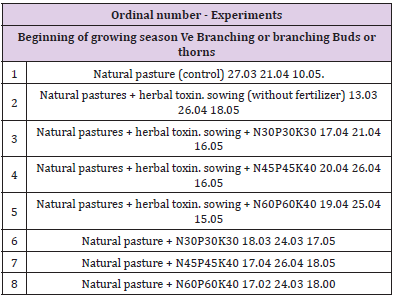
Table 1: Phenological observations of pasture plants in experimental plots.
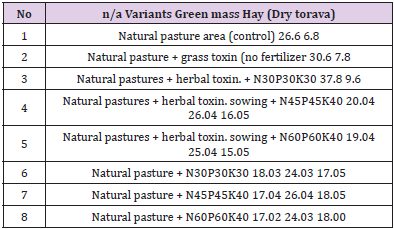
Table 2: Plant productivity indicators in experimental plots (2021).
As a result of overloading pastures several times more than the norm, the productivity of pastures for fodder (by turning them into dry grass) decreased by 3-5 ha / cent, and in some cases pasture erosion processes occurred. A clear explanation of land use in order to enforce legal regulations is helpful.
- Grassland: Any vegetated land that has the potential to be grazing or grazing for animals (both domestic and wild).
- Grassland: Land and vegetation used for grazing, mowing, or both, or for the production of local fodder crops. There are two main types of pastures. Grasslands consist mainly of cereals, legumes, or a mixture of various flowering grasses and, in some cases, tree species.
- Permanent Pasture: Pasture forages consist of perennial or annual grasses that drop their seeds to the ground and remain indefinitely.
- Temporary pastures: In temporary pastures, forage consists of annual, biennial or perennial grasses and is stored for a short period of time (usually only a few years).
Natural landscape: native vegetation, herbaceous plants, mixed grasses or small shrublands dominated by pasture or grazing potential and animals, as well as wild animals.
Pastia Characteristics, Improved Use Efficiency
Azerbaijan is a low-income country, agricultural area of land per capita is 0.46 ha, including 0.19 ha of arable land and 0.26 ha of pastures and hayfields [5]. The rational use of natural resources of the republic and the formation of a new environmental consciousness are among the topical issues of our time for the rapid development of the economy and raising the socio-cultural level of the population and are in the center of attention of the state. In continuation of the “State Program for the rational use of summer and winter pastures, hayfields and the prevention of desertification in the Republic of Azerbaijan”, approved by Presidential Decree No. 222 dated May 22, 2004, for 2018-2022 (hereinafter referred to as the State Program) and The implementation of the Action Plan of the “Strategic Roadmap for the Production and Processing of Agricultural Products in the Republic of Azerbaijan”, approved by Presidential Decree No. 1138 of December 6, 2016 (corresponding sub-item “Improving pasture management”) has been completed appointed. In order to eliminate and develop existing problems in the sphere, a number of necessary measures were taken to improve the regulatory framework, rational use of land, water and other natural resources, development of animal husbandry and agriculture [6].
Within the framework of the program, in a number of regions of the republic, field and cameral work was carried out to salinize lands of various forms of ownership (summer and winter pastures), geobotanical studies were carried out, and protective forest belts were created. Construction and rehabilitation of irrigation and drainage networks is underway. However, there are still problems with the use of pastures. Thus, winter pastures are used without observing the relevant rules, livestock grazing is allowed in violation of existing rules, and measures are not taken to restore soil fertility, as a result of which the area of unsuitable pastures continues to increase. The need for rational and intensive use of land in the country is due to pastures, since an increase in the area of arable land leads to a decrease in natural pastures, an increase in pressure on existing pastures. According to the land cadastre for 2010-2020, the area of rural pastures decreased by 225.7 thousand hectares from 1526.0 thousand hectares to 1300.3 thousand hectares, the area of winter pastures decreased by 180.9 thousand hectares from 1332.7 thousand hectares to 1151.8 thousand hectares. Thousand hectares fell. In general, the area of rural pastures and winter pastures has decreased by 406.9 thousand hectares over the years, of which 80% are suitable areas.
At the same time, 429.3 thousand hectares of pastures (13.0%), including 213.8 thousand hectares of rural pastures (14.3%), 30.6 thousand hectares of winter pastures (2.4%), 198 thousand hectares of summer pastures. occupied by Armenian invaders, the load on pastures increased several times, which made them unusable [7]. According to the norms established by law, there are serious difficulties in meeting the need for livestock (winter and summer pastures) due to the fact that 8.6 million heads of cattle satisfy 35.6% of the need for winter pastures and only 17.3% of the need for need in summer pastures. As a result of overloading pastures several times more than the norm, the productivity of pastures for fodder (by turning them into dry grass) decreased by 3-5 ha / cent, and in some cases pasture erosion processes occurred. A clear explanation of land use in order to enforce legal regulations is helpful.
- Grassland: Any vegetated land that has the potential to be grazing or grazing for animals (both domestic and wild).
- Grassland: Land and vegetation used for grazing, mowing, or both, or for the production of local fodder crops. There are two main types of pastures. Grasslands consist mainly of cereals, legumes, or a mixture of various flowering grasses and, in some cases, tree species.
Permanent Pasture: Pasture forages consist of perennial or annual grasses that drop their seeds to the ground and remain indefinitely.
- Temporary pastures: In temporary pastures, forage consists of annual, biennial or perennial grasses and is stored for a short period of time (usually only a few years).
- Natural landscape: Natural landscape is land dominated by native vegetation, herbaceous plants, mixed grasses or small shrubs, dominated by grassland or grazing potential, and used as a natural ecosystem for grazing animals as well as wildlife. The natural landscape associated with pastures in Azerbaijan includes deserts, semi-deserts, steppes, alpine belts and swamps.
Pasture lands are divided into two groups depending on the season of use:
- Winter pastures are used from November to April and are located mainly on the plains and in the lower part of the foothills;
- Summer pastures used in mountainous areas from May to October;
Land Tenure, Inefficient
Major reclamation measures, improper pasture turnover, intensive and unsystematic grazing have led to increased erosion processes on pastures, loss of vegetation and degradation. Due to the failure to eliminate problems in time, along with the destruction of useful land, the ecological situation has become even more tense, with limited opportunities for the development of agriculture in our country [8]. As a result of the hated Armenian aggression, the lands in Upper Karabakh in the occupied territories of Azerbaijan were of great importance in the agricultural sector due to their high productivity and fertility. Summer pastures rich in natural fodder crops have made a valuable contribution to the development of sheep breeding. An average of 400,000 head of cattle and more than 100,000 head of cattle in the country are fattened annually on the summer pastures of the region, provided with highly nutritious pastures and protected from the extreme heat of the lowlands. As a result of the aggressive policy of the occupiers against Azerbaijan, which occupied more than 20% of the territory, cattle and cattle grazing on the summer pastures of the Kelbajar-Lachin region were kept on the winter pastures of the lowlands of the republic, which led to some damage.
Thanks! As a result of the leadership of our Supreme Commander, 44 days of courage and heroism of our victorious army in 2021, our lands occupied for 30 years (including 298,000 hectares of summer and 70,000 hectares of winter pastures) were liberated, and the territorial integrity of Azerbaijan was ensured [9]. The issue of organizing and managing the rational use of pastures is of particular importance for the development of animal husbandry, the main leading branch of agriculture, since the ecosystem not only plays the role of livestock development, but also forms a food base for many wild animals. . In this regard, pastures have an impact on all areas directly related to this ecosystem. As can be seen, the problem is relevant, of great scientific, practical and economic importance, and the above factors make it necessary to improve the efficiency of pasture use based on the principles of sustainable agricultural development. The main factor in the development of animal husbandry, increasing the production of livestock products, improving the quality of products and reducing their cost is the creation of a fodder base, feeding animals with nutritious feed. Experience and theory have confirmed that the tasks set in the field of animal husbandry can be solved only with a significant improvement in the forage base.
It should be borne in mind that malnutrition and malnutrition of animals, especially highly productive ones, not only leads to a decrease in meat, milk, wool and other livestock products, but also has a negative effect on normal calving. It is known that in most farms of the republic the share of animal feed is mainly coarse (dry grass, straw) and fodder. Silage, haylage, root crops and a number of biologically active substances that enrich the diet with nutrients are not used. Calculations show that feed rations and feed rations made up of these feeds do not fully meet the needs of animals in basic nutrients. So, during the winter, livestock grazes on winter pastures, and livestock in barns is on average 30-35% less digestible protein, 20-25% less macronutrients, 40-50% less micronutrients and 50-60% less carotene (provitamin). A) accept. This, first of all, negatively affects the normal development of the animal’s body and productivity. According to zootechnical standards, the most important factors of functional and morphological changes in the body of animals depend on growth, development, productivity, product quality and animal breeding, feeding and nutrition. Science has proven that if feed rations and feed rations are incorrectly formulated, especially if there is a lack or excess of nutrients in feed rations, they adversely affect the metabolism in the body and its normal development, weakening, and the production of a single product. product.
Sustainable use of pastures The use of “systematic grazing” leads to an increase in nutrient-rich biodiversity and productivity of pastures, as well as to improve their quality. This is one of the main factors that ensure high productivity, normal reproductive function and animal health. One of the main components of systematic grazing is the identification and tracking of the origins of animals entering the pasture area. Pasture load: the maximum grazing rate that allows animals to achieve the desired level of productivity [10]. This norm is the grazing of livestock in the grazing system for a certain period of time without damaging pastures. Long-term observations show that when grazing pastures, their productivity and quality yours remain unchanged, and pasture vegetation does not deteriorate. Maintaining pastures in a pasture is one of the main components in ensuring the integrity of the rings in the pasture cycle and is an important element in the improvement and restoration of pastures. Thus, herds graze their favorite food, taking it from the field, during which planting (pruning) and emptying the bottom (dibbosaltma-loosening) are carried out, while destroying harmful and poisonous plants with their nails, preventing them from growing. and sowing. The herds fertilize and moisten the pastures with manure (manure) and urine. They arise from the efficient use of pastures - the application of systematic grazing, but when used effectively, they can maintain soil fertility compared to arable land and forests, retain carbon dioxide in the soil, protect biodiversity, and have a positive effect on water infiltration. This makes the goals achievable, there are no problems on the ground.
Pasture Use, Problems
Summer pastures in the mountainous regions and winter pastures in the plains of Azerbaijan are rich in biodiversity. Wild, semi-desert, subalpine and alpine pastures are among the most important ecosystems in terms of biodiversity in the country [11]. The soils of mountain pastures and natural landscapes are especially prone to erosion. The Caucasus is one of the richest regions in the world (the center of biodiversity); The Caucasus is one of the 25 most diverse and endangered biodiversity habitats on the planet. (CBD, 2003; Batello et al., 2010). The transformation of natural landscape pastures into arable land sharply increases the intensity of the erosion process due to the destruction of protective vegetation. As irrigated pastures become irrigated, they become increasingly saline, with irrigation and drainage facilities not working optimally. The erosion process reduces soil fertility and reduces productivity.
Do Not Overeat
Summer pastures in the highlands and winter pastures in the highlands and in the middle lane are owned and managed by the state and are usually leased to legal entities and individuals for grazing for 10-15 years. Granting the right to graze is theoretically based on the number of animals, but there are practically no strict rules for monitoring compliance with permitted grazing rates. For example, if 2.5 million sheep should be pastured in the Shahdag region, then the number of sheep grazing there exceeds the norm by five times (World Bank, 2005). Overgrazing is typical for all mountain pastures. In pastures, grassy vegetation is replaced by grazing-resistant weeds. The practice of transhumance and grazing is declining, and the pressure on the environment and pastures is increasing as a result of an increase in the number of grazing animals, especially in rural areas [12]. On the other hand, remote and unused or abandoned pastures affect soil properties, change the composition of plant species, and thus affect animal species. Pastures are administered by the state; 10% of them are under the jurisdiction of local municipalities. Such an approach as effective integrated management has not yet been developed. Despite the fact that the State Program for the Prevention of Desertification and the Rational Use of Forage Lands, as well as Winter and Summer Pastures was adopted by Presidential Decree No. 222 in May 2004, the pasture management mechanism was not developed and implemented under the program.
Reduced Soil Fertility and Soil Erosion
Tillage on the slopes of mountainous areas leads to severe soil erosion, a decrease in the content of organic matter in the soil and nutrients in the soil. Uncontrolled grazing, overgrazing and grazing at inappropriate times (before or after the optimal grazing season) lead to the degradation of pastures and natural landscapes, which increases the susceptibility of soils to erosion. Soil erosion, in turn, pollutes the water, increasing its turbidity and sometimes causing atrophy due to leakage of phosphorus and nitrogen. Etrophication has a negative impact on the biodiversity of the aquatic world and sources of drinking water. By 2021, 3.74 million hectares of land or 43.29% of the total land area 32% of them were affected by severe erosion, 36% by medium erosion and 32% by weak erosion. 49% of the total eroded area is agricultural land and 20% is forest.
Salinization and Alkalization of Soils
Salinity and alkalinity (with soil sodium content ≥ 15% and pH ≥ 8.5) Improper watering, over-irrigation, lack of drainage network, overuse of groundwater and seawater runoff in coastal areas lead to soil salinization and alkalization. Irrigation in the arable land of the country is very important for crop production, especially in the production of alfalfa. Many Soviet-era irrigation and drainage systems have fallen into disrepair last decade due to lack of maintenance and restoration. This resulted in significant water losses and shortages of irrigation water, which negatively affected productivity. Inefficient irrigation methods, destruction of collector-drainage and irrigation networks led to floods and re-salinization. Of the 1.44 million hectares of irrigated land, 0.61 million hectares (42%) were subject to varying degrees of salinity. (World Bank, 2007).
Reducing Organic Matter and CO2 Emissions
Cereals and crops of pastures and natural landscape, stone, sand pits, etc. The transformation has led to soil erosion. This process results in reduced soil fertility and release of CO2 into the atmosphere, resulting in greenhouse gas (GHG) emissions and climate change. Woody plants typical of the steppe landscape accumulate and store a sufficient amount of CO2. The destruction of shrubs and woody plants in pastures causes the release of CO2 into the atmosphere. Pasture and natural landscape ecosystems are able to retain 3-5 times more CO2 than crop ecosystems in the same area.
Erosion of Biodiversity
Overgrazing leads to the degradation of the botanical composition of spontaneous plants, which in turn leads to soil erosion. Lack of control over grazing and grazing endangers ecosystems. Overgrazing leads to erosion of not only plant but also animal habitats and erosion of biodiversity. The recent increase in the number of grazing animals (about 50%) was not associated with an increase in forage yield per hectare or access to larger pastures. Feed production continues to fall short of demand, and overgrazing is exacerbating the situation by reducing feed production and feed quality per hectare.
Measures to Improve Pastures
Pastures are a source of many agricultural products and also have a beneficial effect on the environment compared to annual plants and plantations of exotic trees: Compared with densely populated coniferous plantations, it has a positive effect on the restoration of groundwater levels and has a protective effect on maintaining water quality, has a good potential for storing carbon dioxide in the soil. It protects the soil from wind and water erosion and improves soil fertility, which makes it important part of biodiversity. Grassland provides an aesthetically pleasing landscape, excellent recreational opportunities, open spaces and a positive impact on the life of the whole community. Grasslands protect soil fertility and biodiversity compared to forests and have a positive effect on water infiltration. Pastures and natural landscapes support the rural economy and are a source of livelihood for the rural population. Thus, the rational use and management of pastures (control of grazing rates, restoration of pastures, etc.) has a positive effect on the general condition of animals, feed productivity and feed quality per hectare. Researchers have shown that the maximum quality of meat, milk, wool, etc. per hectare. products are obtained with the rational use of pastures. The grazing rate leads not only to the viability of each animal, but also to the restoration of pastures and an increase in the quality (nutrition and digestibility) of feed per hectare.
Determination of Maximum Grazing Rates
Strict rules on maximum grazing rates need to be established to avoid overgrazing and its negative consequences. Maximum grazing rates and maximum grazing periods are determined based on the productive potential of each of these pastures. Pasture load is the maximum grazing rate that allows animals to achieve the desired level of productivity. Thus, the grazing load is considered to be the “optimum grazing rate”. This understanding is to avoid excessive and unsustainable grazing rates. Thus, the optimal grazing rates may be lower or higher than the marginal grazing rates: the optimal grazing rate for summer pastures is on average about 4-8 heads per 1 ha, and the optimal grazing rate for winter pastures is 2-4 heads per 1 ha. productivity of local vegetation. (Peace) If there are enough valuable forage and vegetation species (eg ≥40%), restoration work may be limited to rest. On summer pastures, rest is especially useful in case of severe soil erosion, i.e. when the scale of bare areas is much larger (for example, >10%). The aim is to establish natural plant colonies through vegetative and partially seed propagation of native species.
Soil Surface Softening
With insufficient quality of vegetable In the area (<40%), a slight softening of the soil surface creates conditions for the formation of a seed bank in the soil itself. Such softening can be carried out, for example, in early October with a toothed trowel. Surface softening promotes the germination of seeds, mainly monoecious, as well as seeds of perennial grasses and shrubs. It should be noted that this event is typical for winter pastures.
Conversion of Arable Land on Slopes to Pasture
In order to reduce soil erosion on mountain slopes (summer pastures), the obligations of farmers to maintain arable land as permanent pastures should be reflected in an appropriate agreement for a period of 10 years, encouraging the conversion of arable land to permanent pastures. They must use local grass seeds purchased by registered individuals and legal entities. In the area (<40%), a slight softening of the soil surface creates conditions for the formation of a seed bank in the soil itself. Such softening can be carried out, for example, in early October with a toothed trowel. Surface softening promotes the germination of seeds, mainly monoecious, as well as seeds of perennial grasses and shrubs. It should be noted that this event is typical for winter pastures.
Conversion of Arable Land on Slopes to Pasture
In order to reduce soil erosion on mountain slopes (summer pastures), the obligations of farmers to maintain arable land as permanent pastures should be reflected in an appropriate agreement for a period of 10 years, encouraging the conversion of arable land to permanent pastures. They must use local grass seeds purchased by registered individuals and legal entities. Converting arable land on slopes (minimum slope to be determined) to permanent grassland should be taken as a percentage of total grassland area.
Creation of Temporary Pastures in Crop Rotation
Temporary pastures should cover 60% of the turnover (in a 5-year crop rotation, the duration of temporary pastures should be 3 years). One of the important conditions is the inclusion of temporary pastures in the crop rotation in order to stimulate an increase in fodder production, reduce overgrazing, ensure growth in the production of livestock, meat, milk and wool. At the same time, farmers must use certified seeds of productive forage crops and legumes, while the ratio of fertilizer: legumes in the seed mixture should be at least 30% to enhance biological nitrogen fixation.
Recovery
Rehabilitation is desirable if the proportion of fodder crops on pasture is very low (<80%) or there is a lot of bare land (>10- 20%). The recultivated area should be up to 20% of the pasture area. Based on the foregoing, based on the fact that pastures are a source of livelihood for agriculture and the rural population, we decided to take measures to improve unproductive pastures. Given the relevance of the issue and the multifunctionality of pastures, I conducted scientific and experimental research to study ways to improve the efficiency of pasture use (increase productivity and quality of fodder) by taking measures to improve low-yielding pastures in the Guba region.
Experimental methods: According to the proposed methodology, the research was carried out in two stages in the region.
- Selection of a characteristic area for research.
- Soil preparation for the experiment.
Pilot plants were installed in 3 repetitions with an area of 50 m2. The total area under the experiment is 800 m2. Experiments in the field of pastures on the territory of the Gulyazinsky administrativeterritorial unit of the Guba region were carried out according to the following methodology:
1. Natural pasture (control)
2. Natural pastures + herbal toxin. sowing (without fertilizer)
3. Natural pastures + herbal toxin. sowing + N30P30K30
4. Natural pastures + herbal toxin. sowing + N45P45K40
5. Natural pastures + herbal toxin. sowing + N60P60K40
6. Natural pasture + N30P30K30
7. Natural pasture + N45P45K40
8. Natural pasture + N60P60K40
Medicago sativa L- Medicago sativa L- Due to the important fodder value of the medicinal plant, this plant has been cultivated in the country since ancient times. Legumes are the most productive perennial grasses. Its wet and dry grass mass has very high fodder qualities. Due to the nature of weediness in pastures, it is higher than almost all perennials and monocots. Because it is the best pasture plant, seeds from this plant have been used in improvement experiments. Grass seeds were sown on the experimental field, mineral fertilizers were applied to the field according to the options, and phenological observations were carried out on the experimental fields. The period from the beginning of vegetation to budding was 58-63 days for plants, 63 days for black grain, 58 days for pastures, and 52 days for shepherd’s hump. When paying attention to plant growth, it becomes clear that in the natural pasture variant (Control) the average height is 25 cm, in the second variant 28 cm, in the third variant 38-47 cm in versions sprinkled with a mixture of grass seeds.
Results of Experiments and Discussions
The table shows that in 2021, when mowing natural pastures (Control), the average yield of green mass was 26.6 c/ha, or 6.8 c/ ha of dry grass. In the 2nd option 30.6 sen/ha or 7.8 sen/ha of dry grass, in the 3rd option 37.8 sen/ha or 9.6 sen/ha of dry grass, in the 5th Natural pasture + outflow . When planting +N60P60K40, these figures resulted in a dry grass yield of 39.9 q/ha or 10.0 sen/ ha. With natural grazing (Control), an average of 26.6 c/ha of green mass or 6.8 c/ha of dry grass was obtained, and with grass seed (without fertilizers) an average of 30.6 c/ha of green mass per 1 ha. or 7.8 centners of dry grass, compared with the control variant of sowing grass seeds + in the N60P60K40 variant, this indicator averaged 39.9 centners / ha of green mass or 15.0% more, 10.0 centners of dry or 14, 7% when growing very dry grass.
Results
From the experiments carried out on the basis of the proposed methodology, it was found that, compared with the experimental field (Control), the development of plants, growth in height, the period from the beginning of the growing season to budding were different for all options. So, in the variant (Control), the average height of plants is 25 cm, in the 2nd variant - 28 cm, in the 3rd variant - 38 cm, and in the 5th Natural pasture + full grass. In the + N60P60K40 variant, these figures were 47 cm, and in the variant sown with a mixture of grass seeds and fertilizers, the height of pasture plants ranged from 38-47 cm. When mowing the experimental pasture (Control), an average of 26.6 centners/ ha of green mass or 6.8 centners/ha of dry grass was obtained, and with a (fertilized) grass seed variant of sowing, an average of 30.6 centners/ha. mass or 7.8 q of dry grass, compared with the option (Control) of sowing grass seeds + option H60P60K40, this indicator averaged 39.9 q/ha of green mass or 13.3 q/ha or 15.0% more than 10 0 quintals of dry grass or 3.2 quintals/ha or 14.7% more dry grass was obtained by turning it into green mass or dry grass. Pasture improvement studies showed that the feed obtained in each of the experimental options - green mass or dry grass and their nutritional value - was higher than the control. However, according to these indicators, the option of sowing grass seeds + Н60Р60К40 was superior to other options and was considered more economical (Figure 1). In order to improve the efficiency of pasture use based on the above (Figures 2-15):
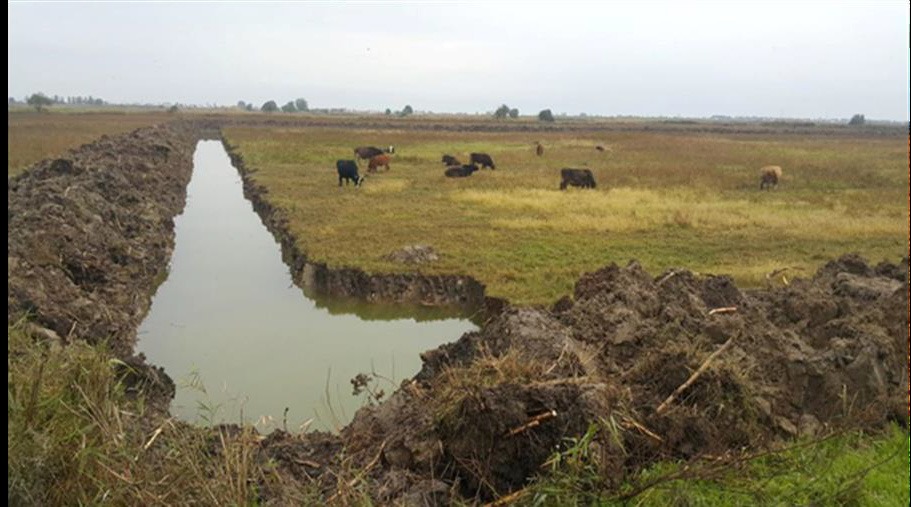
Figure 1: Natural pasture.
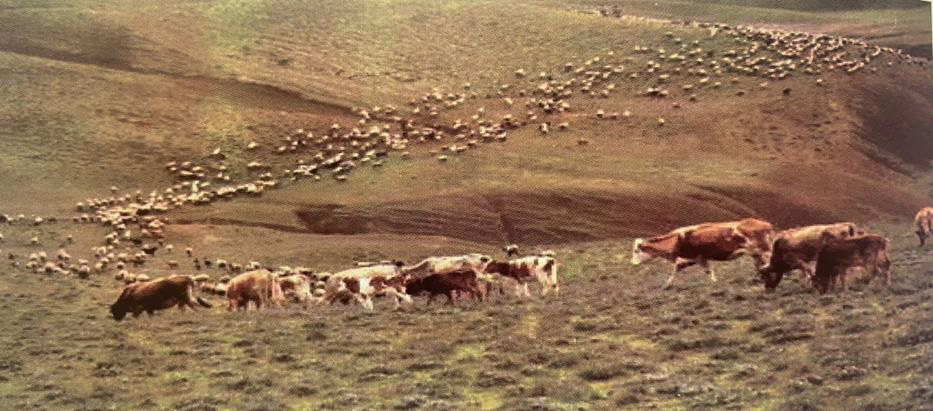
Figure 2: Temporary pasture.
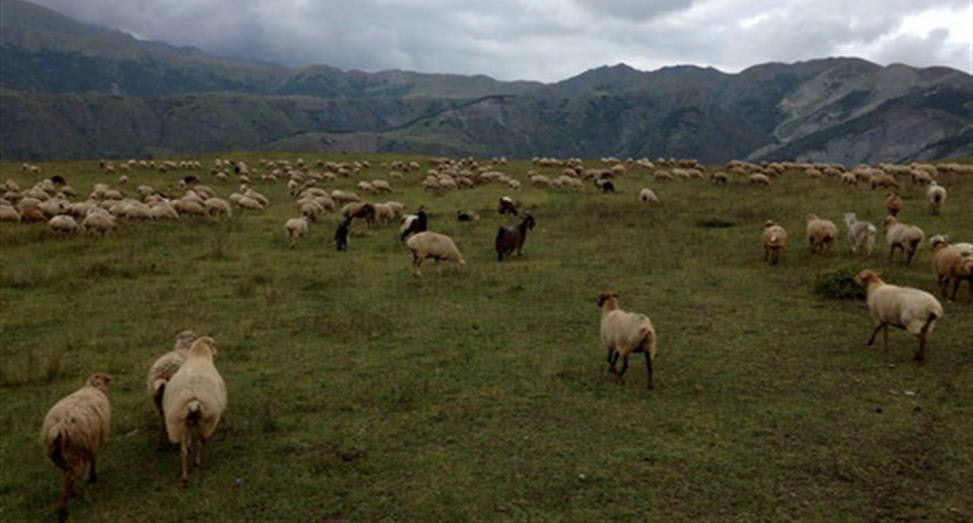
Figure 3: Winter pastures.
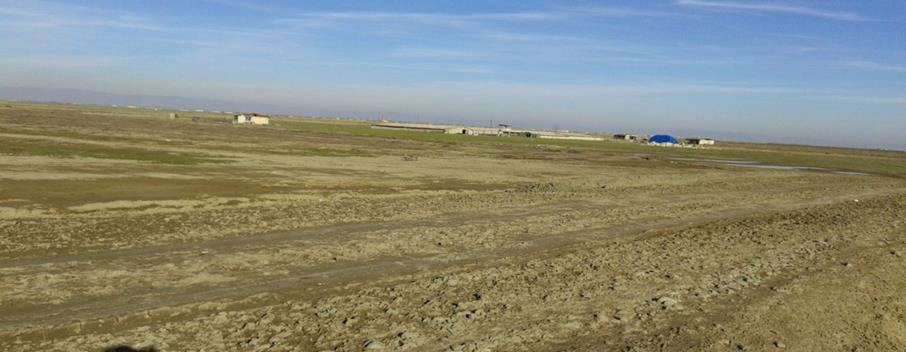
Figure 4: Summer pastures.
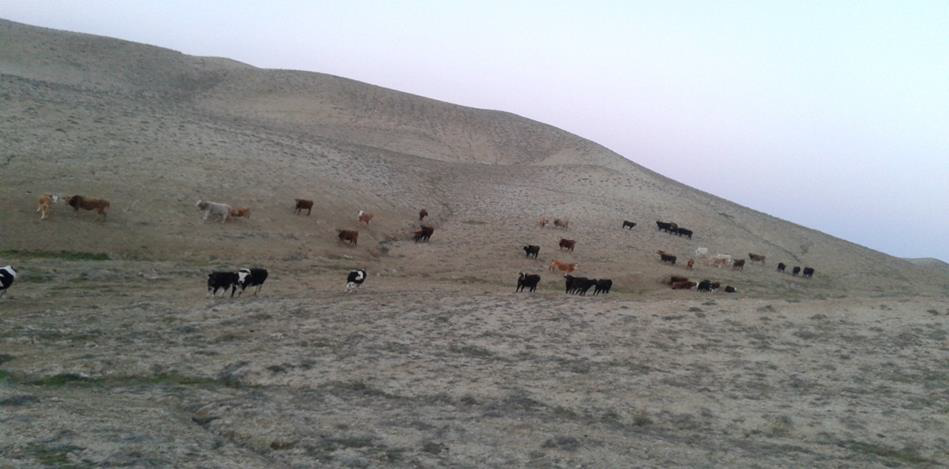
Figure 5: Erosion of biodiversity.
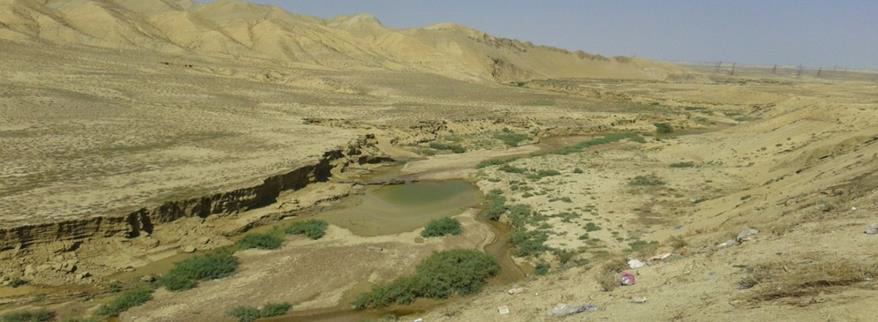
Figure 6: Overgrazing.
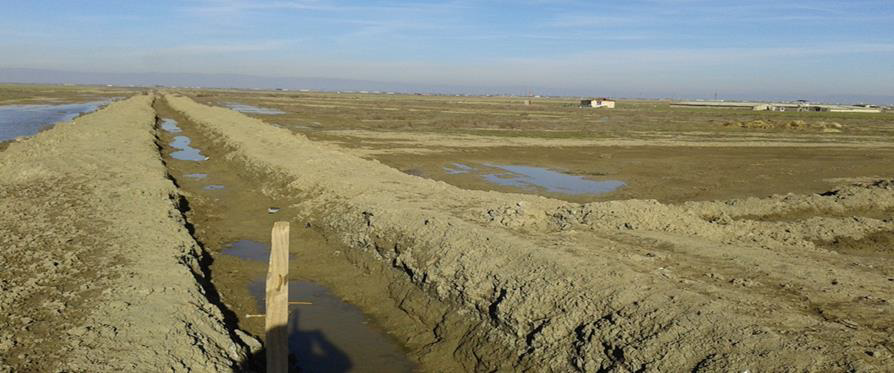
Figure 7: Soil erosion and reduced soil fertility.
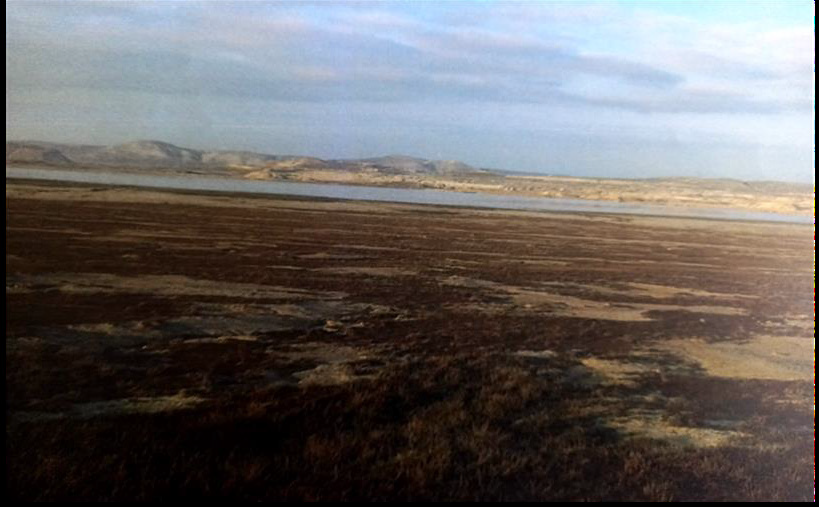
Figure 8: Salinization and alkalization of soils.
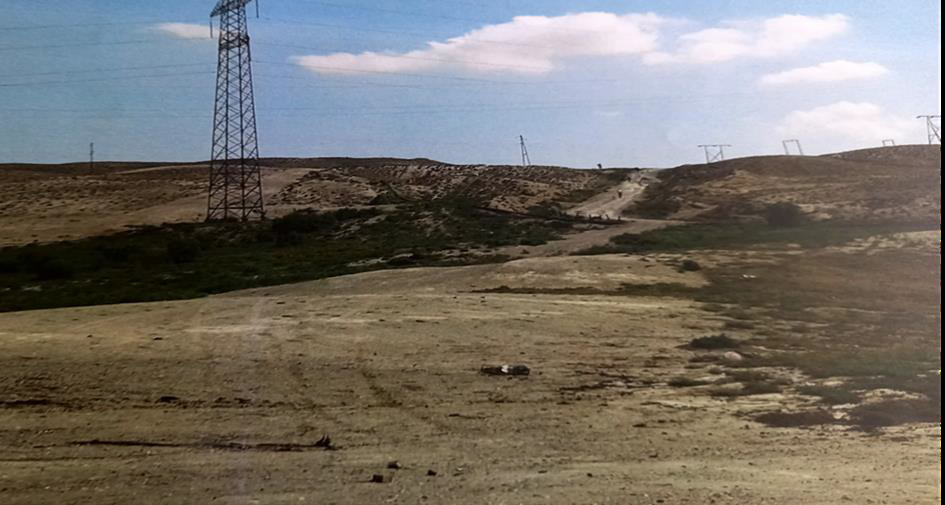
Figure 9: Reducing organic matter and CO2 emissions.
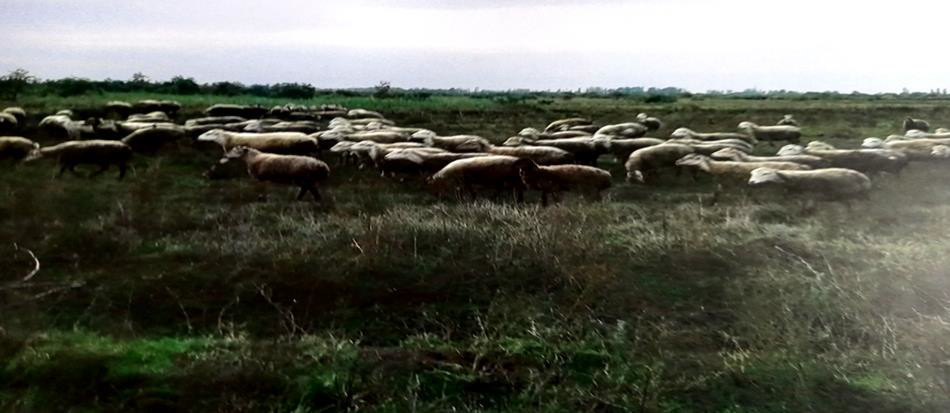
Figure 10: Erosion of vegetation and reduced forage potential.
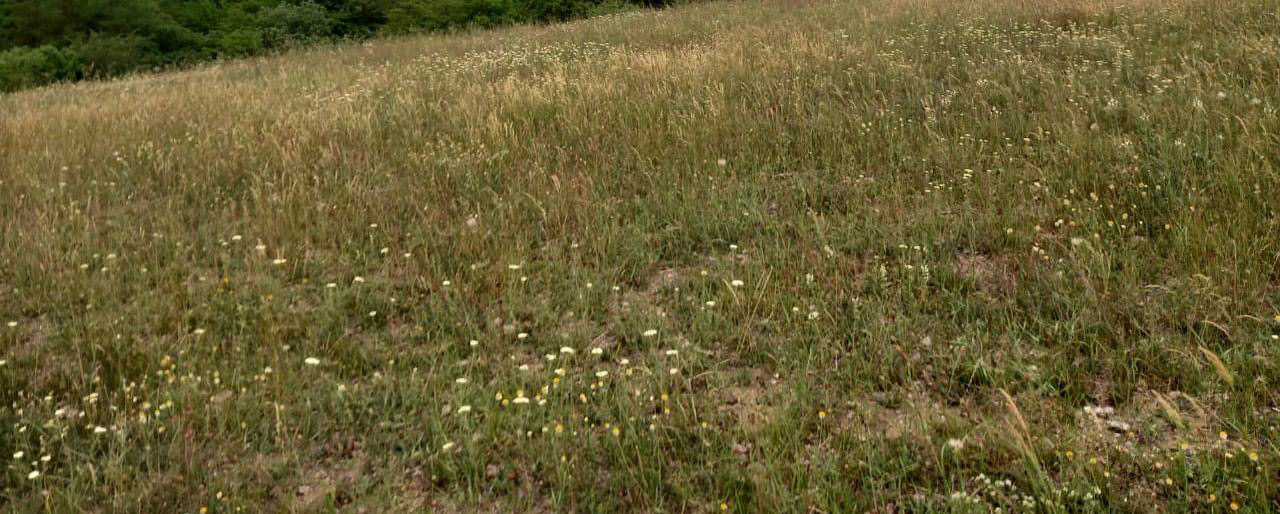
Figure 11: Maximum pasture load.
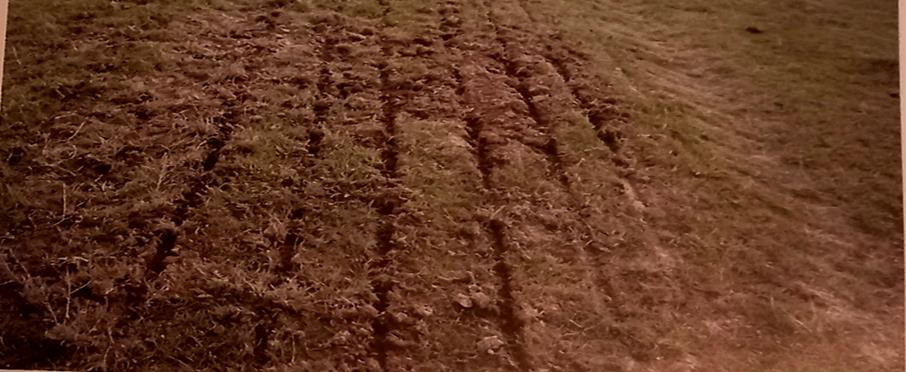
Figure 12: Withdrawals from use leaving without a mouth.
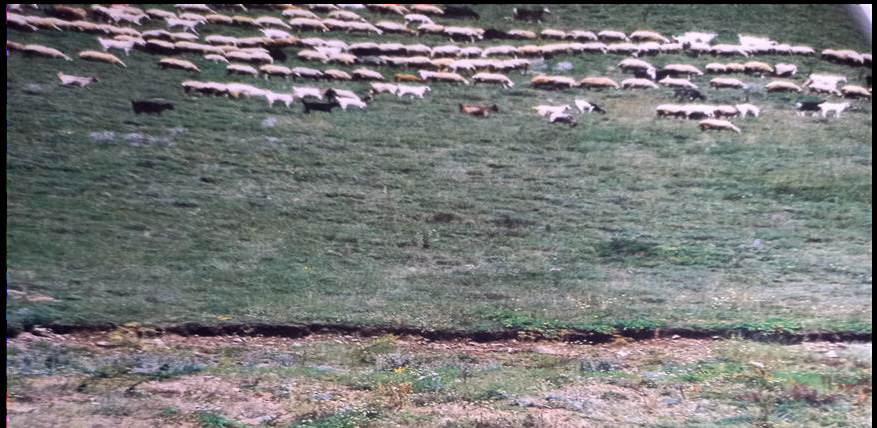
Figure 13: Soil surface softening.
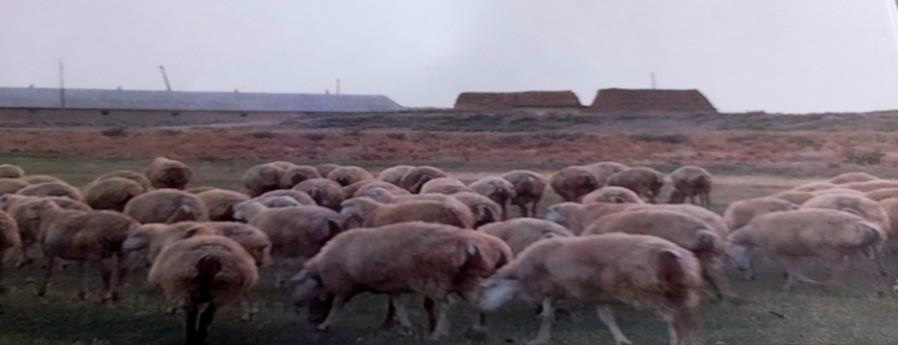
Figure 14: Soil surface softening.
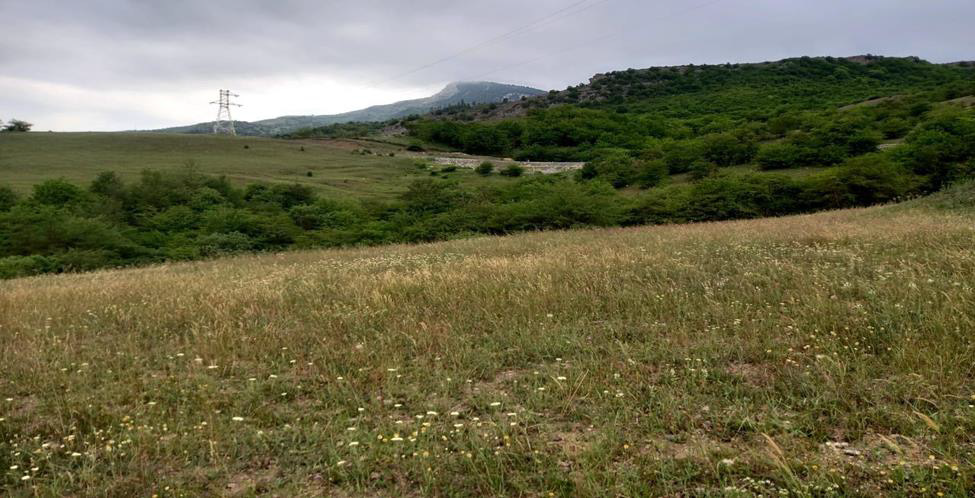
Figure 15: Landscaped pastures.
Suggestions
1. On pastures, grazing norms must be observed, taking into account the area, relief, vegetation, and on areas subject to erosion and ravine, grazing must be limited;
2. Carry out surface-capital measures on eroded areas, apply fertilizers taking into account the botanical composition of the grass cover, the physical and chemical properties of the soil; (organic fertilizers on average 20 tons of dry manure per 1 ha every 5 years, and mineral fertilizers on average 1.5-2 q of ammonium salt per 1 ha in 2-3 years, 2-2.5 q of superphosphate, 1-1, 2 quintals of potassium chloride) should be given;
3. It is not allowed to plant any agricultural crops, except for green fodder (harvest), not exceeding 3 percent of the total area of grazing and grazing on pastures, it is not allowed to keep livestock on summer and winter pastures, pastures and camps. must be returned to the destination.
4. To improve efficiency, the grazing rate should be limited to livestock, taking into account productivity, and to reduce the pressure on pastures, create cultivated pastures in irrigated areas with the priority of modern technologies;
5. In order to increase efficiency and improve the management system, a special fund should be created to apply and pay fines for violations of the rules for the use of each hectare of pasture land located in the state land fund, and the funds paid to this fund should be used to restore pastures and improve infrastructure ;
6. When pastures are used for growing grain and melon crops, the persons who allowed sowing in the field are liable and the damage caused is compensated to this person, since they have become unusable;
7. Leasing pasture management, control over their use should be carried out centrally (creation of associations).
For more Articles on: https://biomedres01.blogspot.com/