Monday, December 19, 2022

Kaizen Concept or Methodology to Improve the Performance in the Health Care and Patient Safety Business and its Advantages


Kaizen Concept or Methodology to Improve the Performance in the Health Care and Patient Safety Business and its Advantages

Introduction

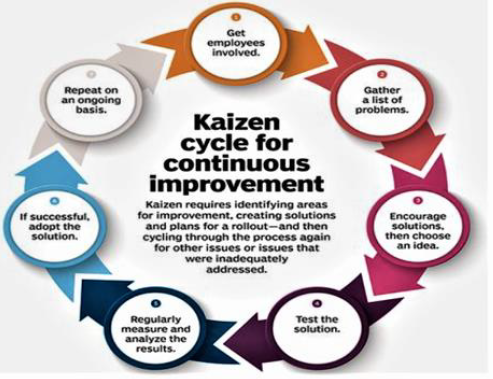
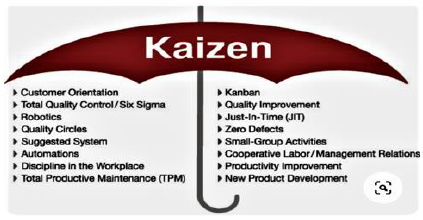
Kaizen is a Japanese term Investopedia [1] meaning “change for the better” or “continuous improvement”. It is a Japanese business philosophy regarding the processes that continuously improve operations and involve all employees. Kaizen sees improvement in productivity as a gradual and methodical process. The concept of kaizen encompasses a wide range of ideas. It involves making the work environment more efficient and effective by creating a team atmosphere, improving everyday procedures, Investopedia [1] ensuring employee engagement, and making a job more fulfilling, less tiring, and safer. Kaizen (改善, かいぜん), the Sino-Japanese word Wikipedia kaizen [2] for “improvement”, is a concept referring to business activities that continuously improve all functions and involve all employees from the CEO to the assembly line workers. Kaizen also applies to processes, such as purchasing and logistics that cross organizational boundaries into the supply chain. It has been Wikipedia kaizen [2] applied in healthcare, psychotherapy, life coaching, government, and banking (Figure 1). A true Japanese development philosophy, Appvizer [3] kaizen is composed of two words, kai 改, and zen 善 which means “change” and “better”. The Kaizen approach consists of 5 founding elements
(1) Teamwork
(2) Personal discipline
(3) Improved morale
(4) Quality circles
(5) Suggestions for improvement. Chi va piano va sano ! (Slowly but surely!) (One step at a time!).
Toyota has been using kaizen to
(1) Optimize: productivity, safety (reduce risks), quality, deadlines, costs, working conditions.
(2) Value collective intelligence and Appvizer [3] DE compartmentalize skills,
(3) Reduce waste (to improve inventory management).
biomedres-openaccess-journal-bjstr

Figure 1: (Jenniffer M [20]).

There are several coping strategies Kosta S, et al. [4] to help health practitioners implement kaizen for the benefit of their organization and employees. Strong managerial support appropriate use of kaizen tools, and a greater sense of team cohesion, among other factors, can influence how effectively hospital teams implement kaizen. To reap the benefits of kaizen hospital managers should promote the exchange of opinions across hierarchy levels, allocate the necessary resources in Kosta S, et al. [4] terms of personnel and infrastructure and show nurses how the technique can help them improve their workplace. There is a need to combine kaizen practices Pamela M, et al. [5] with improvement and innovation practices that help staff and managers to address complex issues, such as the improvement of clinical care processes. The limited focus on sociotechnical aspects and the partial compliance to kaizen templates may indicate a limited understanding of the entire kaizen process and of how it relates to the overall organizational goals. Pamela M, et al. [5] this in turn can hamper the sustainability of kaizen practices and results.
Frontline provider participation in the Kaizen event Kimberly D, et al. [6] uncovered barriers to care and identified the root causes of ineffective communication and system process inefficiencies. Engaging key stakeholders from multiple care areas in a candid context was a novel approach to process improvement within our department. The Kaizen methodology is fundamental to developing sustainable quality improvement practices, creating momentum for a continuous improvement culture to engrain quality improvement in practice. Kimberly D, et al. [6] The success of Kaizen will shape the format of future ED improvement projects. Lean management and Lean six sigma methodology Ahsan Ali Siddiqui [7] have shown promising results to improve the quality of health care system. Lean six sigma methodology works by reducing 8 wastes including overproduction, inventory, waiting, Motion, Transportation, rework, over processing and non-utilized talent. Lean management is an approach to manage an organization that support the concept of continuous improvement. The 5 principles of lean model include value, value stream, flow, pull and perfection. Lean methodology Ahsan Ali Siddiqui [7] relies on three simple ideas such as deliver value, Eliminate waste and continuous improvement.

Methods

The Author of this article has chosen literature review methodology of random research articles and websites about “Kaizen concept or methodology to improve the performance in the health care and patient safety business and its advantages”. In total 25 – 35 PubMed articles and other Kaizen websites are searched and referenced to read and learn Kaizen methodology and its benefits. Kaizen, Methodology, Kaizen principles, kaizen tool, Quality Kaizen words are used to search on internet to find the articles about KAIZEN analysis tool.
The Four Main Kaizen Principles are Kaizen websites [8]
(1) Visualize: tools that will help you visualize how your change process will look like. It can be used as a simple brainstorming tool or an elaborate storyboarding system.
(2) Measure: Being consistent is key to making improvements. It’s important to measure your progress and assess your progress every few weeks. Your efforts will be more effective if you stay consistent with your goals.
(3) Improve: The principles of kaizen are split into four categories: process, product, people, and environment.
(4) Repeat: Repeat the process.
Consistently making improvements is the key to (Kaizen websites, 2021) success. There are 5 Fundamental KAIZEN Principles KAIZEN INSTITUTE [9] that are embedded in every KAIZEN tool and in every KAIZEN behavior. The 5 principles are: (1) Know your customer,
(2) Let it Flow,
(3) Go to Gemba,
(4) Empower People and
(5) Be Transparent.
The implementation of those 5 principles in any organization is fundamentally important for a successful Continuous Improvement culture and to mark a turning KAIZEN INSTITUTE [9] point in the progression of quality, productivity, and labor-management relations (Figure 2). Seven benefits of Kaizen methodology (A lean journey, 2021) include
(1) Kaizen simplifies the job,
(2) Kaizen changes things up.
(3) Kaizen keeps things from being a total pain in your rear,
(4) Kaizen improves job safety records.
(5) Kaizen improves everyone’s productivity,
(6) Kaizen improves the quality of your products and
(7) Kaizen saves (A lean journey, 2021) your money and it saves you valuable time.
The following are some of the most Tony ferraro [10] significant benefits that you will see using Kaizen in your facility.
(1) Improved Productivity,
(2) Safer Facility,
(3) Improves Quality,
(4) Cost Reduction,
(5) Improved Communication,
(6) Employee Morale high,
(7) Higher Customer Satisfaction.
(8) Ongoing Kaizen Benefits: The initial benefits that are implemented will lead to further improvement opportunities down the road.
biomedres-openaccess-journal-bjstr

Figure 2: (Ricardo singh [3]).

When done properly, Kaizen just keeps going through the cycle of identifying improvement opportunities, Tony ferraro [10] coming up with solutions to those opportunities, implementing the solutions and finally testing them 18 of the articles including the quality management Ahsan Ali Siddiqui [11] websites agrees on the use of 5S and 7 Muda methodology. Different organization around the globe are using 5S and 7 Muda methodology to get benefits for improvement of their health care system. The step-bystep process of 5S and 7 Muda methodology is smart way to start, Ahsan Ali Siddiqui [11] monitor, finish and follow up the broken health system in several countries. Over the past 4 years the Kaizen Program Gregory H J, et al. [12] at Vanderbilt has been widely and frequently used within the ED. It has resulted in over 400 changes in our adult ED system and has met the challenge of using CQI to drive ED improvements. There are limitations to this study, including the fact that its impact on patient outcomes remains unknown. However, this Kaizen Program may be an excellent tool for other departments to assist with Gregory H J, et al. [12] quality improvement and should be studied with a multicenter prospective approach (Tables 1 & 2).
biomedres-openaccess-journal-bjstr

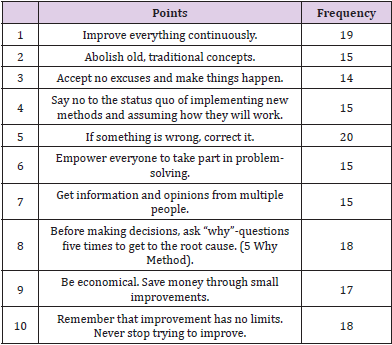
Table 1: 22 websites & journal articles discusses about 10 principles of kaizen and agrees to the following 10 points: (Kanbanchi.com [23]).
biomedres-openaccess-journal-bjstr

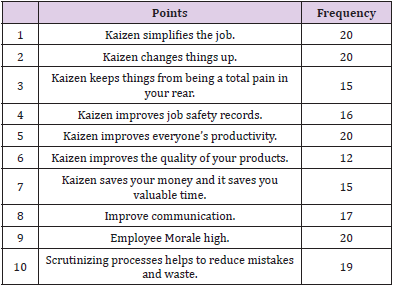
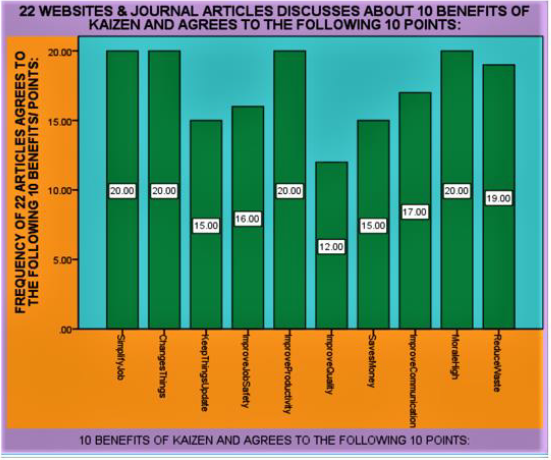
Table 2: 22 websites & journal articles discusses about 10 benefits of kaizen and agrees to the following 10 points.

Measure and Statistical Analysis

Results

There are two tables such as
1. Articles discussing about 10 principles of KAIZEN and agrees to the 10 points.
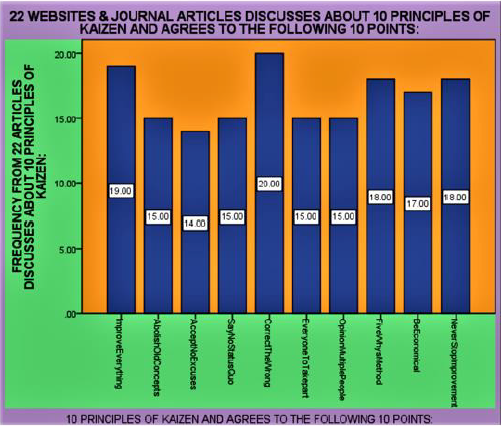
2. Articles discussing about 10 benefits of KAIZEN and agrees to the 10 points. There are 2 SPSS Diagrams shows the frequency of the 10 each points representing the 10 principles of Kaizen, 10 benefits of Kaizen. The theme is to discuss the way to implement the KAIZEN tool in the organization and to show the 10 major benefits of KAIZEN analysis tool (Diagrams 1 & 2).
biomedres-openaccess-journal-bjstr

Diagram 1: SPSS Diagram regarding showing frequency of 10 principles of kaizen and agrees to the following 10 points.
biomedres-openaccess-journal-bjstr

Diagram 2: SPSS Diagram regarding showing frequency of 10 Benefits of KAIZEN and agrees to the following 10 points.

Understanding cultural logics Susanna M, et al. [13] provides the clues for problem recognition at the collective level. But these logics moreover provide the tools for solving the problems. Like in the Kaizen approach, an intervention that takes cultural logics into account needs to be process and people oriented. Kaizen methodology includes making changes and monitoring results, Susanna M, et al. [13] then adjusting. Through continuous and incremental improvement, in dialogue with communities, the mycelium can slowly be reshaped and better mushrooms can grow (Figure 3). Lean’s Value stream mapping- VSM tool is Neha V, et al. [14] amended to energy VSM so that the value-added and nonvalue- added approach can be used to determine the energy use and waste. In order to identify the maximum rejection or rework at a workstation, an entropy based mathematical model is developed and a Lean-Energy-Six Sigma Value Stream Mapping (LESSVSM) is presented. The model can be used in manufacturing at product level where temperature and energy can be measured from input to output. The proposed LESSVSM model will help to industry to Neha V, et al. [14] become more sustainable as it can minimize energy and waste in the case of rework and rejection.In order to succeed with Lean healthcare, it is Erik D, et al. [15] important to understand and recognize the differences in job characteristics between Lean manufacturing and healthcare.

biomedres-openaccess-journal-bjstr

Figure 3: THE 5W AND 1 H OF KAIZEN: (Kanbanchi.com [23]).

This paper provides insights into how Lean implementation changes the roles, responsibilities, and job characteristics of healthcare staff and the challenges and implications that may follow from this. Teamwork, value flow orientation, and companywide involvement in CI were associated with positive effects on the organizations’ Erik D, et al. [15] working environment, staff development, and organizational performance.

Discussion

The Kaizen–Kata methodology Manuel FB, et al. [16] contributed significantly to improving issues involving delays, customer complaints, process reworks and extra-cost, among other effects of operational problems. Six specific drivers were identified when applying the Kaizen–Kata methodology. Furthermore, the impact on the levels of implementation of the Kaizen–Kata Manuel FB, et al. [16] methodology in each of the improvement teams studied was also identified. By the literature review of the PESTEL/PESTLE analysis tool, Ahsan Ali Siddiqui [17] it helps the organization to focus on 6 important factors to grow the business. 6 important factors include political focus on health care, economic challenges, social factors, technological factors, legal factors, and the environmental factors. The government policies, Inflation and unemployment, demographics (age, gender, race, family size), new ways of producing and, Ahsan Ali Siddiqui [17] distributing goods, carbon footprint targets and health and safety rules are very important. The study holds value in its clarification of Hisahiro I, et al. [18] meaningful ways to disseminate and encourage the sustainability of the 5S-KAIZEN-TQM approach in Egyptian public health facilities. Moreover, officials from the Ministry of Health and Population and hospital managers in Egypt can use the findings to plan and disseminate this approach nationwide. It also seeks to encourage effective and efficient Hisahiro I, et al. [18] of the 5S-KAIZEN-TQM approach into the health sectors of low- and middle-income countries.
The main target of kaizen in the area of Masaharu Kumashiro [19] occupational health and safety in Japanese manufacturing is the improvement of inadequate working posture followed by the improvement of work for transporting and lifting heavy objects. Unfortunately, the kaizen activities undertaken by most Japanese companies are still focused on improving productivity and quality. The know-how for promoting kaizen activities that integrate the three Masaharu Kumashiro [19-24] aspects of IE, occupational health, and ergonomics is not being accumulated, however.

Conclusion

To sum up, during the current recession economy around the globe it is wise to choose the quality tools such as KAIZEN for the growth of organizations. Toyota motors, BMW Germany, Ford motors USA, other companies are using the KAIZEN tool to organize their organization, reduce the waste and increase the profits. Author has discussed in the article the principles of KAIZEN to implement in organization, and the major benefits of KAIZEN. Developing economies and under developed countries and their economic ministries should implement quality tools such as KAIZEN tools to reduce the waste and increase the profits of the organization.


For more Articles on: https://biomedres01.blogspot.com/

Friday, December 16, 2022

Combined Mobile Unit for Supercritical CO2-Extraction of Bio-Active Components


Combined Mobile Unit for Supercritical CO2-Extraction of Bio-Active Components

Introduction

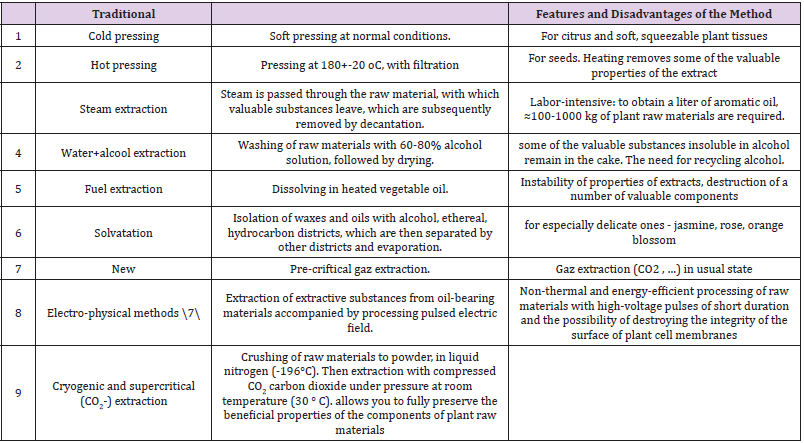
General information on methods for extracting active ingredients. The isolation and extraction of juices and oils have been known since pre-historic epoque. A large number of scientific and patent-commercial literature is devoted to extraction methods [1-21]. Simplistically, they are divided into traditional and new (advanced, innovative, etc, (Table 1) [1-8].

biomedres-openaccess-journal-bjstr

Table 1: Methods for the isolation of valuable components from plant materials.

Let’s Take a Quick Look at the Same Existing Methods

Cold pressing can be considered one of the oldest and most proven methods. It was used in ancient civilizations. And since then, only the materials of the auxiliary parts have changed (plastic and chrome-plated instead of wooden). It is very effective for easily squeezed plant products.
Hot pressing remains an applied method in the food industry. Water-steam extraction is still considered the simplest and most effective method. According to Kasyanov [2], “distillation of volatile components with (100°C) allows to extract substances with low boiling point (150–250°C) from plant raw materials. The advantages of the steam distillation method include the availability of its implementation even in field conditions and the low cost of producing essential oils. But at a high temperature of distillation of volatile substances, denaturation and modification of a number of valuable components occurs. In addition, some essential oils require refining due to the presence of decomposition products.” The variant of method is a vacuum-distillation, which is more progressive than conventional atmospheric distillation, is used for refining crude oils [6,17].
Extraction with oils. It is relevant to this day, which is confirmed by the emergence of new patents on this topic [3]. The extraction method for extracting oils can be used in pure form (for soybean raw materials), but more often - in combination with prepressing (for high-oilseeds). Direct extraction of high-oil crops is difficult due to the high caking of such materials after grinding. When combining the extraction method with pre-pressing, at the first stage, up to 80–85% of the oil is extracted, which facilitates the second stage - extraction. The final products of the extraction are oil and fat-free material - meal [2-6].
Extraction with solvents depends on their polarity. As is known [2], according to polarity, solvents are subdivided into low polarity, medium and high polarity. And almost all vegetable oils dissolve well in non-polar solvents (hexane, gasoline, benzene, dichloroethane, etc.). Polar solvents (methanol, ethanol, isopropanol) are mixed with oils in limited quantities at room temperature; when heated, the solubility of oils in them increases [2]. In the practice of extraction of vegetable oils, the most widespread are aliphatic hydrocarbons -extraction gasolines etc. [2]. When using hydrophilic solvents (acetone, glycerin, ethanol), extracts are obtained that are soluble in water, but contain a significant amount of dyes and other undesirable substances. Hydrophobic solvents (hexane, dichloroethane, СCl4) extract fat-like substances better, but not carbohydrates, resins, gums [2]. When extracting with solvents, the method of drying. New effective methods - micro-wave or vacuum drying, allow maximum preservation of useful substances. These drying methods are used in the production of dietary supplements and fine synthesis products [2]. The disadvantages of solvent extraction are obvious and unavoidable: fire hazard, ecotoxicity (of most solvents), loss of quality of extracts when distilling off the solvent [1,2]. The main disadvantage is that solvent does not always ensure a sufficiently complete extraction of aromatic and flavoring substances from raw materials [2].
Pre-critical extraction. The disadvantages of solvent extraction are eliminated when extracting from plant raw materials with liquefied gases - butane, propane, liquid carbon dioxide, freons, etc. [1-5]. This explains the popularity of pre-critical gas extraction methods. A new method of extracting oils from oilseeds can be used in pure form (for soybean raw materials), but more often - in combination with prepressing (for high-oilseeds). Direct extraction of high-oil crops is difficult due to the high caking of such materials after grinding. When combining the extraction method with prepressing, at the first stage, 80–85% of the oil is extracted, which facilitates the second stage - extraction. The final products of the extraction are oil and fat-free material meal [1,2].
Processing by a pulsed electric field, have next advantages - nonthermal and energy-efficient processing of raw materials by short high-voltage pulses and the possibility of destruction the integrity of the surface of the membranes of plant cells [7]. But this method has not yet found widespread use in the processing of oilseeds, due to insufficient the studied mechanisms of mass transfer, energy calculations and electrical parameters of the processed medium.

Supercritical Extraction Method (SCE)

Super-critical extraction as a method has developed in the last 20 years, replacing traditional methods [1-8]. Supercritical technologies are a promising alternative to many existing technological processes, the functioning of which requires the creation of new equipment and corresponding tooling operating under high pressure [1,2]. In turn, supercritical extraction, with its intensive development, came to replace many traditional methods, displacing them [1-8]. SCFE is based on the property of a gas under the influence of pressure and temperature to pass into a fluid phase, which has the ability to permeate gas and the solubility of an inherent liquid. The development of supercritical fluid (SCF) technologies dates back to the early 80s of the last century and today is characterized by increasing interest. Analysis of literature data shows that over the past 20 years SCF-technologies have passed the stage from laboratory research to large-scale industrial production. At the same time, both technical problems and environmental problems of the modern world are being successfully solved [2].
Cryogenic crushing\supercritical extraction - has made it possible to obtain extracts, the main characteristics of which are purity, absence of solvents and preservation of the active principles of herbal plants. Which has become an unconditional qualitative superiority over traditional extraction processes [1]. The SCE takes place at the critical point (achieved with a special combination of temperature and pressure) when a homogeneous phase is formed with the properties of a liquid and a gas simultaneously [1-8]. Due to its low viscosity (gas-like), supercritical fluid is able to extract well any components with high efficiency. The method of extracting valuable components from raw materials with liquid CO2 in a subcritical state (critical point P = 7.4 MPa, t = 31.1°C), the main advantage is eco-purity, selectivity, absence of residual solvent, fireand explosion safety, chemical inertness (without catalyst), high diffusion, low viscosity and surface tension. And also - the general availability and low cost of carbon dioxide itself.
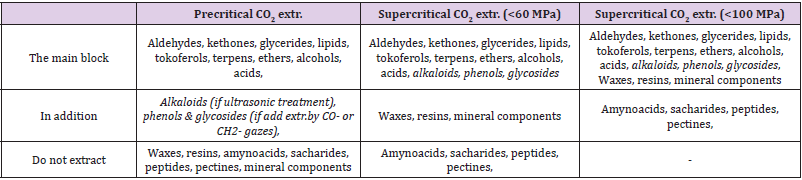
An important advantage is the possibility of one-stage production of the most valuable components that cannot be extracted by other methods - or are extracted costly and in multiple stages (for example, during hydrodistillation [8]). SCE let extract a valuable components, that are contained in small quantities (1- 3% of dry mass) which is very difficult separates from the natural matrix. Such raw materials primarily include spicy\aromatic, essential oil, waxes, aminacids, proteins and medical compounds [1-10]. This new method is in the stage of formation. Today, the advantages are so far compensated by the immobility of most production facilities. So, the equipment here is rather bulky and expensive - but you need a mobile one (for moving to the place of growing raw materials). There are problems in logistics - since in countries with a rich resource base there is no infrastructure, but there are long distances [1,2,8]. A lot of dissertations, patents and monographic works [4,8,13-15,21] are devoted to the solution of these problems. A good comparison of pre- and supercritical extraction methods is seen from Table 2.
It can be seen from it that it is the SCE method that makes it possible to extract the most difficult to access valuable components. Moreover, its efficiency increases with increasing pressure (Table 2). The properties of supercritical CO2 as a solvent can be controlled - with an increase in pressure and temperature, its dissolving capacity increases sharply [2-4]. For CO2, these parameters are - critical point P = 7.4 MPa and T = 31.1°C [2-4]. In the technical aspect, SCFE installations are significantly more expensive due to the technical complexity of the design and manufacture of the necessary elements and equipment assemblies. CO2 in a fluid state [1-10] has a number of advantages, such as: eco-purity, selectivity, absence of residual solvent; fire and explosion safety; chemical inertness (without catalyst); high diffusion, low viscosity and surface tension; general availability and low cost. An important advantage is the possibility of one-stage production of the most valuable components that cannot be extracted by other methods - or are extracted costly or in multi-stage [8-10]. Unfortunately, these advantages are compensated for by the lack of mobility of most of the plants produced, which requires new engineering solutions and investments [1-2].

biomedres-openaccess-journal-bjstr

Table 2: Possibility of CO2-extraction in various methods [1,2].

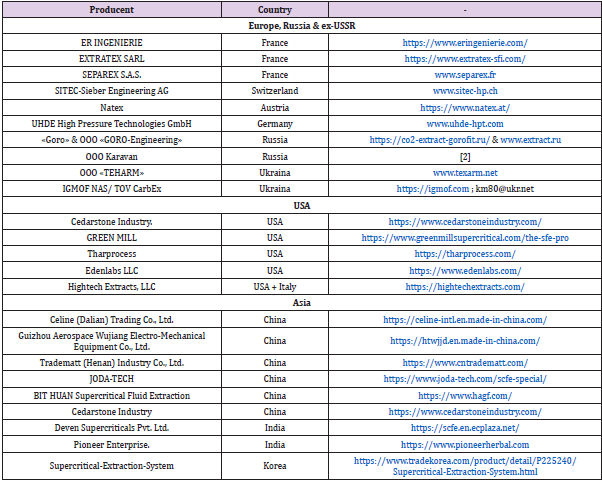
The widespread use of mobile extraction plants is limited by technical problems and the corresponding high cost. CO2- extracts are obtained on universal extraction modules, which are hermetically sealed metal cylinders interconnected by technological pipelines equipped with shut-off and control valves and pressure gauges. New technical solutions and additional capabilities formed the basis of the extraction equipment manufactured by world market leaders (Table 3). Noteworthy is the concentration of SCFE manufacturing companies in Europe, North America, Asia and the Middle East. The Asian market is developing dynamically thanks to the manufacturing companies of China, South Korea and India. using a modular approach thanks, among other things, to a huge resource base. The main focus in India is on the use of SCFE in the production of food ingredients. China has a priority in phytopharmaceuticals. The main manufacturers of CO2 equipment in Russia are cited in south regions (Krasnodar, Rostov) [7,9,13].

biomedres-openaccess-journal-bjstr

Table 3: Major global manufacturers of supercritical equipment.

The geography of location of manufacturing companies covers all continents, which are concentrated mainly in industrialized countries. It should be noted that there is a tendency for the commissioning of SCFE plants for plant raw materials with a processing capacity of 2000t / year in the Polish segment [8,16] of this high-tech market. Modern SCF extractors have a constant trend of improvement and modernization. Laboratoric extractors is also in great demand, (as example HPEP, NOVA-Swiss, Effretikon, Switzerland), but its use is limited only to research use. With regard to mobile solutions for SCFE plants, two “good mentions” are known. The successfully implemented project of a pilot mobile supercritical extraction plant SuperEx - by group from New Zealand [19] installed a pilot extraction system in a standard sea container. Which opens up prospects for expanding the SCFE equipment line for operation in non-stationary conditions, including directly in the zones of raw material growth. The another example is authomobile\ biodiesel extractor from Sh.Yamada [20].

Our Combined Model of Scf-Extractor

Our group has experience in the creation and service of machines,devices and equipment for various fields (Industrial/ geological [22],field equipment [23],prosthetics [24-,25]. Our CO2 extraction unit includes the following interacting systems: a) Mechanical, which provides the process of CO2-fluid circulation, control and monitoring mechanisms in the system, b) Thermal, which ensures the transition of CO2 from the gaseous to the liquid phase and vice versa, c) Electronic, which provides settings for control and monitoring of technological parameters of the extraction process, d) Electrical, ensuring the operability of the compressor, refrigeration equipment and heating elements. Thus, an urgent task is the development of mobile equipment for deep processing. Which implies the creation and application of technologies that allow the wasteless use of all components of valuable raw materials to obtain environmentally friendly products with high added value.

Main Technical Characteristics of “CarbEx 40-i \ 500”

a) Extractor: 0.5 l, 1 l, 2 l, 5 l / 50 MPa, 10 l, 24 l / 40 MPa, 40 l / 320 MPa, for the extraction of both solid and liquid materials. He is equipped with a jacket for circulation heating with temperature control.
b) Separator: 0.3-24 l / 30 MPa, 40 l / 16-22 MPa, equipped with a jacket for circulation heating with temperature control.
c) High pressure pump: 20 / 40L MPa (double plunger); 50l / 50 MPa (two-plunger with frequency regulation); 400l / 40 MPa, three-plunger with frequency regulation.
d) Cooling system: equipped with a compressor.
e) Heat exchange and temperature control system: In accordance with the technological requirements, it is supplied with an extractor and a separator. Provides temperature control up to 80 0C. A digital display is used to monitor the fluid. Temperature control accuracy ± 0.1 0C.
f) Pressure control (safety system): Equipped with an electrical contact pressure sensor at the outlet of the high pressure pump. Also, he equipped with a pressure relief valves of the high pressure pump (extractor, separator), in accordance with their maximum working pressure to automatically release pressure in case of excess. The extractor is equipped with a system of back pressure valves at the outlet, which control a stable pressure and ensure its accurate adjustment. The accuracy of pressure control in the flow is ±0.1 MPa.
g) Flow indicator: Metal rotary flow meter with remote digital display to monitor instantaneous flow and operating time.
h) Piping: All tanks, taps, fittings and pipelines in contact with the CO2-fluid are made of stainless steel.
The universal equipment is designed for the extraction of complete and fractional fluid supercritical CO2 extracts from solid and liquid matrices of biological origin (roots, flowers, seeds, leaves, etc.). Scopes of equipment are: pharmaceuticals, food industry, cosmetics and chemical industries.
A number of original technical solutions have been introduced into the experimental mobile installation, which provide fast molecular purification of the extraction system when switching to another type of raw material within a short preparatory period:
 Flexible technological solutions have been applied: 1 extractor - 4 accumulators, 2 extractors - 3 accumulators, 3 extractors - 2 accumulators, 4 extractors - 1 accumulator (readjustment for the processing of raw materials 10-40 dm3);
 Adjustable position of extractors and storage extractors: vertical (for solid matrices), horizontal (for liquid matrices);
 The original lifting mechanism with a swivel boom for the “reductor gear-shutter-glass” system;
 The original design of the reducer of the upper gate of the highpressure reactor for accelerated unloading and loading of raw materials;
 Automated control and monitoring system;
 Modularity of installation. Possibility of connecting additional high-pressure reactors, co-solvent blocks, rectification columns;
 Possibility of uninterrupted (round-the-clock) work in the cycle “work - stop - work”. Modernization of equipment by processing raw materials in special containers. Retrofitting of equipment for obtaining various extracts during the transition from one raw material to another.
 The original tangential introduction of the extraction flow into the cyclone-cup of the accumulator, provides a solution to various technological processes: micronization, microencapsulation, microgranulation, impregnation, sterilization, molecular purification of products for various purposes, etc.;
 Original attachment mechanism “cup - shutter” to optimize operations for loading and unloading raw materials and unloading the product;
A number of new original technical solutions have been introduced into the design of the mobile supercritical fluid CO2 extraction unit - in particular, the design of the throttle valve, mounted in an assembly with a storage device. With the help of a mechanism that opens the shut-off needle of the valve, the fluid extract of the raw material is supplied from the extractor with a pressure variation P≥40 MPa (400 atm.) in the accumulator up to 10MPa. As a result of the extraction, the temperature, pressure and flow CO2-rate in the extractor and storage tank are monitored on the basis of preliminary experiments. Thus, the optimal dimensions of the flow cross-sections of the valve and high-pressure pipelines are selected, for the predicted technological cycle of the extraction process of the feedstock. The valve design is a rather complex system for moving the shut-off needle from the high-pressure chamber (extractor) to the low-pressure chamber (accumulator).
The design also includes a safety mechanism that has the ability to block the failure of the stem and shut-off needle in case of exceeding the working pressure (when the operating characteristics in the system are exceeded). In the event of a change in the volume of the extractor and storage device during the technological processes of processing the feedstock, the design of the valve changes in dimensions and flow sections, based on the barometric indicators of the processing process. The design of the valve allows the use of shut-off needles with various shapes: conical, parabolic, etc. The proposed technical solutions will be reflected in detail in the corresponding patent documents. Economically, SCFE technologies are justified in the case of processing high-value raw materials with a high content of biologically active substances (biologically active substances), especially plants, which are the halo of growth, which is a given territory. In our scientific arsenal there are developments in processing technologies: seeds of flax, thyme, amaranth, millet, rose hips, and a method for obtaining extracts from plant raw materials has been worked out [21].
The extraction process is determined by the following main indicators:
extraction time, temperature and pressure in the extractor, temperature and pressure in two separators, gas phase flow rate. Development of optimal technological modes of fluid extraction of raw materials is carried out according to such indicators: pressure, temperature, cycle time, rational product yield, flow rate, modulation of CO2 flow and pressure, optimal humidity, etc.

Main Technical Characteristics

a) Maximum working pressure - 500 kg / cm2;
b) Maximum operating temperature – 800С;
c) The maximum number of fractions - 4;
d) Extractor volume - 10 dm3;
e) Storage volume - 10 dm3;
f) Volume of the storage extractor - 10 dm3;
g) The volume of the filter-drier - 10 dm3;
h) The volume of the extraction cup - 8 dm3;
i) The volume of the storage cup - 7 dm3;
j) The volume of the filter drier cup - 8 dm3;
k) Installed electric power - 10 kVA
Distinctive features and advantages of the equipment developed at TOV KarbEx in the Institute of Geochemistry and Mineralogy of the National Academy of Sciences of Ukraine, over similar similar equipment of foreign production are:
1) Possibility of readjustment of equipment for another type of raw material, depending on market requirements, within a short time (1-2 hours), additional installation of a parallel circulation arm, which ensures uninterrupted operation of the system.
2) Original design of an automated CarbEx control system, which allows smoothly regulating the CO2 consumption, which contributes to a change in the density of the fluid. It let to obtain extracts of various composition and quality, as well as, depending on the type of raw material, and accordingly program the extraction control process. 3) The SCFE process with CO2 solvent requires small production areas (25 to 50m2).
4) Low power consumption of equipment - from 2 to 15 kW. Thus, the developed SCF-extraction unit fully complies with the main criteria of environmental friendliness, efficiency, safety for processing plant raw materials in accordance with the standards for natural food ingredients in its mobile version. The presented installation expands this class of equipment and allows you to extract numerous types of plant raw materials and to compete with known analogues. In our arsenal there are the possibilities for the production of SCF equipment and optimization of the technological cycle for extracting various types of modes of SCF technology for the qualitative and quantitative composition of extracts.

Samples of Extracts

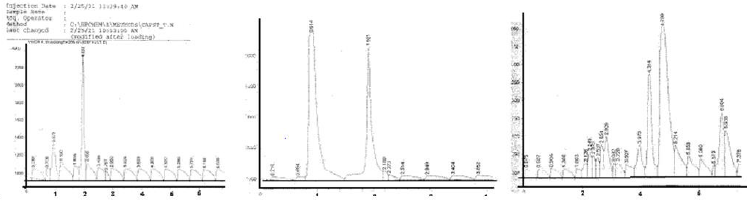
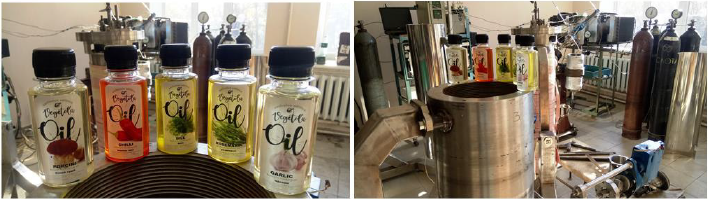
With the help of the declared equipment, we have obtained a number of fatty and aqueous solutions of bio-extracts. (Figures 1-3) shows that their chromatograms have 2-6 characteristic peaks corresponding to the yield of the basic components of the extract. The most successful versions of ekstraction products are designed in the form of commercial series (Figure 4).

biomedres-openaccess-journal-bjstr

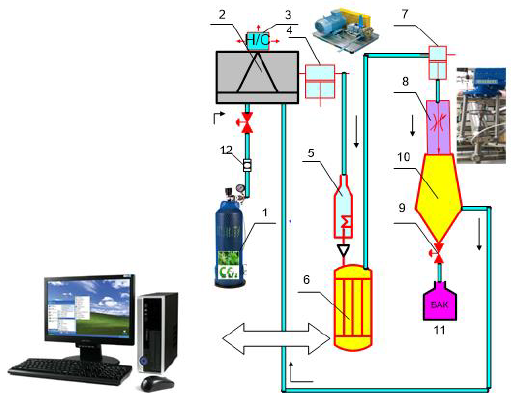
Figure 1: Schematic diagram of a laboratory fluid CO2-extractor:
1. CO2 ballon-cylinder; 2. Refrigeration equipment; 3. Heat exchanger; 4. High-density compressor; 5. Heater; 6. Extractor; 7. Throttling valve; 8. Flow-changer in throttling valve when the high-density is dropped; 9. Shut-off valves; 10. Separator; 11. Container for receiving the extract; 12. Filter.

biomedres-openaccess-journal-bjstr

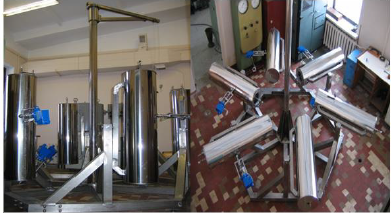
Figure 2: Industrial SCFE CO2 extractor “CarbEx 40-i \ 500” (a - side view; b - top view).

biomedres-openaccess-journal-bjstr

Figure 3: Chromatogramms (left to right) of wax, sea buckthorn and grape seed extracts.

biomedres-openaccess-journal-bjstr

Figure 4: Templates of our obtained bio-extracts.

Conclusion

a) Manufacturers of equipment for SCF CO2 extraction are highly technically developed countries with huge industrial potential and engineering infrastructure, which have their own companies with a closed production cycle.
b) The proposed model of the CO2 extraction plant has a number of advantages over the known analogs and creates competitive opportunities for prospective use as an alternative mobile equipment in world markets.


For more Articles on: https://biomedres01.blogspot.com/
Thursday, December 15, 2022

Prevalence of Gastrointestinal Parasites in Buffalo and Cow Calves in Rural Areas of Rawalpindi, Pakistan


Prevalence of Gastrointestinal Parasites in Buffalo and Cow Calves in Rural Areas of Rawalpindi, Pakistan

Introduction

Buffaloes are predominantly used for farm power in the cultivation of rice as well as production of curd [1]. Rearing of cattle in the country is catering for draught power, milk production, and meat production [2]. Animals’ gastrointestinal tracts (GIT) are home to a vast range of parasites, mostly helminthes, which cause clinical and subclinical parasitism [3]. These parasites have a negative impact on animal health and result in significant financial losses for the cattle sector [4]. Parasitic diseases caused by intestinal parasites constitute a major impediment to livestock production [5]. All ages of cattle are affected by a diverse set of intestinal parasites. These infections are rarely associated with high mortality of cattle [6]. However, their effects are usually characterized by lower outputs of animal products, byproducts, manure, and traction, thereby affecting the contributions of cattle in ensuring food security, especially in developing countries [7]. Helminthiosis is a well-recognized problem in free-ranging animals [8].
One or more helminthes parasites are usually infected cattle, buffalos, sheep and goats [9]. The differences in the distribution of parasitic intensity depends upon the topographic, pasturing, immunological & nutrition of the host, the intermediate host and number of infective stage or eggs ingested by the animals [10]. In the development of a profitable livestock industry worm infestation is one of the major constraints [11]. In the alimentary tract gastrointestinal helminthiosis syndrome is always caused by a mixture of species of helminthes parasites [12]. Effect of helminthes on the production are well documented all over the world [13]. The reduction in feed intake and anorexia, loss of blood and plasma proteins in gastro-intestinal tract, alterations in protein metabolism, decrease in levels of minerals, enzymes and diarrhea, all contribute to loss in weight gain [14]. Parasitic infection is common in Pakistan [15], costing the cattle business roughly 26.5 million rupees each year [16]. Gastrointestinal parasites in calves cause lower growth and are a persistent hindrance to the development of Pakistan’s livestock economy [17].
Facing water buffalo herding many obstacles of facing the economic side for educators such as by internal parasites in addition to hit the same species that infect cows such as (Eimeriaspp ,Cryptosporidum spp ,Toxocaravitulorum, Fasciola spp and Trichostrongylidae) as cause economic loss and symptoms manifested in poor growth [18], loss of appetite and digestive symptoms [19]. Although no specific number for economic losses is known [15]. It is certain that millions of rupees are wasted owing to lower milk yield, rejection of meat and edible offal’s, devaluation of hides, delayed age of maturity and mortality, especially in calves, and high production costs due to medication usage [20]. Infection with gastrointestinal parasites among the important factors contributing to increased calf mortality [21]. Sub-clinical nematode parasitic infection cause great economic losses and dam milk production [22], because it affects the availability of nutrients, the development of the digestive tract and (the appropriate development of the immunity system against some diseases such as parasitosis [23].
As a result, it is critical to reduce GIT parasites by improved management [24], just as it is in developed nations, and information of the parasite’s prevalence is required [25]. The frequency of GIT parasites and related predisposing factors in buffalo and cow calves in Rawalpindi rural districts are described in this research.

Materials and Methods

Ethical Approval

The research was conducted after approval of Institutional Ethical Committee.

Study Area

The study was conducted in the Rawalpindi region of Punjab’s rural areas (Chakri, Taxila, Kallar Syedan, Kahuta). It is situated in between latitude 33° 37’ 33.8052’’ N and 73° 4’ 17.1912’’ E with an average height of 602 m above mean sea level. Rawalpindi has a subtropical climate. During the study period, Rawalpindi received an annual rainfall of 989 mm. The temperature varied from -6°C to 48.8°C. The relative humidity varied from 18% to 89%.

Study Animals

The study was conducted on n=300 calves (150 each of buffalo and cow) were randomly picked for this purpose. Animals were categorized according to sex, i.e., male and females and age, i.e., animals of 1-6 months and 7-12 months. Age, species, sex, and management information (deworming, feeding method, housing conditions, mortality rate, and diseases problem) were all documented.

Collection of Faecal Samples

Fresh fecal samples of 300 calves (150 each of buffalo and cow) were collected randomly from different localities of Rawalpindi during February 2021 to September 2021. The faecal samples were taken directly from the animals’ rectums in self-sealed sterilized polythene hand gloves and were processed. Floatation technique was used for demonstrating nematode and cestode egg, as well as oocyst of coccidia and sedimentation technique, was used for detecting the trematode eggs. The ova/eggs of parasites were identified from their morphological characters. Eggs/oocysts per gram (EPG/OPG) of infection were determined by modified McMaster technique. The information gathered was evaluated using the chi-square approach and provided in tabular form.

Data Analysis

The data gathered from the study for the prevalence of parasitic infection were analyzed by Chi-square test.

Results

Predisposing Factors

It was discovered that most calves, particularly male buffalo calves, were ignored at the farmer’s level, and that they were feed / fodder that lactating animals refused. The majority of the calves developed pica, which resulted in worm infection. Although most farmers in the study region were aware of deworming, adoption was quite low. Only 35% of the farmers had their calves dewormed. The dosing rate and quality of the dewormed, on the other hand, were both problematic. It was also discovered that the farmers’ animals were not all dewormed at the same time. Calves letting down milk was a widespread behavior in the research region. The teats of the cows / buffaloes were not cleansed prior to being let down, and the calves consumed all of the excrement / dirt that adhered to the teats, which might lead to worm infection. The dewormers are both pricey and useless, according to the farmers’ complaint. It was common practice to use Kamila as a dewormer.

Gastrointestinal Parasite Prevalence in Buffalo and Cow Calves

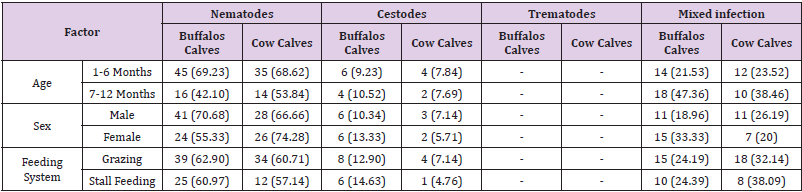
Gastrointestinal parasites were found in 68.67% of buffalo calves (103 out of 150). Overall, nematodes were shown to have the highest prevalence, followed by mixed infection and cestodes. Trematodes were not discovered in any of the calves. Gastrointestinal parasites were observed to affect calves up to 6 months of age more (79.27%) than calves 7-12 months of age (55.88 %) (Table 1). Male buffalo calves were more impacted than female buffalo calves when it came to gastrointestinal parasites. (Table 2) Grazing calves were more likely than stall fed calves to be infected with gastrointestinal parasites. Buffalos and Cow calves (75.61%) and (73.68% ) is maximum as compare to stall feeding of Buffalos and cow calves 60.29 % and 21%, respectively, were discovered infected with nematodes and cestodes (Table 3). In contrast buffalo calves had 62.90% and 12.90% of stall-fed calves tested positive for nematodes and cestodes, respectively (Table 4). Male buffalo calves 70.73% were more impacted than female buffalo calves when it came to gastrointestinal parasites 66.18%. Strongyloides pappillosus, Toxocara vitulorum, Haemonchus contortus, Ostertagia ostertagi, Bunostmum phleboyomum, Oesophagostomum radiatum, Trichstrongylus spp., Nematodirus spp., Cooperia spp., Trichstrongylus spp., Moniezia benedeni and Moniezia expensa, regardless of the frequency of each species.
About 77 cow calves were discovered to have gastrointestinal parasites out of 150. Calves between the ages of 1-6 months had a greater incidence of 67.11%. However, worm infection was discovered in 35.14% of calves aged 7-12 months (Table 1). Male cow calves 55.26% were more impacted than female cow calves when it came to gastrointestinal parasites 47.30% (Table 2). Furthermore, grazing cow calf 73.68% were more affected then stall feeding 28.38% (Table 3). Nematodes had the highest prevalence, followed by mixed infection and cestodes (Table 4).

biomedres-openaccess-journal-bjstr

Table 1: Prevalence of Age wise GIT parasites in buffalo and cow calves.

biomedres-openaccess-journal-bjstr

Table 2: Prevalence of gender wise GIT parasites in buffalo and cow calves.

biomedres-openaccess-journal-bjstr

Table 3: Prevalence of Feeding system wise GIT parasites in buffalo and cow calves.

biomedres-openaccess-journal-bjstr

Table 4: Prevalence of various types of GIT parasites in buffalo and cow calves.

Discussion

In the world many research carried out on infect the buffaloes and cow with parasites because, the buffaloes community is assumption at 185 million, in Asia are 179 million of them [26]. The argument of pathogens is reliant on the number of it and the nourishing status of the infecting buffaloes [27]. A serious parasitized of internal parasites in animals basically leads to loss of production [28]. These animals are considered among the most productive domestic animals in the poor tropical countries and are the major source of quality milk, with unique feed conversion capacity, and they produce milk more cheaply than cattle [29]. Although the parasite does not harm the host to a greater extent to cause a serious problem but in heavily infected and small aged animals the parasite could prove harmful to the host by utilizing the hosts digested food not only resulting in malnutrition but also makes host weak and more susceptible to other diseases by decreasing its immunity [30]. The distribution of gastro-intestinal parasites was 74% [31].
Most common one was protozoa, and then nematode and trematod, and the cestodes were the smallest infection rate among all [32]. In current study the trematodes were not discovered in any of the calves. Grazing calves were more impacted (73.68%) than stall fed calves (28.38%). Further investigation revealed that nematodes, cestodes, and mixed infection of nematodes and cestodes were found in 62.71, 7.14, and 32.14% of grazed cow calves, respectively, whereas nematodes, cestodes, and mixed infection of nematodes and cestodes were found in 60.97%, 14.63%, and 38.09% of stall fed calves, respectively. Strongyloides papillosus, Oesophagostomum radiatum, Bunostomum phlebotomum, and Ostertagi ostertagi were the most common species discovered, regardless of their percent frequency [33]. The greater incidence of endo parasites in this study might be linked to farmers’ carelessness in calf raising and their failure to follow suggested calf management procedures [34].
It was further reinforced, that calves are a neglected class of animals at the farmer’s level [35], and that they are fed lowquality food that nursing animals avoid [36]. The high frequency of parasitism in calves in the field is mostly due to a lack of preventative measures, such as frequent deworming using a quality dewormer at the prescribed dose [37]. The results of this study are consistent with those of [38] and [39], who found that buffalo calves have a greater incidence of gastrointestinal parasites than cow calves. The different in prevalence of gastrointestinal helminthiasis from different parts of world could be due to the physiological status, age, animal spp, climatic conditions [40] and the existing Managemental practices at farm [41]. And the reflection of global climate change that has been experienced over the last several decades, which has altered distributions of organisms worldwide [42]. Also the might be due to the variation in the sampling area and the number of samples studied. The eggs found in this investigation were nearly identical to those found in previous studies [43].
In cow and buffalo calves, they found Haemonchus contortus, Ostertagia ostertagi, Bunostmum phlebotomum, Oesophagostomum radiatum, Trichstrongylus spp. Nematodirus spp. Cooperia spp. Moniezia benedeni, and Moniezia expensa eggs [44]. In buffalo and cow calves, [45] discovered a 64.43 % frequency of gastrointestinal parasites. Oesophagostomum radiatum, Mecistocirrus digitatus, Bunostmum phlebotomum, strongyloides spp., and haemonchus contortus were the most common species found [46], which accord with the conclusions of this study. The disparity in occurrence might be attributable to varying geo-climatic conditions and management strategies in the studied area [47]. However, greater rates in buffalo calves compared to cow calves may be due to variations in the two species’ eating patterns and sanitary surroundings [48]. The greater occurrence of gastro-intestinal parasites in calves up to 6 months of age may be due to the calves’ proclivity to lick other animals, dirt, and manure, among other things [49]. The responders agreed with this reasoning, stating that newborn calves commonly lick the mud, causing worm infection [50]. The technique of letting down milk via a calf is prevalent in the field, but teat cleaning is done after the milk is let down, and all the manure, urine, and other waste that sticks to the dam’s teats is consumed by the calf, resulting in worm infection [26].
The increased incidence of worm infection in buffalo male calves might be related to farmers’ disregard of buffalo male calves’ management and preference for female upbringing, as heifer farming was the prevalent practice in that area [46]. Farmers were engaged in agriculture activities in the study area, and the use of cow bullocks was common [51]. The low prevalence of worm infestation in males could be due to a caring attitude [52]. Control of gastrointestinal parasitic infections in animals requires a comprehensive knowledge of the disease epidemiology and understanding of the pasture management, farm management practices, and agro climatic conditions such as temperature and rainfall [53]. The numbers of parasitic eggs and coccidial oocytes developed inside the host animals vary depending on the parasite species, level of host susceptibility, the health status of the animal, and immunological status [54]. During this study, parasitic stages of five different parasites were detected in the fecal samples. The identified parasitic stages were eggs of hookworms (Bunostomum spp.), whipworms (Trichuris spp.), amphistomes, cestodes (Moniezia spp.), and oocytes of protozoans (coccidians). These observations comply with the past records [54].
The greater worm infection rate in grazed calves compared to stall fed calves might be due to calves taking up worm eggs produced by diseased animals through faeces while grazing. [55] Backed up this argument by pointing out that pasture contamination is only due to eggs lost by adult animals during grazing. However, most of the cattle in non-treated farms were open grazing animals and they were almost never treated for any GI infections [27]. Grazing often encourages entering of different parasitic stages into the digestive tract of cattle through oral ingestion [16]. Fecal egg counts are highly important as an indicator to decide the period that the cattle have to be given deworming treatments [27]. This can also be used after deworming treatments to investigate the effectiveness of a particular anthelmintic [10]. Therefore, unnecessary costs of veterinary services and drugs can be reduced [2]. When using fecal egg counts, there are some limitations to determining the significance of the prevalence of flukes [4].
The number of parasitic eggs per gram of feces is influenced by the fecal consistency, total amount of feces produced, and time of the day feces were collected [11]. When the feces are dried, the parasitic eggs within the feces will be more concentrated [39]. The severity of gastrointestinal parasitic infections can be due to the vulnerability of animals to internal parasites and the poor immunity [20]. The prevalence rate and clinical diseases may vary, based on different environmental factors in different areas. The high prevalence of gastrointestinal nematodes and coccidian oocytes has been reported in tropical regions including Sri Lanka, with prevalence rates ranging from 20 to 96% [27]. Adult animals are mostly immune, however calves became infected due to a rise in the quantity of infectious larvae [31]. The presence of dams and their calves on the pasture is likely to cause pasture contamination, which is hazardous to the calves [14].

Conclusion

At the farmer level, the increased frequency of worm infection in cow and buffalo calves is mostly owing to the failure to follow recommended calf management procedures. Prophylactic procedures including deworming, hygiene measures, and food control can help to alleviate the condition. Future studies are required to evaluate the economic impact of GI parasites in the study area.


For more Articles on: https://biomedres01.blogspot.com/
Liver Fatty Acids Profile of Rats Fed Ketogenic Diet

  Liver Fatty Acids Profile of Rats Fed Ketogenic Diet Introduction The ketogenic diet (KD) ‒ characterized by a low carbohydrate content an...