Chemistry of Gliotoxins and their Derivatives
Introduction
Research on gliotoxins at CSIR started in the 1960s when the gliotoxins were produced as standards and making it available to the agricultural and pharmaceutical sectors. Research has also been done on the behaviour and chemistry of gliotoxins, and on methods of how to deactivate them and combine them with fertilizer to enhance crop production. Gliotoxin is effective in the inhibition of several phytopathogenic fungi such as Rhizoctonia solani, Botrytis cinerea, Colletotrichum spp., Pythium ultimum, Fusarium spp. and other fungal species. Some of the other benefits of deactivated gliotoxins are that they can be used as antibiotics. Gliotoxin research is ongoing and could contribute to improved food security by enhancing food crop production by preventing plant diseases.
Experimental Methods
Growth conditions were optimised for growing the gliotoxin using isolates of Aspergillus Fumigatus culture from ATCC stored at -70°C using a bead cryopreservation system. The three A. fumigatus isolates were grown on Sabouraud glucose agar (SAB) plates for 2 days at 37 °C and the conidia were then extracted with sterile 0·5% Tween 20 and adjusted to a concentration of 107 conidia ml−1 in distilled water based on haemocytometer counts. One millilitre volume of this conidial suspension was used to inoculate 100 ml of liquid medium, Czapek-Dox broth (CDB; 30 g carbohydrate (glucose, lactose, maltose or sucrose), 3 g Na2NO3, 0·5 g MgSO4·7H2O, 0·5 g KCl, 0·01 g FSO4 in 1 l distilled water), in 250 ml flasks. The cultures were incubated at 37 °C in a shaking incubator at 1400 rpm for 2, 4, 6 or 10 days the broth was filtered and separately the broth and supernatant were extracted using chloroform and chloroform/ methanol 1:1 v;v respectively. Various experimental derivatives were obtained from gliotoxin. Reactions were monitored on Merck F254 silica gel plates and chromatography for both gliotoxin and derivatives purified using Merck 230-400 mesh silica gel. Solvents used in reactions were anhydrous solvents obtained from Merck chemical company as starting which were later screened for various therapeutic areas [1-3].
Results
Toxicity Data
All derivatives and their by-products are given orally to rats and did not show any evident sign of toxicity at the test concentrations of 3000-2000mg/kg except for gliotoxin which was toxic. 1H NMR spectrum (DMSO-d6, 400 MHz): 3.44 (1H, dd, J = 4.8, H-3a), 4.28 (1H, dd, J = 9.9, H-3a), 4.39 (1H, dd, J = 6.8, H-5), 4.842 (1H, m, H-6), 5.78 (1H, d, J = 9.9, H-7), 5.95 (1H, m, H-8), 6.00 (1H, m, H-9), 2.96, 3,73 (1H, d, J = 18.1, H-10), 3.20 (3H, s, H-11). 13C NMR spectrum (DMSO-d 6, 100 MHz): 166.0 (C-1), 77.2 (C-3), 60.5 (C-3), 165.2 (C-4), 69.8 (C-5), 75.6 (C-6), 129.9 (C-7), 123.4 (C-8), 120.2 (C-9), 130.7 (C-19a), 36.6 (C-10), 73.1 (C-10a), 27.5 (C-11). LREI-MS m/z: 349 [M]+ (C21H23N3O2). LREI-MS m/z: 326.38 [M]+ (C13H14N2O4 S2).
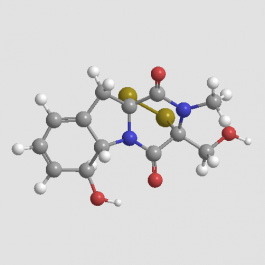
Figure 1.
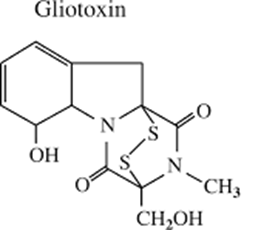
Figure 2.
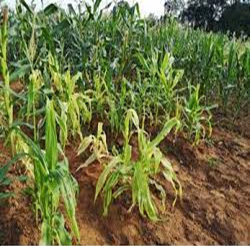
Figure 3: Control land without treatment
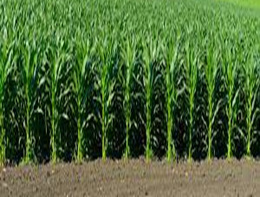
Figure 4: Farmland treated with Activated Gliotoxin
Conclusion
Biological assays were conducted on the gliotoxin derivatives and the by-products in vitro and in vivo potent for anti-viral, antifungal, and antibacterial activities and growth stimulants.



No comments:
Post a Comment
Note: Only a member of this blog may post a comment.