Sunday, October 21, 2018

#Naturopathy Education, Social #CognitiveTheory, and the Precede-Proceed Model by Lisa Marie Portugal in BJSTR

Abstract

Social Cognitive Theory can address appropriate health and wellness change initiatives via the education of groups. Individualized and group action plans can be created and developed to address the overall #health and #wellness needs of families. This model and theory can assist in the education of preventing disease through health promotion and education and from a #naturopathy perspective [1,2]. In addition, this model can assist in the development of health educational programs to understand and explain health behaviors and choices families make. The model can guide useful strategies and educational tools with in-person or online instructional modules.


Investigating the Effects of the SurroGait Rx™ Device on Postural Stability, Gait, and MSIS-29 Outcomes in People with Multiple #Sclerosis by Jordyn Vienneau in BJSTR

Abstract

The objective of this study was to investigate eight week training effects, followed by eight weeks of washout effects with a newly developed medical device (the SurroGait Rx™ [Orpyx Medical Technologies Inc., Calgary, Canada]) on physical and psychological impacts of #multiplesclerosis (MS), gait, and balance #parameters in individuals with MS. Seven individuals with MS completed the 16-week protocol, which included baseline, post-training (8 weeks) and post-washout (16 weeks) sessions. During each session, impact of MS on the patient (MSIS-29), gait (T25FW, stride variables), and balance (postural sway #trajectory) parameters were assessed. Results showed significant improvements in the MSIS-29 scores after training, no effect on #gaitvariables, and longer postural sway trajectories with the device on versus off. There were no significant training effects in the balance tasks. Future studies are warranted using individuals with more advanced cases of MS to more fully understand the potential benefits of the SurroGait Rx.


Ilizarov Fixator in Treatment of #Intertrochanteric Fracture Femur in #Geriatric High Risk Patients by Ahmed Ibrahim Zayda in BJSTR

Abstract

Objective: To assess the effectiveness of fixation of #intertrochantericfracture in #geriatric high risk patients by #Ilizarovfixator.
Background: Internal fixation of intertrochanteric fractures in patients with anaesthetic or surgical risks has high complication rate, so external fixation should be considered as a semiconservative method to reduce operative time and complications.
Patients and methods: Forty elderly high risk patients with intertrochanteric fracture were treated by Ilizarov fixator. All patients had uncontrolled concomitant medical disorders as hypertension, cardiac disease, #diabetesmellitus and #chronichepatic or #renalfailure.
Results: All patients were evaluated clinically & radiologically from 5 months to 12 months except 2 patients , one died 3 months post operative and the other lost follow up 3.5 month post operative after fixator removal. Excellent and good (satisfactory) results were found in 32 patients and fair and poor (unsatisfactory) results were found in 8 patients. The time of #radiologicalunion and fixator removal ranged from 10 weeks to 16 weeks. Pin tract infection occurred in all patients. Varus #malalignment occurred in 20% of patients. Shortening ranged from 0 to 3 cm in 5 patients.

https://biomedres.us/abstracts/BJSTR.MS.ID.000688.php

https://biomedres.us/pdfs/BJSTR.MS.ID.000688.pdf

https://biomedres.us/fulltexts/BJSTR.MS.ID.000688.php

Ilizarov Fixator in Treatment of #Intertrochanteric Fracture Femur in #Geriatric High Risk Patients by Ahmed Ibrahim Zayda in BJSTR

Monday, October 15, 2018

Mirror #Syndrome - A Rare Case by Sukesh Kathpalia in BJSTR

Abstract

#Mirrorsyndrome is a maternal condition which develops as a result of #fetalcondition, the main feature being edema; both mother and fetus appear as mirror image of each other. Initially it was described as maternal edema in response to fetal edema due to Rhesus isoimmunisation. Subsequently it has been found in #fetalhydrops due to both #immune and non immune causes. The maternal condition is likely to improve after fetal treatment, demise or delivery. One case of mirror syndrome due to non immune hydrops is being presented who recovered completely after delivery. The cause of this syndrome is still not understood probably it is #placentalhypertrophy resulting in high hCG levels. Both mother and fetus are at risk in this condition.


Mirror #Syndrome - A Rare Case by Sukesh Kathpalia in BJSTR

Nurses Implementing a Newly Designed Fall Risk Tool for #Inpatients on #Medical/Surgical Units: A Quality Improvement Project by Abigail Mitchell in BJSTR

Abstract

The prevalence of inpatient falls on #medical/surgical floors is of great concern among many hospitals. Research has shown that up to 15% of #hospitalizedpatients fall at least once during their hospital stay [1] identifying an immediate need for #nursing intervention. The purpose of this quality improvement project was to create a new fall risk tool to specifically help nurses on medical/surgical floors assess their patients, identify each patients risk score per shift, and implement proper fall #precautions based on the determined scores. Faye Glenn Abdellah’s theory served as the theoretical framework for this study.


#Circulation of Sexually Transmitted Diseases #Bacteria among Pregnant Women in the 21st Century by Ali Badamchi in BJSTR

Abstract

#Chlamydiatrachomatis and #neisseriagonorrhoeae are the most common bacterial causes of lower #genitaltract infection nowadays. According to the WHO, 101.5 million #chlamydial infections are reported annually worldwide [1]. The prevalence of infection caused by C. trachomatis in pregnant women ranges from 2-35% [2]. Reports from Iran, the variable rates of chlamydial infections are showed among women (2.75-22%) [3-5]. Therefore, the C. trachomatis infection screening is one of the most important #hygiene measures during pregnancy. The variable prevalence of C. trachomatis and N. gonorrhoeae was found in Brazilian pregnant women, as 9.8% to 11.1% for C. trachomatis and 0% to 1.5% for N. Gonorrhoeae [6]. According to recent reports from USA, the high prevalence of C. trachomatis (0-77%) and N. gonorrhoeae (0-35%) were reports in pregnant individuals [7]. Several studies on European pregnant women for detection of C. trachomatis have revealed the prevalence rate of infection varies from 0 to 37% [8]. Despite the high level of health in the European and American countries, the role of sexually transmitted diseases among pregnant women in European countries is much higher than Islamic countries, and as a result, they will have more drug resistance than Islamic countries. It seems, despite most diseases found in religious groups, Sexual diseases in Islamic countries due to commitment and Loyalty to his wife is less visible.


Key points in #DiabetesInsipidus´ #Diagnosis by Rua dos Jasmins in BJSTR

Abstract

#Diabetesinsipidus is mainly characterized by polyuria, urinary volume over 3 L/day or 40mL/kg/day in adults, leading to subsequent #polydipsia; these features are also present in most cases of diabetes mellitus. We report the case of a 56-year-old man initially misdiagnosed with and treated for #diabetesmellitus; he was eventually diagnosed with central diabetes insipidus following further laboratory tests. We have also conducted a thorough review of the literature relating to the physiology, #diagnosis, and treatment of diabetes insipidus. The patient, who complained of polyuria, polydipsia and weight loss, and had fasting glucose levels of 108 mg/dL, was already using metformin to treat type 2 diabetes. He then developed hypoglycemic symptoms, and pre- and postprandial capillary #glycaemia between 70 and 120 mg/dL, as a result of which metformin was suspended. Nevertheless, polyuria and polydipsia persisted. Based on a #plasmaosmolality of 305,5 mOsm/kg, urinary density of 1005 g/mL and low arginine vasopressin levels, a diagnosis of central diabetes insipidus was made and treatment with  was initiated. Because the symptoms of central diabetes insipidus and uncontrolled type 2 diabetes mellitus overlap, it is important to consider clinical presentations carefully in order to make a differential diagnosis.


Assess the Practice Regarding #Safety Measures Used By Nurses While Administering #Chemotherapy Drugs by Darshana Kumari in BJSTR

Abstract

Background: In a recent study of outpatient nurses, #participants reported significant unintended skin and eye exposure to chemotherapy Friese, et al. In this study, the author concludes that the overall rate of exposure decreases when nurses report adequate staffing and resources (2011). This implies that nurse-patient ratios and workplace demands contribute to the problem of mishandling #chemotherapy. Therefore, these results implicate the need for adequate staffing and resources as well as increased staff compliance to established practice standards in order to better protect #oncology nurses. Other contributing factors identified in system failures that result in an unsafe work environment include lack of awareness of personal and public risks of exposure, poor communication, and direct interruptions and/or distractions while preparing to administer #medications Ashley et al. [1].


#Biocompatibility of Injectable #Microspheres by Gottfried Lemperle in BJSTR

Abstract

The increasing need for long lasting injectable #softtissue fillers for the treatment of wrinkles and skin defects, gastric reflux, urinary and fecal incontinence, and other indications requires a critical discussion of #biocompatibility based on science. Since biological fillers made of collagen will be absorbed over time, medium- and long-lasting #biomaterials have been developed in recent years. Particles of irregular shape and rough surface structure tend to initiate severe and early foreign body reactions with scattered giant cells (“#frustratedmacrophages”). On the other hand, biologically inert #microspheres with smooth surfaces are encapsulated by macrophages and fibrous tissue and will be kept in place. A review of the literature shows that most injected microspheres and particles of different chemical nature and a diameter of 20 to 65μm are #phagocytosed by macrophages. Particles smaller than 20μm are also phagocytosed but are transported by macrophages to regional lymph nodes, liver and/or lungs. Since 1 gram of medium size microspheres of 40μm has a surface area twice as large as 1 gram of microspheres of 125μm in diameter, the stimulus for associated tissue in growth is doubled. Therefore, approximately 75% of the filler volume of a medium size microsphere implant consists of the body’s own connective tissue, whereas only 40% of the filler volume #encapsulatinglargerbeads is made up of fibrous tissue.


#Glucagonoma #NeuroendocrineTumor with the Clue of Necrolytic Migratory Erythematous Rash: A Case Report by Masoud Khoshnia in BJSTR

Abstract

Background: #Necrolyticmigratoryerythema (NME) is most commonly a #paraneoplasticcondition. It is the dermatologic manifestation classically associated with glucagonoma pancreatic #neuroendocrinetumor. #Glucagonoma syndrome has been defined by the constellation of secreting tumor associated with overproduction by the α-cells in the #pancreaticislets of Langerhans, abnormally elevated blood level of glucagon, and skin findings of NME.
Objective: Although it is not common, all physicians must have it in mind and consult for further investigation not to miss out NME.
Methods and Results: We report a case of a middle-aged female seen in clinic with longstanding skin lesions suggestive of NME revealing glucagonoma. Complete resolution of the cutaneous and systemic features occurred after surgical removal of the #tumor.


Global #Edible Vegetable #Oil Market Trends by Joe Parcell in BJSTR

Abstract

Globally, supply and demand factors have changed the #ediblevegetableoil industry. Agribusinesses have had to respond by reassessing their strategies – or their selected market positions and approach for successfully differentiating their businesses – and committing to a planning process that discovers and considers uncertainties and other factors that may change and challenge their businesses. This paper explains strategic planning in the global vegetable oil industry’s context and highlights factors that motivate U.S. and global agribusinesses to revise their #oilseed business strategic plans: customer demands, #economicconditions, policy and regulations, competitive product positioning and technical change.


Thursday, October 11, 2018

#Images Are More than Documentation: They Are Research Data by Faten Dhawi in BJSTR


Abstract

#Plantleaf analysis is one of the reliable methods for estimating plant’s need for #fertilization [1,2], plant pigments and physiological association [3] plant shape and pigments and genetic variation [4]. Therefore, the analysis of plant leaves is complementary part of the soil analysis #nutritional situation and shortfall in the economic #crop prevention. In order to make the best use of plant analysis, we have to pay attention to the selection of the appropriate tissue or plant organs for analysis according to plant type and age. It is worth mentioning that concentrations of different substances in plant leaves are not constant but vary according to basic conditions and #physiologicalage [5]. There are many methods for plant leaves analysis but recent trend is toward the non-destructive methods [6- 8]. For instance, leaves shape, #pigmentation and area measurements can be scored from photo. In this century, images are no longer just picture they are data [9]. There is several studies used software for images data analysis. There are Gimp [10], Image J [11] and Adobe Photoshop CS5 [12].


Advanced #Ventilator Setup by Santosh Nadig in BJSTR

Abstract

Successful mechanical ventilation requires a basic understanding of #respiratoryphysiology and #ventilator mechanics in addition to intensive nursing care. The type of breath delivered by a ventilator is determined by the combination of variables set by the #operator. This combination of settings is known as a mode. The choice of appropriate ventilator settings is largely influenced by the animal’s underlying disease process and usually requires some trial and error for each #patient. This article reviews ventilator terminology and settings, patient setup, monitoring, and some of the common complications associated with mechanical ventilation [1].


Advanced #Ventilator Setup by Santosh Nadig in BJSTR

Abdominal Dermolipectomy at #Laparotomy with Huge Ovarian #BenignTumor by Atsushi Imai in BJSTR

Abstract

Most of obese patients have more comorbidity, longer operation times, longer hospital stays, and more early and late complications. This report presents a case of severe #obesity with large amounts of redundant skin and fat extending to lower abdomen, in which a abdominal #dermolipectomy was carried out at the time of #laparotomy against giant ovarian mature #cysticteratoma.


The Polarity of Entry and Release of Canine #Coronavirus From #EpithelialCells by Annamaria Pratell in BJSTR

Abstract

#Caninecoronavirus (CCoV) is an enveloped, single-strand #RNA virus belonging to the #Alphacoronavirusgenus in the #Coronaviridae family Pratelli [1,2] Despite their labile nature, RNA viruses are able to rapidly adjust to negative pressures of immune system, generating novel strains that might have selective advantages over parental genomes. As a consequence of the high mutation frequency, in the last years CCoV has evolved and new #genotypes/ types were identified, raising several questions regarding the biology of these viruses Pratelli, Cirone and Pratelli [2, 3]. CCoVs are responsible for enteritis in dogs of all breads and ages and clinical signs may vary from mild to severe #gastroenteritis in young pups. Though fatal infections are unusual unless mixed infections with other pathogens occur or in the presence of overcrowding and unsanitary conditions Pratelli et al., [5], the virus is an important pathogen responsible for epizootics in dog population Pratelli [2]. Recently, a CCoV type 2a pantropic variant was identified in a systemic fatal disease in young dogs Buonavoglia et al., [6], and a subsequent experimental study has raised important questions on the pathobiology of CCoVs, demonstrating that the new virus was able both to infect CCoV-seropositive dogs and to induce clinical signs irrespective of the viral dose administered in the challenged dogs Decaro et al. [4].


Post Truth, Newspeak and #EpidemiologicalCausality by Jordi Vallverdú in BJSTR

Abstract

During December 2017, arose a polemic about some news which showed as Trump administration has secretly banned some words for their use in the Centers for Disease Control and #Prevention official documents, the following ones: “diversity,” “fetus,” “transgender,” “vulnerable,” “entitlement,” “science-based” and “evidence-based”. It is obvious that there are strong bonds between cultural and political agenda and scientific progress, as well as that no all researches must be automatically allowed without control. Trump is an example (but not the first one, just remind George W. Bush religious ideas that banned most of #stemcells research in the U.S.A., allowing the heading of this field to Sought Korea scientists [1], as he has already put in danger the future of several academic scientific fields [2-6]. If something has been demonstrated is that language occupies a fundamental space in Epidemiological debates: from causality to webs of causation, and, finally, to determinants [7-11]. Due to the social and complex nature of health determinants [12], it is very dangerous the political control over scientific terminology. This Orwellian scientific newspeak pushes epidemiological research to a #dangerousswamp in which only those ‘good’ concepts can be used, undermining the informational richness which allows the existence of a grounded #Epidemiology. The attack and unjustified control over scientific terms is a great mistake not only for political and democratic reasons (consider for example the recent electronic censorship war-as Julian Assange referred to- in Spain against Catalans right to decide peacefully about their future), but because is a direct attack to the heart of a ground and reliable scientific Epidemiology.


Tuesday, October 9, 2018

Characteristics of SSR Markers in #FlocculariaLuteo-virens by #RNA -Sequencing by Zhanling Xie in BJSTR

Abstract

Simple sequence repeats (SSRs) in Transcript and Unigene of #FlocculariaLuteo-virens were determined by #RNA sequencing. There were 4, 715 SSRs in 38, 988 Transcript sequences and 2, 910 SSRs in 22, 122 Unigene sequences using de novo sequencing, respectively. Mononucleotides showed the highest frequency of 26.16% in Transcript, and the ratio of #mononucleotides was A>T>G>C; while in Unigene, #dinucleotides showed the highest of 59.27%, and the ratio of dinucleotides was TG/GT>AC/CA>AT/TA>AG/GA. The SSR with 10 repeats was the most abundant in #Transcript (26.36%), while that with six repeats was the most abundant in Unigene (22.71%). Motif A had the highest frequency of 17.50% and 11.65% in Transcript and Unigene, while Motif C had the lowest frequency of l 1.10% and 1.08% in Transcript and Unigene, respectively. For the PCR products, seven primers were screened and tested from the motifs, the result were in consistent with RNA sequencing results.


Early Mobility Following Hip Fracture Surgery with Furlong Bipolar #Hemiarthroplasty-Cemented Versus #Hydroxyapatite Coated Uncemented Prostheses by Shah Jehan in BJSTR

Abstract

Mobility is an important factor in the rehabilitation phase for #hipfracture patients. Among many factors affecting postoperative mobility, stability of the stem following #hemiarthroplasty is considered crucial for early mobility. The purpose of this study was to compare early postoperative mobility in patients with cemented and uncemented hydroxyapatite coated Furlong hemiarthroplasty. We performed a retrospective comparative study to compared two groups of patients who had either cemented, or #hydroxyapatite (HA) coated uncemented implants over a period of six months. The groups were matched for their age, sex, pre-fracture mobility and accommodation prior to injury. Their early post-operative (day1-day7) mobility was assessed based on their walking distance, need for support, and pain level. The length of hospital stay and discharge destinations were also recorded and compared between the groups. Each group had 22 patients. The average age was 84 years (range, 74-95). The average pre-fracture mobility score was 5.5. The average post-operative mobility for cemented group was 2.7 at day 1 and 6.3 at day 7. For the uncemented group the average post-operative mobility at day 1 was 3.7, and at day 7 it was 6.9. Hospital stay was slightly longer in the cemented group. We conclude that early post-operative mobility is slightly better in patients who had HA coated uncemented implants. The average hospital stay is longer in the group with cemented implants.


#Brain MR #Diffusion Tensor Imaging for Multi-Site Studies: A Review by Youngseob Seo in BJSTR

Abstract

This article provides a review of quality assurance and control issues in multi-site #diffusiontensorimaging (DTI) studies for the evaluation of #microstructuraldamage to white matter structures. In order to perform comparatively quantitative analysis of tensor metrics, tensor data must be of high quality and reproducible which requires documentation of scanner #stability, minimization of artifacts, and optimization and standardization of image parameters. I review various practical aspects of DTI which impact quality of DTI with the focus on the quantification of tensor metrics.


Inadequate Nitrogen #Fertilization: Main Cause of the Low Seed Yield on the Chia Crop (#Salvia hispanica L.) by Anacleto Sosa Baldivia in BJSTR

Abstract

Chia (#Salvia hispanica L.) is a Mexican ancestral crop that for its nutritional properties presents high demand in the international market, its growth rate is 239% annually and it is estimated that by 2020 its sales will be $ 1.2 billion dollars [1]. Since 1917, it has been reported that the maximum attainable seed yield (SY) on chia is close to 3.0 t ha-1 [2-5]; however, the SY that the farmers commonly achieve in commercial plots is lower, and on average it only is 0.36 t ha-1 [6]. According to [7], the low productivity on chia due to their #agronomic management has not been modernized, and to this date it still is cultivated mainly on rainy season, and the use of #fertilizers, pesticides and improved varieties is scarce. The plasticity of the chia to adapt and produce under a low-input systems has led erroneously to assume that it presents low requirements of water and fertilizer [8,9], and also it resists the attack of pests and diseases [10].


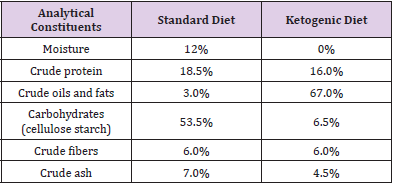
Liver Fatty Acids Profile of Rats Fed Ketogenic Diet

  Liver Fatty Acids Profile of Rats Fed Ketogenic Diet Introduction The ketogenic diet (KD) ‒ characterized by a low carbohydrate content an...